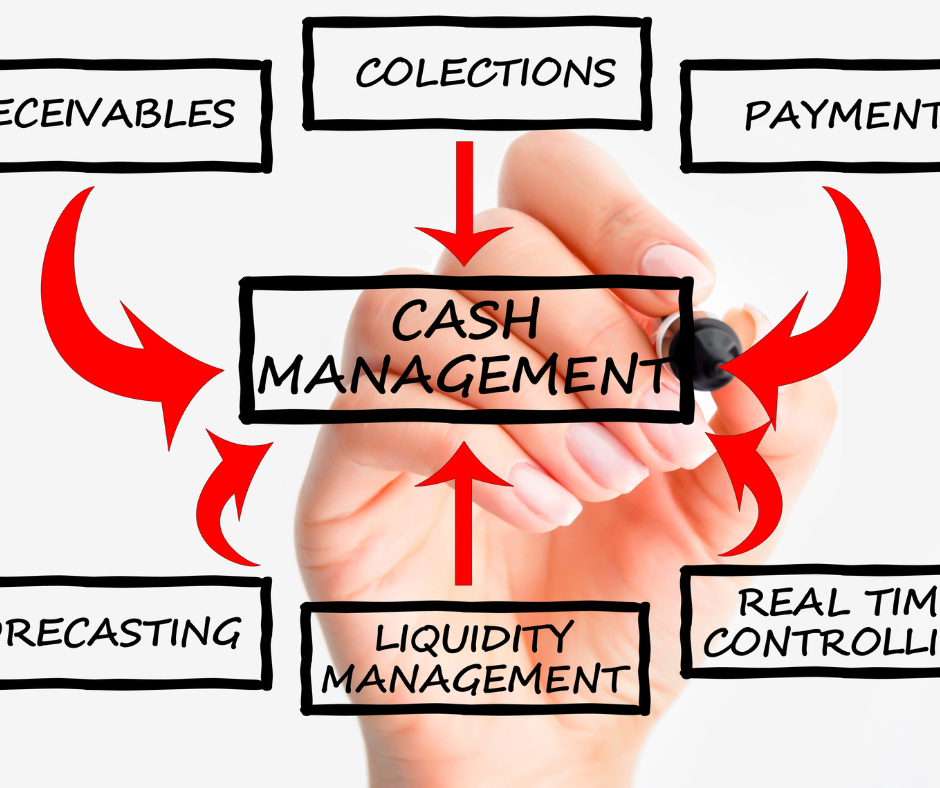
Depending on the context, the most accurate alternative term for money management can be budgeting for daily spending, financial planning for long-term goals, or wealth management for investment-heavy strategies. In professional settings, terms like treasury management or financial administration are used to describe the strategic oversight of institutional capital and liquidity.
The phrase "money management" is a broad umbrella term that encompasses everything from a teenager saving their allowance to a multi-billion dollar corporation optimizing its global cash flow. Because the term is so expansive, using it in a specific professional or academic setting can sometimes lead to ambiguity. As of 2026, the financial landscape has become increasingly specialized, and the terminology used to describe the handling of currency, assets, and liabilities has evolved to reflect this complexity. Understanding these synonyms and contextual variations is essential for clear communication in resumes, business proposals, and personal financial literacy.
The Evolution of Money Management Terminology
In previous decades, the term "money management" was sufficient for most discussions. However, as financial technology (fintech) has matured and the accessibility of complex financial instruments has grown, the need for precision has increased. Today, we distinguish between the mechanical act of tracking expenses and the strategic act of growing net worth.
When we look for an alternative term for money management, we must first identify the intent of the speaker. Are they referring to the defensive posture of saving and frugality, or the offensive posture of investing and capital growth? By 2026, the industry has largely moved toward "Financial Wellness" when discussing individual health and "Capital Optimization" when discussing corporate health. These shifts represent a move away from the mere "management" of a static resource toward the "optimization" of a dynamic one.
Core Synonyms for Personal Money Management
For the average individual, money management usually refers to the day-to-day handling of income and expenses. In this arena, several more precise terms provide better clarity.
Budgeting and Cash Flow Management
Budgeting is perhaps the most common alternative. It refers specifically to the process of creating a plan to spend your money. While money management is the broad activity, budgeting is the specific tool. By 2026, many experts prefer the term Cash Flow Management, as it emphasizes the movement of money (inflows and outflows) rather than just the static limits of a budget.
Cash flow management is often used by freelancers and small business owners to describe the timing of their income versus their obligations. It is a more technical and active term than "budgeting," which some perceive as restrictive or passive.
Personal Financial Planning
If the context involves long-term objectives—such as buying a home, funding an education, or preparing for retirement—the term Financial Planning is the superior choice. Unlike simple money management, financial planning involves a holistic view of one’s financial life, including insurance, taxes, estate planning, and risk assessment.
According to the Certified Financial Planner Board of Standards, financial planning is a collaborative process that helps maximize a client’s potential for meeting life goals through Financial Advice. It suggests a higher level of strategy and foresight than the generic term "money management."
Fiscal Stewardship
In certain philanthropic or religious contexts, the term Fiscal Stewardship is used. This term carries a moral or ethical weight, implying that the money does not just belong to the individual but is a resource to be managed responsibly for a greater good or future generations. It emphasizes the "care" aspect of management over the "growth" aspect.
Professional and Corporate Alternatives
In the world of business and institutional finance, "money management" is rarely used in formal documentation. Instead, more rigorous terminology is employed to describe the handling of corporate balance sheets.
Treasury Management
For a corporation, the most direct alternative is Treasury Management. This involves the administration of a company's holdings, with the ultimate goal of managing the firm's liquidity and mitigating its operational, financial, and reputational risk. This includes activities such as disbursements, collections, and investment of excess cash.
Treasury management is a highly technical field. As of 2026, it increasingly involves the use of automated Treasury Management Systems (TMS) to handle multi-currency transactions and real-time liquidity tracking across global markets.
Financial Administration
In non-profit organizations or government agencies, the term Financial Administration is the standard. This refers to the systems and procedures used to manage an organization's financial resources in compliance with laws and regulations. It focuses heavily on accountability, auditing, and reporting rather than just "managing" the money.
Capital Allocation
When executives discuss where to put the company's money to generate the best return, they use the term Capital Allocation. This is a strategic subset of money management that focuses on the decision-making process: should the firm reinvest in the business, pay dividends, buy back shares, or acquire another company?
Institutional and Investment Terminology
In the context of the stock market and private banking, "money management" takes on a very specific meaning related to the oversight of securities and investment assets.
Asset Management
Asset Management is a formal term used by firms that manage investments on behalf of others. An asset manager seeks to grow a client's portfolio while staying within defined risk parameters. This term is often used in the context of institutional investors, such as pension funds or endowments. The Investment Company Institute provides extensive data on how asset management firms operate within the regulated environment of mutual funds and ETFs.
Wealth Management
While asset management focuses primarily on investments, Wealth Management is a more comprehensive alternative. It includes investment management but also incorporates financial planning, tax services, and legal/estate advice. It is typically a service geared toward high-net-worth individuals (HNWIs). By 2026, wealth management has become highly personalized, often incorporating "Environmental, Social, and Governance" (ESG) criteria into the management strategy.
Portfolio Management
Portfolio Management refers to the art and science of selecting the right investment mix (stocks, bonds, real estate, cash) to meet a specific financial goal. It is a more technical alternative to money management that emphasizes the relationship between different assets and how they perform together as a single unit.
Comparison of Money Management Alternatives
To choose the right term, it is helpful to compare them based on their scope and primary objective. The following table outlines the most common alternatives used in 2026.
| Alternative Term | Primary Context | Key Objective | Target Audience |
|---|---|---|---|
| Budgeting | Personal / SME | Expense Control | General Public |
| Cash Flow Management | Small Business | Liquidity Timing | Entrepreneurs |
| Treasury Management | Corporate | Risk & Liquidity | CFOs / Treasurers |
| Wealth Management | HNW Individuals | Holistic Growth | Investors |
| Asset Management | Institutional | ROI & Growth | Fund Managers |
| Fiscal Management | Public Sector | Policy & Budgeting | Government / NGOs |
| Financial Planning | Personal | Long-term Goals | Families / Individuals |
Technical Depth: Why Precise Terminology Matters in 2026
Using the correct alternative term is not just about sounding more professional; it is about ensuring that the systems and people involved understand the objective. In 2026, much of what we once called "money management" is now performed by algorithms.
For instance, if you are looking for software to help you save for a vacation, you search for a budgeting app. However, if a corporation is looking for a way to manage its currency risk across European and Asian markets, it requires Treasury Management Software. Using these terms correctly allows for better search results, more accurate software procurement, and clearer communication with financial advisors.
Furthermore, in a legal context, the term used can define the level of responsibility. A Fiduciary has a legal obligation to manage money in the best interest of the client. This is a very high standard of "money management" that carries specific legal penalties if violated. Simply calling someone a "money manager" does not inherently imply a fiduciary duty, whereas terms like Investment Advisor or Trustee often do.
Common Pitfalls and Misconceptions
One common mistake is using accounting as a synonym for money management. While they are related, they are distinct disciplines. Accounting is the process of recording and reporting past financial transactions. Money management (or financial management) is the process of planning for and directing future financial actions. You use accounting to see where your money went, but you use financial administration to decide where it should go next.
Another misconception is that investing is the same as money management. Investing is a strategy within money management. You can manage your money by keeping it all in a high-yield savings account (which is a form of liquidity management), but that is not necessarily "investing" in the sense of purchasing assets for capital appreciation.
Frequently Asked Questions
What is the most professional term for money management on a resume?
The most professional term depends on the role you are applying for. For general administrative roles, Financial Oversight or Budget Administration are excellent. For leadership or finance-specific roles, use Treasury Management, Capital Allocation, or Fiscal Stewardship. These terms demonstrate a more sophisticated understanding of the field than the generic "money management."
Is there a difference between money management and wealth management?
Yes. Money management is a broad term for handling any amount of money, usually focusing on cash flow and expenses. Wealth Management is a specific professional service for affluent clients that combines investment advice with accounting, estate planning, and tax services to manage a client's total net worth.
What do governments call money management?
Governments typically use the term Fiscal Management or Public Financial Management (PFM). This involves the management of the government’s revenue (taxes), expenditures (budgets), and debt. It is tied closely to economic policy and is overseen by departments like the Treasury or the Ministry of Finance.
What is a technical term for managing day-to-day business cash?
The technical term is Working Capital Management. This refers specifically to managing the difference between a company's current assets (like cash and inventory) and its current liabilities (like short-term debt and accounts payable). It ensures the company has enough "oxygen" (cash) to continue operations.
How has "Financial Wellness" replaced money management?
By 2026, the term Financial Wellness has gained popularity in human resources and personal coaching. It shifts the focus from the math of managing money to the psychological and physical impact of financial health. It implies a state where an individual can fully meet current and ongoing financial obligations and can feel secure in their financial future.
Practical Recommendation for Choosing the Right Term
When selecting an alternative term for money management, consider your primary goal. If you are focused on restraint and tracking, use "Budgeting." If your goal is growth and complexity, use "Wealth Management" or "Asset Management." For business operations, "Treasury Management" is the industry standard.
In your personal life, transitioning your vocabulary from "managing my money" to "managing my cash flow" can provide a more proactive psychological framework, helping you see money as a moving resource to be directed rather than just a pile of cash to be guarded. For those in the professional sphere, utilizing terms like Capital Optimization or Fiduciary Oversight will better align your language with the standards of the financial industry in 2026.