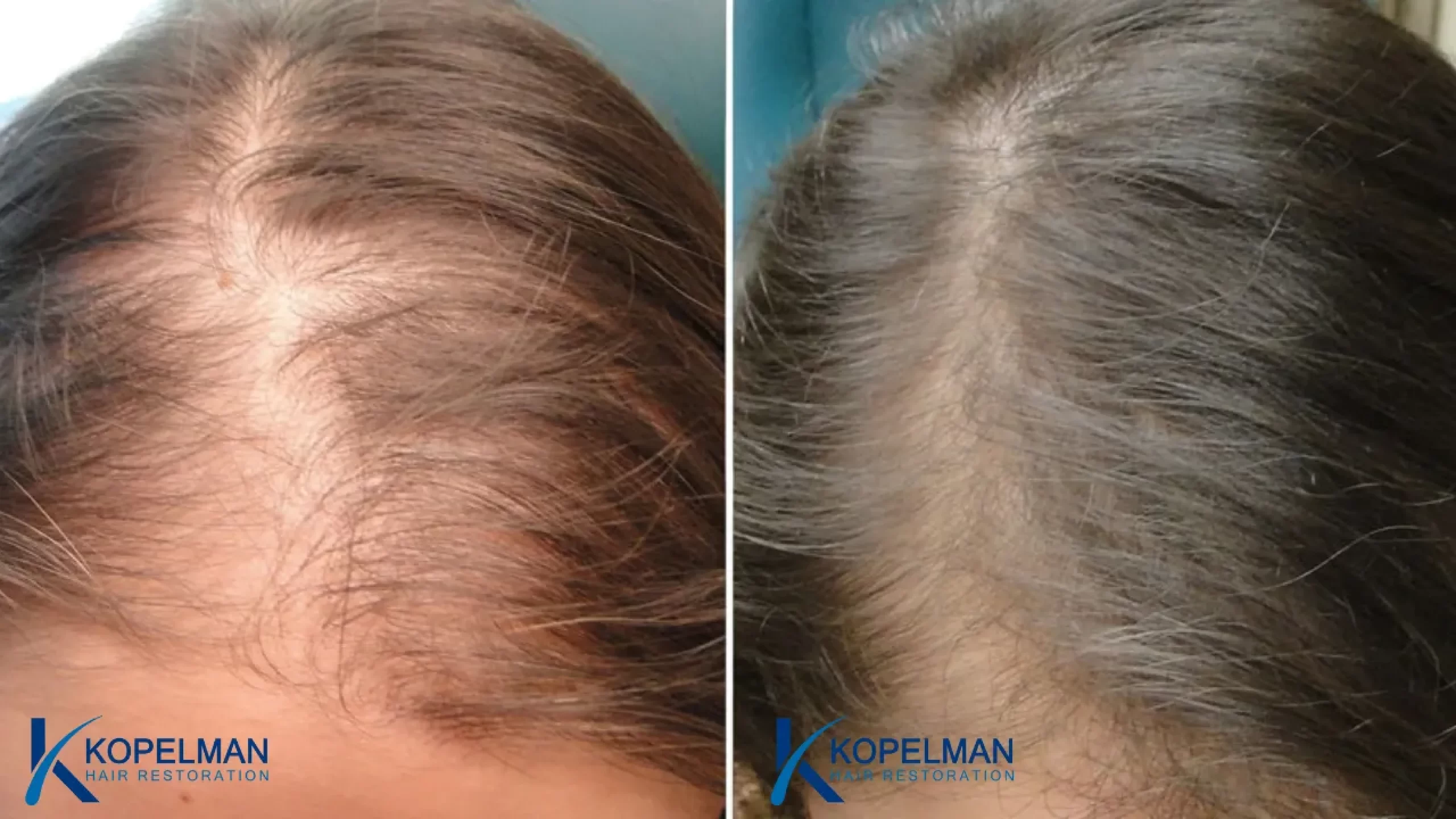
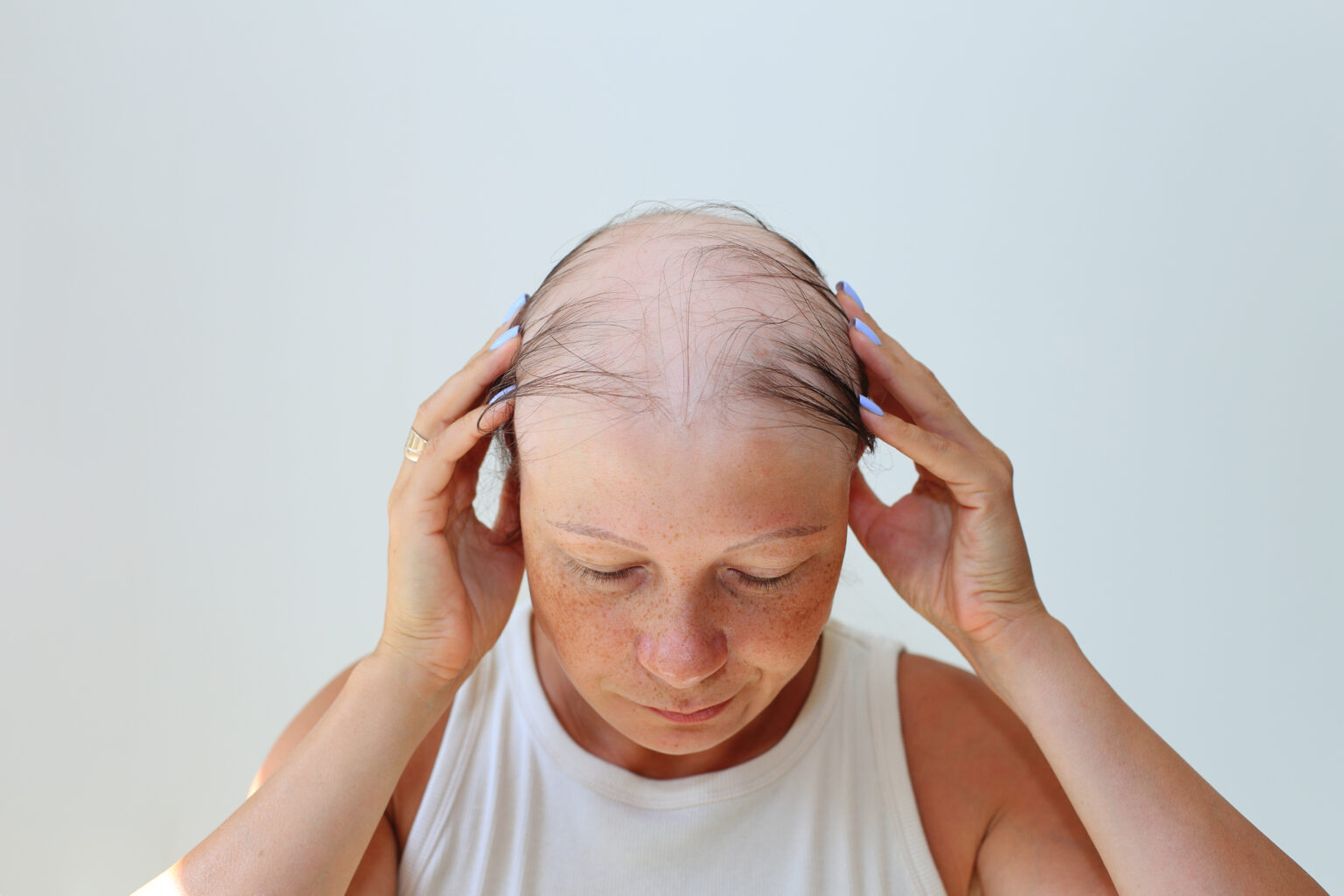
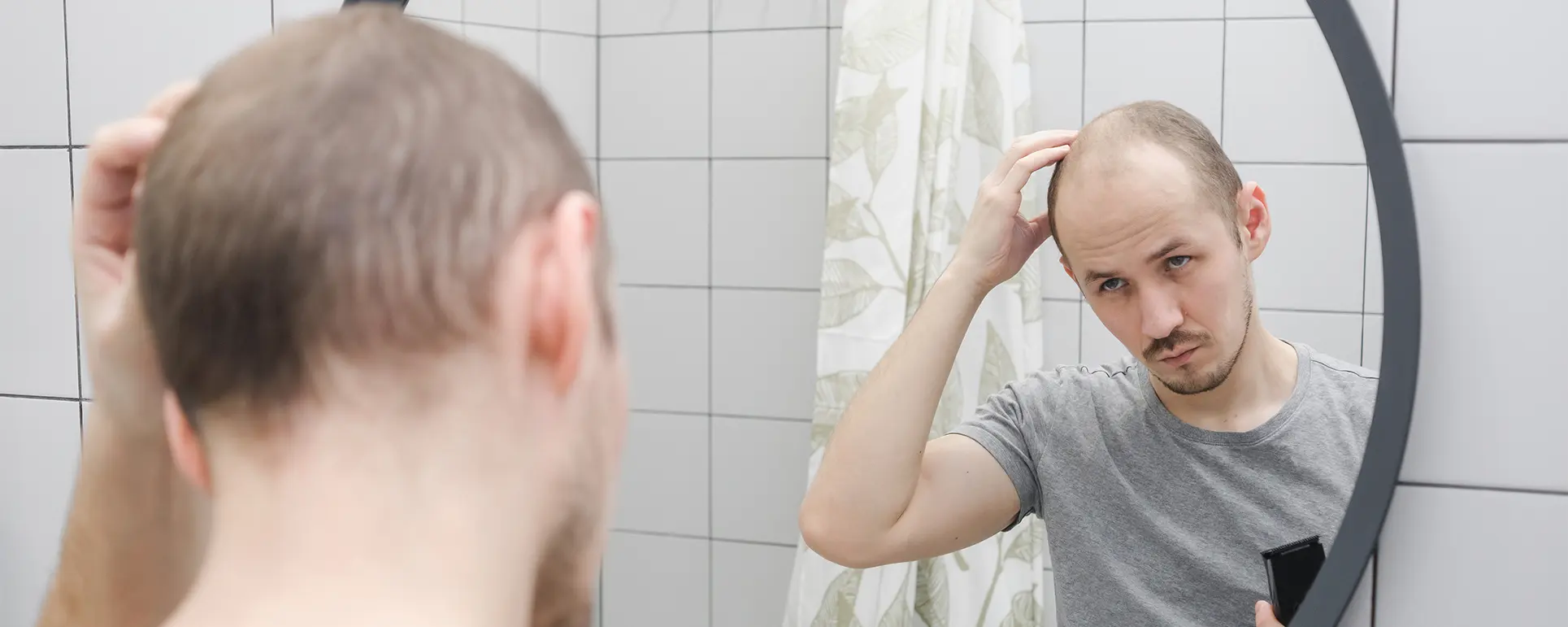
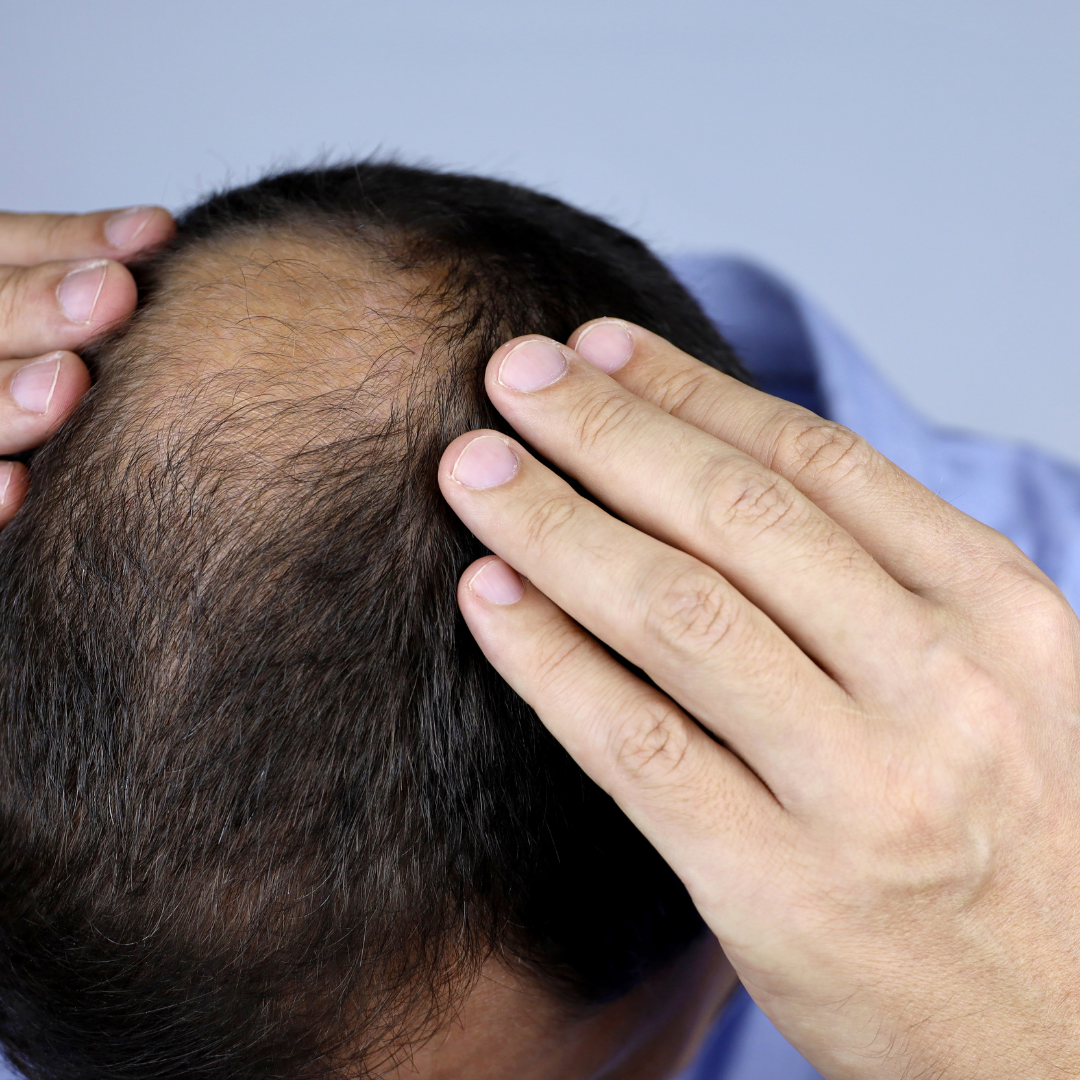
Stress-induced hair loss is a physiological response where high levels of cortisol disrupt the natural hair growth cycle. The most common form, telogen effluvium, occurs when stress pushes hair follicles into a premature resting phase, leading to significant shedding months later. While often reversible, managing the underlying psychological triggers is essential for long-term recovery and regrowth.
The Physiological Link Between Stress and Hair Loss
To understand how everyday stress impacts hair, one must first understand the biology of the hair follicle. Hair does not grow continuously; it moves through a specific cycle: the Anagen (growth) phase, the Catagen (transition) phase, and the Telogen (resting) phase. In a healthy scalp, approximately 85% to 90% of hairs are in the anagen phase at any given time.
When the body experiences significant or chronic stress, it activates the Hypothalamic-Pituitary-Adrenal (HPA) axis. This system governs the "fight or flight" response, releasing hormones like adrenaline and cortisol. While these hormones are vital for survival, prolonged elevation of cortisol is detrimental to hair follicles. Research has shown that cortisol can break down skin elements like hyaluronan and proteoglycans, which are necessary for maintaining the health of the hair follicle.
Furthermore, stress causes a "systemic shock" that can signal a disproportionate number of hair follicles to exit the anagen phase prematurely. Instead of the usual 10% of hair resting, up to 30% or more may enter the telogen phase. Once in this phase, the hair stops growing and eventually falls out. Because the transition to the telogen phase takes time, the actual shedding usually occurs three to six months after the stressful event or period began.
Differentiating Types of Stress-Related Alopecia
Not all hair loss caused by stress looks or behaves the same way. In 2026, clinicians categorize stress-related hair thinning into three primary conditions, each with distinct mechanisms and presentations.
Telogen Effluvium (TE)
Telogen effluvium is the most frequent diagnosis for those experiencing hair loss due to everyday life pressures. It is characterized by diffuse thinning across the entire scalp rather than specific bald spots. People with TE often notice large clumps of hair in the shower drain or on their hairbrush.
Acute TE is usually triggered by a single, major event—such as a high fever, surgery, or a sudden psychological trauma. Chronic TE, which is becoming increasingly common in the modern "always-on" work culture, involves persistent shedding that lasts longer than six months. This is often tied to the cumulative effect of daily stressors, poor sleep, and nutritional deficiencies that frequently accompany a high-stress lifestyle.
Alopecia Areata (AA)
Unlike TE, Alopecia Areata is an autoimmune condition. While genetics play a role, stress is a well-documented trigger for "flares." In AA, the body’s immune system mistakenly attacks the hair follicles, causing hair to fall out in small, round patches. In severe cases, this can progress to total scalp hair loss (Alopecia Totalis).
The relationship between stress and AA is cyclical. A period of intense everyday stress can trigger the immune system's overactivity. Once the hair begins to fall out in patches, the resulting anxiety and blow to self-esteem create more stress, which can further exacerbate the condition.
Trichotillomania
Trichotillomania is a psychological disorder involving an irresistible urge to pull hair from the scalp, eyebrows, or other areas of the body. While it is classified as an impulse control disorder, it is deeply rooted in stress and anxiety. For many, pulling hair is a subconscious coping mechanism used to deal with negative or uncomfortable feelings, such as tension, loneliness, fatigue, or frustration. In the context of everyday life, high-pressure environments can increase the frequency of these pulling episodes, leading to noticeable patches of broken or missing hair.
Common Everyday Stressors Impacting Hair Health in 2026
By 2026, the definition of "everyday stress" has evolved to include several modern environmental and lifestyle factors. These stressors often act in tandem to deplete the body's resources, leaving the hair follicles vulnerable.
- Digital Burnout and "Technostress": The constant barrage of notifications and the blurring lines between remote work and home life keep the nervous system in a state of hyper-vigilance. This chronic low-level stress prevents the body from entering a deep "rest and digest" state necessary for follicular repair.
- Nutritional Gaps: Stress often leads to "stress eating" (high-sugar, low-nutrient foods) or a lack of appetite. Hair is a non-essential tissue in the eyes of the body. When nutrients like iron, zinc, and protein are scarce, the body prioritizes vital organs, starving the hair follicles.
- Sleep Deprivation: Sleep is when the body undergoes cellular regeneration. Chronic stress-induced insomnia disrupts growth hormone production, which is essential for maintaining the anagen phase of hair growth.
- Environmental Micro-Stressors: Modern urban living involves exposure to pollutants and oxidative stress. When combined with psychological stress, the scalp's microbiome can become unbalanced, leading to inflammation that hinders hair growth.
Identifying Symptoms: When Shedding Becomes a Concern
It is normal to lose between 50 and 100 hairs per day. However, identifying when this shedding is abnormal is crucial for early intervention. Key signs of alopecia from stress include:
- Sudden Increase in Shedding: If you notice a significant increase in the amount of hair on your pillow, in the shower, or when running your hands through your hair.
- Tenderness or "Scalp Pain": Some individuals with telogen effluvium report a sensation called trichodynia—a painful or tingling sensation on the scalp that often precedes or accompanies shedding.
- Visible Thinning at the Temples: While TE is diffuse, many people notice it most prominently around the hairline and temples first.
- Changes in Hair Texture: Stress can sometimes cause hair to feel thinner, more brittle, or "limp" before it actually falls out.
If you observe these symptoms, it is important to track the timeline. Reflect on your life three to four months ago. Was there a period of intense work deadlines, personal loss, or significant illness? This retrospective look often reveals the "trigger event" for the current hair loss.
Clinical Diagnosis and When to Consult a Specialist
Because hair loss can be caused by various factors—including hormones (Androgenetic Alopecia), thyroid issues, or vitamin deficiencies—a professional diagnosis is essential. A dermatologist or trichologist will typically perform the following:
- The Pull Test: The doctor gently pulls a small section of hair to see how many strands are released. In active telogen effluvium, a significant number of hairs (with white bulbs at the end, indicating they are in the resting phase) will come out.
- Blood Work: It is vital to check levels of Ferritin (stored iron), Vitamin D, B12, and Thyroid-Stimulating Hormone (TSH). Stress often depletes these markers, and deficiencies can mimic or worsen stress-induced alopecia.
- Scalp Biopsy: In rare or ambiguous cases, a small skin sample may be taken to rule out scarring alopecia or other inflammatory conditions.
For more information on finding a board-certified dermatologist, the American Academy of Dermatology (AAD) provides resources for identifying specialists in hair loss.
Comparison of Stress-Induced Hair Loss Conditions
The following table summarizes the primary differences between the most common forms of stress-related hair loss to help you identify which may be affecting you.
| Feature | Telogen Effluvium (TE) | Alopecia Areata (AA) | Trichotillomania |
|---|---|---|---|
| Primary Pattern | Diffuse thinning over the entire scalp. | Distinct, smooth, round bald patches. | Irregular patches with broken hairs of varying lengths. |
| Primary Cause | Systemic shock/Chronic stress pushing hair to rest. | Autoimmune response triggered by stress/genetics. | Psychological urge to pull hair as a coping mechanism. |
| Typical Onset | 3–6 months after a stressful trigger. | Can appear suddenly; flares are unpredictable. | Onset varies; often worsens during high-stress periods. |
| Potential for Regrowth | High; hair usually grows back once stress is managed. | Variable; may grow back spontaneously or require treatment. | High, provided the pulling behavior is stopped. |
| Pain/Sensation | May involve scalp tenderness (trichodynia). | Often asymptomatic; occasionally itchy or tingly. | Usually involves a sense of tension followed by relief. |
Holistic and Clinical Treatment Options
Treating stress-related alopecia requires a two-pronged approach: managing the physiological symptoms and addressing the psychological root cause.
Stress Management and Psychological Support
If the stressor is ongoing, the hair loss may continue or become chronic. Techniques such as Cognitive Behavioral Therapy (CBT) have been shown to be effective in managing the "stress-hair loss-stress" cycle. Additionally, mindfulness-based stress reduction (MBSR) and daily meditation can help lower systemic cortisol levels.
Nutritional and Supplemental Support
To encourage regrowth, the body needs an abundance of the "building blocks" of hair.
- Protein: Hair is primarily made of keratin. Ensure adequate intake of lean proteins.
- Biotin and Zinc: These support the metabolic processes within the hair follicle.
- Adaptogens: Herbs like Ashwagandha or Rhodiola (under medical supervision) may help the body regulate its response to everyday stress.
Medical Interventions
While TE often resolves on its own, certain treatments can accelerate the process:
- Minoxidil (Topical): While traditionally used for genetic balding, a low-strength topical minoxidil can help stimulate follicles to return to the anagen phase more quickly.
- Corticosteroids: For those with Alopecia Areata, localized steroid injections can suppress the immune attack on the follicles.
- Scalp Massage: Increasing blood flow to the scalp can help deliver nutrients to the follicles, though it must be done gently to avoid pulling out resting hairs.
For detailed clinical guidelines on hair loss treatments, the Mayo Clinic offers comprehensive patient education on medications and procedures.
Frequently Asked Questions
Can everyday work stress really cause my hair to fall out?
Yes. While we often think of "stress" as a major tragedy, the cumulative effect of high-pressure work environments, lack of sleep, and constant digital stimulation can keep cortisol levels high enough to disrupt the hair growth cycle. This usually manifests as chronic telogen effluvium, where the hair appears thinner overall.
How long does it take for hair to grow back after the stress is gone?
Hair growth is a slow process. Once the stressor is removed or managed, it can take 3 to 6 months for the shedding to stop completely. After that, hair typically grows at a rate of about half an inch per month. You may see "baby hairs" or short, fine strands appearing at the hairline as a first sign of recovery.
Will my hair be as thick as it was before?
In most cases of telogen effluvium, the hair follicles are not damaged; they are simply "paused." Once the body feels safe and nourished again, the follicles resume their normal function, and hair density usually returns to its baseline. However, if there is underlying genetic thinning, the hair may not return to its original youthful thickness.
Are there specific shampoos that can stop stress-induced hair loss?
No shampoo can stop the hormonal process of telogen effluvium because the issue is internal. However, using gentle, sulfate-free shampoos can help maintain scalp health and prevent further breakage of the remaining hair. Look for ingredients like caffeine or saw palmetto, which may provide a supportive environment for the scalp.
Does stress-related hair loss affect men and women differently?
The biological mechanism is the same, but the presentation may differ. Women often notice the loss more acutely because they tend to have longer hair, making the volume of shed hair more visible. Men may find that stress-related thinning accelerates or masks the early stages of male pattern baldness.
Taking the First Step Toward Recovery
The first and most important step in treating alopecia from stress in everyday life is radical self-care. Because the hair is a reflection of your internal state, recovery cannot be forced through topical treatments alone.
Start by auditing your daily routine. Prioritize seven to eight hours of sleep, incorporate 20 minutes of movement to "burn off" excess cortisol, and ensure you are eating nutrient-dense meals. If the hair loss is causing significant emotional distress, consider consulting a therapist who specializes in body-focused repetitive behaviors or chronic illness. By addressing the stress at its source and supporting your body's nutritional needs, you provide your hair follicles with the stability they need to enter the growth phase once again.