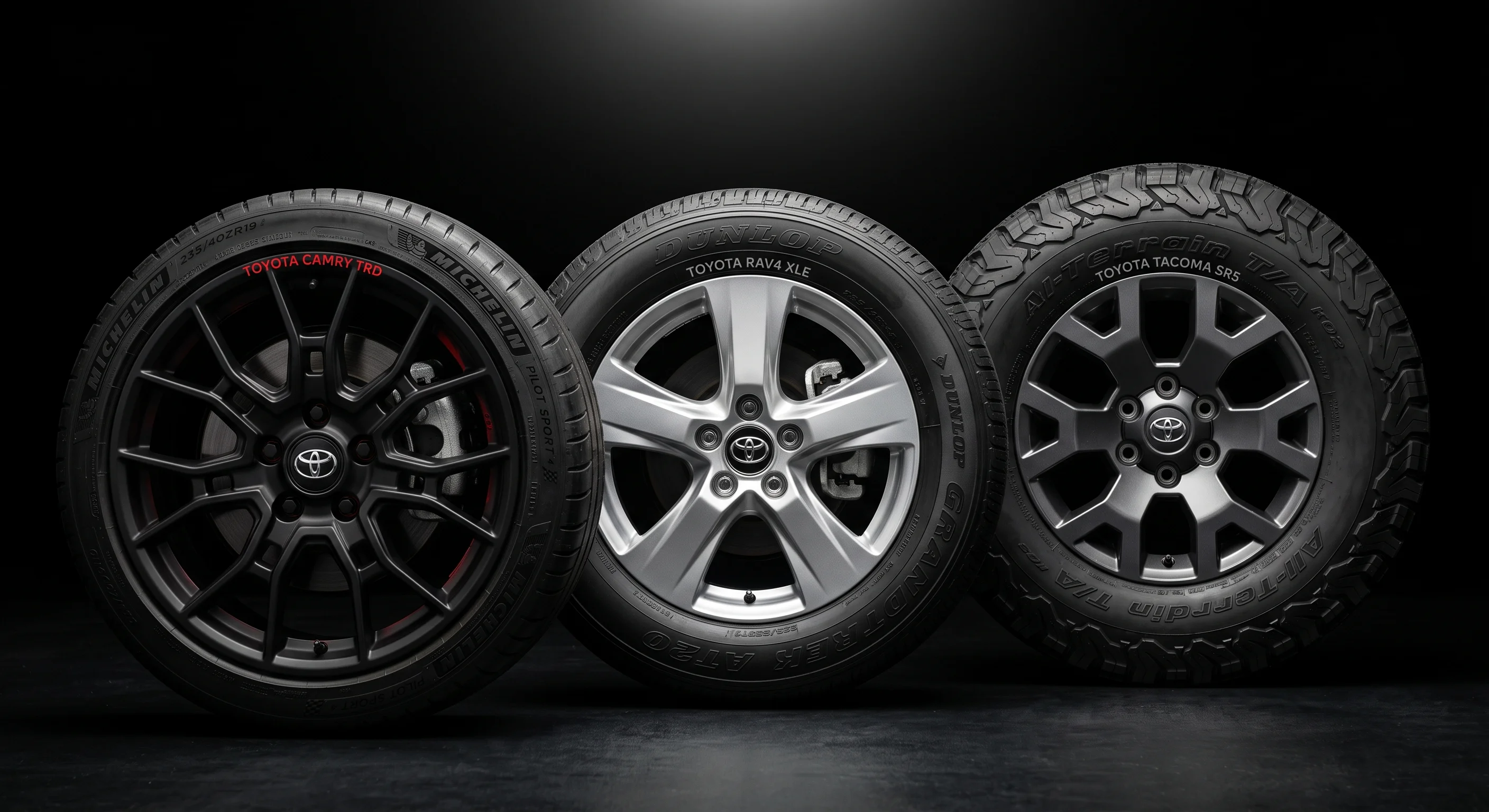
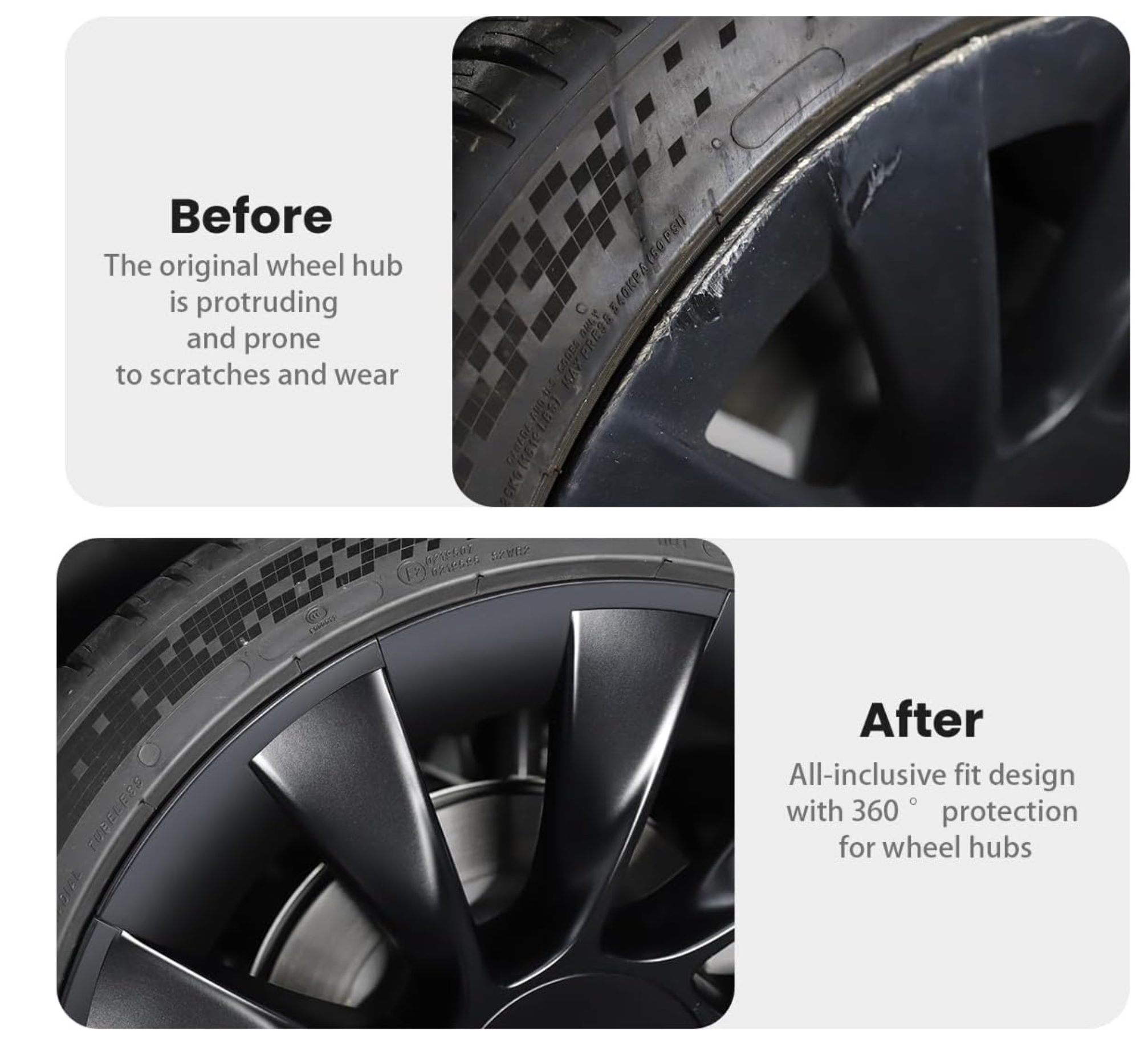
Allstate Tire and Wheel Protection is a specialized vehicle service contract designed to cover the repair or replacement of tires and rims damaged by road hazards like potholes, nails, and debris. Unlike standard auto insurance, it focuses specifically on road-related damage and often includes cosmetic repairs and roadside assistance without a deductible.
Modern vehicles are increasingly equipped with low-profile tires and high-performance alloy wheels. While these components enhance aesthetics and handling, they are significantly more susceptible to damage from common road hazards. As of 2026, the cost of replacing a single high-end aluminum alloy wheel and its corresponding tire can easily exceed $1,000. Allstate’s Tire and Wheel Protection serves as a financial hedge against these unpredictable out-of-pocket expenses, providing a structured way to manage the risks associated with daily commuting and long-distance travel.
What is Allstate Tire and Wheel Protection?
Allstate Tire and Wheel Protection is a supplemental coverage plan, typically offered at the point of vehicle purchase or through authorized dealerships. It is categorized as a Vehicle Service Contract (VSC) rather than a traditional insurance policy. While your primary auto insurance might cover wheel damage resulting from a collision or theft, it rarely covers damage caused by a simple pothole or a stray piece of metal on the highway.
The primary goal of this protection is to keep your vehicle on the road without the financial sting of sudden repairs. In 2026, with the proliferation of heavier Electric Vehicles (EVs) that put more stress on tire sidewalls, this coverage has become a standard consideration for new and pre-owned vehicle buyers. The plan typically covers both the parts (tires and wheels) and the labor associated with mounting, balancing, and disposal fees.
The Definition of a Road Hazard
To understand this coverage, one must understand how Allstate defines a "road hazard." In the context of the 2026 service contracts, a road hazard is any object or condition on a public roadway that should not be there and causes immediate damage to the tire or wheel. This includes:
- Potholes: The most common cause of bent rims and sidewall bubbles.
- Debris: Nails, screws, glass, and wood scraps.
- Road Metal: Parts fallen from other vehicles, such as mufflers or bolts.
- Tree Limbs: Fallen branches that create structural impact.
It is important to note that damage from "curb rash"—scraping your wheel against a curb while parking—is traditionally excluded from standard plans, though it is often included in "Platinum" or "Premier" tiers.
Understanding the Levels of Coverage
Allstate generally offers multiple tiers of tire and wheel protection to suit different budgets and vehicle types. While the specific branding may vary by dealership, the industry standard follows a two-tier structure: Standard and Platinum.
Standard Coverage
The Standard plan is built around structural integrity. If a road hazard punctures your tire or bends your wheel so that it can no longer hold air or be properly balanced, the plan kicks in. This level focuses on functionality. If your wheel is scratched but still functions perfectly and holds a seal, the Standard plan typically will not cover the repair.
Platinum (Cosmetic) Coverage
The Platinum tier is designed for owners of vehicles with high-value aesthetic wheels. This tier includes all the benefits of the Standard plan but adds coverage for cosmetic damage. In 2026, most luxury and sport-tier vehicles utilize "diamond-cut" or multi-tone alloy wheels. Refurbishing these wheels to their original factory appearance requires specialized CNC machining. The Platinum plan covers these costs, ensuring that "curb rash" or surface gouges don't ruin the look of the vehicle.
Key Features and Included Benefits
Beyond the simple replacement of rubber and metal, Allstate’s program includes several "soft" benefits that add significant value to the contract.
Roadside Assistance
Most Allstate Tire and Wheel plans come bundled with 24/7 roadside assistance. This is separate from your primary insurance roadside rider. If you blow a tire at 2:00 AM, the plan typically covers the cost of a tow to the nearest authorized service center or a flat tire change on the spot.
Mounting, Balancing, and Taxes
A common mistake vehicle owners make when calculating the value of a protection plan is forgetting the "hidden" costs of tire replacement. In 2026, mounting and balancing a modern tire with Pressure Monitoring System (TPMS) sensors can cost between $30 and $60 per wheel. Allstate’s coverage generally includes these labor costs, along with state and local taxes and environmental disposal fees for the old tires.
No Deductible
One of the strongest selling points of the Allstate program is the absence of a deductible. Unlike a collision claim on your standard auto insurance—which might require you to pay the first $500 or $1,000—Allstate Tire and Wheel claims are usually "first-dollar" coverage. The administrator pays the repair facility directly, or reimburses you in full, provided the claim is authorized.
What is Not Covered? Notable Exclusions
No protection plan covers everything. To avoid frustration during a claim, owners must be aware of the specific exclusions outlined in the Allstate contract.
- Tread Depth Limits: Tires are considered "worn out" and ineligible for replacement if the tread depth is at or below 2/32 of an inch. If you hit a nail with a bald tire, the plan will not pay for a new one, as the tire was already due for replacement.
- Manufacturer Defects: If a tire delaminates due to a factory flaw, this is a matter for the tire manufacturer's warranty (e.g., Michelin or Goodyear), not Allstate.
- Off-Road Use: Damage occurring on non-public roads, construction sites, or off-road trails is typically excluded.
- Theft and Vandalism: If someone steals your wheels or slashes your tires, this is a criminal act covered by your comprehensive auto insurance, not a road hazard plan.
- Cosmetic Damage (Standard Tier): As mentioned, the base plan will not pay to fix a scratch if the wheel still functions safely.
Comparing Allstate Coverage Tiers
| Feature | Standard Plan | Platinum/Premier Plan |
|---|---|---|
| Puncture Repair | Included | Included |
| Tire Replacement | Included (if unrepairable) | Included (if unrepairable) |
| Structural Wheel Damage | Included | Included |
| Cosmetic Wheel Repair | Not Included | Included (Curb Rash, Scratches) |
| Roadside Assistance | Included | Included |
| Mounting & Balancing | Included | Included |
| Deductible | Generally $0 | Generally $0 |
| Transferable | Yes (often with a fee) | Yes (often with a fee) |
The Claims Process: A Step-by-Step Guide
Navigating the claims process is where many consumers encounter difficulties. Allstate Dealer Services, which administers these plans, requires strict adherence to their protocol to ensure payment.
Step 1: Immediate Documentation
As soon as damage occurs, safely pull over and take photos of the damaged tire/wheel and the road hazard if possible (e.g., the pothole). Modern claims in 2026 are often processed via mobile apps, and clear photographic evidence speeds up approval.
Step 2: Contact the Administrator for Authorization
Do not repair the vehicle before getting authorization. This is the most critical rule. You or the service technician must call the Allstate claims number (usually found on your contract or ID card) to start the claim. Allstate will provide a claim number and an authorized payout amount.
Step 3: Visit an Authorized Repair Facility
While you can often go to any licensed repair shop, using a dealership that frequently works with Allstate can simplify the "direct pay" process. The shop will inspect the damage and confirm to Allstate that the tire/wheel is unrepairable or requires specific machining.
Step 4: Verification of Tread Depth
The technician will measure the remaining tread. If the tire is above the 2/32" limit, the claim proceeds. In 2026, many shops use laser scanners to provide an objective tread depth reading that is sent directly to the administrator.
Step 5: Payment
In most cases, Allstate pays the shop directly via a corporate credit card over the phone. If you are at a shop that does not accept direct payment, you may have to pay out of pocket and submit your receipt for reimbursement, though this is less common with Allstate’s extensive network.
Financial Analysis: Is it Worth It in 2026?
Determining the value of Allstate Tire and Wheel Protection requires a simple mathematical comparison between the contract cost and the potential repair costs of your specific vehicle.
The Cost of the Plan
In 2026, a 5-year Allstate Tire and Wheel Protection plan typically costs between $600 and $1,200, depending on the vehicle's make and model. This cost is often rolled into the monthly financing of the vehicle, resulting in an increase of approximately $10 to $20 per month.
The Cost of Replacement
Consider a 2026 mid-sized SUV with 20-inch wheels:
- One OEM Alloy Wheel: $600 - $900
- One High-Performance Tire: $250 - $400
- Labor and Taxes: $75
- Total for one incident: ~$925 - $1,375
If you experience even one significant pothole strike that bends a rim during your five years of ownership, the plan has paid for itself. For drivers in "pothole belt" states or cities with deteriorating infrastructure, the likelihood of multiple incidents is high, making the protection statistically favorable.
The EV Factor
For owners of Electric Vehicles, the value proposition is even higher. EVs are significantly heavier than internal combustion engine (ICE) vehicles due to battery weight. This weight places extreme pressure on tires, making them more susceptible to "pinch shocks" where the tire sidewall is crushed between the pothole and the rim. Furthermore, many EVs do not carry spare tires to save weight, making the roadside assistance and towing components of the Allstate plan essential.
How to Purchase and Transfer Coverage
Allstate Tire and Wheel Protection is primarily sold through the Finance and Insurance (F&I) office at automotive dealerships. You can typically purchase it for:
- New Vehicles: At the time of delivery.
- Certified Pre-Owned (CPO) Vehicles: Often added to the CPO package.
- Used Vehicles: Subject to inspection and age/mileage limits.
Transferability and Cancellations
If you sell your vehicle to a private party before the contract expires, the Allstate protection is usually transferable. This can be a significant selling point, as it provides the next owner with peace of mind. There is typically a small transfer fee (around $50).
If you trade in your vehicle or decide you no longer want the coverage, you can cancel the contract. You are entitled to a pro-rata refund based on the time remaining or mileage used, minus a cancellation fee and any claims already paid out.
Frequently Asked Questions
Does Allstate Tire and Wheel cover damage from a car accident?
No. Damage resulting from a collision with another vehicle or a fixed object (like a pole or building) is covered under the collision section of your standard auto insurance policy. Allstate Tire and Wheel is strictly for road hazards encountered during normal driving.
Can I use the plan for winter tires?
Generally, yes. Most Allstate contracts cover the tires currently mounted on the vehicle, provided they meet the size and load specifications for that vehicle. However, you should verify if your specific contract requires you to register the secondary set of wheels/tires with the administrator.
What if my tire is discontinued and cannot be matched?
If the specific tire model is no longer manufactured, Allstate will typically pay for a tire of "like kind and quality" that matches the specifications of the original. They are not usually obligated to replace the other three tires to match the tread pattern unless the vehicle's drivetrain (such as some high-performance AWD systems) strictly requires identical tread depth and pattern for safety.
Is there a limit to how many claims I can make?
Most Allstate plans have an "Aggregate Limit of Liability." This is the maximum amount the plan will pay over the life of the contract, often capped at the retail value of the vehicle or a high dollar amount like $5,000. For most drivers, this limit is never reached.
Does it cover chrome wheels?
Yes, but you must ensure your plan specifically lists chrome or "specialty" wheels. Chrome wheels often require replacement rather than repair because the plating process is difficult to spot-repair. This may affect the premium cost of your plan.
Summary and Recommendations
Allstate Tire and Wheel Protection provides a robust safety net for one of the most vulnerable parts of a modern vehicle. In 2026, as wheel sizes continue to grow and road conditions remain unpredictable, the financial risk of a single road hazard incident often exceeds the total cost of the protection plan.
Recommendation: If you are purchasing a vehicle with low-profile tires (sidewalls smaller than 45 or 50 series) or expensive alloy wheels, the Platinum level coverage is highly recommended to protect against both structural and cosmetic damage. For those driving vehicles with standard steel wheels or high-profile "meaty" tires, the risk is lower, and the plan may be less essential unless you live in an area known for severe road debris or potholes. Always read the "Exclusions" section of your specific contract before signing to ensure the terms align with your driving habits.