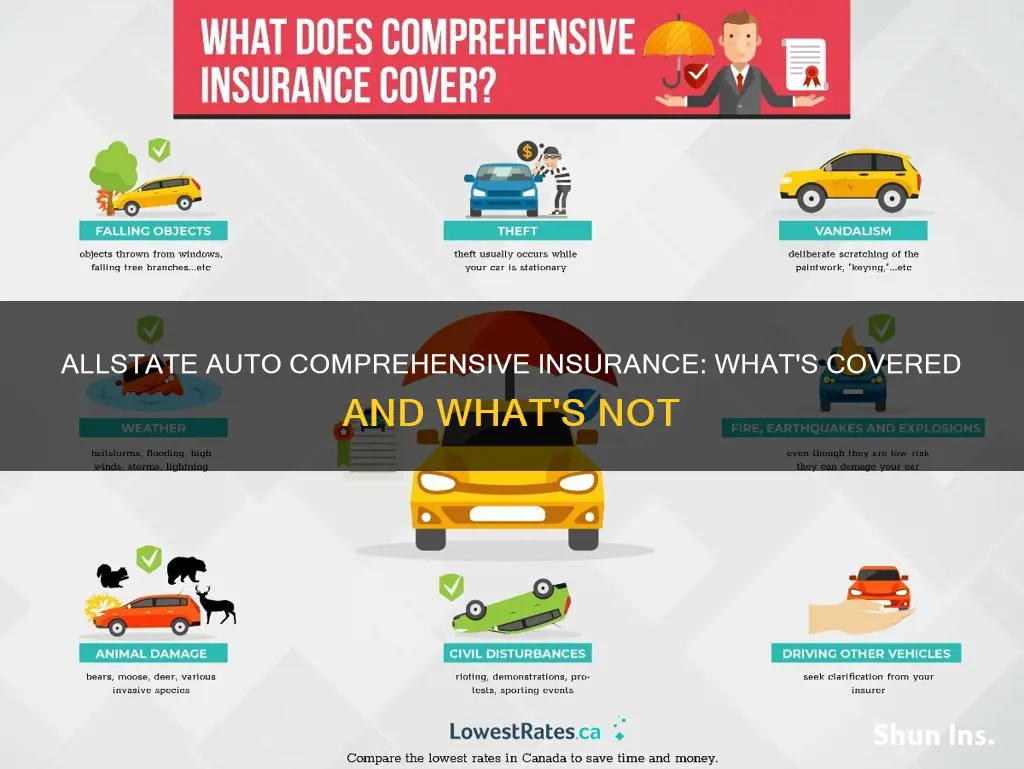
If your vehicle is stolen, Allstate’s comprehensive insurance coverage is designed to provide financial protection by compensating you for the actual cash value of your vehicle, minus your chosen deductible. This coverage extends beyond theft to include other non-collision events like fire, vandalism, and natural disasters, ensuring you have a path to recovery regardless of how the loss occurred.
Understanding Comprehensive Coverage within the Allstate Framework
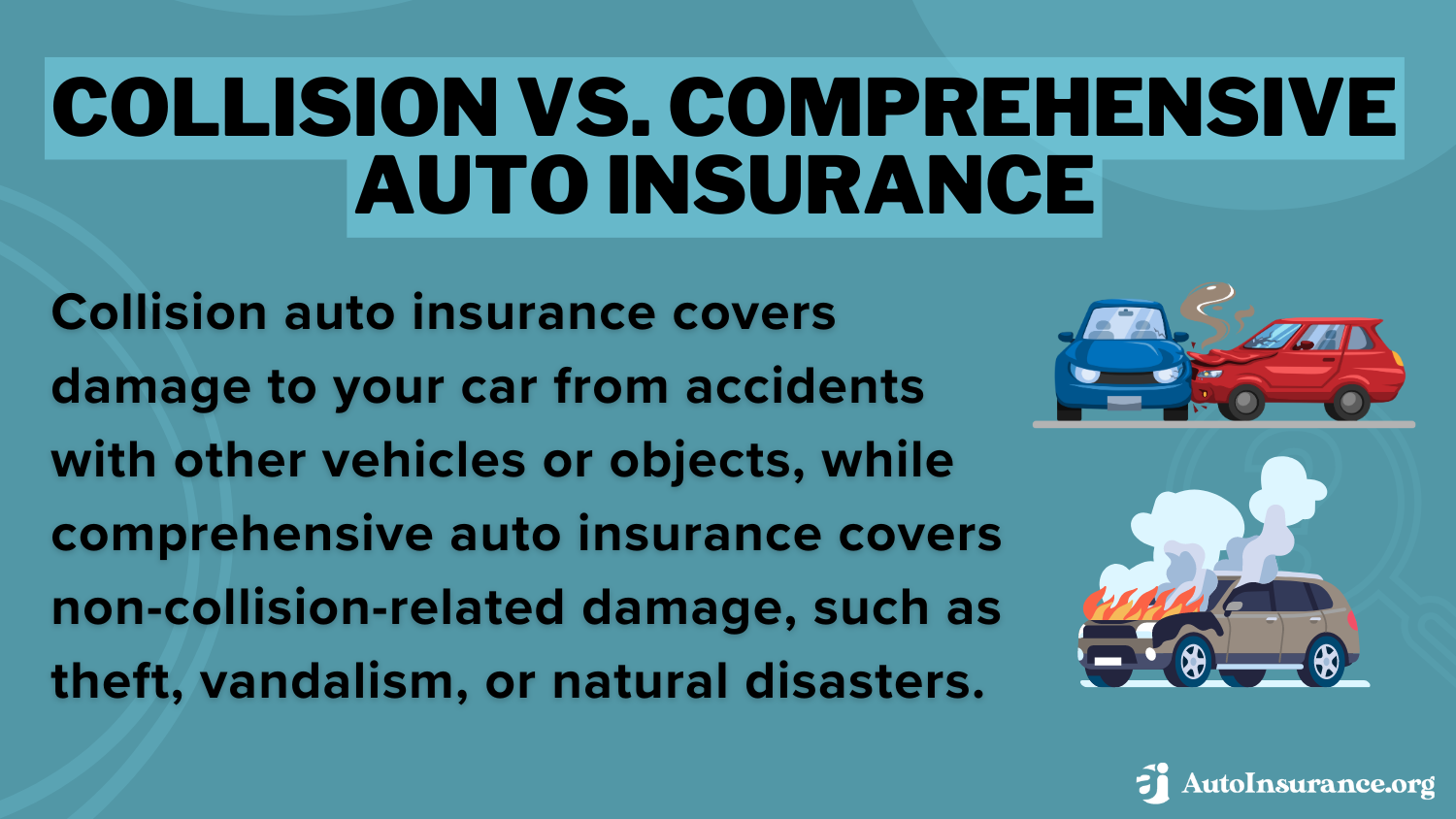
Comprehensive insurance, often referred to as "other than collision" coverage, is a critical component of a robust auto insurance policy. Unlike liability insurance, which covers damages you cause to others, or collision coverage, which addresses damage to your vehicle resulting from an accident with another object, comprehensive coverage is specifically tailored for external perils.
For many drivers, theft is one of the most stressful scenarios imaginable. When you carry comprehensive coverage with Allstate, you are essentially transferring the financial risk of total vehicle loss due to theft to the insurer. It is important to recognize that this is an optional coverage in most jurisdictions unless you are financing or leasing your vehicle, in which case the lender typically mandates it to protect their asset.
The Scope of Theft Protection: What is Covered?
When considering a theft claim, it is essential to understand exactly what is protected. Allstate’s comprehensive coverage generally applies to the entire vehicle if it is stolen and not recovered. If the vehicle is recovered, this coverage may also pay for repairs if the car was damaged during the theft or stripped of specific parts.
However, the definition of "theft" in insurance terms requires careful distinction. Comprehensive coverage typically addresses:
- Total Loss by Theft: If the police report and the subsequent investigation confirm the vehicle was stolen and remains unrecovered, Allstate will settle the claim based on the actual cash value (ACV) of the vehicle at the time of the loss.
- Partial Theft: If a thief breaks into your car and steals parts—such as your infotainment system, wheels, or custom equipment—comprehensive coverage generally applies to these repairs or replacements.
- Vandalism: Often grouped with theft, vandalism (such as broken windows or keyed paint) is usually covered under the same comprehensive umbrella.
It is equally important to know what is not covered. Personal property left inside the vehicle, such as a laptop, smartphone, or briefcase, is generally not covered by your auto policy. Those items typically fall under your homeowners or renters insurance policy.
Financial Mechanics: Deductibles and Actual Cash Value
Two primary factors dictate the final payout you receive from Allstate: your deductible and the vehicle’s Actual Cash Value (ACV).
The Deductible When you set up your policy, you select a deductible—the amount you agree to pay out of pocket before the insurance coverage kicks in. For example, if your deductible is $500 and your stolen vehicle has an ACV of $20,000, Allstate would issue a payment for $19,500. Choosing a higher deductible lowers your monthly premium, but it necessitates having those liquid funds available should a claim occur.
Actual Cash Value (ACV) Allstate determines the ACV by assessing the fair market value of your vehicle at the time of the loss. This is not the price you paid for the car, nor the amount left on your loan. It accounts for depreciation, mileage, the vehicle’s condition, and regional market trends. If your car is older or has significant wear and tear, the ACV may be lower than you anticipate.
| Component | Description | Impact on Claim |
|---|---|---|
| Deductible | Fixed amount selected at policy inception. | Reduces total insurance payout. |
| Actual Cash Value | Current market value minus depreciation. | Determines the baseline for settlement. |
| Police Report | Formal document filed with local authorities. | Mandatory evidence to process a theft claim. |
| Gap Insurance | Supplemental coverage for financed vehicles. | Covers the difference between loan balance and ACV. |
Steps to Take Following a Vehicle Theft
If you find that your vehicle has been stolen, acting quickly and methodically is vital to protecting your claim eligibility and facilitating the recovery process.
- Contact Law Enforcement Immediately: File a formal police report. You must obtain a copy of the report, as Allstate will require the report number and relevant details to initiate your claim. Without a police report, an insurance company cannot verify the theft.
- Notify Allstate: Report the loss as soon as possible via the Allstate mobile app, the official website, or by calling your local agent. The sooner you report the loss, the sooner the investigative process begins.
- Gather Documentation: Locate your vehicle’s title, registration, and any recent service records. These items assist the adjuster in establishing the vehicle’s value and verifying your ownership.
- Inform Your Lender: If your vehicle is financed or leased, notify your financial institution. They have a vested interest in the vehicle and will need to be involved in the settlement process if the car is not recovered.
- Monitor Your Claim: Once the claim is filed, an Allstate adjuster will be assigned. They will investigate the circumstances and verify the details provided in your police report.
The Role of Gap Insurance in Theft Scenarios
One of the most significant risks during a theft is the "gap" between what you owe your lender and what the insurance company pays out. If your vehicle is stolen, Allstate pays the ACV. If you owe $25,000 on an auto loan but the vehicle’s ACV is only $20,000, you are left responsible for paying the remaining $5,000 out of pocket.
If you have Gap Insurance—often sold as an endorsement or separate policy—it is designed specifically to cover this difference. If you are leasing or have a long-term loan with little equity in the car, verifying whether you have Gap coverage is a critical preventative measure.
Frequently Asked Questions
Will my insurance premiums increase after a theft claim? Generally, comprehensive claims, including theft, are considered "no-fault" incidents. Unlike at-fault accidents, filing a comprehensive claim is less likely to result in a significant premium hike, though this depends on your specific policy history and state regulations.
How long does the theft claim process take? The timeline varies. Many insurers institute a waiting period (often 14 to 30 days) to see if the vehicle is recovered by police. If the car is not found within that window, the claim typically proceeds toward a total loss settlement.
What happens if my car is found after the claim is settled? Once Allstate pays your claim, the vehicle legally becomes the property of the insurance company. If the police recover the vehicle after the settlement, the insurer will take possession of it. If you wish to keep the car, you would need to coordinate with the insurance company, which may involve returning the settlement funds.
Does comprehensive insurance cover stolen car parts? Yes. If items permanently attached to your vehicle, such as catalytic converters, wheels, or audio systems installed at the factory, are stolen, comprehensive coverage generally covers the repair or replacement cost.
Do I need a garage to qualify for theft protection? No. While keeping your vehicle in a secure garage can reduce the risk of theft and potentially influence premium discounts, it is not a prerequisite for having comprehensive coverage.
Strategic Considerations for Vehicle Security
While insurance is your safety net, implementing basic security measures remains the most effective way to prevent the loss of your vehicle. In 2026, technology has provided several layers of protection that insurance companies favor:
- Telematics and Tracking: Many modern vehicles come equipped with GPS tracking systems. If your car is stolen, this data is invaluable to law enforcement.
- Immobilizers: Standard in most vehicles manufactured in the last two decades, these electronic devices prevent the engine from starting without the correct key.
- Aftermarket Alarms: If your vehicle lacks advanced security features, installing a high-quality alarm system can deter theft and, in some cases, qualify you for a premium discount with Allstate.
Final Next Actions
To ensure you are properly covered, perform a brief "insurance checkup" today:
- Review your declarations page: Confirm that "Comprehensive" is listed and check your deductible amount.
- Verify your Gap coverage: If you still owe money on your vehicle, confirm you have coverage to protect against a shortfall in the event of a total loss.
- Store documentation: Keep a digital or physical copy of your insurance information, vehicle title, and police contact details in a secure location outside of your vehicle.
If you have questions regarding your specific coverage limits or if you wish to adjust your deductible, contact your Allstate representative to review your policy details. Understanding your coverage now, before an incident occurs, is the best way to ensure peace of mind on the road.