The American Ninja Warrior Junior competition serves as a scaled-down, youth-oriented spin-off of the highly popular American Ninja Warrior franchise. Across its three seasons, which aired between 2018 and 2021, the series showcased young athletes navigating challenging obstacle courses. The champions were determined by their performance in age-bracketed finals, with specific winners crowned for each season and age division.
The Origins and Format of the Competition
American Ninja Warrior Junior debuted in October 2018 on the Universal Kids network, bringing the intensity of the adult obstacle course competition to a younger demographic. The series was designed to emphasize athleticism, sportsmanship, and the personal growth of participants aged 9 to 14. Unlike the adult version, which focuses heavily on the grueling "Mount Midoriyama" climb, the junior iteration utilized a bracket-style tournament system.
Competitors were divided into three distinct age groups: 9–10, 11–12, and 13–14. This structure ensured that athletes were competing against peers of similar physical maturity. Each episode featured a series of head-to-head races where the fastest athlete to complete the course—or the one who progressed the furthest before falling—advanced to the next stage. This format forced contestants to balance speed with technical precision, as a single slip on an obstacle like the "Sonic Curve" or the "Sky Hooks" could cost them the victory.
Analyzing the Official Winners List
To understand the competitive landscape of the show, one must look at the specific individuals who rose to the top of their respective brackets. The winners were celebrated for their agility, grip strength, and ability to handle the immense pressure of a national broadcast.
| Season | Age Bracket (9-10) | Age Bracket (11-12) | Age Bracket (13-14) |
|---|---|---|---|
| Season 1 (2018) | Taylor Greene | Kyle McCreanor | Drew Nielson |
| Season 2 (2019) | Kai Beckstrand | Vance Walker | Kaden Lebsack |
| Season 3 (2021) | Joey DiGiovanni | Tiana Zito | Cooper Beckstrand |
Each of these winners became recognized figures within the competitive ninja community, with several later transitioning to the adult American Ninja Warrior circuit. The progression from the junior course to the full-size obstacles requires significant physical training, and the winners listed above are often cited as prime examples of how early exposure to the sport builds a foundation for long-term athletic success.
Athletic Requirements and Training Methodologies
Success in American Ninja Warrior Junior requires a specialized set of skills. While adult competitors often rely on immense upper-body strength and sheer reach, junior competitors must emphasize body control and weight-to-power ratios. Training centers, often referred to as "Ninja Gyms," emerged across the United States to facilitate this preparation. These facilities provide replicas of iconic obstacles such as the Salmon Ladder, the Warped Wall, and various hanging grip challenges.
For youth competitors, training is rarely about lifting heavy weights. Instead, it focuses on calisthenics, parkour, and rock climbing techniques. Core stability is paramount, as swinging through obstacles requires the ability to transfer momentum from the arms to the lower body without wasting energy. The winners mentioned in the table above frequently attributed their success to consistent, year-round training that included both physical repetition and mental preparation to handle the nerves associated with the competition lights and cameras.
The Evolution of the Course and Obstacles
Throughout the show’s three-season run, the obstacles evolved to test new types of movement. In early episodes, courses were designed to be manageable for a wider range of abilities, but by Season 3, the difficulty had scaled significantly. The introduction of obstacles like the "Super Salmon Ladder" or the "Floating Boards" required high-level coordination.
The producers of American Ninja Warrior Junior worked closely with safety coordinators to ensure that the scale of the obstacles remained appropriate for the ages of the competitors while still providing a professional-level challenge. This balance is critical; if an obstacle is too easy, the competition becomes purely about who can run faster, losing the technical "ninja" element. If it is too difficult, it risks discouraging participants and leading to a high volume of incomplete runs, which reduces the excitement of the head-to-head format.
Impact on the Competitive Ninja Community
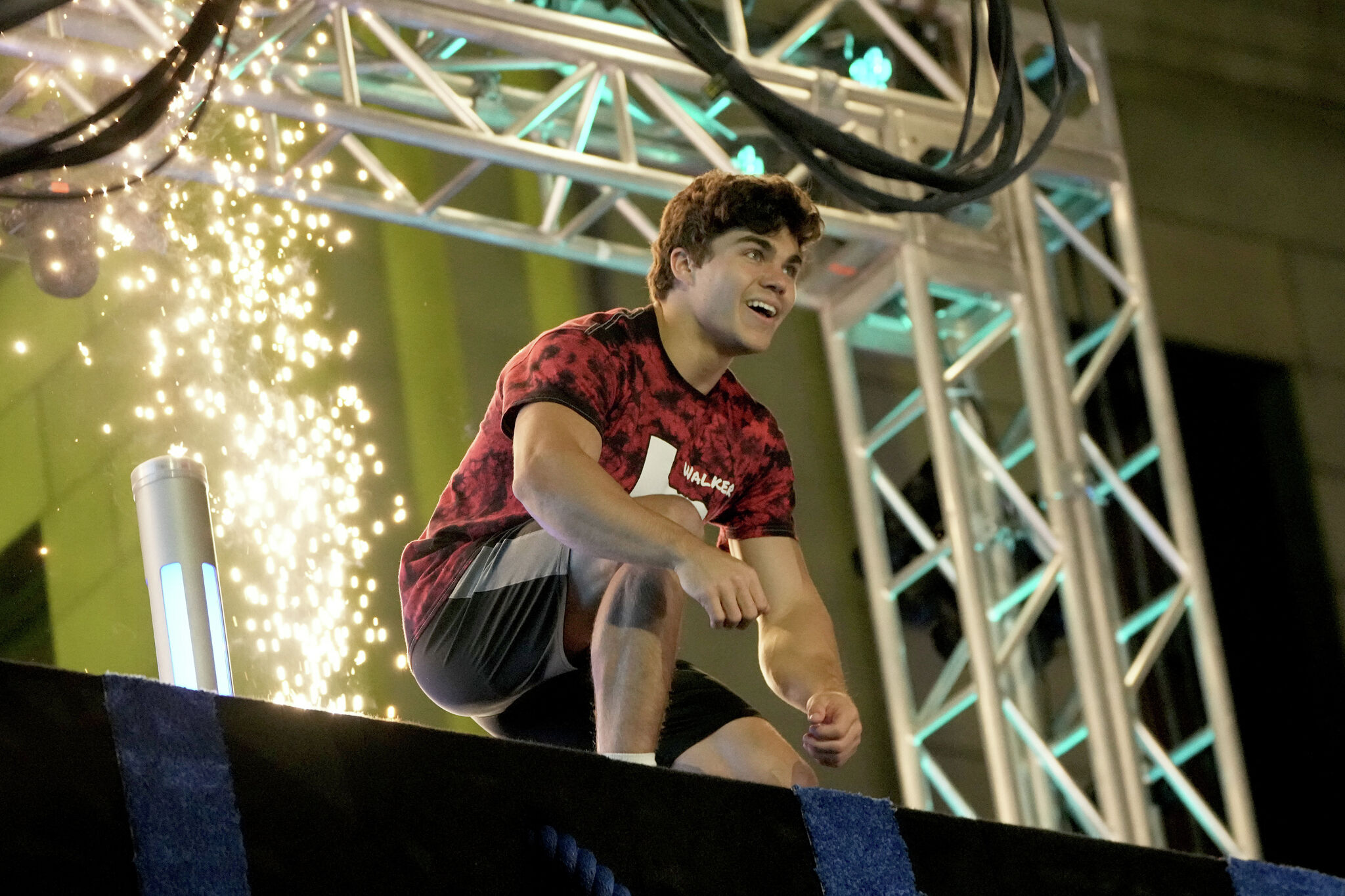
The American Ninja Warrior Junior winners list has become a legacy document for the sport. Many of the winners, such as Vance Walker and Kaden Lebsack, have successfully leveraged their junior success into professional athletic careers. Their performances on the adult version of the show have effectively bridged the gap between a "kids' television show" and the serious, high-stakes sport that American Ninja Warrior is today.
For young fans of the show, these winners represent what is possible through dedication. The accessibility of the sport—which can be practiced in a backyard with simple bars or at a dedicated facility—makes it a popular extracurricular activity. The visibility provided by the show turned "ninja" into a recognized athletic discipline, similar to gymnastics or track and field, rather than just a television novelty.
Prerequisites for Participation
While the show concluded production of new seasons in 2021, the community remains active, and the principles of the competition remain relevant for those seeking to enter the sport. If a young athlete wishes to pursue this path, they generally need to consider the following:
- Gym Membership: Access to a certified Ninja facility is the most effective way to learn proper landing techniques and safe falling, which prevents injury.
- Parkour Basics: Understanding how to move through space efficiently is as important as grip strength.
- Community Engagement: Joining regional leagues (such as the National Ninja League) allows youth to compete in a structured environment before or alongside applying for national televised events.
- Coaching: Working with experienced coaches helps identify weaknesses in movement patterns that a self-taught athlete might miss.
Frequently Asked Questions
Who were the most successful winners in American Ninja Warrior Junior? While every winner earned their title through superior performance, athletes like Vance Walker and Kaden Lebsack have gained significant acclaim for their later transitions to the adult American Ninja Warrior stage, where they continued to set records and complete advanced obstacles.
Are there still new seasons of American Ninja Warrior Junior being filmed? As of 2026, the series is not in active production. The three seasons aired between 2018 and 2021 remain the definitive record of the program. Fans interested in the sport now follow the athletes through professional independent leagues and the adult version of the show.
What was the age range for the competitors? The competition was open to children aged 9 to 14. They were strictly separated into three age brackets (9–10, 11–12, and 13–14) to ensure fairness in physical development and reach, as these factors significantly impact performance on high-reach obstacles.
How did the head-to-head format work? In the junior format, two athletes ran identical, parallel courses simultaneously. The first to hit the buzzer at the end of the course moved to the next round. If both athletes fell before the finish, the one who progressed further or achieved the finish in the fastest time was declared the winner of the heat.
Where can I see past episodes of the show? Episodes of American Ninja Warrior Junior are generally available through various digital streaming platforms and on-demand services provided by the parent network. Availability may vary by region and current licensing agreements.
Conclusion and Next Actions
The legacy of American Ninja Warrior Junior is defined by the incredible athletic development of its winners and participants. For those inspired by this list of champions, the best next step is to locate a local gym that focuses on obstacle course training. Engaging with a local community of athletes is the most effective way to develop the necessary physical skills, learn proper safety protocols, and enjoy the sport in a supportive environment. Whether you are aiming to one day compete in a televised event or simply looking to improve your overall fitness, the techniques used by these junior winners—persistence, focus, and technical agility—provide a perfect blueprint for success.