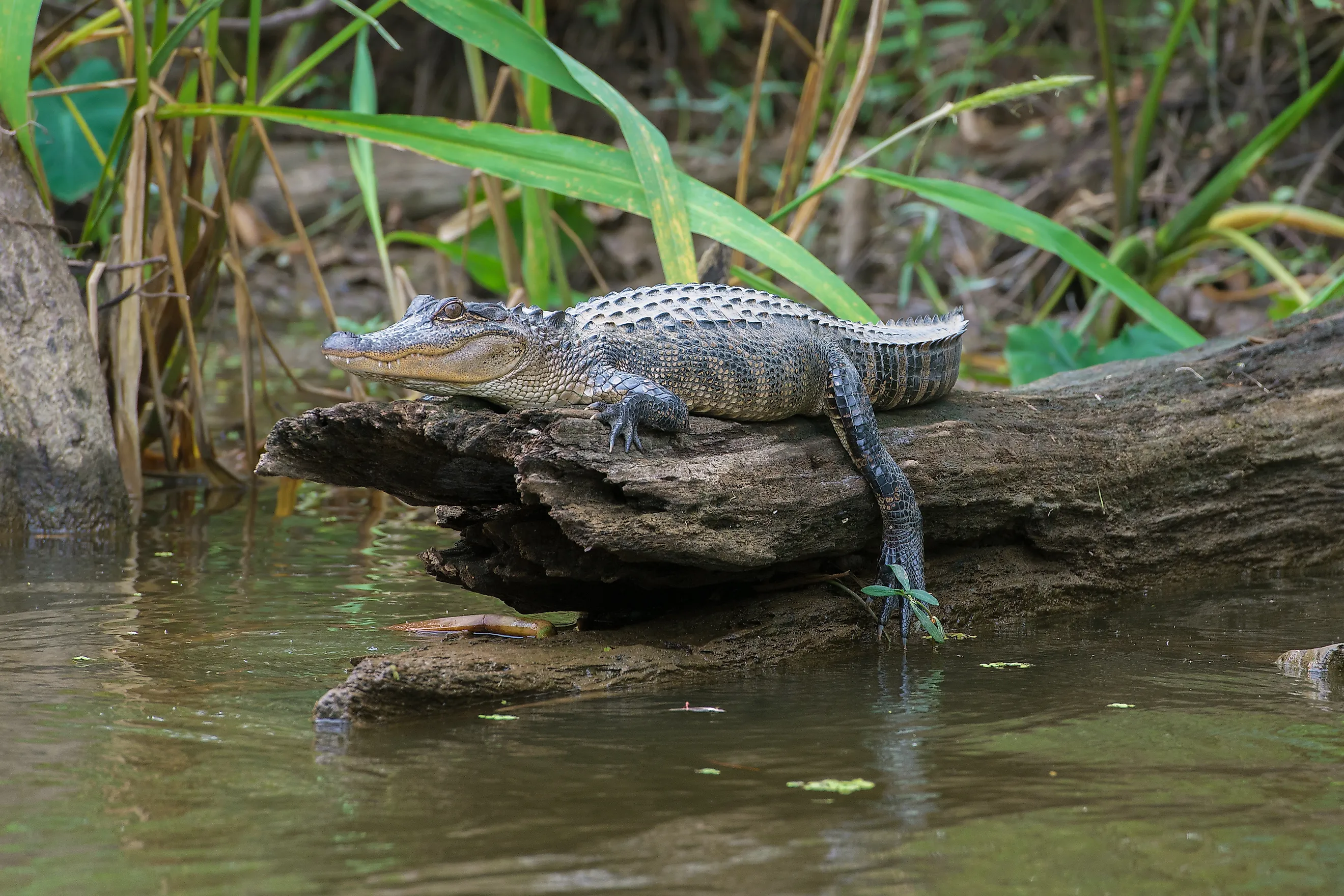
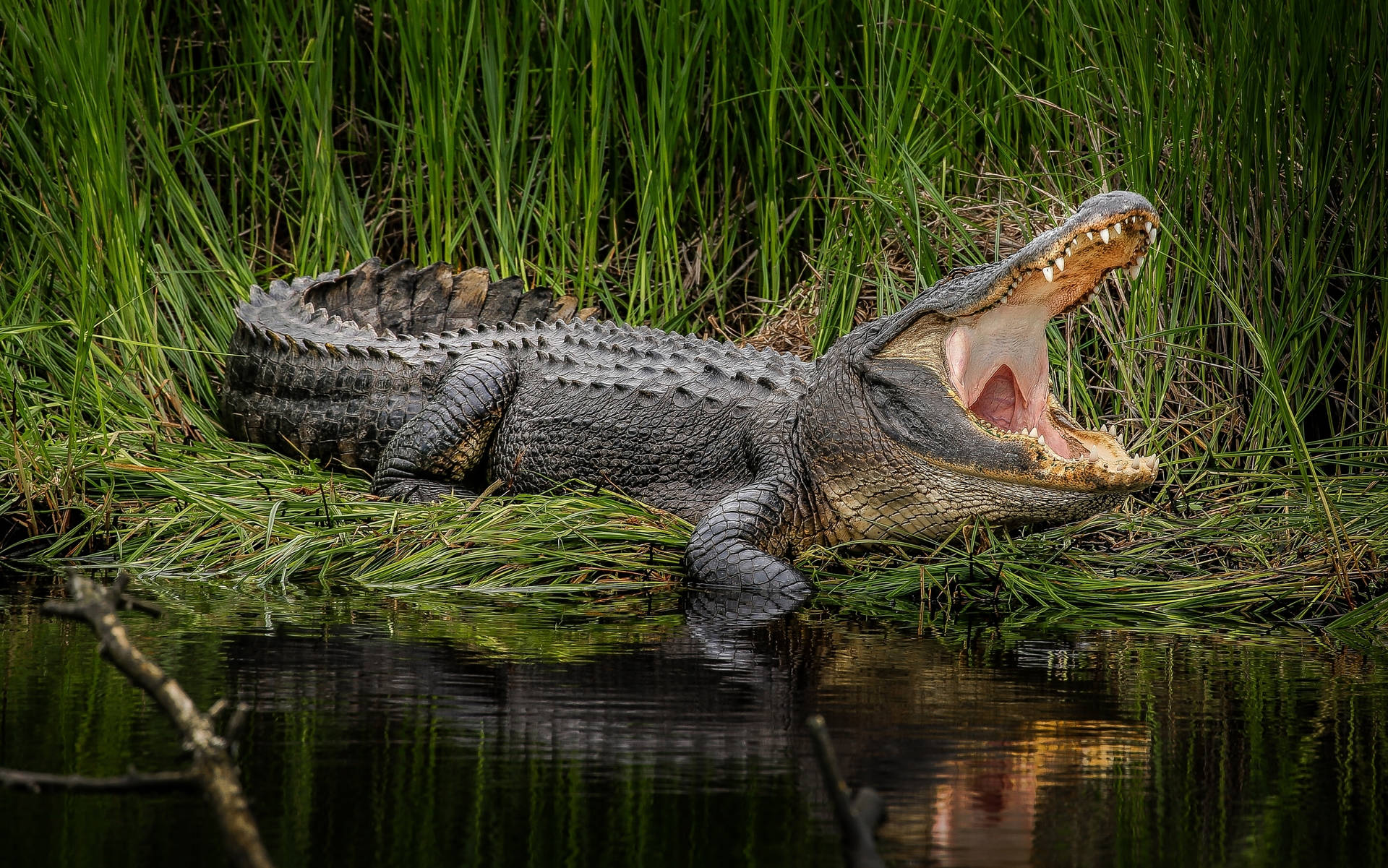
Alligators are keystone species in North American swamps, serving as apex predators and habitat engineers. By digging "alligator holes," they provide vital water sources for other wildlife during droughts. Their presence regulates prey populations and maintains the structural health of wetland environments across the Southeastern United States.
The Anatomy of a Swamp: The Alligator’s Primary Domain
To understand the alligator in swamp life and habitat, one must first understand the complex hydrology of the Southeastern United States. Alligators (Alligator mississippiensis) primarily inhabit freshwater environments such as cypress swamps, marshes, lakes, and slow-moving rivers. These ecosystems are characterized by fluctuating water levels, dense vegetation, and a high degree of biodiversity. In 2026, these habitats remain critical carbon sinks and flood-mitigation zones, where the alligator acts as a primary biological anchor.
A swamp is more than just standing water; it is a nutrient-rich environment where decaying organic matter supports a massive food web. The American alligator thrives in these "blackwater" environments, where tannins from decaying cypress needles turn the water a dark, tea-like color. This provides the perfect camouflage for a sit-and-wait predator. While they can tolerate brackish water for short periods, they lack the salt-secreting glands found in crocodiles, which generally limits their permanent residency to freshwater systems.
The structure of the swamp determines the alligator's daily routine. During periods of high water, alligators may disperse into flooded forests to hunt. However, when water levels drop, they retreat to deeper pools or channels. This seasonal movement is a defining characteristic of their life cycle, ensuring they remain in proximity to both prey and thermal refugia.
The Ecosystem Engineer: The "Alligator Hole" Phenomenon
One of the most significant contributions of the alligator to its habitat is its role as an ecosystem engineer. Alligators are known for creating "alligator holes"—depressions in the swamp floor that the animals clear of vegetation and debris using their snouts and tails. These holes serve a purpose far beyond the alligator’s own comfort.
During the dry season, as the surrounding marsh dries up, these holes remain filled with water. They become vital refuges for a wide variety of aquatic life, including fish, turtles, snails, and amphibians. These concentrations of prey, in turn, attract wading birds and small mammals. By maintaining these deep-water pockets, alligators ensure the survival of many species that would otherwise perish during seasonal droughts. Without the active maintenance provided by the alligator, these depressions would quickly fill with sediment and overgrown vegetation, leading to a loss of biodiversity.
Furthermore, the mounds of earth and vegetation that alligators displace while digging these holes often become elevated "islands." These mounds provide dry nesting sites for birds and other reptiles, and they allow for the growth of plant species that cannot survive in permanent standing water. This creates a mosaic of micro-habitats within the swamp, increasing the overall ecological complexity of the region.
Biological Adaptations for Semiaquatic Survival
The physical structure of the American alligator is a masterclass in evolutionary adaptation. Their bodies are streamlined for swimming, powered by a massive, muscular tail that acts as a rudder and primary thruster. In the swamp, where visibility can be low, alligators rely on a suite of specialized sensory organs to navigate and hunt.
One of the most critical adaptations is the presence of integumentary sensory organs (ISOs)—small, black pits located around the jaws. These organs can detect minute pressure changes and vibrations in the water, allowing the alligator to locate prey even in total darkness or murky conditions. This "sixth sense" makes them exceptionally efficient hunters in the cluttered environment of a cypress swamp.
For thermal regulation, alligators use their "osteoderms"—bony plates embedded in their skin. These plates act as solar heat collectors. When an alligator basks on a log or bank, blood vessels in the osteoderms absorb heat from the sun and distribute it throughout the body. As ectotherms, their metabolic rate is tied to the ambient temperature. In the 2026 climate landscape, maintaining this thermal balance is essential for their digestion and immune function, especially during the cooler months when they enter a state of brumation (a reptilian form of hibernation).
Dietary Patterns and Apex Predation
As apex predators, alligators play a crucial role in maintaining the balance of the swamp’s food web. Their diet is generalist and opportunistic, changing significantly as the animal grows. Hatchlings feed primarily on insects, small fish, and crustaceans. As they reach sub-adult and adult stages, their diet expands to include turtles, snakes, mammals like raccoons or nutria, and various bird species.
The hunting strategy of an alligator is defined by patience. They are ambush predators, often remaining motionless with only their eyes and nostrils above the water's surface. When prey comes within range, the alligator uses a rapid lateral strike. Their jaw pressure is among the highest in the animal kingdom, capable of crushing turtle shells with ease.
One of the most misunderstood aspects of alligator feeding is their role in controlling invasive species. In many parts of the Southeast, alligators are a primary natural check on populations of nutria (large invasive rodents) and even Burmese pythons in the Florida Everglades. By predating on these species, alligators help protect the native vegetation and smaller fauna that would otherwise be decimated by unchecked invasive populations.
Reproductive Cycles and Maternal Care
The reproductive cycle of the alligator is deeply tied to the seasonal rhythms of the swamp. Mating usually occurs in late spring, following a period of complex social interactions involving "bellowing" and "water dancing." These vocalizations can be heard for miles across the marsh and serve to establish dominance and attract mates.
In early summer, the female constructs a large mound nest made of soil, peat, and rotting vegetation. The heat generated by the decomposing plant matter provides the incubation necessary for the eggs. A fascinating biological detail is Temperature-dependent Sex Determination (TSD). The sex of the hatchlings is determined by the temperature within the nest during a critical period of incubation:
- Temperatures above 93°F (34°C) typically produce males.
- Temperatures below 86°F (30°C) typically produce females.
- Intermediate temperatures result in a mix of both.
Unlike many reptiles, female alligators exhibit significant maternal care. They guard the nest from predators like raccoons and opossums for approximately 65 days. When the hatchlings are ready to emerge, they emit high-pitched chirping sounds, prompting the mother to dig them out of the mound. She then gently carries them in her mouth to the water. The young "pods" of hatchlings will stay near their mother for up to a year or more, gaining protection from larger predators, including other alligators.
Alligator vs. Crocodile: Habitat and Biological Comparison
While often confused, alligators and crocodiles occupy different niches and have distinct physiological traits. In the United States, the American Alligator and the American Crocodile overlap only in the southern tip of Florida.
| Feature | American Alligator | American Crocodile |
|---|---|---|
| Snout Shape | Broad, U-shaped; designed for crushing. | Tapered, V-shaped; designed for fish-catching. |
| Water Preference | Primarily freshwater (swamps, lakes). | Brackish or saltwater (estuaries, lagoons). |
| Tooth Visibility | Only upper teeth visible when mouth is closed. | Both upper and lower teeth visible (4th lower tooth). |
| Salt Tolerance | Low (lacks active salt glands). | High (possesses specialized salt glands). |
| Coloration | Darker, gray-black. | Lighter, olive-brown or tan. |
| Typical Habitat | Inland wetlands and cypress swamps. | Coastal mangroves and salt marshes. |
Conservation Status and Coexistence in 2026
The story of the American alligator is one of the greatest successes in the history of wildlife conservation. Once listed as an endangered species due to unregulated hunting and habitat loss, the population rebounded after being protected under the Endangered Species Act in 1973. By the late 1980s, they were removed from the endangered list and are currently classified as "Least Concern" by the IUCN Red List of Threatened Species.
In 2026, management focuses on coexistence and habitat preservation. As human development encroaches on wetland areas, "nuisance alligator" programs have become a necessary part of wildlife management. However, experts emphasize that alligators are naturally wary of humans and generally avoid conflict unless they have been fed (which causes them to lose their fear) or are defending a nest.
Current research also monitors the impacts of climate change on alligator populations. Rising sea levels lead to saltwater intrusion in freshwater swamps, which can reduce suitable habitat for hatchlings. Furthermore, shifting temperature averages may skew the sex ratios of hatchlings, potentially impacting long-term population stability. Protecting the "swamp life" as a whole is the most effective way to ensure the alligator remains a permanent fixture of the American landscape.
Frequently Asked Questions
Do alligators live in swamps all year round?
Yes, alligators are permanent residents of their swamp habitats. During the winter months, they enter a state called brumation. They may remain at the bottom of a pond or in a burrow, occasionally surfacing to breathe. Their metabolism slows down significantly, allowing them to survive for months without eating until temperatures rise again in the spring.
Why are alligators called "keystone species"?
A keystone species is one that has a disproportionately large effect on its natural environment relative to its abundance. Alligators earn this title because their "alligator holes" provide essential water and habitat for dozens of other species during dry periods. Without alligators, the swamp ecosystem would undergo a dramatic loss of biodiversity and structural change.
How long can an alligator stay underwater in a swamp?
On average, a submerged alligator can stay underwater for 20 to 30 minutes while active. However, if they are resting and the water is cool, they can stay submerged for several hours. In extreme cold, they have even been known to survive by staying in the water with just their snout above the surface as it freezes around them (icing behavior).
Is it safe to kayak in a swamp with alligators?
Kayaking in alligator habitats is generally safe as long as you maintain a respectful distance (at least 60 feet). Alligators are typically timid and will slide into the water to get away from people. The primary safety rules are to never feed alligators, avoid kayaking at dusk or dawn when they are most active, and never approach a nest or a group of hatchlings.
What is the biggest threat to alligators in 2026?
The primary threat remains habitat loss and fragmentation. While their populations are stable, the drainage of wetlands for agriculture or urban development reduces the space available for them to hunt and breed. Additionally, chemical runoff and pollution in swamp water can accumulate in these apex predators, affecting their reproductive health and longevity.
Practical Recommendations for Swamp Observation
If you are planning to visit a swamp to observe alligators in their natural habitat, follow these expert guidelines to ensure a safe and educational experience:
- Use Binoculars: Always observe from a distance. If an alligator starts hissing or moving toward you, you are too close.
- Visit During Basking Hours: The best time to see alligators is on sunny mornings when they are hauled out on logs or banks to regulate their body temperature.
- Respect the Nest: During the summer months, stay far away from mounds of vegetation near the water's edge. Female alligators are extremely protective of their nests and can move surprisingly fast over short distances on land.
- Support Wetland Conservation: Organizations like the Audubon Society and local land trusts work to preserve the cypress swamps that alligators depend on. Supporting these initiatives helps maintain the entire ecosystem.
- Keep Pets on Leash: In swamp environments, small pets can be mistaken for natural prey (like raccoons). Always keep dogs away from the water's edge in known alligator habitats.