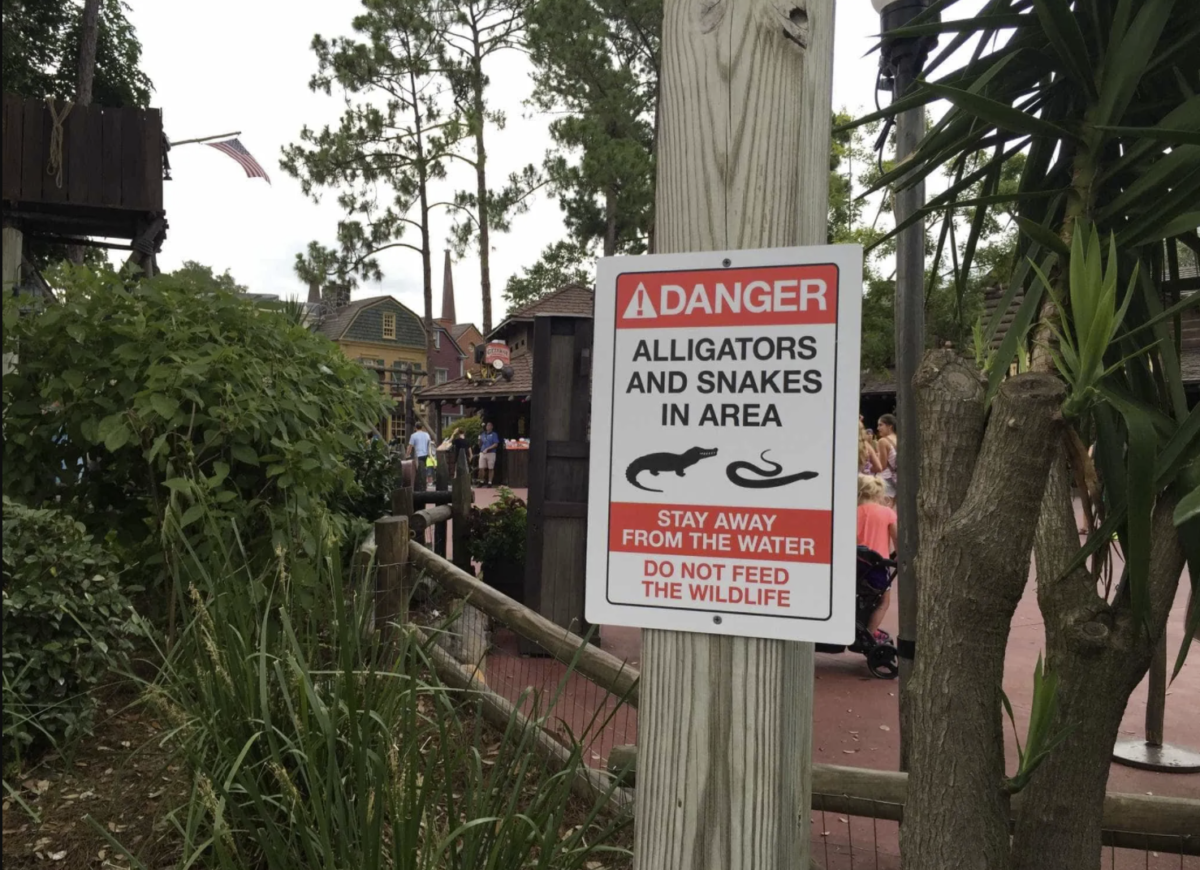
Alligator attacks in Disney parks, most notably the tragic 2016 event at the Grand Floridian Resort, sparked intense global debate regarding corporate liability, guest safety, and the management of indigenous wildlife within tourist corridors. Disney responded by implementing fortified barriers, explicit warning signage, and aggressive alligator removal programs, fundamentally altering the "Disney Bubble" safety perception.
The Catalyst of Public Debate: The 2016 Grand Floridian Incident
The discourse surrounding alligator safety at Walt Disney World Resort changed forever on the night of June 14, 2016. Two-year-old Lane Thomas Graves was playing near the water's edge at the Seven Seas Lagoon, located at Disney’s Grand Floridian Resort & Spa, when he was snatched by an American alligator. Despite his father’s desperate attempts to rescue him, the toddler was pulled into the water. His body was recovered intact the following day; the cause of death was drowning and traumatic injuries.
Before this tragedy, the prevailing public sentiment—and arguably the internal corporate culture—viewed Disney World as a sanctuary where the dangers of the natural Florida environment were filtered out. The Seven Seas Lagoon, while a man-made body of water, is connected to natural waterways, making it accessible to local wildlife. The incident shattered the illusion of absolute controlled safety, leading to immediate questions about why a resort in the heart of Florida’s alligator country did not have explicit warning signs about the predators.
The debate that followed was polarized. One side argued that Disney, as a premier global destination, had a non-delegable duty to warn guests—many of whom were from out of state or international locations—of the specific presence of alligators. The other side contended that alligators are a known, inherent risk in Florida, and that "No Swimming" signs should have been sufficient to keep guests away from the water's edge.
Evolution of Safety Protocols: 2016 to 2026
In the decade following the incident, Disney's approach to guest safety and wildlife interaction underwent a massive transformation. As of 2026, the visible and invisible safety measures integrated into the parks are a testament to the lessons learned from the legal and ethical fallout of the Graves tragedy.
Physical Barriers and Infrastructure
Immediately following the attack, Disney began constructing a permanent stone wall and wrought-iron fence along the beaches of the Seven Seas Lagoon. These barriers serve as a psychological and physical deterrent, preventing small children from easily accessing the shoreline while making it significantly more difficult for alligators to haul themselves onto guest-populated areas.
These infrastructure changes were not limited to the Grand Floridian. Similar reinforcements were added to the Polynesian Village Resort, Fort Wilderness Resort & Campground, and the Contemporary Resort. The goal was to balance the aesthetic appeal of a lakeside "tropical" resort with the harsh reality of Florida's ecosystem.
Transparency in Signage
The most significant change was the shift in communication. Prior to June 2016, signs near the lagoons simply stated "No Swimming." Critics argued this suggested a risk of drowning or water quality issues, rather than a predatory threat. Within weeks of the attack, Disney replaced these with explicit warnings: "DANGER: ALLIGATORS AND SNAAKES IN AREA. STAY AWAY FROM THE WATER. DO NOT FEED THE WILDLIFE."
By 2026, these warnings have been standardized across all Florida properties. They include pictograms to ensure that non-English speaking guests and children understand the gravity of the risk. This transition represents a move away from "brand perfection" toward "informed consent," acknowledging that nature cannot be entirely manicured out of the Florida experience.
The Role of the Florida Fish and Wildlife Conservation Commission (FWC)
Disney’s wildlife management strategy relies heavily on a partnership with the Florida Fish and Wildlife Conservation Commission (FWC). Under the Statewide Nuisance Alligator Program (SNAP), alligators that are at least four feet in length and believed to pose a threat to people, pets, or property are considered "nuisance alligators."
Nuisance Alligator Removal Statistics
Disney has historically been one of the most active participants in alligator removal. According to FWC records, hundreds of alligators have been removed from Disney properties since 2016. The company employs contracted nuisance alligator trappers who monitor the waterways 24/7.
The debate here often touches on environmental ethics. While safety is paramount, some conservationists argue that the constant removal of apex predators from their natural habitats can disrupt local ecosystems. However, the legal and social pressure to ensure zero contact between guests and gators has made aggressive removal the standard operating procedure for the Central Florida Tourism Oversight District (formerly Reedy Creek).
| Safety Category | Pre-2016 Standards | 2026 Standards |
|---|---|---|
| Signage Content | General "No Swimming" | Explicit "Danger: Alligators" with pictograms |
| Physical Access | Open shoreline/beaches | Stone walls, fences, and reinforced barriers |
| Staff Training | General safety/Guest relations | Specialized wildlife spotting and reporting |
| Guest Messaging | Minimal wildlife warnings | In-app alerts, resort literature, and verbal cues |
| Monitoring | Reactive removal | Proactive, 24/7 contracted trapping |
| Public Education | Implicit understanding of Florida | Explicit education via the Lane Thomas Foundation |
Legal and Ethical Implications: Duty of Care
The debate over alligator attacks at Disney often centers on the legal doctrine of "duty of care." Under Florida law, a business owner has a duty to warn invitees of "latent or concealed" perils which are or should be known to the owner, but which are not known to the invitee and cannot be discovered through the exercise of due care.
The core of the legal debate was whether an alligator in a Florida lagoon is a "latent peril" or an "obvious danger." For a local resident, an alligator in a pond is an obvious danger. However, for a tourist from London or New York, the expectation is that a Disney resort is a controlled environment.
Disney eventually reached a confidential settlement with the Graves family. In a move that shifted the debate from litigation to legacy, the family established the Lane Thomas Foundation, which focuses on supporting families of children seeking non-directed organ donations. Disney has remained a supporter of this foundation, signaling a corporate shift toward long-term accountability rather than just short-term crisis management.
Managing the "Disney Bubble" Perception
One of the most complex aspects of this debate is the "Disney Bubble"—the psychological state where guests feel they are in a magical world where nothing bad can happen. For decades, Disney’s marketing reinforced this sense of total security. When an alligator attack occurs, it causes a profound cognitive dissonance that can damage the brand’s reputation more than a similar incident occurring at a local public park.
In 2026, the debate continues regarding how much Disney should "break the magic" to ensure safety. Some guests complain that the fences ruin the view of the fireworks from the beach. Others argue that the presence of "Danger" signs is a grim reminder of a tragedy they would rather forget while on vacation. However, the consensus among safety experts is that "breaking the magic" is a necessary trade-off for preventing loss of life.
The Biological Reality of Alligators in Man-Made Waterways
To understand why the debate is so persistent, one must understand the biology of the Alligator mississippiensis. Florida is home to approximately 1.3 million alligators. They are found in all 67 counties and inhabit almost all fresh and brackish water bodies.
Why Disney Waterways Attract Alligators
- Connectivity: The Seven Seas Lagoon and Bay Lake are connected to natural canals that lead to larger wilderness areas.
- Food Sources: While Disney strictly prohibits feeding wildlife, guests often drop food or intentionally feed birds and fish, which in turn attracts alligators.
- Habitat: The manicured edges of resort lagoons provide perfect basking spots (prior to the installation of walls).
Alligators are naturally wary of humans, but they can lose this fear if they associate people with food. This biological reality means that as long as Disney exists in Florida, the risk can be mitigated but never entirely eliminated. The 2026 safety protocols reflect this "mitigation over elimination" strategy.
Guest Responsibility and Best Practices
While Disney has spent millions on infrastructure, a significant part of the ongoing debate concerns guest behavior. Safety experts emphasize that visitors play a crucial role in maintaining a safe environment.
- Respect the Barriers: Fences and walls are not suggestions; they are designed to keep humans and predators separated.
- Supervise Children: Alligator attacks on humans are rare, but small children are at the highest risk due to their size. Constant supervision near any water body in Florida is essential.
- Do Not Feed Wildlife: Feeding even a small fish or a bird can attract larger predators to the area.
- Be Aware of Peak Activity: Alligators are most active between dusk and dawn. Avoiding the water's edge during these times is a critical safety measure.
The Future of Wildlife Management in Theme Parks
Looking forward from 2026, the technology used to manage wildlife is expected to advance. Innovations such as AI-monitored camera systems that can detect the heat signature or movement patterns of an alligator near guest areas are already being discussed in the industry. These systems could provide real-time alerts to security teams before an alligator even reaches the shoreline.
The debate sparked by alligator attacks has forced a more mature conversation about the intersection of tourism and the natural world. It has moved the industry away from the "illusion of safety" and toward a model of "managed risk."
FAQ
How common are alligator attacks at Disney World?
Alligator attacks at Disney World are extremely rare. Since the park opened in 1971, there have been very few reported incidents of contact, with the 2016 tragedy being the only recorded fatality. The aggressive removal and monitoring programs in place significantly reduce the statistical likelihood of an encounter.
Can you swim in the lakes at Disney World?
No, swimming is strictly prohibited in all lagoons and lakes at Disney World. This is not only due to the risk of alligators and snakes but also because of the presence of Naegleria fowleri, a naturally occurring "brain-eating" amoeba found in warm Florida freshwaters.
Does Disney remove all alligators found on its property?
Disney works with the FWC to remove alligators that are four feet or longer or those that exhibit bold behavior toward humans. Smaller alligators may be monitored, but the policy generally favors removal to ensure maximum guest safety.
Is the Seven Seas Lagoon a natural lake?
No, the Seven Seas Lagoon is a man-made body of water. However, it was excavated from a natural marshy area and is connected to Bay Lake (a natural lake) via a water bridge. This connectivity allows native Florida wildlife to move in and out of the resort waterways.
What should I do if I see an alligator at a Disney park?
If you spot an alligator on Disney property, do not approach it or attempt to feed it. Immediately notify the nearest Disney Cast Member or resort security. They have established protocols to contact wildlife management teams for safe removal.
Practical Recommendation for Visitors
When visiting any Florida resort, including Disney, it is vital to remember that the state's natural ecosystem is always present, regardless of how manicured the lawns appear. Always adhere to posted signage, remain behind physical barriers, and educate children about the importance of staying away from the water's edge. By acknowledging the reality of the Florida environment, guests can enjoy the "magic" while maintaining a high standard of personal safety.