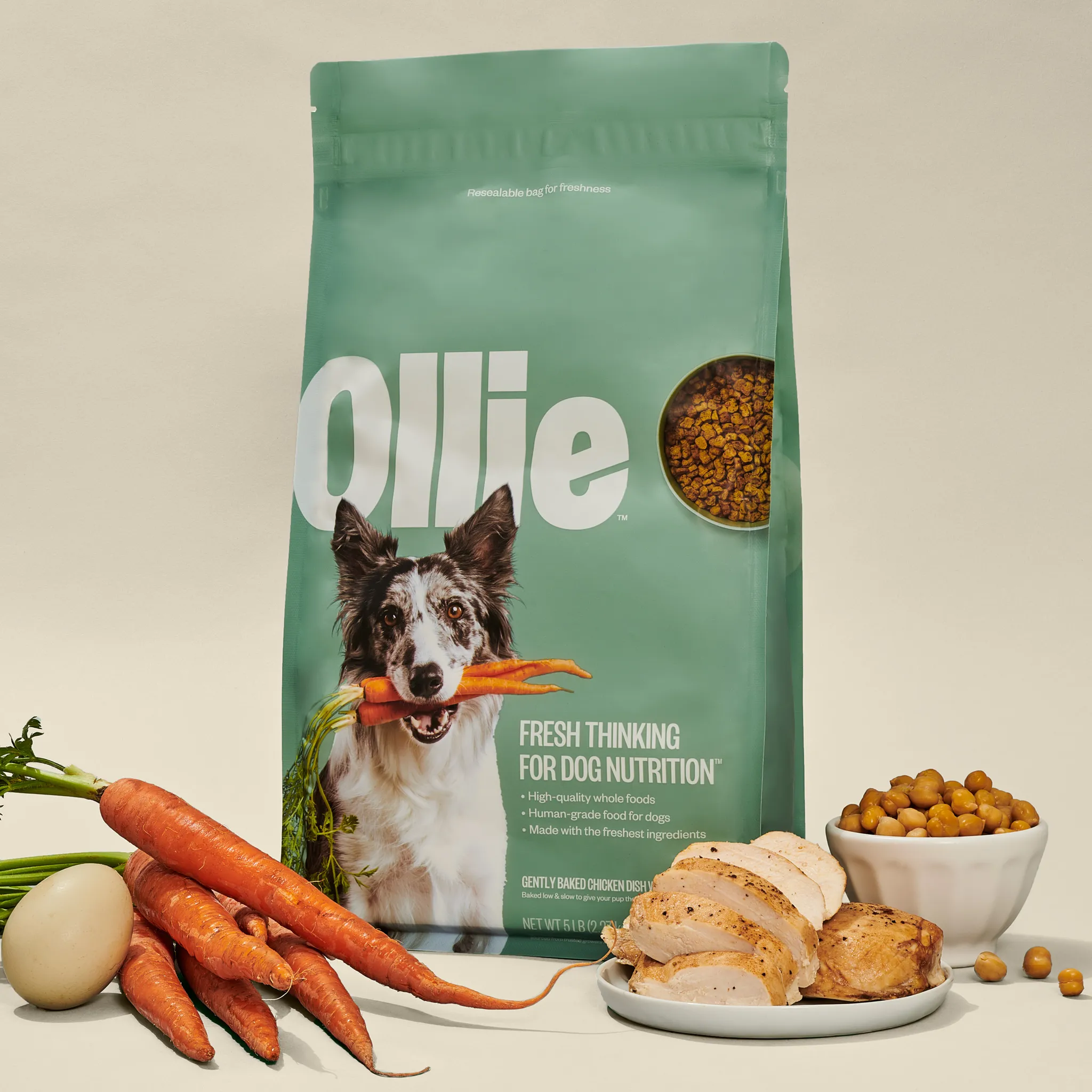
Allergen-free dog food identifies and excludes specific proteins or additives that trigger adverse immune responses in canines. In the 2026 market, these diets primarily consist of hydrolyzed protein formulas, limited ingredient diets (LID), and novel protein sources designed to manage symptoms like chronic itching, ear infections, and gastrointestinal distress through precise nutritional elimination.
Understanding the Landscape of Canine Food Sensitivities
As we navigate the pet care landscape in 2026, the distinction between a true food allergy and food intolerance has become a cornerstone of veterinary medicine. While often used interchangeably by pet owners, these conditions involve different biological mechanisms and require specific dietary interventions.
A true food allergy is an immune system overreaction. When a dog consumes a specific protein—most commonly beef, dairy, chicken, or wheat—their immune system identifies it as a threat and produces antibodies, specifically Immunoglobulin E (IgE). This leads to the release of histamine, causing the classic symptoms of atopic dermatitis (skin inflammation) and pruritus (itching).
Conversely, food intolerance is a digestive issue rather than an immune one. It is similar to lactose intolerance in humans, where the dog's body lacks the necessary enzymes to break down a specific ingredient. While the symptoms, such as diarrhea or gas, can be distressing, they do not involve the same systemic inflammatory response as an allergy. Allergen-free dog food in the market today is formulated to address both concerns by simplifying the ingredient list or altering the molecular structure of the proteins involved.
The Evolution of Hypoallergenic Diets in 2026
The market for allergen-free pet nutrition has expanded significantly. In 2026, pet owners have access to sophisticated options that go far beyond the basic "grain-free" labels of previous decades. The industry now categorizes these foods into three primary therapeutic tiers: hydrolyzed diets, novel protein diets, and limited ingredient diets.
Hydrolyzed Protein Diets: The Scientific Gold Standard
Hydrolyzed diets represent the pinnacle of allergen-free engineering. Through a process called hydrolysis, proteins are chemically broken down into tiny fragments known as peptides. These fragments are measured in Daltons; in many 2026 veterinary-grade formulas, the proteins are reduced to a molecular weight so low (often below 3,000 Daltons) that the dog’s immune system cannot recognize them as allergens.
These diets are frequently used by veterinarians as "diagnostic tools" during an elimination trial. Because the protein source (often soy or poultry) is essentially "invisible" to the immune system, if a dog's symptoms resolve while on this diet, a food allergy is confirmed.
Novel Protein Diets: Beyond Beef and Chicken
For owners seeking a more "natural" or less processed approach, novel protein diets utilize protein sources that the dog has never been exposed to before. The logic is simple: an immune system cannot be allergic to something it hasn't encountered. In the current market, traditional novel proteins like lamb and fish have become so common that many dogs have developed sensitivities to them. Consequently, the 2026 market has embraced more exotic options:
- Kangaroo: Extremely lean and rarely found in standard kibble.
- Rabbit: Highly digestible and distinct from common poultry.
- Venison: A rich source of B vitamins with a unique protein structure.
- Alligator or Brushtail: Often reserved for the most severe, multi-allergy cases.
Limited Ingredient Diets (LID)
Limited ingredient diets are designed for simplicity. Unlike standard commercial kibble, which may contain dozens of ingredients and "hidden" proteins in the form of natural flavors or fats, an LID typically focuses on one protein source and one carbohydrate source. This simplicity makes it easier for owners to monitor exactly what is entering their dog's system.
Emerging Trends: Insect Protein and Precision Fermentation
A major development in the 2026 allergen-free dog food market is the mainstreaming of alternative protein sources. Insect-based proteins, primarily from Black Soldier Fly Larvae (BSFL) or crickets, have gained massive traction. These are considered "hypoallergenic" because they are biologically distant from the mammalian and avian proteins that typically cause reactions.
Furthermore, precision fermentation—a process where microbes are "programmed" to produce specific proteins without the need for animal farming—has introduced ultra-pure protein sources into the premium market. These lab-grown proteins offer a level of purity and consistency that is difficult to achieve with traditional animal rendering, virtually eliminating the risk of cross-contamination.
Comparison of Allergen-Free Dog Food Categories
| Diet Type | Primary Mechanism | Best For | Availability |
|---|---|---|---|
| Hydrolyzed Protein | Molecular breakdown of proteins to prevent immune recognition. | Severe allergies; diagnostic elimination trials. | Veterinary Prescription |
| Novel Protein | Uses rare proteins the dog hasn't encountered before. | Long-term management of known sensitivities. | Specialty Retail / Vet |
| Limited Ingredient (LID) | Minimizes the number of potential triggers in the recipe. | Mild sensitivities; owners who want "clean" labels. | Commercial Retail |
| Insect Protein | Uses invertebrate protein sources. | Environmentally conscious owners; multi-protein allergies. | Specialty Retail |
| Plant-Based/Vegan | Eliminates all animal-derived proteins. | Specific beef/chicken/dairy allergies; uric acid issues. | Commercial / Specialty |
Identifying the Culprits: Common Allergens to Avoid
While every dog is an individual, data from 2026 veterinary surveys indicate that a small group of ingredients remains responsible for the vast majority of adverse food reactions. If you are searching for allergen-free dog food in the market, your first step is usually to audit your current food for the following:
- Beef: Historically the most common allergen due to its prevalence in the pet food industry.
- Dairy: Many dogs lack the lactase enzyme, leading to both intolerance and allergy.
- Chicken: Like beef, its widespread use has led to increased sensitization in the canine population.
- Wheat/Gluten: While less common than protein allergies, some breeds (like Irish Setters) have a genetic predisposition to gluten sensitivity.
- Soy: Occasionally used as a filler, though it is the protein in soy that causes the reaction.
It is important to note that "grain-free" does not mean "allergen-free." Many grain-free foods simply replace wheat with peas or lentils, which can also be triggers for some dogs. True allergen-free feeding requires identifying the specific protein that triggers your dog.
The Elimination Diet: A Step-by-Step Approach
Choosing a food from the shelf is only half the battle. To truly solve an allergy problem, veterinarians in 2026 still recommend the "Gold Standard": the 8-to-12-week elimination trial.
- Step 1: Complete Transition. Move the dog entirely to a prescription hydrolyzed or strict novel protein diet.
- Step 2: Strict Adherence. This is the most difficult stage. The dog cannot have anything else. This includes flavored heartworm preventatives, rawhides, table scraps, and even "hypoallergenic" treats not approved for the trial.
- Step 3: Observation. Monitor skin condition, ear redness, and stool consistency. It often takes 4-6 weeks for the skin to begin healing and up to 12 weeks for the full effect to be visible.
- Step 4: Re-Challenge (Optional). To confirm the allergy, owners can reintroduce the old food. If symptoms return within days, the allergen is confirmed.
Reading the Label: Red Flags in 2026
Even in 2026, labeling can be complex. When shopping for allergen-free dog food in the market, be wary of ambiguous terms. "Animal Fat" or "Meat By-Products" are non-specific and can contain traces of the very allergens you are trying to avoid. Look for labels that specify the source, such as "Duck Fat" or "Kangaroo Meal."
Additionally, cross-contamination is a significant concern. Large-scale manufacturing plants often process multiple formulas on the same equipment. Premium allergen-free brands now often feature a "Certified Allergen-Clean" seal, indicating that the production lines are sanitized or dedicated solely to hypoallergenic batches.
Note: This article is for informational purposes only and does not constitute medical advice. Always consult with a licensed veterinarian before making significant changes to your pet’s diet, especially if they have underlying health conditions.
Frequently Asked Questions
What is the fastest way to tell if my dog has a food allergy?
The most reliable indicator is the "itch that rashes." If your dog is constantly licking their paws, scratching their ears, or rubbing their face against furniture, and there is no evidence of fleas or environmental triggers, a food allergy is a high probability. Chronic ear infections are also a major red flag. Skin testing and blood tests for food allergies exist but are generally considered less reliable than an elimination diet trial.
Can a dog suddenly develop an allergy to a food they’ve eaten for years?
Yes. Allergies are a result of sensitization. A dog’s immune system must be exposed to a protein multiple times before it decides to flag it as an "invader." It is very common for a dog to eat a chicken-based diet for three or four years before suddenly developing an allergic reaction to it.
Is "Grain-Free" dog food the same as allergen-free?
No. In the 2026 market, it is well-understood that most canine allergies are triggered by animal proteins (beef, chicken, dairy), not grains. While some dogs are indeed sensitive to wheat or corn, buying a grain-free food that still contains chicken will not help a dog with a chicken allergy. You must focus on the protein source.
Are "Hypoallergenic" and "Limited Ingredient" the same thing?
Not exactly. "Hypoallergenic" is a broad term usually implying the food is less likely to cause a reaction (often through hydrolyzed proteins). "Limited Ingredient" simply means the recipe has fewer components. A limited ingredient diet can still contain common allergens like beef; it just won't contain many other things. Always check the specific ingredients.
How do I handle treats when my dog is on an allergen-free diet?
During an elimination trial, you should only use treats made from the same protein as the main food. Many manufacturers of hydrolyzed or novel protein diets also produce matching treats. Alternatively, some owners use pieces of the kibble itself as rewards to ensure no outside allergens are introduced.
Final Recommendations for Pet Owners
Managing a dog with food allergies requires patience and precision. The 2026 market offers more solutions than ever, from lab-grown proteins to advanced hydrolyzed formulas. Your first step should always be a consultation with your veterinarian to rule out parasites or environmental factors. Once a food allergy is suspected, prioritize a strict elimination trial using a high-quality hydrolyzed or novel protein diet. Remember that consistency is key; even a single crumb of a "forbidden" protein can reset the clock on your dog's recovery. By focusing on ingredient transparency and scientific formulation, you can successfully navigate the market and provide your dog with a symptom-free life.