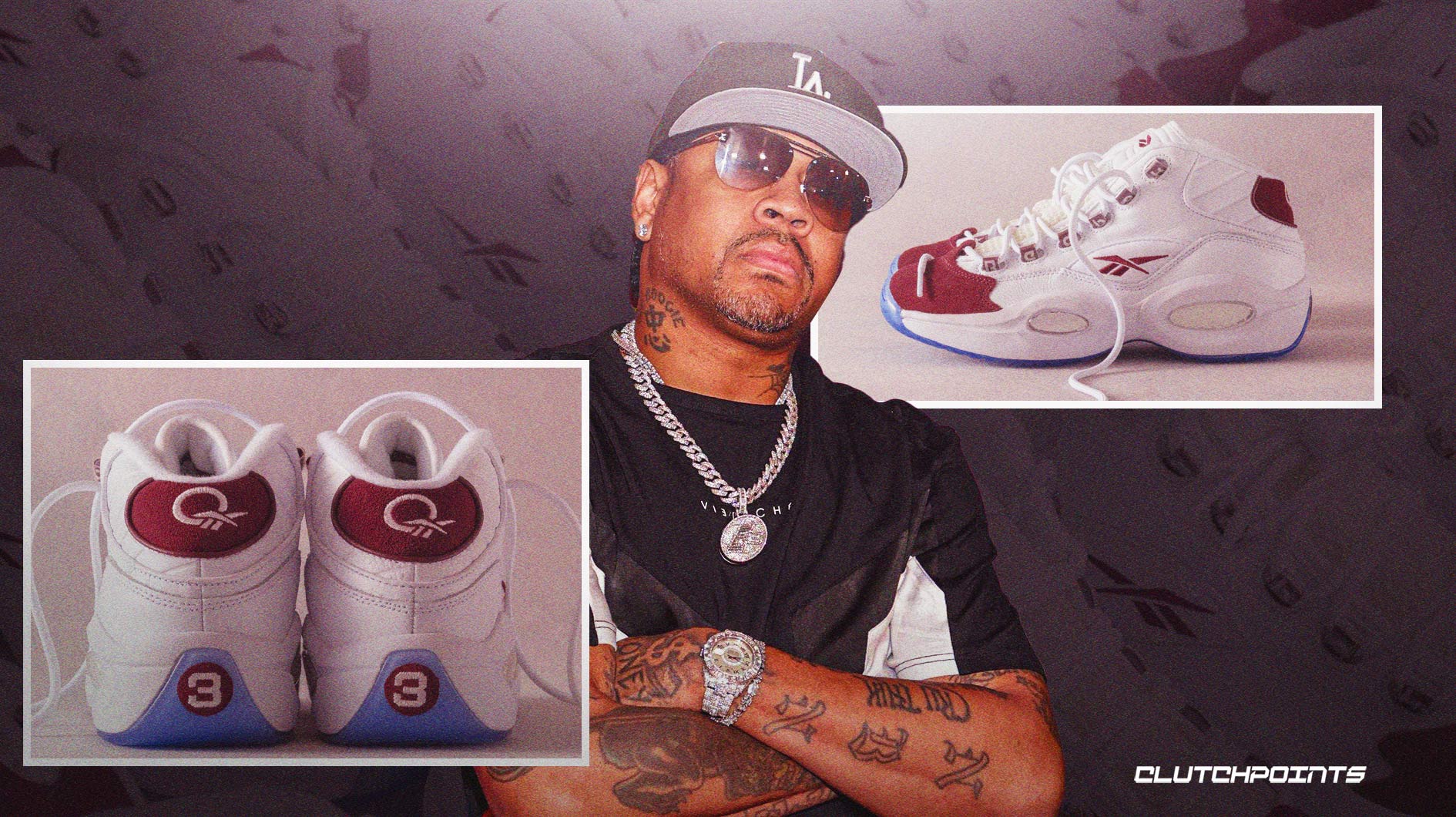
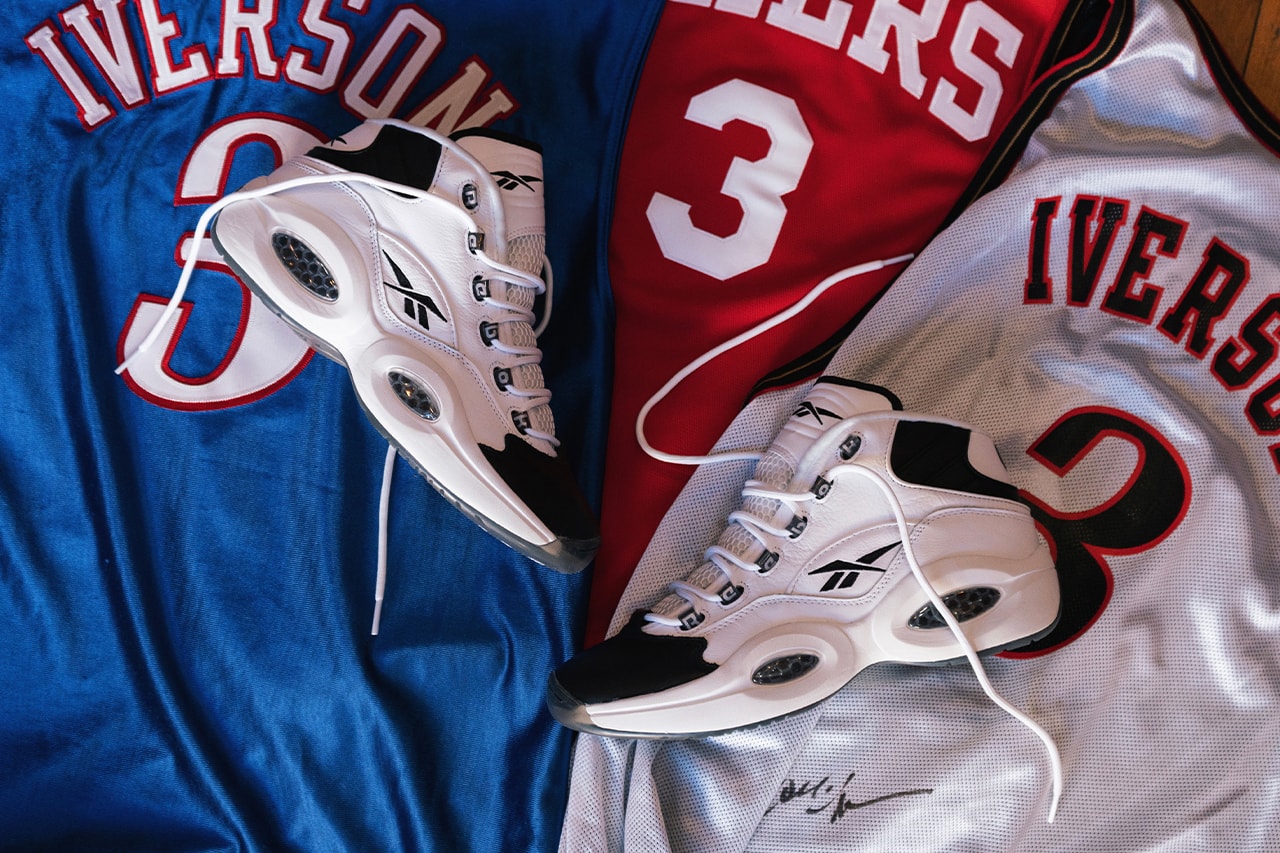
Allen Iverson’s Reebok payout is structured as a deferred trust fund valued at $32 million, which he can fully access when he turns 55 on June 7, 2030. In addition to this future lump sum, the lifetime contract provides Iverson with an annual $800,000 stipend for life and a continuing role in brand marketing and executive leadership.
In the world of sports marketing, few contracts have reached the legendary—and often misunderstood—status of Allen Iverson’s lifetime deal with Reebok. Signed at the height of his "Answer" persona in 2001, the deal was a revolutionary piece of financial engineering designed to protect the superstar from the common pitfalls of post-career insolvency. As of 2026, with Iverson now 51 years old, the anticipation regarding the maturity of this trust fund is at an all-time high. This article provides an exhaustive breakdown of the contract's mechanics, the history of the trust, the impact of Iverson's divorce settlement on the funds, and his current standing with the brand.
The Genesis of the Lifetime Agreement (2001)
To understand the payout, one must first understand the climate of 2001. Allen Iverson was coming off an iconic MVP season, leading the Philadelphia 76ers to the NBA Finals and becoming a global cultural phenomenon. Reebok, seeking to maintain its foothold against Nike’s dominance, realized that Iverson was not just a player but a lifestyle brand.
The 2001 agreement was an extension of his original 1996 rookie contract. While most athlete endorsements are term-limited (typically 5 to 10 years), Reebok offered a "lifetime" commitment. This meant that as long as Iverson remained a public figure and adhered to specific brand requirements, he would be a Reebok athlete forever. The cornerstone of this deal was not just the immediate cash flow from shoe sales, but a long-term financial safety net.
Breaking Down the $800,000 Annual Stipend
While the $32 million trust fund dominates headlines, the most practical part of the deal for Iverson’s day-to-day life is the annual stipend. Since the signing of the contract, Reebok has paid Iverson approximately $800,000 per year.
This payment serves multiple purposes:
- Brand Ambassadorship: It compensates Iverson for appearances, marketing campaigns, and the use of his likeness.
- Cash Flow Management: It provides a steady, high-income stream that is independent of his NBA pension or other investments.
- Incentivization: It keeps the "Answer" brand active. Even decades after his retirement, Iverson’s presence at NBA All-Star weekends and sneaker conventions (often wearing the latest retro "Question" or "Answer" models) is fueled by this ongoing partnership.
In 2026, this stipend remains a crucial element of his financial profile, especially as Reebok has recently leaned into its heritage lines, re-releasing classic Iverson silhouettes that continue to perform well in the "nostalgia" sneaker market.
The $32 Million Trust Fund: The 2030 Milestone
The most discussed element of the contract is the $32 million "escrow" or trust fund. This was a strategic move by Iverson’s management and Reebok to ensure he would have significant wealth in his later years.
Why Age 55?
The choice of age 55 is common in executive deferred compensation packages but rare for professional athletes. It is designed to act as a "second retirement." By the time Iverson reaches 55 on June 7, 2030, he will have been retired from the NBA for roughly 20 years. This fund is intended to provide a massive injection of capital at a stage in life where many former athletes see their earnings potential decline.
The Current Valuation
The fund was originally set at $32 million. Over the years, there has been speculation regarding whether this amount has grown through interest or investment. However, most legal and financial analyses of the 193-page contract suggest the $32 million figure is the principal amount guaranteed by Reebok. As we stand in 2026, the countdown to June 2030 is less than four years away, making this one of the most anticipated payouts in sports history.
The Divorce Settlement: Who Gets the Money?
A significant complication to the "Iverson is set for life" narrative arose during his 2013 divorce from his high school sweetheart, Tawanna Iverson. During the legal proceedings, the details of the Reebok trust fund became public record.
The divorce settlement fundamentally altered the distribution of the $32 million payout. While initial reports suggested Iverson might lose the entire fund due to various behavioral clauses, the final agreement was more structured:
- The Split: It was widely reported and confirmed through court documents that Tawanna Iverson is entitled to 50% of the $32 million trust fund upon its maturity.
- The Remainder: Allen Iverson will receive the remaining half (approximately $16 million).
- The Stipend: The annual $800,000 payment was also a point of contention, though Iverson largely retained the bulk of his ongoing endorsement income to cover living expenses and child support obligations at the time.
This legal split means that while the "Reebok payout" is indeed $32 million, Iverson’s personal take-home amount in 2030 will be significantly less than the headline figure, though still a substantial sum that reinforces his financial security.
Summary of the Reebok-Iverson Financial Structure
| Component | Amount | Frequency/Date | Status (as of 2026) |
|---|---|---|---|
| Annual Stipend | $800,000 | Annually (Life) | Active and Paid |
| Trust Fund Principal | $32,000,000 | Maturity: June 7, 2030 | Maturing in 4 years |
| Divorce Allocation | ~$16,000,000 | Distributed in 2030 | Legally Binding |
| Executive Salary | Undisclosed | Monthly/Annual | Active (VP of Basketball) |
| Royalty Stream | Variable % | Per Unit Sold | Active on Retro Releases |
Iverson’s Executive Role: Vice President of Reebok Basketball
In a move that surprised the industry in late 2023, Reebok announced that Allen Iverson would take on the role of Vice President of Reebok Basketball, working alongside Shaquille O’Neal, who was named President of the division. This move was a strategic pivot by Reebok’s new parent company, Authentic Brands Group (ABG), which acquired the brand from Adidas.
As of 2026, Iverson’s role is not merely ceremonial. He is actively involved in:
- Player Recruitment: Leveraging his status as a "player’s favorite" to sign new NBA and WNBA talent to the Reebok roster.
- Product Development: Consulting on the design and "street-cred" of the performance basketball line, ensuring it resonates with modern hoopers while honoring the brand's DNA.
- Community Engagement: Leading the "Iverson Classic" and other grassroots initiatives that keep Reebok relevant in youth basketball circles.
This executive position provides Iverson with additional income and professional purpose, debunking long-standing rumors of financial ruin that circulated during the mid-2010s.
Debunking the "Broke" Myth
For years, a narrative persisted that Allen Iverson was "broke." This was largely fueled by a 2012 court hearing where Iverson reportedly told a judge he didn't have enough money for a cheeseburger. While Iverson did face liquidity issues—meaning he had high expenses and his cash was tied up in assets or accounts he couldn't immediately access—he was never truly "broke" in the traditional sense.
The Reebok deal served as a permanent barrier against total financial collapse. Even at his lowest points, the $800,000 annual payment continued to arrive. The structure of the $32 million trust was specifically designed to be "untouchable" by creditors or even Iverson himself until 2030, ensuring that no matter what happened in his 30s or 40s, his 50s and 60s would be funded.
The Strategic Importance of the Deal for Reebok
From a corporate perspective, the Iverson payout is one of the most successful marketing investments in history. While $800,000 a year plus a $32 million lump sum sounds like a massive liability, the revenue generated by the "Question" and "Answer" shoe lines has far exceeded these costs.
In the 2020s, the "retro" sneaker market exploded. Reebok’s ability to continually re-release Iverson’s signature shoes—often in limited editions or collaborations with high-end designers—has created a multi-decade revenue stream. By keeping Iverson on the payroll for life, Reebok ensures they have the "face" of the brand available for every major product launch, maintaining the authenticity that is vital in sneaker culture.
Comparative Analysis: Lifetime Endorsements
Iverson was a pioneer in this space, but he is no longer alone. To understand the scale of his payout, it helps to look at other lifetime deals:
- Michael Jordan (Nike/Jordan Brand): While technically a royalty-based partnership, Jordan’s "lifetime" connection to Nike is the gold standard, earning him hundreds of millions annually.
- LeBron James (Nike): Signed a lifetime deal in 2015 rumored to be worth over $1 billion.
- Stephen Curry (Under Armour): Signed a lifetime-extension in 2023 that included significant equity in the company.
Compared to these modern billion-dollar valuations, Iverson’s $32 million trust seems modest. However, for a deal signed in 2001, it was an unprecedented level of security for an NBA player, especially one whose "bad boy" image made some brands hesitant to commit long-term.
Frequently Asked Questions
Can Allen Iverson access the $32 million early?
No. The trust is structured as a deferred compensation vehicle with a fixed maturity date. This prevents the funds from being liquidated early to cover short-term debts or lifestyle expenses. The strict 2030 date was a protective measure agreed upon by Iverson’s legal team and Reebok.
How much of the payout does his ex-wife actually get?
Per the 2013 divorce settlement, Tawanna Iverson is entitled to 50% of the $32 million trust. This means that in 2030, the bank or managing entity will likely issue two separate payments: one to Allen and one to Tawanna, each for $16 million (minus any applicable taxes or fees).
Does Iverson still get paid if Reebok changes ownership?
Yes. When Authentic Brands Group (ABG) purchased Reebok from Adidas in 2022, they assumed all existing contractual obligations. Iverson’s lifetime deal and the trust fund were core liabilities and assets that transferred to the new owners. ABG has since doubled down on Iverson by making him a Vice President.
What happens if Iverson passes away before 2030?
Like most trust funds and deferred compensation agreements, the $32 million is an asset of his estate. If he were to pass away before the maturity date, the funds would be distributed to his designated beneficiaries (likely his children and potentially his ex-wife per the settlement) according to his will and the divorce decree.
Is the $800,000 annual payment adjusted for inflation?
There is no publicly available evidence that the $800,000 stipend includes a Cost of Living Adjustment (COLA). It is generally understood to be a fixed annual amount. While its purchasing power has decreased since 2001, it remains a significant supplemental income.
Conclusion and Next Actions
The "payout" of Allen Iverson’s Reebok deal is a two-part financial strategy: a steady $800,000 annual salary and a $32 million "pension" maturing in 2030. For fans and financial analysts, Iverson represents a case study in "forced savings" and the long-term value of brand loyalty.
If you are looking to understand the broader impact of this deal, the next step is to monitor Reebok’s performance under the leadership of Shaq and Iverson. Their ability to revitalize the basketball division will determine how much the brand continues to lean on Iverson’s legacy as we approach the 2030 milestone. For those interested in athlete finance, the Iverson-Reebok contract remains the premier example of how a lifetime partnership can provide a safety net that survives even the most turbulent personal and professional challenges.