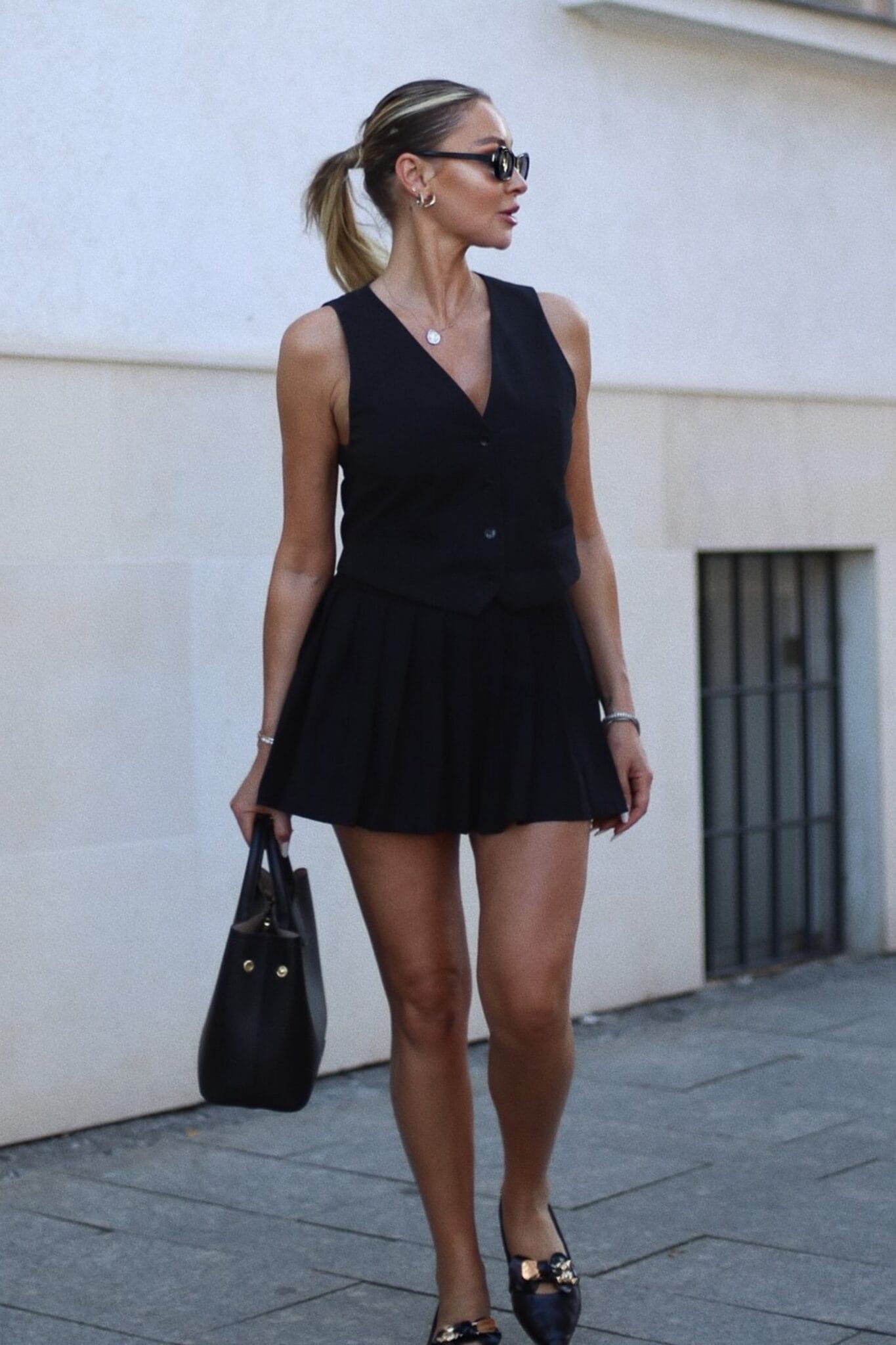
An all-black outfit is a monochromatic ensemble composed entirely of black garments, serving as a cornerstone of modern fashion due to its inherent sophistication, versatility, and slimming effect. To master this look in 2026, one must focus on the strategic interplay of varied textures, structural silhouettes, and consistent dye saturations to prevent the attire from appearing flat or uninspired.
The appeal of the all-black aesthetic transcends fleeting seasonal trends. Whether it is the "New Look" of the mid-20th century, the rebellious undertones of 1970s punk, or the streamlined "Quiet Luxury" movement of the mid-2020s, black remains the most authoritative color in a wardrobe. However, executing a successful all-black look requires more than simply grabbing the nearest dark items from a closet. It demands a technical understanding of light absorption, fabric weights, and the subtle nuances of color temperature within the black spectrum.
The Science of Texture: Creating Depth in a Void
The most common mistake when assembling an all-black outfit is failing to account for visual depth. Because black absorbs the majority of the visible light spectrum, a look comprised of identical fabrics (such as all flat cotton) can cause the wearer’s silhouette to disappear into a two-dimensional shape. To solve this, stylists utilize texture layering.
High-Sheen vs. Matte Finishes
By mixing materials that reflect light differently, you create "shadows" and "highlights" within the outfit. For example, pairing a matte wool overcoat with a silk-blend shirt and leather trousers provides three distinct levels of light interaction. The wool absorbs light, the silk offers a soft luster, and the leather provides a high-shine highlight. This contrast defines the physical boundaries of each garment, ensuring the outfit looks intentional rather than accidental.
Weight and Hand-Feel
In 2026, the technical construction of fabrics has evolved to include more "dry-touch" synthetics and high-twist wools. Combining a heavy-gauge knit (high texture, high weight) with a lightweight technical nylon (low texture, low weight) creates a balanced aesthetic. The goal is to provide enough tactile variance that the eye can distinguish where the jacket ends and the trousers begin.
The Challenge of "Mismatched" Blacks
Not all black garments are created equal. Depending on the dye process and the base fiber, black clothing often carries subtle undertones of blue, brown, or green. When these are mixed under natural sunlight, the discrepancy becomes glaringly obvious, often making one piece look "washed out" or old.
Identifying Undertones
- Blue-Black: Often found in synthetic fibers and high-quality wools. These look crisp and "cool."
- Brown-Black: Common in natural fibers like cotton or linen after multiple washes. These look "warm" and can appear dusty.
- True Deep Black: Achieved through specialized processes like "sulfur dyeing" or "reactive dyeing" on high-density fabrics.
To maintain a cohesive look, try to match the undertones of your primary pieces. If your trousers have a cool, blueish tint, avoid pairing them with a warm, brownish-black sweater. Under the artificial lighting of 2026 retail environments, these differences are hard to spot, so it is recommended to check your outfit in natural daylight before finalizing the ensemble.
Occasion-Based Styling for 2026
The versatility of the all-black outfit allows it to transition through various social and professional tiers. However, the specific components must be adjusted to suit the environment’s requirements.
Professional and Corporate Environments
In a high-stakes professional setting, all-black conveys authority and focus. The key here is tailoring. A well-fitted black blazer paired with charcoal-black wool trousers creates a sharp, architectural look. To avoid looking like you are attending a funeral, vary the fabrics: a matte cotton dress shirt under a fine-gauge merino wool sweater provides a professional yet modern layered effect.
Casual and Streetwear
Contemporary streetwear in 2026 leans heavily into "Gorpcore" and technical aesthetics. Here, the all-black outfit relies on functional details—zippers, straps, and oversized silhouettes. Heavyweight black denim paired with a structural hoodie and technical outerwear (such as a Gore-Tex shell) creates a rugged, utilitarian vibe. In this context, "faded" blacks are often acceptable, as they suggest a "worn-in" authenticity.
Formal and Evening Wear
For formal events, the all-black look—often referred to as "Black Tie Creative"—replaces the traditional white shirt with a black silk or satin version. The contrast is achieved through lapel facings (satin or grosgrain) against a matte wool tuxedo body. This look is exceptionally slimming and creates a continuous vertical line that elongates the wearer’s frame.
Technical Fabric Comparison for Black Outfits
Selecting the right material is vital for both the aesthetic and the longevity of the garment. The following table compares common black fabrics based on their visual impact and maintenance needs.
| Fabric Type | Light Reflection | Best Use Case | Durability | Fade Resistance |
|---|---|---|---|---|
| Merino Wool | Matte/Low | Sweaters, Blazers | High | Excellent |
| Pima Cotton | Matte | T-shirts, Chinos | Medium | Moderate |
| Silk/Satin | High | Evening Wear | Low | Good |
| Top-Grain Leather | High | Jackets, Boots | Very High | Excellent |
| Technical Nylon | Variable | Rainwear, Techwear | High | Superior |
| Denim | Low (Textured) | Casual Wear | Very High | Low (By Design) |
The Role of Accessories and Hardware
Accessories are the "punctuation marks" of an all-black outfit. Because the clothing itself is monochromatic, the hardware on your belt, watch, and shoes becomes a focal point.
- Metal Coordination: Ensure that your belt buckle, watch face, and bag zippers match. Mixing silver and gold hardware can sometimes look cluttered against a black backdrop, though "mixed metal" styling is an emerging trend for those who prefer an avant-garde approach.
- Footwear: The shoes anchor the look. Black leather boots provide a classic silhouette, while black-on-black sneakers (including the sole) offer a seamless transition from the leg to the floor, making the wearer appear taller.
- Jewelry: Silver and white gold tend to pop more vibrantly against black, providing a clean, modern contrast. Yellow gold offers a richer, more classic warmth that works well with "warm" black undertones.
Maintenance: Keeping Your Blacks From Fading
The greatest enemy of the all-black outfit is the washing machine. Over time, agitation and harsh detergents strip the pigment from the fibers, leading to a greyish, "ashy" appearance that ruins the sharp aesthetic.
- Launder Less: Unless the garment is visibly dirty or retains odors, consider spot-cleaning or steaming rather than a full wash.
- Cold Water and Specialized Detergents: Always wash black clothes in cold water. Use detergents specifically formulated for "darks," which contain enzymes that help prevent dye transfer and neutralize chlorine in tap water that can bleach fabrics.
- Turn Garments Inside Out: This protects the outer surface of the fabric from the abrasive friction of the washing cycle.
- Air Dry Only: The high heat of a dryer is a primary cause of fiber breakdown and color loss. Hang-dry items away from direct sunlight, as UV rays act as a natural bleaching agent.
Proportions and the "Shadow" Silhouette
When color is removed from the equation, shape becomes the primary communicator of style. In 2026, fashion favors intentional proportions over standard "slim fits."
- The Oversized Look: A voluminous black top paired with slim black trousers creates a "top-heavy" silhouette that is popular in contemporary fashion.
- The Column Look: Wearing a long overcoat with straight-leg trousers creates a single, unbroken column of black. This is an effective way to project a minimalist, high-fashion image.
- The Cropped Look: High-waisted black trousers with a cropped jacket can adjust the perceived waistline, altering the body's natural proportions for a more curated appearance.
Frequently Asked Questions
Can I wear black and navy together?
Yes, but it must be intentional. In the past, this was a fashion "taboo," but in 2026, the combination of black and very dark navy is seen as a sophisticated, tonal play. To make it work, ensure there is a clear difference in texture so the navy doesn't just look like a "badly matched" black.
How do I prevent lint from ruining my all-black look?
Black fabrics, especially cotton and wool, are magnets for lint, pet hair, and dust. Always keep a high-quality lint roller or a dedicated fabric brush in your bag or car. Synthetic blends and high-twist wools are generally more resistant to lint than brushed cotton or flannel.
Is an all-black outfit appropriate for a summer wedding?
It can be, provided the fabrics are heat-appropriate. Opt for black linen, tropical-weight wool, or silk blends. These fabrics allow for airflow and moisture-wicking while maintaining the formal elegance of the black palette. However, check the invitation's dress code, as some traditional ceremonies may still prefer lighter colors.
Does an all-black outfit make everyone look thinner?
Technically, yes. Because black absorbs light and minimizes shadows, it obscures the "lumps and bumps" of the body's surface, creating a more streamlined silhouette. However, the fit of the garment is still the most important factor; clothes that are too small will still create visible tension lines, regardless of color.
What makeup or grooming works best with all black?
All-black clothing can sometimes wash out pale skin tones. To counter this, many stylists recommend a slightly more defined grooming routine—such as a bolder lip color, well-defined eyebrows, or a crisp haircut—to ensure the face remains the focal point rather than being overwhelmed by the dark clothing.
Final Recommendations for the Perfect Ensemble
To successfully execute an all-black outfit in 2026, start by selecting a "hero" piece with a unique texture, such as a leather jacket or a heavy-knit sweater. Build the rest of the look around this item by choosing secondary pieces that offer contrasting finishes (matte vs. shine). Always prioritize garment care to ensure the depth of the black remains consistent across your wardrobe. If you are unsure where to begin, the "column" approach—matching your trousers and shoes for an unbroken lower half—is the most foolproof way to achieve a sophisticated, elongated silhouette that works for almost any occasion.