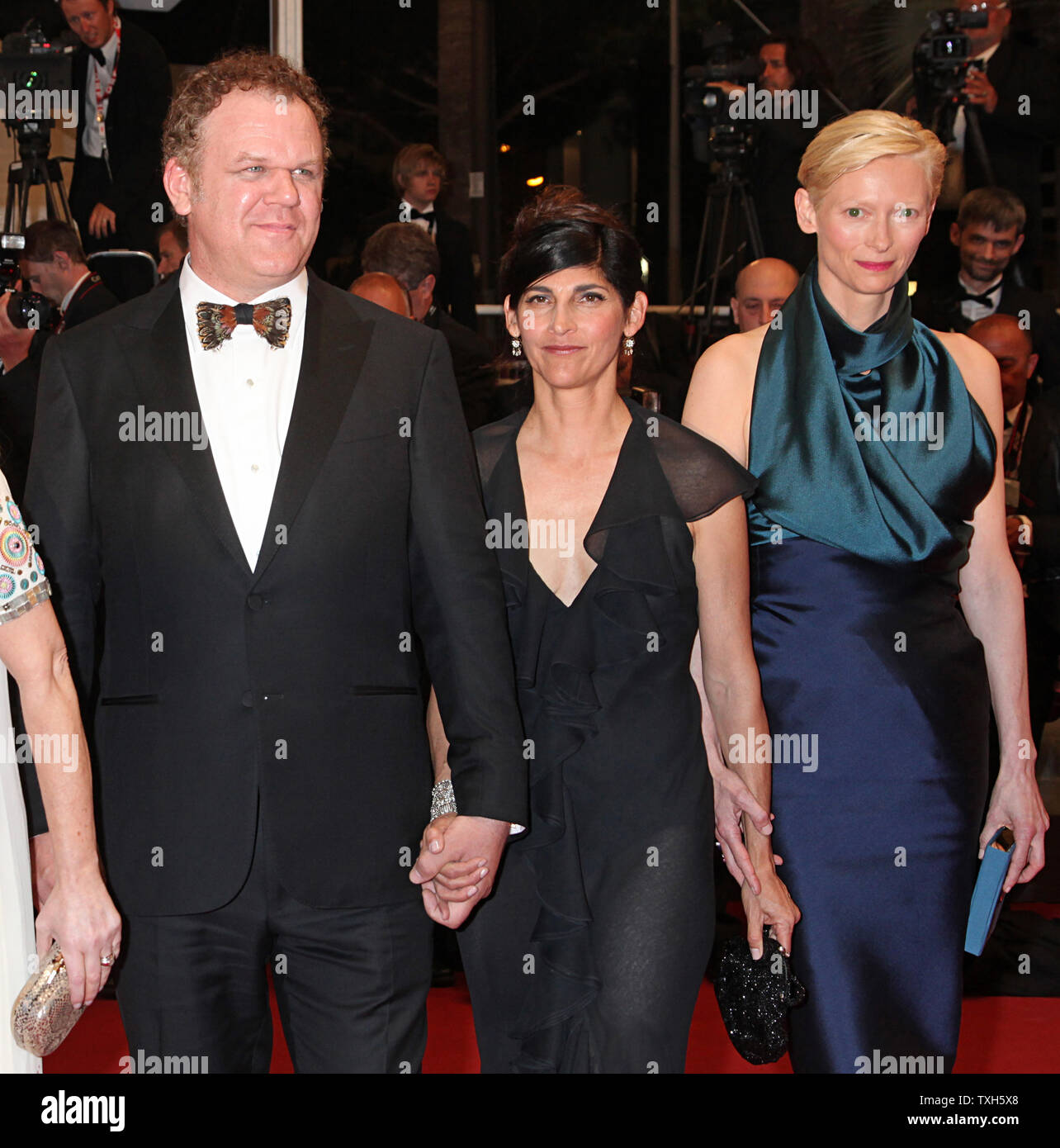
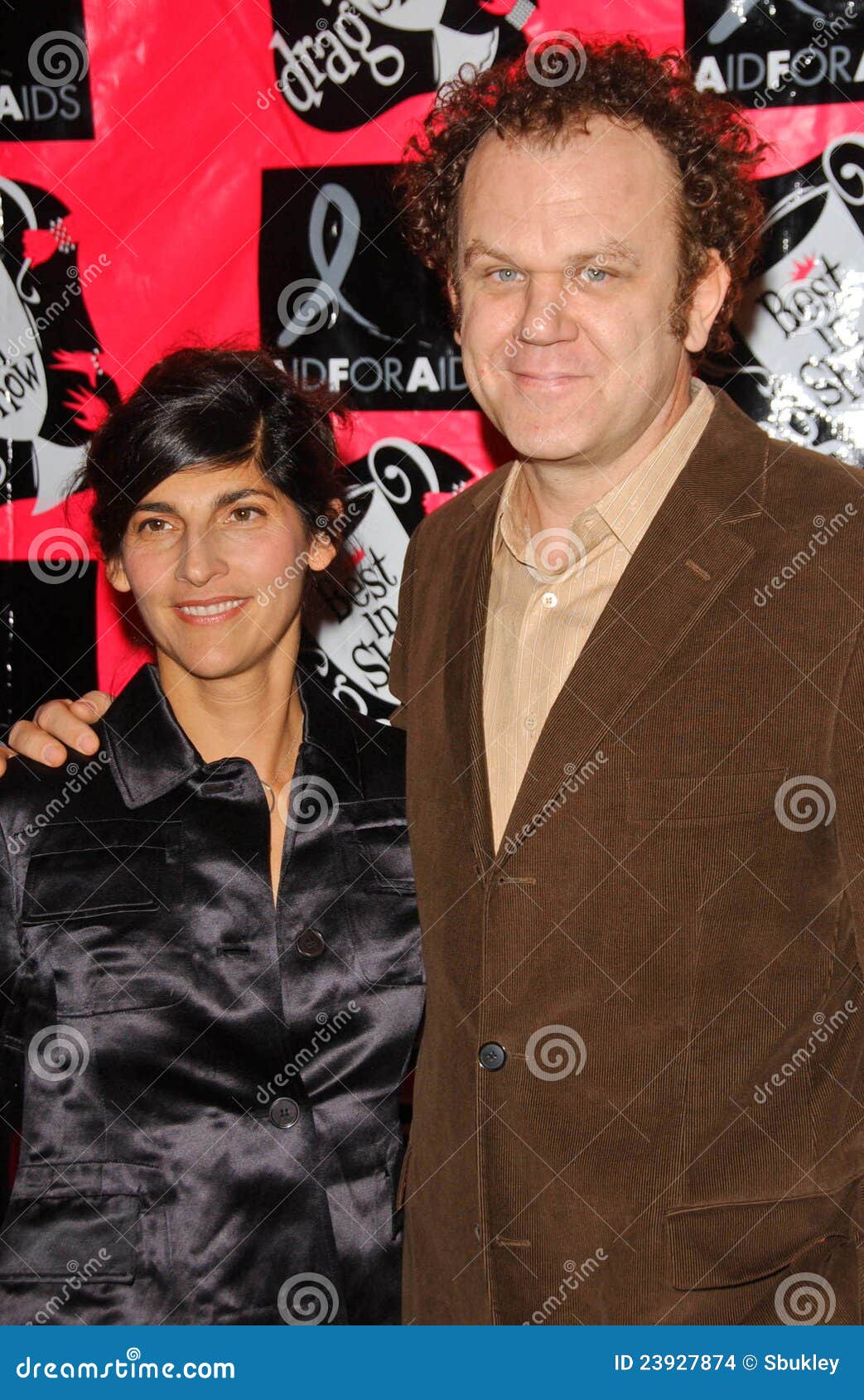
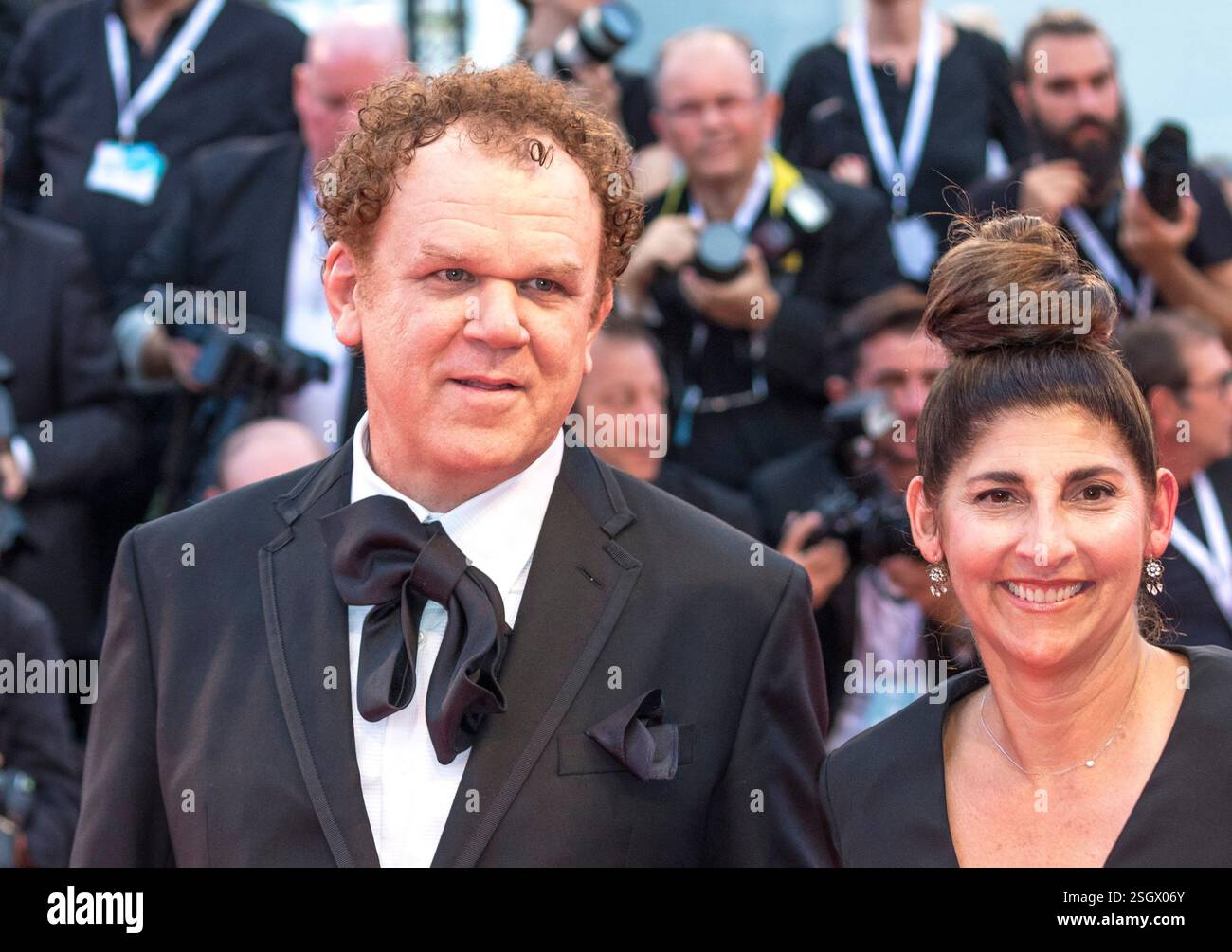
The creative partnership between Alison Dickey and John C. Reilly represents a multifaceted synergy spanning professional film production, creative development, and a long-standing personal commitment. While Reilly is widely recognized for his versatile performances in film and television, Dickey—a producer and former film scout—has played an integral role in shaping the trajectory of projects that have defined his career, particularly through their shared work under the banner of their independent production endeavors.
Foundations of a Professional Collaboration
The relationship between Alison Dickey and John C. Reilly is built upon a dual foundation of personal history and professional alignment. Having met in the early 1990s on the set of Casualties of War—where Dickey was working as an independent film scout—the pair formed a connection that eventually translated into a collaborative working dynamic. For those examining their creative output, it is essential to distinguish between their individual talents and their collective contributions.
Dickey brought to the table a deep understanding of literary scouting and film development, having worked for notable production companies such as Robert Altman’s Sandcastle 5 Productions. Her ability to identify stories and scripts with cinematic potential provided a crucial developmental bridge for projects that would eventually star Reilly. By the time their partnership matured, Dickey had transitioned into a producer who could effectively shepherd a project from the initial development phase through the complexities of physical production.
For Reilly, whose career trajectory has oscillated between prestige drama, high-concept comedy, and auteur-driven character studies, having a partner who understands both the industry’s business requirements and the creative nuances of his acting craft has been a significant advantage. This professional ecosystem allows for a level of trust in project selection that is rare in the high-pressure environment of Hollywood production.
Key Projects and Production Synergy
The partnership between Dickey and Reilly has not been one of constant public collaboration, but rather one of strategic involvement. Their work together often centers on identifying projects that lean into Reilly's specific dramatic and comedic range.
The Role of Independent Production
In the context of the film industry, a producer’s primary responsibility is to ensure the vision of a project is viable from both a financial and artistic standpoint. Dickey’s background in development means she operates effectively in the "pre-production" space—the critical period where screenplays are polished, financing is secured, and creative teams are assembled.
When analyzing their partnership, one must look at how they utilize their combined influence to support auteur-driven cinema. Their shared projects often prioritize script quality and thematic depth over conventional commercial appeal. This is not to suggest they avoid mainstream success, but rather that their decision-making process is filtered through a lens of artistic integrity.
Comparative Analysis of Collaborative Roles
| Role Type | Alison Dickey’s Focus | John C. Reilly’s Focus |
|---|---|---|
| Development | Script acquisition, intellectual property, and financing. | Character development and thematic alignment. |
| Production | Logistical management, hiring key crew, and scheduling. | Performance preparation and on-set presence. |
| Creative Vision | Maintaining the artistic integrity of the project. | Executing the character and influencing tone. |
| Industry Outreach | Managing studio relations and distribution strategy. | Marketing, publicity, and public representation. |
The Impact of Creative Partnerships in Hollywood
A creative partnership in the film industry functions much like a long-term professional alliance. For Alison Dickey and John C. Reilly, this partnership allows for a continuity of vision. When an actor and a producer share a life and a professional philosophy, the barrier to communication is significantly lowered. In an industry defined by transient professional relationships and project-based employment, having a permanent creative sounding board is an operational asset.
The partnership also mitigates the isolation that often comes with high-profile acting. Reilly, known for his ability to disappear into roles—whether in the musical drama Chicago or the comedic absurdity of Step Brothers—requires a space where he can retreat and evaluate the "big picture." Dickey’s role as a producer provides that external perspective, ensuring that the projects chosen align with the long-term goals of his career rather than just the immediate offer.
Challenges in Navigating Creative Autonomy
One of the most persistent challenges for any couple working in the entertainment industry is the maintenance of professional boundaries. For Dickey and Reilly, the challenge lies in balancing their collaborative instincts with the need to maintain distinct professional identities. Because they are both well-regarded in their respective fields, they must navigate the assumption that their successes are always joint ventures.
In reality, their partnership is characterized by professional autonomy. They frequently engage in projects independently of one another, which helps to preserve the health of their individual careers. This is a critical observation for those looking at the longevity of their relationship: their partnership is not defined by total overlap, but by the ability to offer support when needed while pursuing separate creative mandates.
Frequently Asked Questions
1. Is Alison Dickey still active in film production? Yes, as of 2026, Alison Dickey remains engaged in the creative aspects of film and media, leveraging her extensive background in development and production to support projects that align with her specific aesthetic and thematic preferences.
2. How did Alison Dickey and John C. Reilly meet? The pair met during the filming of the 1989 Vietnam War drama Casualties of War. Dickey was working as an independent film scout at the time, and their professional acquaintance transitioned into a long-term personal and creative relationship.
3. What is the main value of a producer-actor partnership? The primary value lies in synergy and trust. A producer acts as the architect of a film’s success, and when an actor has a partner who understands the intricacies of the production process, it allows for more informed decision-making and a more stable environment for creative risk-taking.
4. Do they always work on the same films? No. Their careers are largely independent. While they have worked together on specific creative endeavors, their respective filmographies are distinct. They prioritize individual creative growth, treating their shared projects as exceptions rather than the rule.
5. How does a background in film scouting influence production? A background in scouting, as seen with Dickey, provides an editor-like eye for material. It allows a producer to quickly assess the market viability, narrative potential, and structural integrity of a screenplay before it ever moves into production, saving time and resources.
Strategic Considerations for Creative Teams
For those interested in the dynamics of film production, the partnership between Dickey and Reilly highlights the importance of "vetting" partners. In professional creative fields, the ability to critique work objectively is the highest form of support. By maintaining a separation between their day-to-day work and their shared production interests, they avoid the "echo chamber" effect that can sometimes stifle creative output in Hollywood.
The lesson here is one of balance. Whether in film, art, or business, a productive partnership is not one where two people do the exact same thing, but one where their skills intersect to cover the blind spots of the other. Dickey’s administrative and developmental acumen complements Reilly’s performative and interpretive instincts. This intersection is the site of their most successful collaborative work.
Moving forward, the focus for any such partnership remains on the quality of the intellectual property they choose to pursue. As the industry continues to shift toward streaming-first models and independent distribution, the need for producers with the ability to identify high-quality, character-driven narratives—like those Dickey has historically championed—becomes increasingly vital. Their legacy in this regard is not just the films they have made, but the standard of professional conduct and artistic discernment they have maintained throughout their careers.
For those looking to replicate such a dynamic, the recommendation is to focus on shared values rather than shared tasks. Identify what your partner brings to the table that you lack, and foster an environment where that strength can be leveraged without compromising your own professional goals. Success, in this sense, is not just about the final product on screen, but the sustained relationship that made the production possible in the first place.