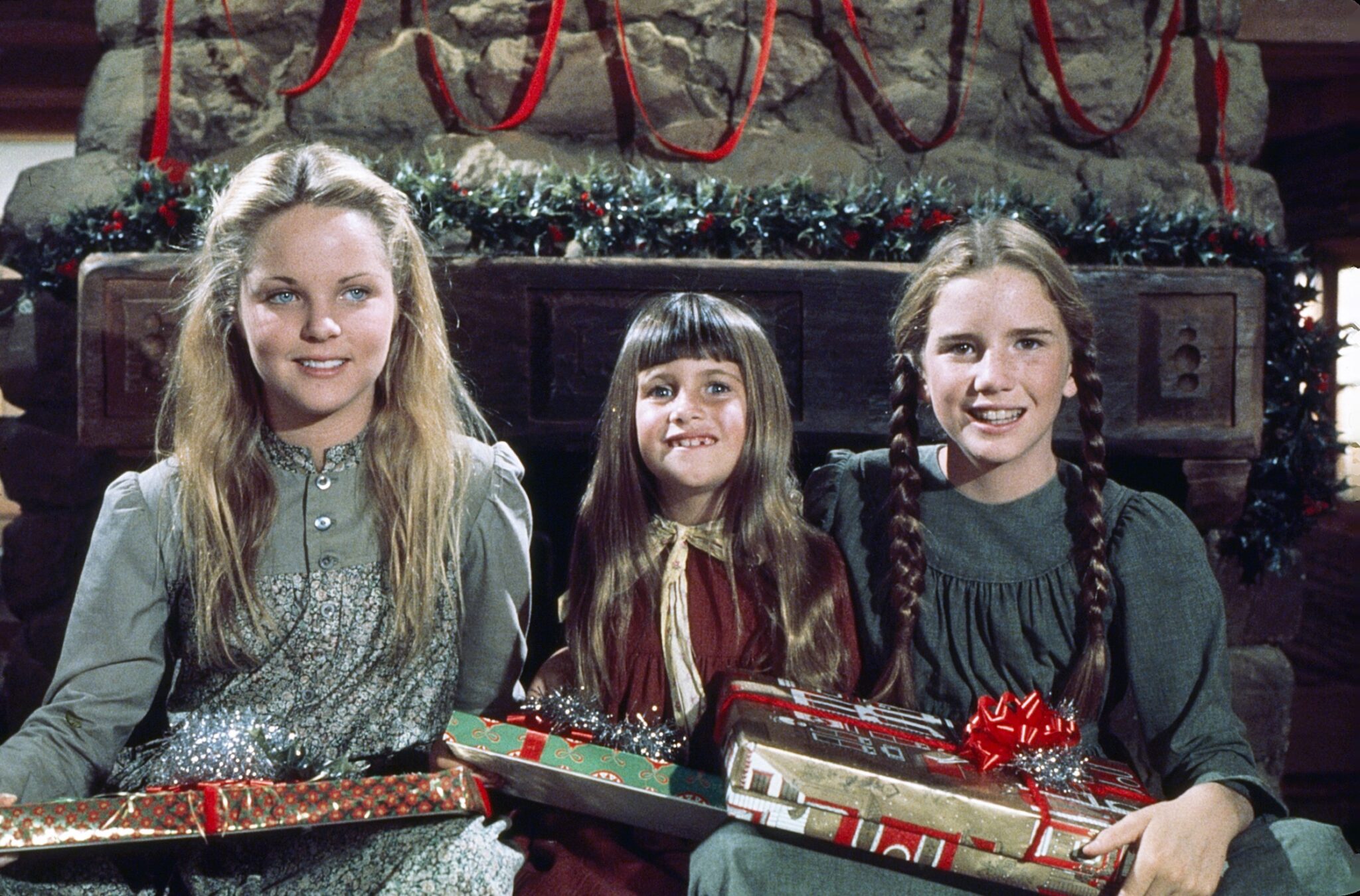
Alison Arngrim’s retrospective of Little House on the Prairie centers on her iconic portrayal of Nellie Oleson, the ultimate television "mean girl." Decades after the show’s conclusion, she remains a celebrated figure through her memoirs, advocacy work, and public speaking, providing deep insights into the show’s enduring cultural impact.
As we look back in 2026, over half a century since the series first premiered on NBC, the character of Nellie Oleson stands as a masterclass in television antagonism. While the show was built on the wholesome values of the Ingalls family, it was the friction provided by the Oleson family—and specifically Nellie—that gave the narrative its necessary tension. Alison Arngrim did not just play a character; she created a cultural archetype that has influenced television villains for generations.
The Casting and Creation of a TV Villain
When Little House on the Prairie began casting in the early 1970s, Alison Arngrim did not initially set out to play the town bully. She originally auditioned for the roles of Laura Ingalls and Mary Ingalls. However, the casting directors saw something in her performance that was far more valuable than another "prairie sweetheart." They saw the potential for a character that audiences would love to hate.
The physical transformation into Nellie Oleson was a significant part of the retrospective experience. Arngrim famously wore a custom-made blonde wig, as her natural hair was not the right shade or texture for the "sausage curls" that Michael Landon envisioned. This wig was notoriously uncomfortable, held in place by dozens of metal hairpins that often caused physical pain during long filming days under the hot Simi Valley sun. This physical discomfort, Arngrim often notes, likely contributed to the irritable and sharp-edged personality she projected as Nellie.
The Dynamics of the Oleson Family
The chemistry between Arngrim and her on-screen family was pivotal. Katherine "Scottie" MacGregor, who played Harriet Oleson, and Richard Bull, who played Nels Oleson, created a domestic environment that explained why Nellie was the way she was. The retrospective view of these characters shows a nuanced portrayal of entitlement and enabling. Harriet’s overindulgence of Nellie provided the comedic and dramatic engine for many of the show's most famous episodes.
Behind the Scenes: Reality vs. Fiction
One of the most frequent points of interest in any retrospective of Little House is the relationship between Alison Arngrim and Melissa Gilbert. On screen, Nellie and Laura were bitter rivals, often engaging in physical altercations or elaborate schemes to humiliate one another. Off-screen, however, the two were close friends.
This friendship served as a necessary escape from the pressures of child stardom. Arngrim has often described their time together as a way to remain grounded. While the characters were fighting over boys or school prizes, the actresses were sharing lunches and supporting each other through the challenges of growing up in the Hollywood spotlight. This duality is a testament to their acting abilities; the vitriol they displayed toward one another was purely professional.
Working with Michael Landon
Michael Landon was the driving force behind the series as an actor, director, and executive producer. In retrospectives, Arngrim describes Landon as a complex figure—a brilliant filmmaker with a specific vision for the show but also a demanding leader. Landon’s set was known for its efficiency and its "boys' club" atmosphere, yet he was also fiercely protective of the child actors. Arngrim’s perspective on Landon provides a balanced view of a man who transformed a series of children’s books into a global television phenomenon that remains in syndication in 2026.
The Evolution of Nellie Oleson
Unlike many child characters who remain static, Nellie Oleson was allowed to grow and change. A significant turning point in the series occurred in Season 6 when Nellie met Percival Dalton, played by Steve Tracy. Percival was brought in to teach Nellie how to run a restaurant, but he ended up teaching her humility and love.
The introduction of Percival was revolutionary for 1970s television for several reasons:
- Interfaith Marriage: The union between a Christian girl and a Jewish man was handled with both humor and sensitivity, particularly regarding the conflicting expectations of their parents.
- Character Growth: Nellie’s transformation from a spoiled brat into a hardworking wife and mother was one of the most satisfying "redemption arcs" in early television history.
- The Departure: When Arngrim left the series as a regular after Season 7, the character of Nellie was sent to New York, allowing the actress to pursue other ventures while leaving the door open for future guest appearances.
| Episode Title | Season | Key Development |
|---|---|---|
| "Bunny" | Season 3 | Nellie fakes a paralysis injury to guilt-trip Laura, showcasing her manipulative nature. |
| "The Race" | Season 3 | The famous horse race where Nellie’s privilege is pitted against Laura’s determination. |
| "Back to School" | Season 6 | Nellie faces her own academic failures and begins her transition toward maturity. |
| "He Loves Me, He Loves Me Not" | Season 6 | The introduction of Percival Dalton and the start of Nellie’s romantic evolution. |
| "The Return of Nellie" | Season 9 | Nellie returns to Walnut Grove as a refined, changed woman, contrasting with Nancy Oleson. |
"Confessions of a Prairie Bitch": Reclaiming the Narrative
In 2010, Alison Arngrim published her memoir, Confessions of a Prairie Bitch: How I Survived Nellie Oleson and Learned to Love Being Hated. This book marked a significant shift in how the public perceived her. No longer just a former child star, Arngrim became a sought-after author and stand-up comedian.
The memoir provided a candid look at her life, including difficult personal experiences that stood in stark contrast to the idyllic image of Walnut Grove. By sharing her history of childhood abuse and her subsequent path to healing, she transformed her "villain" persona into a platform for empowerment. The book’s success led to a long-running one-woman show, which she continued to perform internationally, maintaining the legacy of Nellie Oleson while adding a modern, adult perspective.
The Impact of the Memoir
The memoir did more than just tell "behind-the-scenes" stories. It served as a bridge between the 19th-century setting of the show and the contemporary issues of the 21st century. Arngrim’s ability to use humor to tackle dark subjects resonated with fans who had grown up with her. In 2026, the book remains a staple for television historians and fans alike, cited for its honesty and its refusal to sugarcoat the realities of the entertainment industry.
Advocacy and Activism
Perhaps the most important part of Alison Arngrim's retrospective is her work outside of acting. Using the fame (and infamy) gained from Little House on the Prairie, she has dedicated decades to activism.
HIV/AIDS Advocacy
Following the death of her on-screen husband and close friend Steve Tracy from AIDS complications in 1986, Arngrim became a tireless advocate for HIV/AIDS awareness. During a time when the disease was heavily stigmatized, she worked with AIDS Project Los Angeles and other organizations to provide support and education. This work was a significant departure from her Hollywood image and demonstrated a profound commitment to social justice.
Protecting Children
Arngrim has also been a prominent figure in the fight against child abuse. As a survivor herself, she has worked with the organization PROTECT (The National Association to Protect Children). She has lobbied for legislative changes to protect children from predators and to provide survivors with the legal tools necessary to seek justice. Her work in this field has been recognized by various legislative bodies, proving that her impact extends far beyond the television screen.
The Lasting Cultural Significance of Nellie Oleson
In the context of 2026, we can see how Nellie Oleson paved the way for future "mean girl" characters. From the high school dramas of the 1990s to the complex anti-heroes of modern streaming services, the archetype of the wealthy, entitled antagonist owes a debt to Arngrim’s performance.
The "Oleson" Archetype in Modern Media
Nellie was unique because she wasn't just a villain for the sake of being evil; she was a product of her environment. This nuance has become a standard in character writing. When viewers analyze modern antagonists, they often look for the "Harriet" in their lives—the person who enabled their behavior. Little House on the Prairie provided a blueprint for these family dynamics that writers still use today.
Technical Aspects of the Retrospective
When evaluating the series from a technical standpoint in 2026, the production quality of Little House remains impressive. The use of practical locations, the attention to period-accurate costuming (despite the occasional discomfort), and the high-quality 35mm film stock have allowed the show to be remastered for modern high-definition and 4K viewing experiences.
Arngrim’s performance benefits significantly from these restorations. The subtle facial expressions and the "Oleson smirk" are clearer than ever, allowing new generations to appreciate the craft she brought to the role. The show’s longevity is due in part to this high production value, which prevents it from feeling as dated as many other sitcoms and dramas from the 1970s.
Frequently Asked Questions
Did Alison Arngrim and Melissa Gilbert get along during filming?
Yes, despite their intense on-screen rivalry, Alison Arngrim and Melissa Gilbert were, and remain, very close friends. They often spent their weekends together and supported each other throughout their time on the show. Arngrim has noted that their real-life bond actually made their on-screen fights easier to film, as there was a high level of trust between them.
Why did Alison Arngrim leave Little House on the Prairie?
Arngrim left the show after Season 7 when her contract expired. Her character, Nellie, had already undergone a significant transformation through marriage and motherhood, and the character moved to New York. While she returned for guest appearances in later seasons, her departure allowed her to explore other aspects of her career, including theater and film.
What is the name of Alison Arngrim's memoir?
Her memoir is titled Confessions of a Prairie Bitch: How I Survived Nellie Oleson and Learned to Love Being Hated. Published in 2010, it became a New York Times bestseller and is highly regarded for its humor, honesty, and insights into the television industry.
Is Alison Arngrim still involved with Little House fan events?
Yes, as of 2026, Alison Arngrim remains one of the most active former cast members in the fan community. she frequently appears at conventions, 50th-anniversary celebrations, and "Little House" themed tours. She has a strong digital presence and continues to engage with fans across the globe, often sharing memorabilia and untold stories from the set.
What causes does Alison Arngrim support?
Arngrim is a dedicated advocate for two primary causes: HIV/AIDS awareness and the protection of children from abuse. She has worked extensively with organizations like PROTECT and AIDS Project Los Angeles. Her activism is a central part of her public life and is often discussed alongside her acting career.
Practical Next Steps for Fans
For those looking to explore the Alison Arngrim retrospective further, the following actions are recommended:
- Read the Memoir: Purchase or borrow Confessions of a Prairie Bitch for the most comprehensive first-hand account of her life and career.
- Watch the "Nellie" Episodes: Re-watch the key episodes listed in the table above to appreciate the character's evolution from a new perspective.
- Follow Official Channels: Check Alison Arngrim’s official website or verified social media profiles for information on upcoming speaking engagements or fan conventions scheduled for late 2026 and 2027.
- Support Her Advocacy: Consider donating to or volunteering for organizations like PROTECT, which Arngrim has championed for decades.
The legacy of Nellie Oleson is more than just a memory of a girl in a blonde wig; it is a testament to the power of a well-played character to influence culture and provide a platform for meaningful change in the real world.