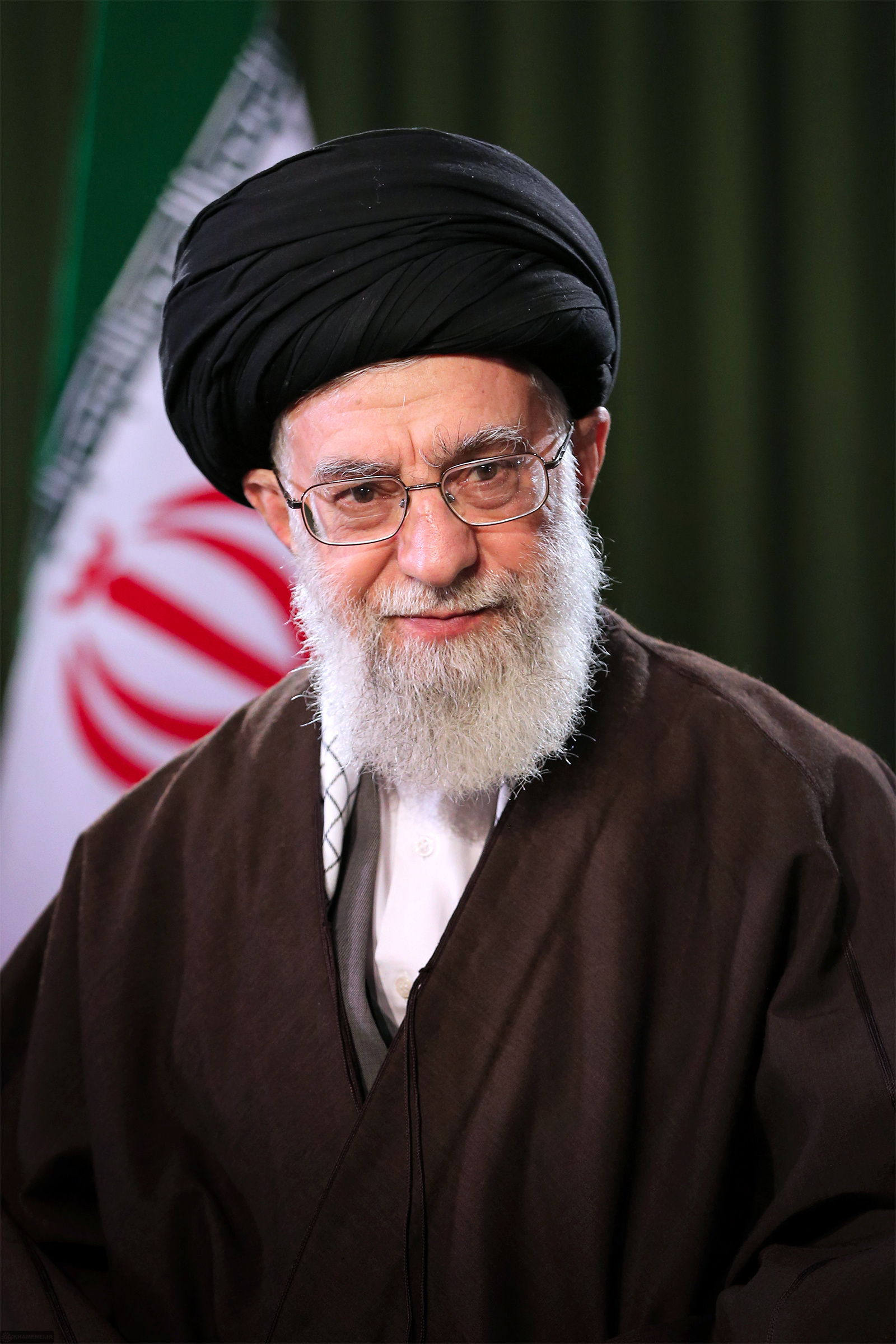
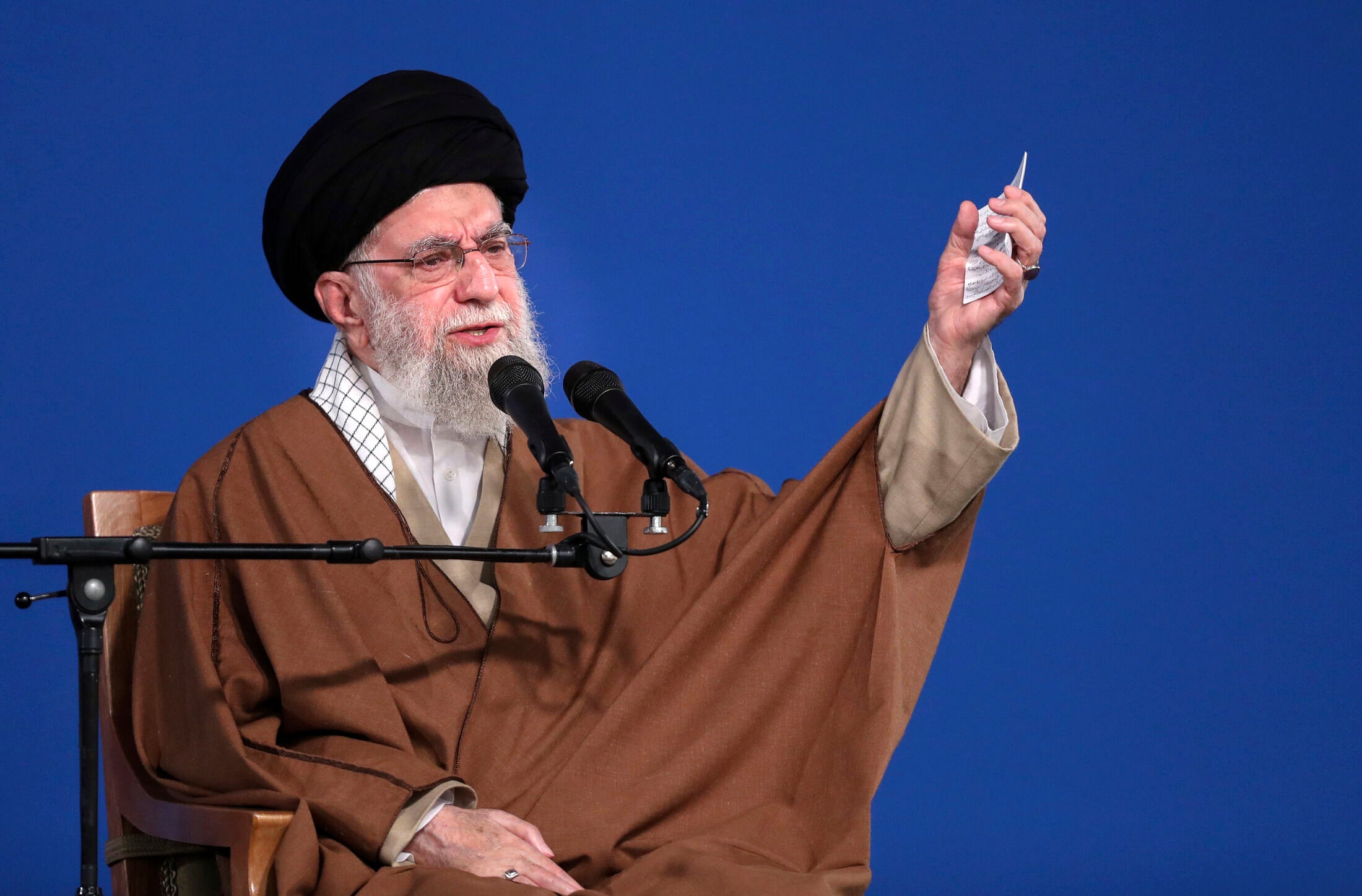
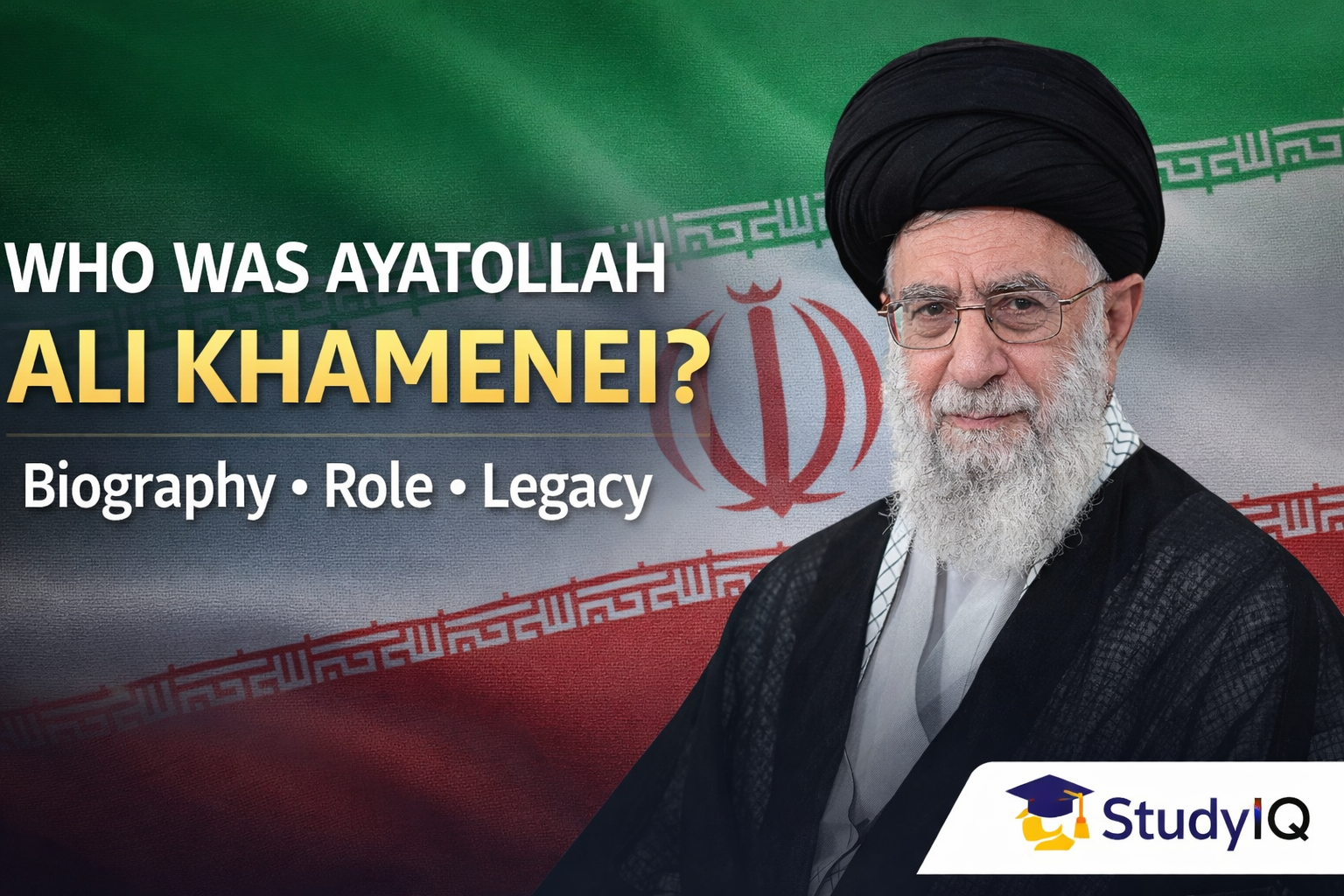
Ali Khamenei, born Seyyed Ali Hosseini Khamenei on April 19, 1939, is the second and current Supreme Leader of Iran. Having served in this position since 1989, he is the longest-serving head of state in the Middle East and wields absolute authority over the country’s political, military, and religious institutions. His leadership has defined the trajectory of the Islamic Republic for over three decades, influencing both domestic policy and regional geopolitical dynamics.
Early Life and Theological Education
Ali Khamenei was born in Mashhad, one of the holiest cities in Shia Islam. He was the second of eight children born to Javad Khamenei, a modest cleric, and Khadijeh Mirdamadi. His upbringing was characterized by the austerity of the clerical class and a deep immersion in Islamic scholarship.
In his youth, Khamenei attended traditional religious schools (howzas) in Mashhad, where he studied under prominent teachers such as Ayatollah Milani. In 1957, he moved to Najaf, Iraq, to pursue higher theological studies, but he returned to Qom shortly thereafter. It was in Qom that he met Ruhollah Khomeini, the man who would later lead the 1979 Revolution. Khamenei became a dedicated disciple of Khomeini, adopting his vision of Velayat-e Faqih—the Guardianship of the Jurist—which posits that a senior cleric should hold supreme authority over the state to ensure compliance with Islamic law.
Political Activism and the 1979 Revolution
During the 1960s and 1970s, Khamenei’s political activism against the Pahlavi dynasty resulted in multiple arrests and periods of internal exile. He utilized his position as a preacher and a teacher to disseminate revolutionary literature and organize opposition cells. His ideological commitment made him a key figure in the clandestine network that eventually orchestrated the protests leading to the 1979 Iranian Revolution.
Following the collapse of the monarchy and the return of Ayatollah Khomeini from exile, Khamenei was instrumental in organizing the new state apparatus. He served as a founding member of the Islamic Republican Party, held the position of Friday Prayer Imam in Tehran, and acted as a representative to the Supreme Defense Council during the grueling Iran-Iraq War (1980–1988).
Ascension to the Supreme Leadership
Upon the death of Ayatollah Ruhollah Khomeini on June 3, 1989, the Assembly of Experts—an elected body of clerics—met to select a successor. While Ayatollah Hossein-Ali Montazeri had previously been designated as the successor, a fallout with Khomeini led to his removal. The Assembly ultimately chose Ali Khamenei, elevating him to the rank of Ayatollah to meet the constitutional requirements of the office.
As Supreme Leader, Khamenei holds the following constitutional powers:
- Commander-in-Chief: He maintains direct authority over the Iranian Armed Forces and the Islamic Revolutionary Guard Corps (IRGC).
- Appointment Power: He appoints the heads of the judiciary, the state radio and television network, and the commanders of military branches.
- Vetting Authority: Through the Guardian Council, he oversees the vetting of candidates for presidential, parliamentary, and Assembly of Experts elections.
- Foreign Policy Directive: He sets the broad strokes of national foreign policy, particularly concerning Iran's relationships with Western powers and regional adversaries.
Governance and Domestic Policy
Khamenei’s tenure has been marked by a focus on preserving the ideological purity of the 1979 Revolution. His domestic policies often emphasize "resistance," a term used to describe Iran's efforts to maintain economic and cultural independence in the face of international sanctions and Western influence.
His administration has frequently navigated tensions between moderate reformers, who advocate for social liberalization and improved diplomatic relations with the West, and hardliners, who demand strict adherence to conservative Islamic governance. Khamenei generally acts as the ultimate arbiter between these factions, intervening when he perceives that the stability of the regime or the fundamental principles of the Islamic Republic are at risk.
Economic and Institutional Oversight
The economic landscape of Iran under Khamenei has been complex. The Supreme Leader oversees several powerful religious foundations, known as bonyads, which control significant portions of the Iranian economy. These entities operate outside the direct oversight of the parliament, managing vast assets ranging from real estate to manufacturing.
| Aspect of Governance | Description |
|---|---|
| State Structure | Theocratic republic with executive, legislative, and judicial branches under the Supreme Leader. |
| Military Oversight | Direct control over the IRGC, which operates parallel to the national army. |
| Vetting Process | The Guardian Council, appointed by the Supreme Leader, screens candidates for eligibility. |
| Foreign Policy | Strategy defined by "Anti-Hegemonism" and regional influence through non-state allies. |
Geopolitical Stance and Regional Influence
A cornerstone of Khamenei’s leadership has been the development of the "Axis of Resistance." This strategy involves supporting various militant groups and political factions across the Middle East, including in Lebanon, Iraq, Syria, and Yemen. By projecting power through these proxies, Iran has successfully countered the influence of the United States and its regional allies.
His rhetoric consistently characterizes the United States as the "Great Satan" and calls for the removal of Western military presence from the Middle East. Under his guidance, Iran has accelerated its ballistic missile program and maintained its nuclear enrichment activities, despite intense pressure from international nuclear non-proliferation treaties and sanctions regimes.
Challenges to Authority
Throughout his time in office, Khamenei has faced significant domestic challenges. Major protest movements, such as the 2009 "Green Movement," the 2017–2018 economic protests, and the "Woman, Life, Freedom" movement of 2022, have tested the limits of his authority. In each instance, Khamenei authorized the security services to utilize force to suppress dissent, framing the unrest as the result of foreign-backed conspiracies aimed at destabilizing the Islamic Republic.
Legacy and Philosophical Contributions
Khamenei is a prolific writer and speaker. His books and public addresses often focus on his interpretations of Islamic history, his critiques of Western liberal democracy, and his vision for a global Islamic awakening. He promotes the concept of Taqrib (the narrowing of sectarian differences) to maintain unity among the Muslim world against external threats, though this is often viewed through the lens of Iranian geopolitical interests.
His legacy remains a subject of intense debate. Supporters view him as a steadfast guardian of sovereignty who saved Iran from disintegration after the revolution. Conversely, critics argue that his consolidation of power has stifled political development, led to economic stagnation, and resulted in systematic human rights abuses.
Frequently Asked Questions
How long has Ali Khamenei been the Supreme Leader?
Ali Khamenei has served as the Supreme Leader of Iran since June 4, 1989. As of 2026, he has held the office for 37 years, making him the longest-serving head of state in the contemporary Middle East.
How is the Supreme Leader of Iran selected?
The Supreme Leader is elected by the Assembly of Experts, a body of 88 Islamic jurists elected by the public. However, the candidates for the Assembly are themselves vetted by the Guardian Council, whose members are largely appointed by the Supreme Leader.
What is the relationship between the Supreme Leader and the President of Iran?
While the President is the head of the executive branch and handles domestic administration, they serve under the authority of the Supreme Leader. The Supreme Leader holds the final word on national security, foreign policy, and defense, and can dismiss the President if the Supreme Court finds them guilty of a violation of their duties.
What is the "Axis of Resistance"?
The "Axis of Resistance" is a geopolitical alliance led by Iran that includes various state and non-state actors in the Middle East. The stated objective is to oppose Western influence and Israeli regional policy, utilizing both political influence and militant support.
Does Ali Khamenei have control over the Iranian economy?
Yes, indirectly. While the government handles fiscal policy, the Supreme Leader oversees massive state-affiliated religious foundations (bonyads) that control significant economic assets, giving him substantial leverage over the national economy.
Conclusion
The leadership of Ali Khamenei represents the institutionalized permanence of the 1979 Revolution. By balancing the competing interests of military commanders, clerical elites, and politicians, he has maintained a durable, if often contested, grip on power. His life and career reflect a consistent effort to synthesize traditional Islamic jurisprudence with the requirements of a modern nation-state, a project that continues to influence the global political landscape as he leads the Islamic Republic into the late 2020s.