Alberta auto insurance operates under a private delivery system regulated by the provincial government to ensure coverage remains accessible and fair. In 2026, the framework relies on mandatory third-party liability, accident benefits, and Direct Compensation for Property Damage (DCPD), all governed by the Alberta Insurance Rate Board (AIRB).
Understanding the complexities of Alberta’s auto insurance regulations is essential for every vehicle owner in the province. Unlike provinces with government-run insurance, such as British Columbia or Saskatchewan, Alberta allows private companies to compete for business. However, this private market is strictly controlled by the Automobile Insurance Rate Board (AIRB) and the Superintendent of Insurance. These bodies dictate how much insurers can charge, what must be covered in a standard policy, and how claims are processed.
As of 2026, the regulatory landscape reflects several years of significant reform aimed at stabilizing premiums and modernizing the claims process. Whether you are a new resident or a long-time driver, navigating the "Grid" system, understanding the "Minor Injury Regulation," and knowing your rights under DCPD are the cornerstones of managing your automotive costs and legal protections.
The Regulatory Framework: Who Governs Alberta Insurance?
Alberta’s insurance market is not a "free-for-all." It is a highly structured environment where the government sets the rules that private corporations must follow.
The Alberta Insurance Rate Board (AIRB)
The AIRB is the primary regulator for automobile insurance premiums in the province. Every insurance company operating in Alberta must submit their rating programs to the AIRB for review and approval. The board’s mandate is to ensure that rates are actuarially justified—meaning the premiums collected are sufficient to cover expected claims and expenses—while remaining fair to the consumer. In 2026, the AIRB continues to monitor market trends, including the impact of inflation on vehicle repair costs and the rising frequency of high-tech vehicle thefts.
The Superintendent of Insurance
While the AIRB focuses on money, the Superintendent of Insurance focuses on conduct and compliance. This office oversees the Insurance Act and its regulations. They ensure that insurance companies, adjusters, and agents follow the law, maintain financial solvency, and treat consumers ethically. If an insurance company fails to meet its statutory obligations, the Superintendent has the authority to issue administrative penalties or revoke licenses.
Mandatory vs. Optional Coverage: What the Law Requires
In Alberta, you cannot legally operate a motor vehicle on public roads without a minimum level of insurance. This is known as the Standard Automobile Policy (SPF No. 1). The law divides coverage into mandatory components (which protect others and provide basic medical care) and optional components (which protect your own vehicle).
Mandatory: Section A – Third Party Liability
This is the most critical component of your policy. It protects you if you are found legally responsible for an accident that causes bodily injury or property damage to someone else.
- Legal Minimum: The provincial minimum is $200,000.
- Industry Standard: Most brokers and agents in 2026 strongly recommend a minimum of $1,000,000 or $2,000,000, as $200,000 is often insufficient to cover a multi-vehicle accident or a serious injury lawsuit.
Mandatory: Section B – Accident Benefits
Alberta follows a "no-fault" approach specifically for medical and rehabilitation benefits. Regardless of who caused the accident, Section B provides coverage for:
- Medical Expenses: Physiotherapy, chiropractic care, and psychological counseling.
- Disability Income: A weekly payment if you are unable to work due to your injuries.
- Funeral and Grief Counseling: Coverage for expenses resulting from fatal accidents.
Mandatory: Direct Compensation for Property Damage (DCPD)
Introduced in Alberta in January 2022, DCPD changed how vehicle damage claims are handled. Under this regulation, you collect payment for damage to your vehicle directly from your own insurance company, even if you are not at fault. This eliminates the need for your insurer to chase the other driver’s insurance company for payment, which speeds up the repair process. It is important to note that DCPD only applies if the other driver is also insured in Alberta (or a participating province).
Optional: Collision and Comprehensive
While the law doesn't require it, most drivers choose to add these coverages:
- Collision: Pays for repairs to your car if you hit another object or vehicle, even if you are at fault.
- Comprehensive: Covers non-collision events like hail, fire, theft, and vandalism. Given Alberta’s history of severe summer storms, comprehensive coverage is highly utilized.
| Coverage Type | Mandatory? | Purpose | Who it Pays |
|---|---|---|---|
| Third Party Liability | Yes | Bodily injury/damage to others | The other party |
| Accident Benefits | Yes | Medical and rehab costs | You and your passengers |
| DCPD | Yes | Damage to your vehicle (not-at-fault) | You (from your insurer) |
| Collision | No | Damage to your vehicle (at-fault) | You |
| Comprehensive | No | Theft, fire, hail, vandalism | You |
The Grid Rating System: A Safety Net for Drivers
One of the unique features of Alberta’s insurance regulation is the Grid Rating System. The Grid was established to ensure that all drivers, regardless of their history, can obtain basic insurance at a "capped" price.
How the Grid Works
The Grid functions as a maximum premium level. Insurance companies are required to calculate your premium based on their own internal criteria first. However, they must also calculate your premium using the government-mandated Grid. You are always charged the lower of the two amounts.
The Grid uses a "step" system:
- Entry Level: A new driver typically starts at Step 0.
- Safe Driving Rewards: For every year you drive without an at-fault accident, you move down the grid (e.g., -1, -2), which results in a lower maximum premium. The maximum discount is reached at Step -15.
- At-Fault Penalties: If you cause an accident, you move up the grid (e.g., +5), which increases the maximum premium.
In 2026, the Grid remains a vital consumer protection tool, particularly for high-risk drivers who might otherwise be priced out of the market. However, for the majority of "good" drivers, the insurance company's internal rates are usually significantly lower than the Grid price.
Minor Injury Regulation (MIR) and the "Cap"
A frequent point of confusion and litigation in Alberta is the Minor Injury Regulation (MIR). To prevent insurance premiums from skyrocketing due to legal costs, the Alberta government placed a limit—or a "cap"—on the amount of money a person can receive for "pain and suffering" for minor injuries sustained in an auto accident.
What Qualifies as a Minor Injury?
A minor injury is generally defined as a sprain, strain, or a "Whiplash Associated Disorder" (WAD) levels 1 and 2 that does not result in a serious impairment or permanent disfigurement. If your injury falls under this definition, your non-pecuniary damages (money for pain and suffering) are capped.
The 2026 Cap Amount
The cap is adjusted annually for inflation. While it began much lower, by 2026, the inflation-adjusted cap for minor injuries sits at approximately $6,300 to $6,600 (depending on the specific annual CPI adjustment). It is important to remember that this cap only applies to "pain and suffering." It does not limit your ability to recover lost wages, out-of-pocket medical expenses, or costs for long-term care if your injuries are serious.
Factors That Influence Your Premiums
While the government regulates the maximum you can be charged via the Grid, private insurers use complex algorithms to determine your actual rate. In 2026, several key factors influence these calculations:
- Territory and Location: Where you live in Alberta matters. Urban centers like Calgary and Edmonton typically have higher premiums due to higher traffic density and increased theft rates compared to rural areas like Peace River or Hanna.
- Usage of the Vehicle: Are you commuting to downtown Calgary daily, or is the car only used for grocery runs? Higher mileage equates to higher risk.
- Vehicle Type and Repairability: Modern vehicles equipped with Advanced Driver Assistance Systems (ADAS)—like sensors in bumpers and cameras in windshields—are more expensive to repair. Insurance companies track the "CLEAR" (Canadian Loss Experience Automobile Rating) data to see how much specific models cost to fix.
- Claims History: An at-fault accident stays on your record for up to six years for rating purposes in Alberta.
- Credit Score (Optional): In Alberta, insurers can ask for your consent to use your credit score to help determine your premium for optional coverages (like collision and comprehensive), but they cannot use it to determine your rate for mandatory coverages or refuse to provide a quote if you decline.
Recent Regulatory Shifts: The 2023-2026 Evolution
Between 2023 and 2026, the Alberta government implemented specific "Good Driver" protections. Recognizing that inflation was putting pressure on household budgets, the province introduced a "rate pause" followed by a more permanent "rate cap" for drivers who met the definition of a "good driver."
In 2026, a Good Driver in Alberta is generally defined as someone who:
- Has no at-fault accidents in the last six years.
- Has no criminal code driving convictions in the last four years.
- Has no more than one minor traffic conviction (like a speeding ticket) in the last three years.
Insurers are restricted in how much they can increase premiums for this cohort, ensuring that those who drive safely are not unfairly penalized by the broader market's rising costs.
How to Dispute an Insurance Decision
If you believe your insurance company has unfairly denied a claim or is charging you incorrectly based on the regulations, you have several avenues for recourse.
- The Ombudsman: Every insurance company in Alberta must have an Internal Ombudsman to handle disputes.
- General Insurance OmbudService (GIO): If the internal process fails, the GIO provides an independent regulatory review.
- The Superintendent of Insurance: For matters involving a breach of the Insurance Act, you can file a formal complaint with the provincial Superintendent.
- Legal Action: For injury claims where you believe your injury is not minor (and therefore not subject to the MIR cap), you have the right to sue the at-fault party. In Alberta, the statute of limitations for most motor vehicle accident claims is two years from the date of the accident.
Frequently Asked Questions
Does Alberta use a no-fault insurance system?
Alberta uses a hybrid system. It is "no-fault" for medical benefits (Section B) and vehicle damage (DCPD), meaning you deal with your own insurer. However, it remains a "tort" or litigation-based system for pain and suffering and lost wages. This means you can still sue the driver who caused the accident if your injuries are serious or exceed the Minor Injury Regulation cap.
Can an insurance company refuse to provide me with basic coverage?
No. Under the "All Comers Rule" in Alberta, an insurance company cannot refuse to provide the mandatory minimum coverage (Section A and B) to any person who has a valid driver's license and a registered vehicle. They can, however, refuse to provide optional coverages like collision or comprehensive if you have a history of frequent claims or non-payment of premiums.
What is SEF 44 and why is it recommended in Alberta?
SEF 44 stands for Family Protection Endorsement. It is an optional but highly recommended addition to your policy. If you are involved in an accident with a driver who is uninsured or underinsured (meaning they don't have enough liability insurance to pay your claim), SEF 44 kicks in to cover the difference up to your own policy limits. In a province where $200,000 is still the legal minimum, this protects your family from other people's inadequate coverage.
How do speeding tickets affect my insurance under the current regulations?
A single minor speeding ticket may not significantly impact your rate if you qualify under the "Good Driver" protections. However, multiple tickets or a "major" conviction (such as distracted driving or racing) will move you up the Grid and cause your private insurer to remove any "safe driver" discounts, leading to a substantial premium increase.
Is DCPD the same as "No-Fault" insurance?
DCPD is a component of a no-fault system, but it only applies to property damage. It is designed to make claims faster and more efficient because you don't have to wait for two different insurance companies to agree on who pays for the car repairs. Your own insurer pays for your repairs based on the degree to which you were not at fault.
Practical Recommendation for Alberta Drivers
To navigate the 2026 Alberta insurance landscape effectively, you should perform an "Insurance Audit" annually. Verify that you are being rated correctly on the Grid—especially if you have crossed the six-year threshold since your last at-fault accident.
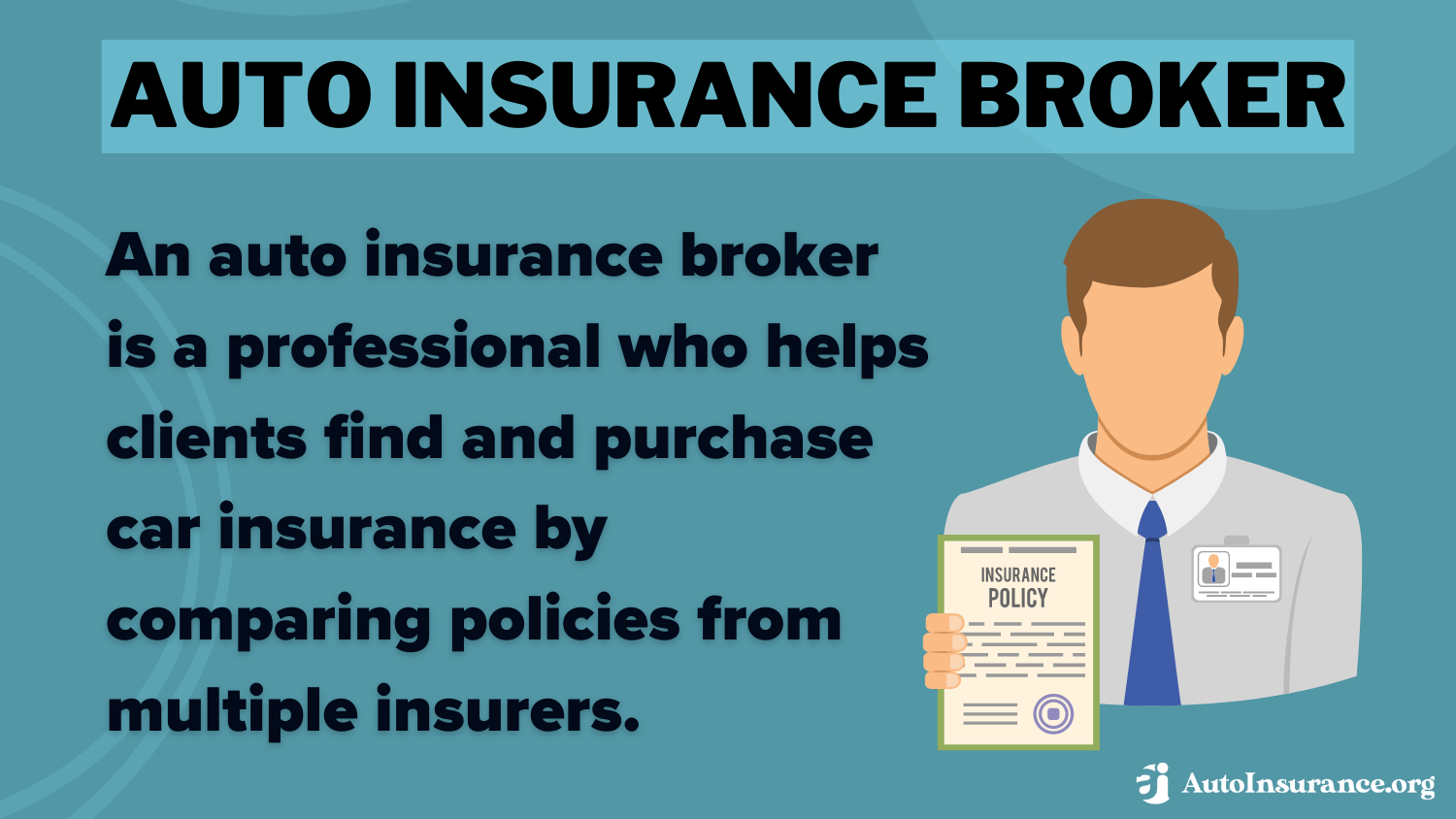
Because Alberta's private market allows for price variation, shop around or use an independent insurance broker who can access multiple companies. Always prioritize increasing your Third Party Liability to $2,000,000 and adding the SEF 44 Family Protection Endorsement. While the regulations provide a safety net, your individual policy choices are what will protect your financial future in the event of a catastrophic accident.
For the most up-to-date rate filing information or to verify an insurer's status, visit the Alberta Insurance Rate Board (AIRB) official website.