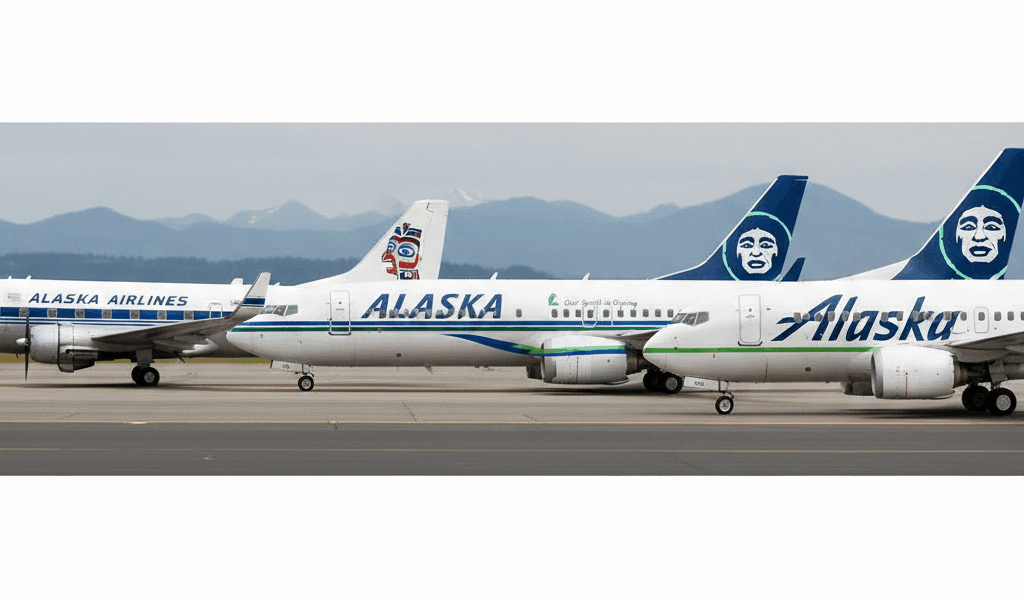
Alaska Airlines does not utilize different liveries to distinguish between geographic regions; rather, the carrier employs a unified brand identity across its entire fleet. While travelers may observe varied paint schemes on the tarmac, these differences are primarily defined by aircraft type, historical branding transitions, and specific marketing partnerships rather than regional operational requirements.
The Foundation of Alaska Airlines Branding
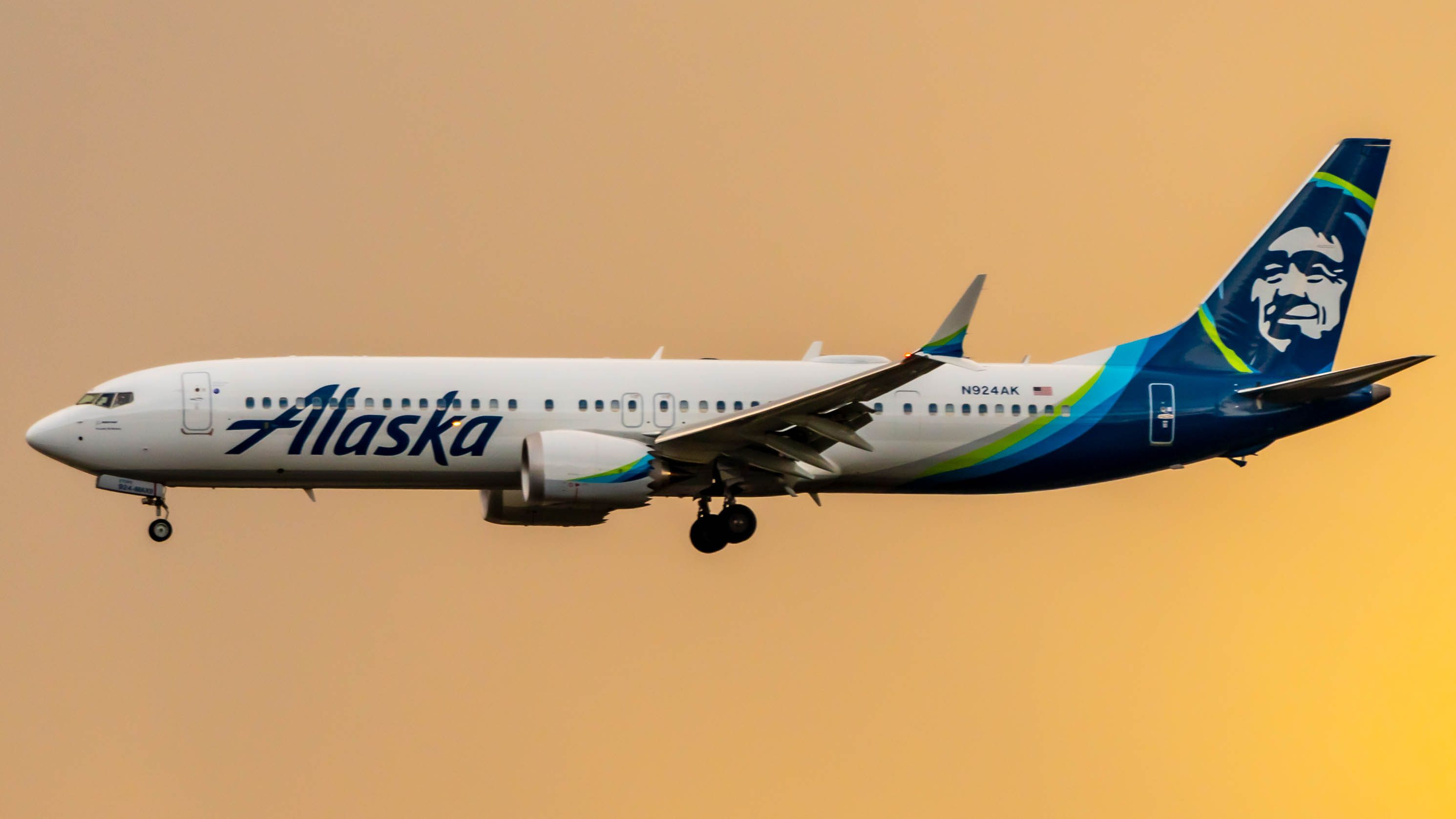
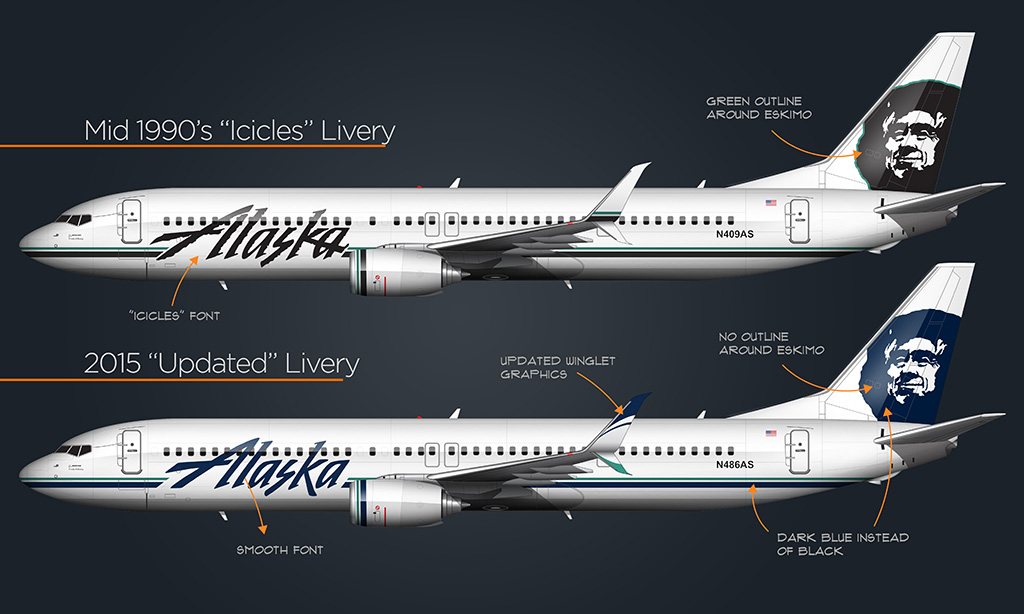
To understand the appearance of the Alaska Airlines fleet, one must first recognize the company’s strategic commitment to a cohesive visual identity. Since the major rebranding initiative that began in 2016, Alaska Airlines has worked to harmonize its image across its mainline fleet and its regional subsidiary, Horizon Air. The current brand identity, often referred to as the "Honoring Our Roots" design, is defined by the iconic "Chester" Eskimo icon on the tail and a sophisticated color palette consisting of Alaska Blue, Atlas Blue, and Tropical Blue.
These colors were specifically selected to evoke the geography of the Pacific Northwest and the carrier’s namesake state. The gradients—transitioning from darker, deeper blues to lighter, more vibrant shades—are intended to represent the transition from the deep ocean to the bright skies of the North. Because the airline operates as a single, integrated network, this livery is applied consistently regardless of whether the aircraft is flying from Seattle to Anchorage or from San Francisco to New York.
Why Travelers Perceive Regional "Color Variations"
If the airline maintains a unified brand standard, why do passengers frequently report seeing different "Alaska colors" in different regions? This perception is largely driven by three distinct operational and historical factors:
1. Fleet Composition and Aircraft Size
Regional jet operations, often conducted by Horizon Air or SkyWest Airlines under the Alaska Horizon or Alaska SkyWest banners, utilize different airframes—primarily the Embraer E175. These regional jets are often painted in a slightly modified version of the mainline livery to accommodate the physical dimensions of the aircraft. When a traveler at a smaller regional airport sees an E175 compared to a Boeing 737 or Airbus A321 at a major hub, the proportions of the logo and the color-blocking may appear slightly different due to the fuselage geometry, not because of regional branding mandates.
2. The Legacy of Mergers
The acquisition of Virgin America in 2016 remains the most significant factor in fleet visual inconsistency. For several years following the merger, the airline operated a hybrid fleet. While the vast majority of the former Virgin America fleet has been repainted or retired, some aircraft may occasionally retain remnants of branding or specific configurations that feel distinct from the core Alaska brand. As of 2026, the transition is essentially complete, but the residual memory of the "Red and White" Virgin branding persists in the minds of frequent flyers, often leading to a misattribution of color differences based on the routes those legacy aircraft previously served.
3. Specialty Liveries and Marketing Partnerships
Alaska Airlines is well-known for its extensive catalog of "specialty liveries." These are custom paint schemes applied to specific airframes to commemorate partnerships, such as the "Disney" planes, university-themed aircraft (like the University of Washington or Oregon State planes), or regional community tributes. These liveries are not assigned based on a fixed regional flight path; instead, they operate throughout the entire network. A passenger in California is just as likely to see an Alaska aircraft painted with a college mascot as a passenger in Alaska. These aircraft create a visual landscape that varies constantly, but these variations are thematic rather than geographic.
Technical Specifications of the Alaska Livery
The application of the Alaska Airlines livery is a highly technical process involving specific aerospace-grade coatings. These paints must withstand extreme temperature fluctuations, high-altitude UV radiation, and the abrasive nature of runway debris.
The transition from the old "all-white" fuselage design to the current "blue-to-white" gradient required significant engineering. The paint shop process involves stripping the aircraft to the bare metal, applying a base primer, and then layering multiple shades of blue. In 2026, the airline continues to utilize advanced paint technology that reduces weight compared to older, heavier coatings, contributing to overall fuel efficiency—a core operational goal for the carrier.
| Livery Element | Primary Color Component | Purpose |
|---|---|---|
| Tail Design | Chester (Eskimo) Icon | Brand recognition and historical legacy |
| Fuselage Base | Alaska Blue Gradient | Visual representation of Pacific Northwest skies |
| Winglets | Contrasting Blue / Brand Logo | Visibility and aerodynamic brand identification |
| Lettering | Bold Sans-Serif Typeface | Readability and modern aesthetic alignment |
Operational Consistency vs. Marketing Intent
From an operational standpoint, having a unified fleet livery is a massive advantage. It simplifies maintenance scheduling and allows the airline to swap aircraft across different routes without confusing passengers or ground crews. If Alaska Airlines were to attempt to color-code its fleet by region, it would introduce significant inefficiencies. For example, if a "California-only" painted aircraft needed maintenance in Seattle or was required to cover a flight from a hub in the Midwest, the airline would face logistical hurdles.
The marketing intent, however, remains focused on "The Alaska Spirit." The colors chosen are meant to project a feeling of reliability and warmth. By keeping the colors constant, the airline ensures that regardless of whether the traveler is in a rural terminal in Southeast Alaska or a bustling international hub in the lower 48 states, the service identity remains identical.
The Role of Regional Subsidiaries in Visual Identity
It is important to distinguish between "Alaska Airlines mainline" and its capacity purchase agreement (CPA) partners. These smaller, regional-sized aircraft are the backbone of service to smaller communities. In 2026, these aircraft are almost universally painted in the standard Alaska livery. However, the operational reality is that these smaller planes perform the "regional" heavy lifting.
When a passenger notes that regional flights look "smaller" or "different," they are observing the aircraft type—usually the Embraer E175—which is naturally suited for short-haul, lower-demand routes. The color palette remains the same, but the visual impact of the brand is scaled to the size of the aircraft.
Maintaining the Fleet: A 2026 Perspective
In 2026, the maintenance of the Alaska livery is more sustainable than ever. The airline has invested in "dry wash" technology and more durable paint sealants that ensure the blue gradients do not fade prematurely. Environmental conditions in the Pacific Northwest—rain, snow, and salt air—can be brutal on exterior paint. The use of hydrophobic coatings ensures that the aircraft maintain their intended look for longer periods, even when based in regions with high humidity or frequent precipitation.
Frequently Asked Questions
Do Alaska Airlines planes change colors based on the state they fly in?
No. Alaska Airlines uses a single, unified brand identity across all regions. Any perceived differences in color are typically due to lighting, aircraft size, or the presence of a "specialty livery" designed for a specific partnership, rather than geographic assignment.
What is the "Chester" logo seen on the tails?
The "Chester" logo is a stylized portrait of an Alaska Native man, which has been a part of the airline’s branding for decades. It is a core element of the current livery and remains consistently placed on the tail of all mainline and regional aircraft to maintain brand continuity.
Are there "regional" paint jobs for specific states like Oregon or Washington?
While there are no regional paint jobs that dictate which state an aircraft can fly to, Alaska Airlines does feature "community" and "university" aircraft. These specialty liveries may feature colors and logos associated with specific institutions or groups, but these planes are deployed across the entire network, not limited to a specific region.
How often are the colors on the aircraft updated?
The current livery was introduced in 2016. While there have been minor refinements to paint technology and the specific chemical composition of the coatings to improve durability and environmental performance, the visual brand identity remains consistent with the 2016 design refresh.
Why do some regional planes look different from the big Boeing jets?
This is due to the physical shape and size of the aircraft. The Embraer E175s used for regional routes have different dimensions than the Boeing 737s used on mainline routes. The livery is scaled to fit these different airframes, which can make the logos and color placement appear slightly different, even though the colors are identical.
Recommendations for Travelers
If you are interested in identifying specific aircraft or documenting the various specialty liveries within the Alaska Airlines fleet, you do not need to restrict your travel to specific regions. Because the airline practices "fleet-wide deployment," the most effective way to see the variety of liveries is to visit a major hub—such as Seattle-Tacoma International Airport (SEA)—where the diversity of the fleet is on full display.
For those interested in the history of the livery or the specific "Tail Number" of an aircraft they are boarding, the information is typically available via the aircraft’s registration markings located near the tail. You can use public aviation tracking databases to look up the history, the specific livery applied to that frame, and the operational service life of any Alaska Airlines aircraft. If you are a photography enthusiast, focus your efforts at large hubs during the mid-day hours when the maximum variety of aircraft types and livery iterations are typically present on the tarmac.