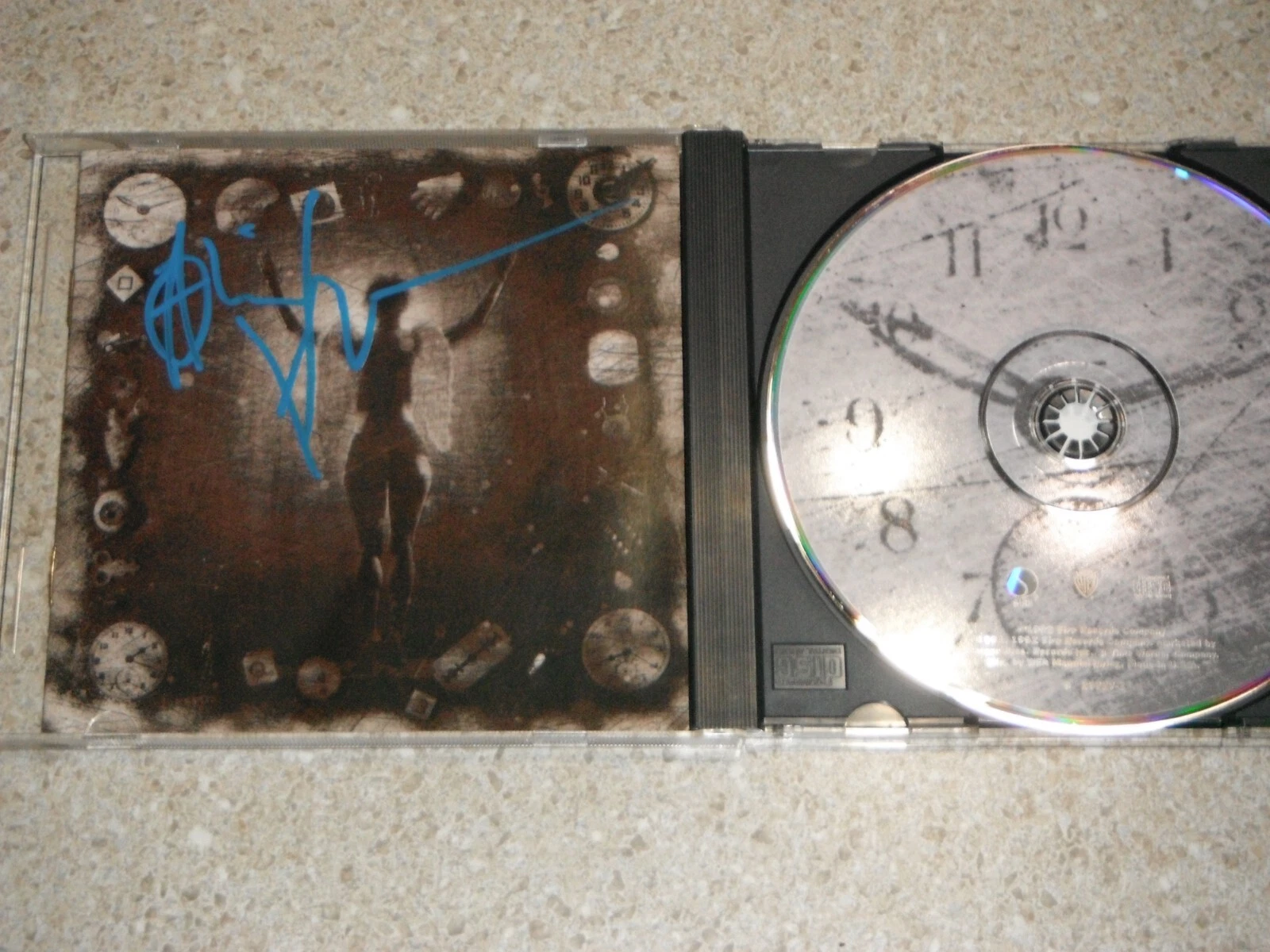
Alain Jourgensen is the primary creative force behind the industrial metal band Ministry and a pioneer of the aggressive fusion of electronic beats, heavy metal guitars, and political commentary. As a multi-instrumentalist, producer, and frontman, he has spent over four decades redefining the boundaries of alternative and industrial music.
Over a career spanning more than forty years, Alain Jourgensen has transformed from a synth-pop darling into the "Godfather of Industrial Metal." His journey is a testament to artistic resilience, marked by extreme shifts in musical style, high-profile collaborations, and a relentless commitment to political activism. As of 2026, Jourgensen remains a pivotal figure in the music industry, continuing to influence new generations of musicians while maintaining the uncompromising edge that defined his early work. To understand the impact of Alain Jourgensen is to understand the evolution of underground music into a global cultural force.
The Early Years: From Havana to the Chicago Underground
Born Alejandro Alberto Jourgensen on October 9, 1958, in Havana, Cuba, the artist moved to the United States as a young child. His upbringing in cities like Miami and Chicago provided a diverse cultural backdrop that would eventually inform his eclectic musical tastes. Before he became the face of industrial music, Jourgensen was deeply embedded in the nascent New Wave and post-punk scenes of the late 1970s.
In 1981, he formed Ministry. The early incarnation of the band was a sharp contrast to the crushing distortion and aggressive tempos for which they would later be known. Influenced by the likes of The Human League and Depeche Mode, Ministry’s debut album, With Sympathy (1983), featured synth-pop melodies and Jourgensen singing with a faux-British accent. This era remains a point of contention for Jourgensen, who has often claimed the record was a result of record label pressure and corporate interference. Despite his personal disdain for the period, With Sympathy established him as a talented songwriter capable of crafting infectious electronic hooks.
The Industrial Pivot: Redefining the Sound of the 1980s
The mid-1980s marked a radical shift in Alain Jourgensen’s creative trajectory. Breaking away from the constraints of major label pop, he began exploring the darker, more mechanical sounds emerging from the European "Electronic Body Music" (EBM) scene. The release of Twitch in 1986, produced by Adrian Sherwood, served as a bridge between his pop past and his industrial future.
The true breakthrough occurred with the 1988 release of The Land of Rape and Honey. This album is widely cited as the birth of industrial metal. Jourgensen began integrating heavy, distorted guitar riffs with complex sampling and aggressive drum machine programming. The result was a sonic landscape that felt both futuristic and primal.
Key Technical Innovations in the Ministry Sound
Jourgensen’s approach to production in the late 80s and early 90s was revolutionary. He utilized several key techniques that became staples of the industrial genre:
- Vocal Processing: Moving away from clean singing, Jourgensen began heavily distorting his vocals using Eventide Harmonizers and guitar distortion pedals. This allowed the voice to function as another percussive or textured layer within the mix.
- Rhythmic Sampling: Instead of using samples merely for atmosphere, Jourgensen integrated them into the rhythmic structure of the songs. Snippets of dialogue from films, news broadcasts, and political speeches were looped to create a sense of mechanical urgency.
- The "Wall of Sound" Guitar Technique: In collaboration with musicians like Mike Scaccia, Jourgensen layered multiple tracks of down-tuned guitars, often synchronized with precise drum programming. This created a density that was rare in electronic music at the time.
The Golden Era: Psalm 69 and Global Success
The early 1990s saw Alain Jourgensen reach the pinnacle of his commercial and critical success. The release of ΚΕΦΑΛΗΞΘ (commonly known as Psalm 69: The Way to Succeed and the Way to Suck Eggs) in 1992 brought industrial metal into the mainstream. Supported by high-rotation videos on MTV for tracks like "N.W.O." and "Jesus Built My Hotrod," Ministry became a household name within the alternative rock boom.
"Jesus Built My Hotrod," featuring guest vocals from Gibby Haynes of the Butthole Surfers, demonstrated Jourgensen's ability to blend high-concept noise with a sense of chaotic, drug-fueled humor. Meanwhile, "N.W.O." showcased his burgeoning political focus, sampling George H.W. Bush and critiquing the geopolitical shifts of the post-Cold War era. During this time, Jourgensen’s reputation for excess and a "living on the edge" lifestyle became as famous as his music, contributing to the dark, legendary status of the Lollapalooza tours of that era.
Side Projects and Collaborative Efforts
Alain Jourgensen’s creative output has never been limited to Ministry. He has been a prolific collaborator, participating in numerous side projects that allowed him to explore different facets of his musical personality. These projects often served as laboratories for ideas that would later be refined in his main work.
- Revolting Cocks (RevCo): Formed with Richard 23 of Front 242 and Luc Van Acker, this project leaned into the debauchery and dark humor of the industrial scene. It was more collaborative and experimental, often incorporating elements of disco, country, and dance music.
- Lard: A collaboration with Jello Biafra of the Dead Kennedys. This project married Jourgensen’s industrial production with Biafra’s signature punk rock vocals and biting political satire.
- Pailhead: A short-lived but influential collaboration with Ian MacKaye of Fugazi and Minor Threat, bridging the gap between Washington D.C. hardcore and Chicago industrial music.
- 1,000 Homo DJs: Known primarily for their cover of Black Sabbath’s "Supernaut," this project allowed Jourgensen to experiment with heavy rock sounds away from the Ministry brand.
The Evolution of Ministry: Core Eras Comparison
To understand the vastness of Alain Jourgensen’s career, it is helpful to look at how Ministry’s sound evolved across different decades.
| Era | Primary Style | Key Albums | Technical Focus |
|---|---|---|---|
| Early 80s (The Synth Era) | New Wave / Synth-pop | With Sympathy | Roland Juno-60, clean vocals, melodic sequences. |
| Late 80s (The Industrial Birth) | EBM / Industrial | The Land of Rape and Honey | Fairlight CMI, heavy sampling, E-mu Emulator. |
| Early 90s (The Metal Peak) | Industrial Metal | Psalm 69, The Mind is a Terrible Thing to Taste | Overdriven guitars, 16-step sequencers, aggressive vocal processing. |
| 2000s (The Political Trilogy) | Speed/Thrash Metal | Houses of the Molé, Rio Grande Blood | High-tempo riffs, political sampling, anti-establishment themes. |
| 2020s (The Modern Synthesis) | Industrial / Groove | Moral Hygiene, HOPIUMFORTHEMASSES | Modern DAW integration, socio-political commentary, return to groove-heavy industrial. |
Political Activism and the "Bush Trilogy"
Alain Jourgensen has always been a political artist, but the 2000s saw him focus his energy specifically on the presidency of George W. Bush. This period produced what fans call the "Bush Trilogy": Houses of the Molé (2004), Rio Grande Blood (2006), and The Last Sucker (2007).
These albums saw Ministry lean harder into thrash metal influences, characterized by blistering speeds and relentless critiques of American foreign policy, corporate greed, and the Iraq War. Jourgensen’s lyrics became more direct, leaving behind the abstract imagery of the 80s in favor of blunt, confrontational messaging. This era re-energized the band's fanbase and solidified Jourgensen’s role as a counter-cultural firebrand.
Health, Sobriety, and the 2026 Perspective
The lifestyle that Alain Jourgensen led during the height of Ministry’s fame was famously destructive. For years, he battled severe heroin and cocaine addictions, which he has documented candidly in his autobiography, Ministry: The Lost Gospels According to Al Jourgensen. In the late 2010s and leading into the 2020s, Jourgensen underwent a significant personal transformation.
As of 2026, Jourgensen has maintained a healthier lifestyle, which he credits for his continued ability to tour and record. This clarity has also allowed him to revisit his back catalog with a new perspective. In recent years, he has performed tours that celebrate the early industrial milestones, acknowledging the importance of albums he once tried to distance himself from. His resilience is often cited as a miracle by peers in the industry, having survived multiple near-death experiences and legal battles.
Production Philosophy and Studio Mastery
Beyond his role as a performer, Alain Jourgensen is a highly respected studio engineer and producer. His philosophy often involves pushing equipment beyond its intended use. In the 1980s, this meant overloading mixing consoles to achieve a specific harmonic distortion. In the digital age, it involves complex layering within Digital Audio Workstations (DAWs) to recreate the organic chaos of his analog years.
He has often spoken about the "happy accidents" in the studio—the moments where a technical glitch or a misaligned sample creates a unique sound that defines a track. This willingness to embrace error as an aesthetic choice is what gives Ministry records their distinctive, gritty texture. Jourgensen remains hands-on with his production, often spending months in his "13th Planet" studios meticulously crafting the soundscapes for his albums.
Frequently Asked Questions
Why does Alain Jourgensen sometimes go by different names?
While born Alejandro Alberto Jourgensen, he is most commonly known as Al Jourgensen or Alain Jourgensen. In his various side projects, he has used numerous pseudonyms, such as Hypo Luxa, Buck Satan, and Alien Dog Star. These names often represented different "characters" or creative outlets that allowed him to explore genres like country, dub, or extreme metal without the expectations associated with the Ministry name.
What happened to Alain Jourgensen's teeth?
Jourgensen’s physical appearance has changed significantly over the years, often reflecting his lifestyle. He has been open about the dental issues he faced due to years of drug use and health neglect. In recent years, he underwent extensive dental reconstruction, which he has discussed in interviews as part of his overall health journey and commitment to his later-career "rebirth."
Is Ministry still active in 2026?
Yes, as of 2026, Ministry remains active. Although Jourgensen has announced the "final Ministry album" or "retirement" multiple times in the past (most notably in 2008 and again in the early 2020s), his creative drive has consistently brought him back to the studio and the stage. The 2024 album HOPIUMFORTHEMASSES was followed by significant touring, and Jourgensen has hinted at a final project that would bring the band's story full circle.
How did Al Jourgensen influence the band Nine Inch Nails?
Alain Jourgensen is often cited as a major influence on Trent Reznor and Nine Inch Nails. The fusion of electronics and heavy guitars pioneered by Jourgensen on The Land of Rape and Honey provided the blueprint for NIN’s early work. Reznor has acknowledged this influence, and the two have shared the stage and festival lineups throughout their careers, representing the first and second waves of industrial music's mainstream ascent.
What are the "Lost Gospels" of Alain Jourgensen?
Ministry: The Lost Gospels According to Al Jourgensen is his official autobiography, co-written with Jon Wiederhorn. Released in 2013, the book provides an unflinching look at his life, from his childhood in Cuba to the height of his drug addiction and his eventual path toward stability. It is considered one of the most honest and harrowing memoirs in the history of rock music.
Final Recommendations for the Listener
For those looking to explore the work of Alain Jourgensen, the following steps are recommended:
- Start with the "Big Three": To understand his impact on music history, listen to The Land of Rape and Honey, The Mind is a Terrible Thing to Taste, and Psalm 69 in chronological order. This provides the clearest picture of the evolution of industrial metal.
- Explore the Side Projects: Once familiar with Ministry, dive into the Revolting Cocks album Beers, Steers & Queers for a look at his more experimental and humorous side, or Lard’s The Last Temptation of Reid for a punk-industrial hybrid.
- Read the Autobiography: To gain context for the chaotic sounds on the records, read The Lost Gospels. Understanding the personal turmoil behind the music adds a layer of depth to the listening experience.
- Follow Modern Releases: Do not overlook his 2020s output. Albums like Moral Hygiene (2021) and HOPIUMFORTHEMASSES (2024) demonstrate that Jourgensen is still capable of producing relevant, high-energy music that addresses contemporary global issues.