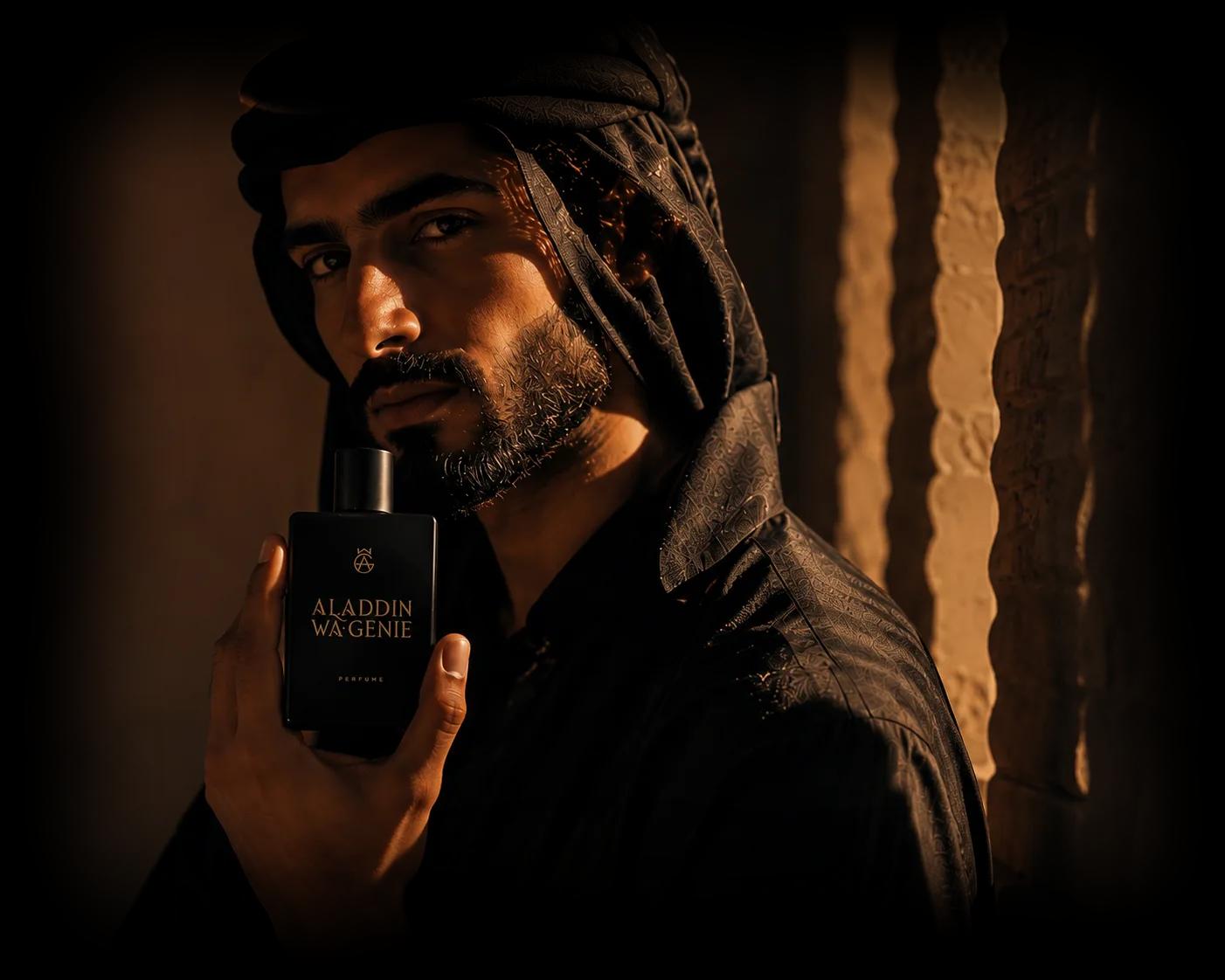
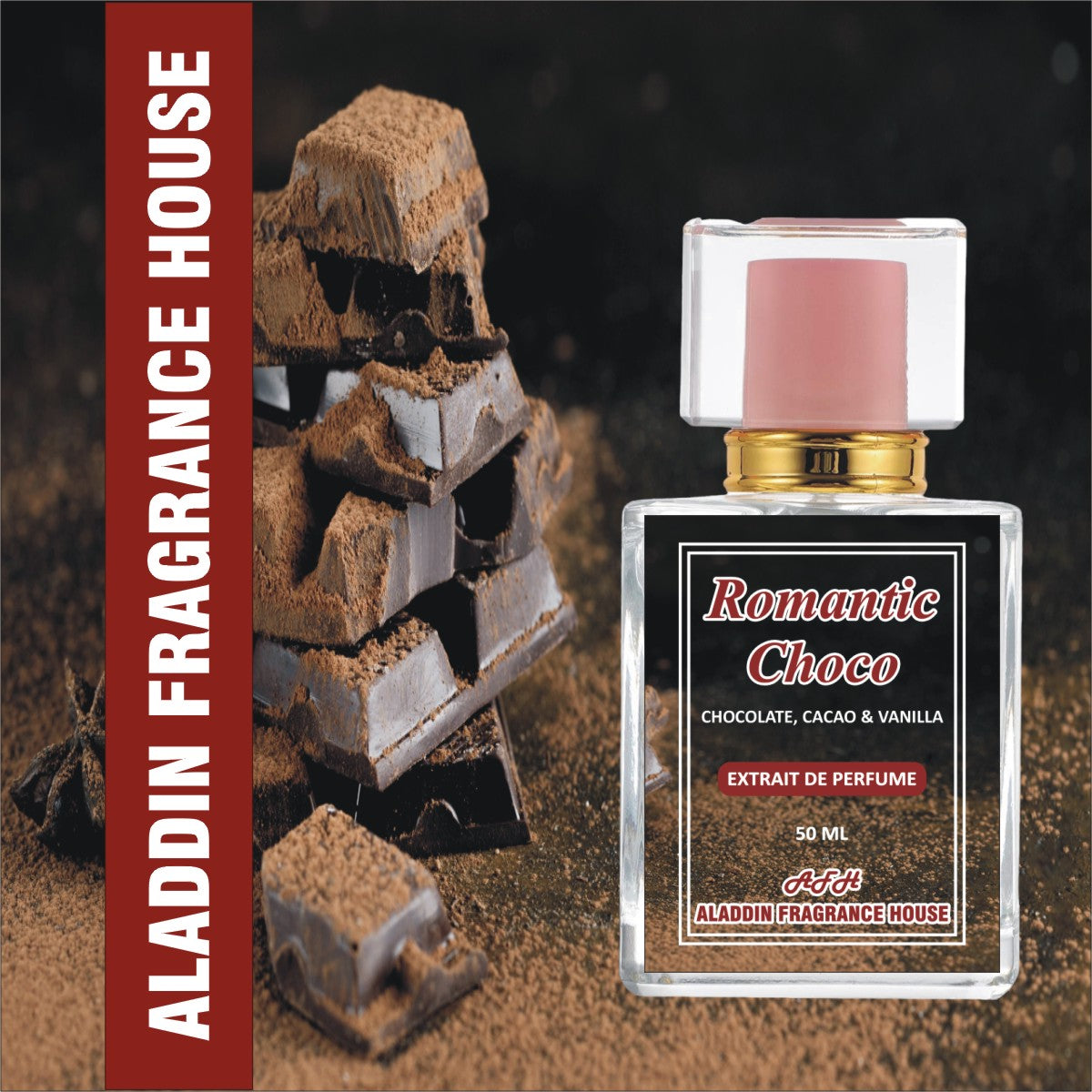
Aladdin fragrances occupy a distinctive niche within the global perfume market, bridging traditional Middle Eastern scent profiles with contemporary commercial distribution demands. Tracing their trajectory reveals how heritage-inspired houses navigate modern regulatory standards, shifting consumer preferences, and competitive retail landscapes.
The global perfume market operates within a multi-billion-dollar ecosystem encompassing mass-market aerosols, prestige designer brands, and ultra-exclusive niche houses. Within this vast landscape, houses drawing upon Middle Eastern or historical oriental motifs—often evoking themes from the Arabian Nights or the name "Aladdin"—must carefully calibrate their market positioning. These fragrances typically leverage rich, resinous raw materials such as oud, amber, musk, and heavy floral absolutes, distinguishing themselves from the lighter, citrus- and aquatic-driven profiles common in Western mainstream retail.
Understanding the place of Aladdin-themed or similarly named fragrance lines requires examining historical context, formulation chemistry, distribution channels, and consumer demographics. As the fragrance industry experiences a pivot toward transparency, sustainability, and cross-cultural appreciation, independent and heritage-themed brands face both unique commercial opportunities and complex operational hurdles.
Historical Evolution and Cultural Roots of Oriental Perfumery
The genealogy of fragrances bearing names like Aladdin is deeply intertwined with the history of oriental perfumery. For centuries, the trade routes connecting the Arabian Peninsula, Persia, India, and the Mediterranean served as conduits not only for spices and silks, but also for aromatic gums, resins, and distillation techniques.
The Influence of Traditional Ingredients
Traditional oriental formulations—frequently referenced in marketing narratives surrounding Aladdin fragrances—rely heavily on notes that offer exceptional longevity and sillage (the scent trail left by a fragrance):
- Oud (Aguallwood): Formed when Aquilaria trees react to mold infection, producing a dense, dark, highly aromatic resin prized for its woody, animalic, and medicinal depth.
- Amber and Labdanum: Warm, sweet, resinous bases that provide a golden, enveloping warmth to complex compositions.
- Damask Rose: Cultivated extensively in regions like Taif, Saudi Arabia, and parts of Bulgaria, offering a rich, honeyed floral facet that pairs seamlessly with heavy woods.
- Spices: Saffron, cardamom, and clove, which inject immediate vibrancy and warmth into the opening notes of a composition.
These ingredients form the sensory backbone of what consumers historically identified as "exotic" or "oriental" perfumes—terminology that the modern fragrance industry has increasingly reevaluated in favor of terms like "amber" or "warm spicy" to ensure cultural sensitivity and accuracy.
Market Segmentation and Positioning
The modern perfume market is broadly segmented into mass-market (drugstore and celebrity scents), prestige (department store designer brands), and niche/independent houses. Fragrances under heritage-inspired monikers typically navigate the intersection of accessible prestige and niche-style storytelling.
| Market Segment | Primary Price Point | Typical Distribution Channels |
|---|---|---|
| Mass-Market | Under $30 | Drugstores, supermarkets |
| Prestige/Designer | $50 – $150 | Department stores, brand sites |
| Niche/Independent | $150 – $400+ | Specialty boutiques, e-commerce |
| Heritage/Oriental | $40 – $180 | Regional retailers, specialty hubs |
Navigating Consumer Expectations
Brands operating under thematic names must balance consumer expectations for storytelling with juice quality. While packaging may incorporate ornate metallic filigree, velvet boxes, or lamp-inspired flacons reminiscent of classic folklore, the liquid inside must conform to stringent contemporary safety and quality expectations. Modern buyers, empowered by online fragrance communities and review platforms, readily distinguish between superficial gimmickry and genuine craftsmanship.
Regulatory Compliance and Formulation Standards
The contemporary perfume market operates under strict regulatory oversight, most notably governed by the International Fragrance Association (IFRA) and regional regulatory bodies such as the European Union's Cosmetics Regulation. For heritage-inspired fragrances, adapting traditional formulas to meet these modern standards is a critical operational hurdle.
Safety and Allergen Restrictions
Many natural raw materials historically favored in Middle Eastern and oriental perfumery contain compounds that are now restricted or prohibited due to sensitization and allergen concerns. For example:
- Oakmoss and Treemoss: Valued for their earthy, chypre depth, their use is heavily capped due to potential skin sensitization.
- Natural Animalic Musks: Sourced historically from musk deer or civet cats, these are largely replaced by safe, synthetic musks (such as nitro-musks or macrocyclic musks) to comply with ethical and environmental standards.
- Balsams and Resins: Certain natural balsams containing benzyl benzoate or cinnamic alcohol require strict concentration limits.
Formulators of Aladdin-themed fragrances must employ advanced gas chromatography-mass spectrometry (GC-MS) and collaborate with master perfumers (noses) to recreate the rich, opulent profiles of traditional scents while strictly adhering to IFRA guidelines.
Distribution, E-Commerce, and Global Reach
The globalization of the perfume market has transformed how regional and thematic fragrance brands reach consumers. Historically confined to specialized bazaars or regional boutiques in the Middle East and South Asia, these products now occupy prominent digital storefronts.
The Rise of Borderless Retail
E-commerce platforms, social media fragrance influencers, and dedicated online decant communities have democratized access to scent profiles once considered niche or hard-to-find. Brands utilizing evocative themes benefit significantly from visual platforms like Instagram and TikTok, where aesthetically striking packaging and rich, evocative storytelling perform exceptionally well.
However, cross-border shipping of perfumes presents unique logistical challenges:
- Hazardous Materials Classification: Alcohol-based perfumes are classified as flammable liquids (Class 3 dangerous goods), requiring specialized courier handling and restricting standard air freight options.
- Customs and Import Duties: Regulatory compliance regarding cosmetic registration varies significantly by jurisdiction, impacting the ease of expansion into North American, European, and East Asian markets.
Comparative Analysis: Thematic vs. Mainstream Offerings
To understand where Aladdin-styled fragrances fit within the broader retail ecosystem, it is helpful to compare their core characteristics against mainstream designer releases.
| Feature | Mainstream Designer Fragrances | Heritage / Thematic Fragrances |
|---|---|---|
| Primary Scent Profile | Fresh, citrus, aquatic, clean floral | Amber, heavy wood, oud, spicy oriental |
| Target Audience | Broad, global demographic | Scent enthusiasts, regional heritage buyers |
| Concentration | Typically Eau de Toilette (EDT) or light EDP | Eau de Parfum (EDP), Extrait, or oil-based (attar) |
| Longevity | Moderate (4–6 hours) | High (8–12+ hours) |
| Bottle Design | Sleek, minimalist, or modern geometric | Ornate, decorative, culturally symbolic |
Frequently Asked Questions
What defines an oriental or heritage-inspired fragrance profile?
These profiles typically feature warm, rich, and heavy base notes such as amber, oud, musk, resinous balsams, and exotic spices. They are designed to offer greater longevity and projection compared to lighter, fresh-citrus compositions.
Are traditional ingredients like natural oud still used in commercial perfumes?
While true wild oud is exceedingly rare and prohibitively expensive, modern perfumers utilize sustainably cultivated agarwood, high-grade synthetic reconstructions, or blends of natural and synthetic components to achieve authentic olfactive profiles.
How do regulatory bodies like IFRA impact these fragrances?
IFRA sets safety standards that limit or ban certain natural allergens and sensitizers found in traditional ingredients. Perfumers must reformulate classic scents to ensure they are safe for skin contact without losing their signature character.
Why do some fragrance bottles feature ornate, thematic designs?
Packaging is an integral component of the sensory and cultural experience in oriental and heritage perfumery. Ornate bottles reflect historical artistry and signal to the consumer the rich, luxurious nature of the liquid inside.
Can oil-based perfumes (attars) be worn the same way as alcohol-based sprays?
Traditional alcohol-free oil-based perfumes are typically applied directly to pulse points. Because they lack alcohol, they do not project as widely through the air initially, but they tend to sit closer to the skin and last significantly longer.
Strategic Outlook and Recommendations
For consumers and industry observers evaluating the landscape of specialty and thematic perfumery, success lies in looking beyond marketing narratives to assess quality, transparency, and compliance. When exploring houses inspired by classic motifs or regional traditions, prioritize brands that offer clear ingredient disclosures, batch transparency, and compliance with recognized safety standards. Sampling via decants or discovery sets is strongly recommended before committing to full-bottle purchases, as heavy resinous and oud-dominant profiles require specific skin chemistry and climatic conditions to wear harmoniously.