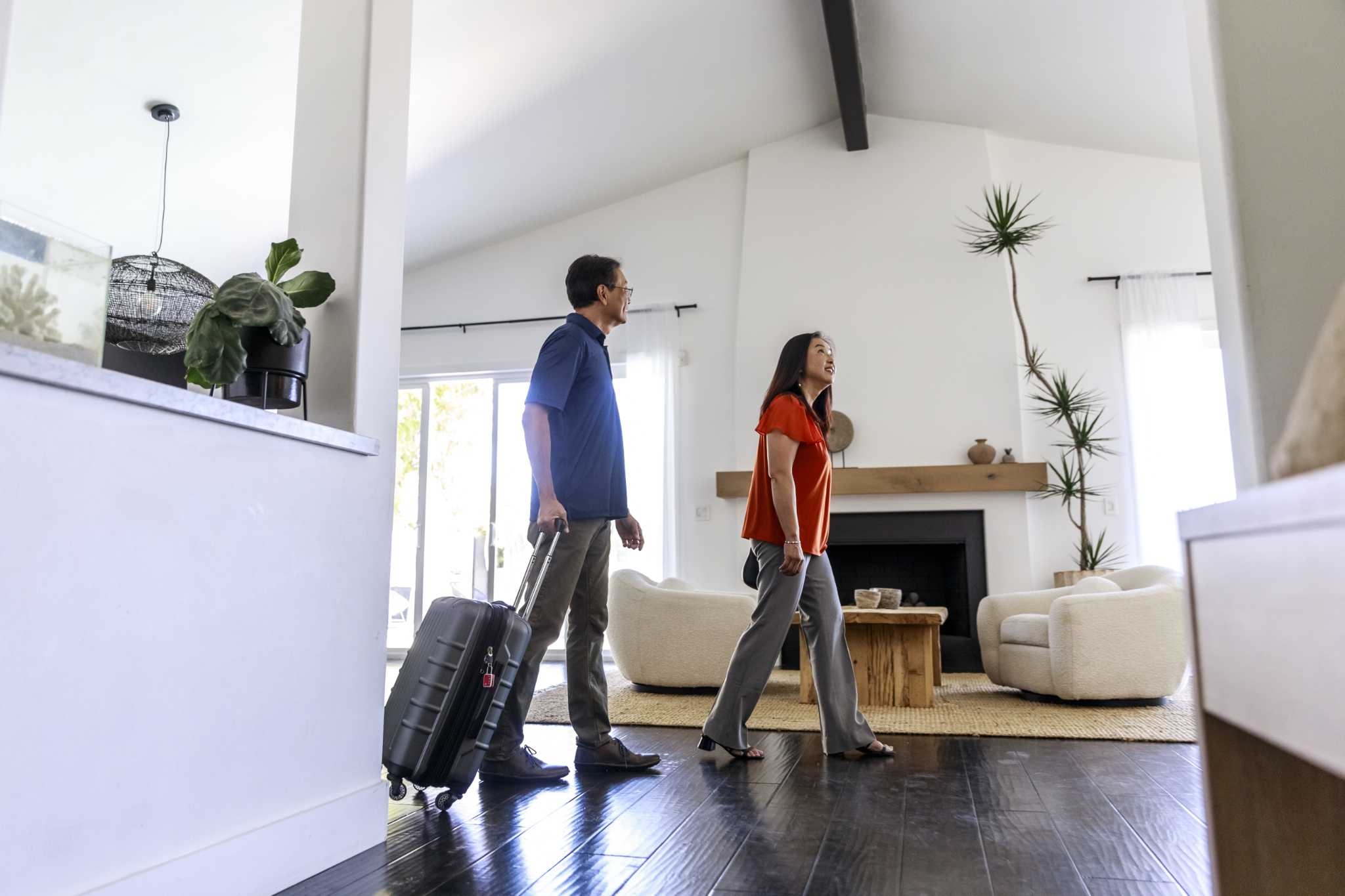
Airbnb is safe for most trips because the platform integrates comprehensive identity verification, a robust two-way review system, and AirCover protection for every booking. While no travel experience is entirely without risk, following platform protocols—such as keeping communication and payments within the app—significantly mitigates potential safety, financial, and privacy concerns for travelers globally.
The Evolution of Airbnb Safety Standards in 2026
As of 2026, the short-term rental market has matured significantly, moving from a niche "couch-surfing" alternative to a highly regulated global industry. Airbnb remains at the forefront of this evolution by prioritizing guest security through a multi-layered approach. The perception that Airbnb is safe for most trips is backed by data indicating that serious safety incidents remain extremely rare relative to the millions of check-ins occurring daily.
To maintain this safety record, the platform employs a combination of advanced technology and community-driven oversight. Every guest and host must undergo a verification process that often includes government-issued identification and, in certain jurisdictions, background checks. Furthermore, Airbnb utilizes sophisticated AI-driven risk models to flag and block high-risk reservations—such as those likely to result in unauthorized parties—before they even happen.
Understanding the components of this safety ecosystem is essential for any traveler. Security on the platform is not a passive feature but a collaborative effort between the platform’s infrastructure, the host’s transparency, and the guest’s due diligence. By leveraging the tools provided, travelers can enjoy unique local experiences with a level of security that rivals traditional hospitality sectors.
Core Safety Pillars: AirCover and Identity Verification
The backbone of Airbnb’s safety promise is AirCover, a comprehensive protection plan that is included for free with every booking. In 2026, AirCover remains the industry standard for guest protection, ensuring that users are never left stranded or financially liable for circumstances outside their control.
Comprehensive Guest Protection
AirCover provides four primary protections for guests:
- Booking Protection Guarantee: If a host cancels within 30 days of check-in, Airbnb will find a similar or better home or refund the guest.
- Get-What-You-Booked Guarantee: If the listing is significantly different from what was advertised (e.g., fewer bedrooms, missing promised amenities like a pool), Airbnb will intervene to provide a remedy.
- Check-In Guarantee: If a guest cannot get into the home and the host is unresponsive, the platform provides immediate assistance.
- 24-Hour Safety Line: A dedicated priority line for guests who feel unsafe at any point during their stay.
Rigorous Identity Verification
Safety begins before the guest even reaches the property. Airbnb’s identity verification process requires hosts and guests to provide their legal names, addresses, and photos of government IDs. This creates a digital trail that discourages fraudulent activity and holds all parties accountable. In 2026, the platform has further integrated biometric verification in many regions, ensuring that the person checking in is indeed the person who booked the stay. This layer of security is a primary reason why Airbnb is safe for most trips, as it effectively filters out anonymous actors.
The Power of the Two-Way Review System
One of the most effective safety features is the community review system. Unlike traditional hotels where feedback is often one-sided, Airbnb utilizes a double-blind review process. This means that neither the host nor the guest can see what the other wrote until both have submitted their reviews or the 14-day window has expired.
Assessing Property Quality and Safety
Reviews serve as a live "safety audit" of a property. When reading reviews, guests should look for specific mentions of:
- Check-in Ease: Did the smart lock work? Was the host present or accessible?
- Neighborhood Safety: Did previous guests feel comfortable walking around at night?
- Accuracy: Did the photos match the reality of the space?
- Cleanliness: This is often a proxy for the host’s overall attention to detail and care for the property.
The Role of Superhosts
For travelers who are particularly concerned about safety, booking with a Superhost provides an additional layer of assurance. Superhosts are experienced hosts who have maintained a high rating (usually 4.8 or higher), have a low cancellation rate, and have completed a significant number of stays. Their track record is a verified indicator of reliability and professionalism, making their listings among the safest options on the platform.
Physical Safety and Property Standards
For a trip to be truly safe, the physical environment must meet certain standards. Airbnb requires hosts to disclose the presence of safety equipment in their listings. While standards can vary by country, the platform encourages and, in some regions, mandates the inclusion of essential life-safety devices.
Essential Safety Equipment
When browsing a listing, guests should check the "Amenities" section for the following:
- Smoke and Carbon Monoxide Detectors: Airbnb provides these to hosts for free in many regions to ensure baseline fire safety.
- First Aid Kits: Many professional hosts include basic medical supplies.
- Fire Extinguishers: Essential for properties with full kitchens.
- Emergency Contact Information: Hosts are encouraged to post local emergency numbers (police, fire, hospital) clearly within the unit.
Privacy and Surveillance Policies
In 2026, privacy is a major component of travel safety. Airbnb has strict policies regarding surveillance. Hidden cameras are strictly prohibited. Any cameras located in common areas (such as the living room or exterior) must be clearly disclosed in the listing description before a guest books. Cameras are never allowed in private spaces like bedrooms or bathrooms. Violations of these rules lead to permanent removal from the platform and potential legal action. This transparency is key to why Airbnb is safe for most trips, as it empowers guests with knowledge of their surroundings before they arrive.
Financial Security and Scam Prevention
A common concern for travelers is the risk of financial fraud. Airbnb is safe for most trips specifically because it acts as a secure intermediary for all financial transactions. The platform’s payment system is designed to protect both parties.
Why You Must Stay on the Platform
The most important rule for Airbnb safety is to never pay or communicate outside of the Airbnb platform. If a host asks for a bank transfer, PayPal, or cash payment to "avoid fees," it is almost certainly a scam. When you pay through Airbnb:
- Your money is held by the platform and only released to the host 24 hours after check-in.
- You are protected by AirCover.
- Airbnb has a record of all communications if a dispute arises.
Recognizing Phishing and Fraud
Scammers may attempt to send emails that look like they are from Airbnb, directing you to a fake login page. Always verify that you are on airbnb.com or using the official mobile app. Airbnb will never ask for your password via email or text. By adhering to these digital safety protocols, guests can virtually eliminate the risk of financial loss.
Comparative Safety Analysis: Airbnb vs. Hotels
To understand why Airbnb is safe for most trips, it is helpful to compare its safety features with those of traditional hotels.
| Feature | Airbnb (2026) | Traditional Hotel |
|---|---|---|
| Verification | Identity verification for both Guest & Host. | Identity verification for Guest only. |
| Reviews | Peer-to-peer, double-blind reviews. | Professional & traveler reviews (often one-way). |
| Financial Security | Escrow-style payment via platform. | Direct payment or via third-party agency. |
| On-Site Security | Varies by host; often smart locks/private entry. | Professional security, cameras, front desk. |
| Emergency Support | 24/7 Safety Line & AirCover. | On-site staff and management. |
| Privacy | Entire homes offer high privacy; no daily staff. | Daily housekeeping; shared hallways/lobbies. |
While hotels offer the benefit of on-site staff and consistent professional security, Airbnb offers a more personalized, peer-vetted experience. For many, the ability to see exactly what previous guests experienced in a specific unit provides a level of transparency that hotel brands cannot always match.
Troubleshooting Common Safety Issues
Even with extensive safeguards, issues can occasionally arise. Knowing how to handle these situations ensures that a minor problem does not escalate.
- Problem: The neighborhood feels unsafe.
- Action: If you arrive and the area does not match the description or feels genuinely dangerous, do not check in. Contact the Airbnb 24-hour safety line immediately. Document your concerns with photos or videos if relevant.
- Problem: You find an undisclosed camera.
- Action: Cover the camera, leave the property if you feel comfortable doing so, and report the host to Airbnb immediately. This is a severe policy violation.
- Problem: The host is being overly intrusive.
- Action: Remind the host of your right to privacy via the Airbnb messaging system. If the behavior continues, contact support to facilitate a rebooking.
FAQ: Common Concerns About Airbnb Safety
Is it safer to stay in a hotel or an Airbnb?
Both options are generally safe, but they offer different types of security. Hotels provide a centralized, professional security staff and standardized fire codes. Airbnb offers a community-vetted experience where you can read specific feedback about a single unit and host. For most trips, the safety level is comparable, provided the guest follows Airbnb’s safety guidelines.
What should I do if a host asks for payment outside of Airbnb?
Never agree to this. Contact Airbnb support immediately and report the host. Paying off-platform voids all your protections under AirCover and is the most common way travelers lose money to scams.
How can I verify if a listing is legitimate before booking?
Check for the "Verified" badge on the host's profile, read multiple reviews from different dates, and look for a high volume of positive feedback. If a listing has zero reviews and the price seems too good to be true, proceed with caution or choose a Superhost instead.
Does Airbnb provide insurance if I get injured during my stay?
Yes, Airbnb’s AirCover for Hosts includes Host Liability Insurance, which provides hosts with $1 million in coverage in the event a guest is found to be legally responsible for a bodily injury or property damage. Guests should also carry their own travel or health insurance for comprehensive protection.
Are hidden cameras legal in Airbnb properties?
No. Airbnb’s global policy strictly prohibits hidden cameras. Any recording devices in common areas must be clearly disclosed in the listing description. Recording devices are never permitted in bathrooms or sleeping areas.
Practical Recommendations for a Safe Trip
To ensure that your Airbnb experience remains secure, follow these expert-recommended steps:
- Prioritize Superhosts: If you are new to the platform or traveling to an unfamiliar region, filter your search to "Superhosts" only.
- Read the "Safety & Property" Section: Before booking, scroll to the bottom of the listing to see what safety features (smoke alarms, etc.) are installed.
- Communicate via the App: Use the internal messaging system for all logistics. This creates a permanent, timestamped record that Airbnb can use to help you if a dispute occurs.
- Google Map the Area: Use Street View to get a sense of the neighborhood and proximity to public transit or well-lit areas before you arrive.
- Trust Your Instincts: If a listing feels "off" or a host’s communication is unprofessional, it is better to choose a different property. There are millions of listings; your peace of mind is worth the extra search time.
By understanding the infrastructure of the platform and exercising basic travel precautions, you will find that Airbnb is safe for most trips, offering a unique and secure way to explore the world in 2026.