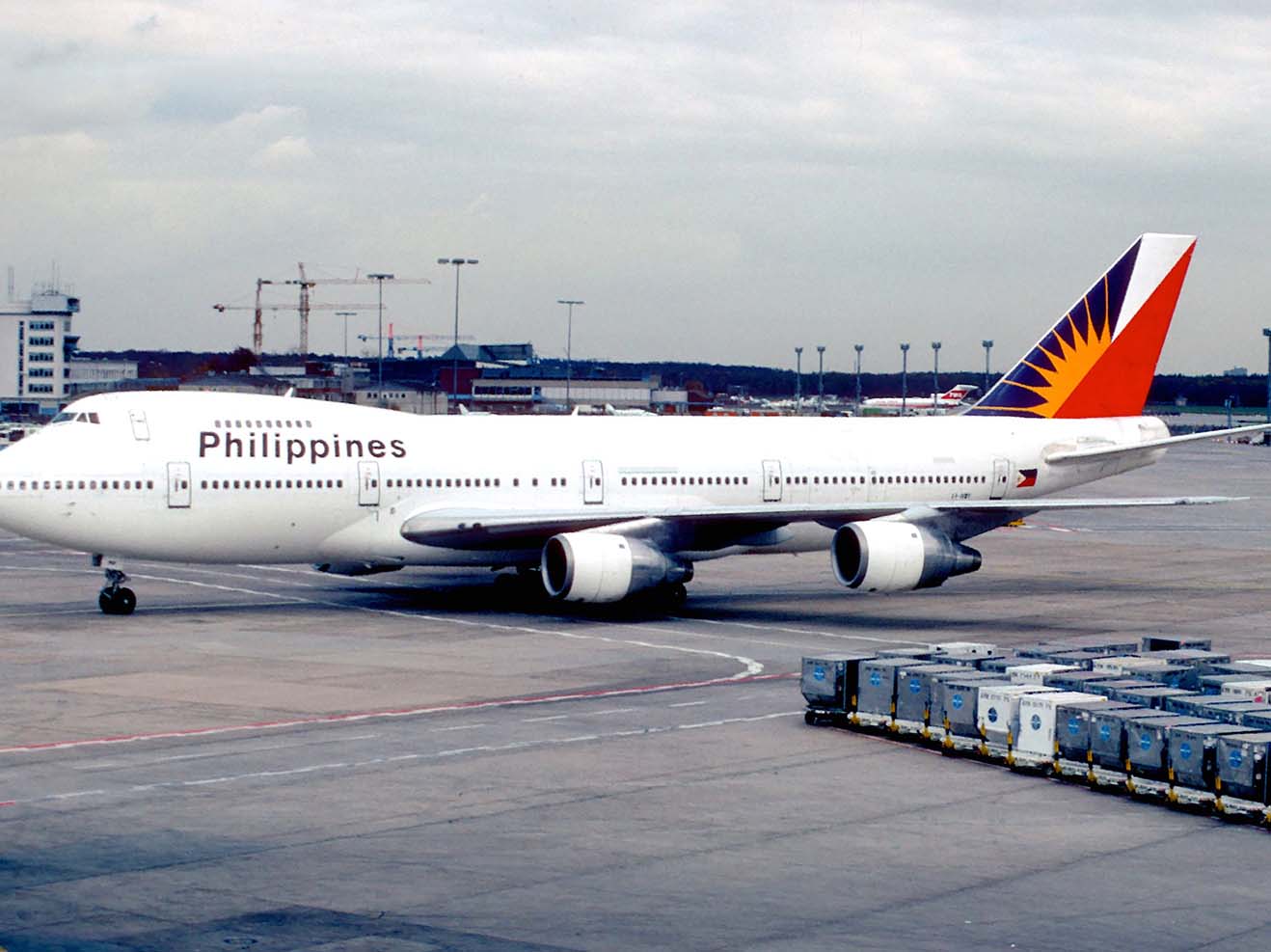
Domestic air travel in the Philippines is anchored by PAL Express (formerly Air Philippines) and major low-cost carriers. In 2026, the network spans over 30 provinces, offering vital links between the archipelago's major islands through modernized fleets and expanded regional hubs in Manila, Cebu, Clark, and Davao.
The Evolution of Air Philippines into PAL Express
To understand the current landscape of domestic aviation, one must look at the transition of Air Philippines. Originally established as a domestic powerhouse, the airline underwent several rebrandings, eventually becoming PAL Express. As of 2026, it operates as the primary domestic subsidiary of Philippine Airlines (PAL), the country’s flag carrier. This relationship allows travelers to enjoy a seamless experience between international arrivals and domestic connections.
PAL Express handles the majority of the group’s turbo-prop operations and a significant portion of its narrow-body jet flights. For passengers searching for "Air Philippines," the modern equivalent is a service that blends the efficiency of a budget carrier with the reliability and "Buong Pusong Alaga" (wholehearted care) philosophy of the parent company. In 2026, PAL Express remains a dominant force, particularly in routes requiring short-field takeoffs and landings, such as those servicing the Batanes Islands or the smaller airports in the Visayas.
The integration has also streamlined the Mabuhay Miles loyalty program. Travelers flying on what was formerly Air Philippines routes now earn the same rewards as those on international PAL flights. This synergy has made it the preferred choice for business travelers and premium tourists who prioritize schedule reliability and lounge access over the lowest possible ticket price.
Primary Carriers for Domestic Travel in 2026
The Philippine domestic market is a competitive environment dominated by three major players and several boutique airlines. Understanding the differences between these carriers is essential for planning an efficient itinerary.
Philippine Airlines (PAL) and PAL Express
As the full-service option, PAL and its subsidiary PAL Express offer the most comprehensive network. They are the only carriers operating out of all four terminals at Ninoy Aquino International Airport (NAIA), though most domestic operations are centralized at Terminal 2 and Terminal 3. In 2026, they continue to offer complimentary snacks on many routes and a more generous baggage allowance compared to their budget counterparts.
Cebu Pacific Air (CEB)
Cebu Pacific remains the largest domestic carrier by passenger volume. Known for its "Piso Fare" promotions, it has democratized air travel in the Philippines. By 2026, Cebu Pacific has almost entirely transitioned its fleet to the more fuel-efficient A320neo and A321neo aircraft. Their primary hub is NAIA Terminal 3, with secondary hubs in Cebu and Davao that allow passengers to bypass Manila entirely—a major advantage given the capital's historical congestion.
AirAsia Philippines
AirAsia continues to be a strong contender in the low-cost segment, focusing on high-density tourist routes like Boracay, Puerto Princesa, and Tacloban. Their operations are primarily based at NAIA Terminal 4 and Terminal 3. In 2026, their digital-first approach means that almost all check-in and baggage tagging processes are handled via their mobile app, significantly reducing airport wait times.
Boutique and Specialized Carriers
For travelers heading to exclusive destinations, boutique airlines are the only choice. AirSwift provides dedicated flights to El Nido, Palawan, while Sunlight Air operates out of Clark and Cebu, focusing on luxury resort transfers. These airlines often have stricter weight limits due to the smaller aircraft used, such as the ATR 42-600.
Major Domestic Hubs and Terminal Guide
Navigating Philippine airports requires careful planning, especially in Manila. As of 2026, the airport infrastructure has seen significant upgrades, but terminal assignments remain a point of confusion for many.
| Airline | Manila (NAIA) Terminal | Primary Regional Hubs | Common Destinations |
|---|---|---|---|
| PAL / PAL Express | Terminals 2 & 3 | Cebu (CEB), Davao (DVO) | Bacolod, Iloilo, Cagayan de Oro |
| Cebu Pacific | Terminals 3 & 4 | Cebu, Clark, Iloilo | Boracay, Siargao, Zamboanga |
| AirAsia Philippines | Terminals 3 & 4 | Clark (CRK) | Puerto Princesa, Tacloban |
| AirSwift | Terminal 4 | El Nido (ENI) | El Nido, Cebu, Coron |
The Role of Clark International Airport (CRK)
In 2026, Clark International Airport has become a vital relief valve for Manila. Many domestic flights to the northern provinces and popular tourist spots in the Visayas now originate here. Travelers residing in Northern or Central Luzon often find Clark more accessible than NAIA, thanks to the completed North-South Commuter Railway (NSCR) which connects the two airports.
Mactan-Cebu International Airport (CEB)
Cebu has solidified its status as the "Gateway to the South." Many international travelers now choose to fly directly into Cebu and take domestic "Air Philippines" or Cebu Pacific flights to Siargao, Camiguin, or Bohol, completely avoiding the transit through Manila.
Booking Strategies and Seasonal Pricing
In 2026, the cost of domestic flights in the Philippines is heavily influenced by fuel surcharges and seasonal demand. To secure the best rates, travelers should understand the local "peak" and "off-peak" cycles.
- The "Piso Fare" Culture: Cebu Pacific and AirAsia still frequently run seat sales where the base fare is as low as 1 Peso. These sales usually occur during major holidays like Independence Day or the airline's anniversary. However, once taxes, web admin fees, and fuel surcharges are added, the total cost is usually around 800 to 1,200 PHP for a one-way flight.
- Advance Booking: For regular fares, booking 45 to 60 days in advance is the sweet spot. Prices tend to spike significantly within 14 days of departure.
- The "Habagat" vs. "Amihan" Seasons: The Philippines has two main seasons. The dry season (Amihan) from November to May is the most expensive time to fly. The monsoon season (Habagat) from June to October sees lower fares, but a higher risk of flight cancellations due to typhoons.
- Dynamic Pricing: Airlines now use sophisticated AI to adjust prices in real-time. If you search for a route multiple times without booking, prices may appear to rise. Using "incognito" browser modes or the official airline apps often yields more stable pricing.
Requirements and Mandatory Travel Documents
As of 2026, the Philippine government has streamlined domestic travel requirements. However, certain protocols remain mandatory for all passengers.
Identification
A valid government-issued ID is mandatory. For Filipino citizens, the Philippine National ID (PhilID) is the primary accepted document. For foreign tourists, a passport is required even for domestic legs. Digital versions of IDs are increasingly accepted, provided they are accessed through the official eGov PH Super App.
The eTravel System
While primarily designed for international arrivals, the eTravel platform is occasionally required for domestic travel to specific "protected areas" or eco-tourism zones like El Nido or Batanes. This is used to track tourist quotas and ensure environmental fees are paid. It is advisable to check the official eTravel website 72 hours before your flight.
Health and Safety
While COVID-19 restrictions have largely been lifted by 2026, airlines reserve the right to deny boarding to passengers showing clear symptoms of communicable diseases. Face masks are optional but highly recommended during the flu season (July to September).
Baggage Policies and Aircraft Specifications
Baggage is one of the most common sources of frustration in Philippine domestic travel. Because many routes utilize smaller aircraft, weight limits are strictly enforced.
- Hand Carry: The standard limit is 7kg. In 2026, airlines have become stricter with "one bag only" rules. If your hand carry exceeds the weight or size dimensions, you will be forced to check it in at the gate for a significant fee.
- Checked Baggage: Most budget fares do not include checked baggage. Purchasing baggage allowance online at the time of booking is up to 50% cheaper than paying at the airport.
- Turbo-prop vs. Jet: If you are flying to smaller islands (like Busuanga or Siargao), you will likely be on an ATR 72-600 turbo-prop. These planes have smaller overhead bins. If your flight is on an Airbus A321neo, the bins are larger, but the 7kg limit still applies.
Navigating the Major Domestic Routes
Manila to Boracay (Caticlan vs. Kalibo)
Boracay remains the top domestic destination. There are two ways to get there:
- Caticlan (MPH): The fastest route. The airport is only 10 minutes from the jetty port. Only narrow-body jets and turbo-props can land here.
- Kalibo (KLO): Often cheaper, but requires a 1.5 to 2-hour bus ride to reach the jetty port. In 2026, Kalibo is mostly used for international charters and overflow domestic flights.
Manila to Palawan (Puerto Princesa, El Nido, Coron)
Palawan is a vast province. If you want to see the Underground River, fly to Puerto Princesa (PPS). If you want luxury lagoons, fly to El Nido (ENI) via AirSwift. For shipwreck diving, fly to Coron/Busuanga (USU). Note that traveling between these three hubs by land can take 5-7 hours, so "open-jaw" tickets (flying into one and out of another) are highly recommended.
Cebu to Siargao
The "Surfing Capital" has seen an explosion in flight frequency. In 2026, there are direct flights from Manila, Cebu, and Davao. Due to the short runway at Sayak Airport, flights are often subject to weight restrictions, so pack light.
Frequently Asked Questions
What happened to Air Philippines?
Air Philippines was rebranded as AirPhil Express and eventually integrated into PAL Express. Today, it operates as the domestic arm of Philippine Airlines. When you book a domestic flight on the Philippine Airlines website, the flight is often "Operated by PAL Express," which is the successor to the original Air Philippines.
How early should I arrive for a domestic flight in 2026?
For domestic departures, the standard recommendation is to be at the airport 2 hours before your flight. However, if you are departing from NAIA during peak hours (6:00 AM – 9:00 AM) or during the Christmas season, 3 hours is safer. Most airlines close their check-in counters 45 minutes before departure.
Can I travel with a digital ID?
Yes, as of 2026, the eGov PH Super App and the digital version of the PhilID are recognized by the Department of Transportation (DOTr) and the Philippine National Police (PNP) for airport security. However, it is always wise to have a physical backup or a clear photocopy in case of device failure.
Are there liquid restrictions on domestic flights?
Unlike international flights, the restrictions on liquids, aerosols, and gels (LAGs) are generally more relaxed on domestic routes in the Philippines, provided the items are not flammable or hazardous. However, individual airports like NAIA may still enforce the 100ml rule at certain security checkpoints. Always check the latest Civil Aviation Authority of the Philippines (CAAP) guidelines.
What is the best airline for domestic travel?
The "best" airline depends on your priority. For reliability and comfort, Philippine Airlines is superior. For the lowest price, Cebu Pacific is the leader. For a premium, hassle-free experience to specific islands like El Nido, AirSwift is the only logical choice.
Practical Recommendations for 2026 Travelers
To ensure a smooth experience with domestic flights in the Philippines, follow these final tips:
- Download the Airline App: In 2026, flight delays and gate changes are communicated fastest through push notifications.
- Check the Terminal: Always double-check your ticket for the NAIA terminal number. Moving between Terminal 1 and Terminal 4 can take over an hour in Manila traffic.
- Book Airport Transfers in Advance: Use reputable apps like Grab or the official airport metered taxis. Avoid unmetered "contract" drivers at the arrivals area.
- Prepare for Weather: Always have a "Plan B" if traveling during the typhoon season. Ensure your travel insurance covers flight cancellations or significant delays.