Mold growth within residential and commercial HVAC systems represents a significant indoor air quality challenge for property owners in Berks County, Pennsylvania. Given the region’s humid continental climate and the prevalence of historic housing stock in areas like Reading, Wyomissing, and Kutztown, moisture accumulation in air ducts is a persistent issue. Effective remediation in 2026 requires a sophisticated combination of mechanical agitation, HEPA-filtered extraction, and microbial source removal to ensure long-term structural integrity and occupant health.
Professional air duct mold remediation involves identifying moisture sources, containing the affected area, and using specialized mechanical equipment to remove fungal colonies from duct surfaces. In the Berks County market, successful remediation must adhere to NADCA (National Air Duct Cleaners Association) ACR standards and Pennsylvania’s consumer protection regulations to ensure that contaminants are not inadvertently spread throughout the property during the cleaning process.
The Environmental Context of Berks County and Mold Growth
Berks County’s geographic position in the Schuylkill Valley creates unique atmospheric conditions that contribute to HVAC mold issues. In 2026, we continue to see high dew points during the summer months, which leads to significant condensation within cooling coils and uninsulated ductwork. When this moisture meets the organic dust and debris naturally found in air ducts, it creates a fertile breeding ground for various mold species, including Aspergillus, Penicillium, and, in extreme cases of water damage, Stachybotrys chartarum.
The age of the infrastructure in Berks County also plays a role. Many homes in the city of Reading and surrounding boroughs like Boyertown or Birdsboro feature older gravity-fed systems or retrofitted forced-air systems. These older ducts often have structural gaps or inadequate sealing, allowing humid basement air or attic air to infiltrate the system. Once mold establishes a colony in these hidden pathways, it can distribute spores every time the blower fan engages, leading to widespread indoor air quality degradation.
Identifying the Need for Remediation: Signs and Symptoms
Before initiating remediation, property owners must accurately identify the presence of mold. In 2026, air quality sensors have become more common in Berks County homes, but physical inspection remains the gold standard for verification.
Visual and Olfactory Indicators
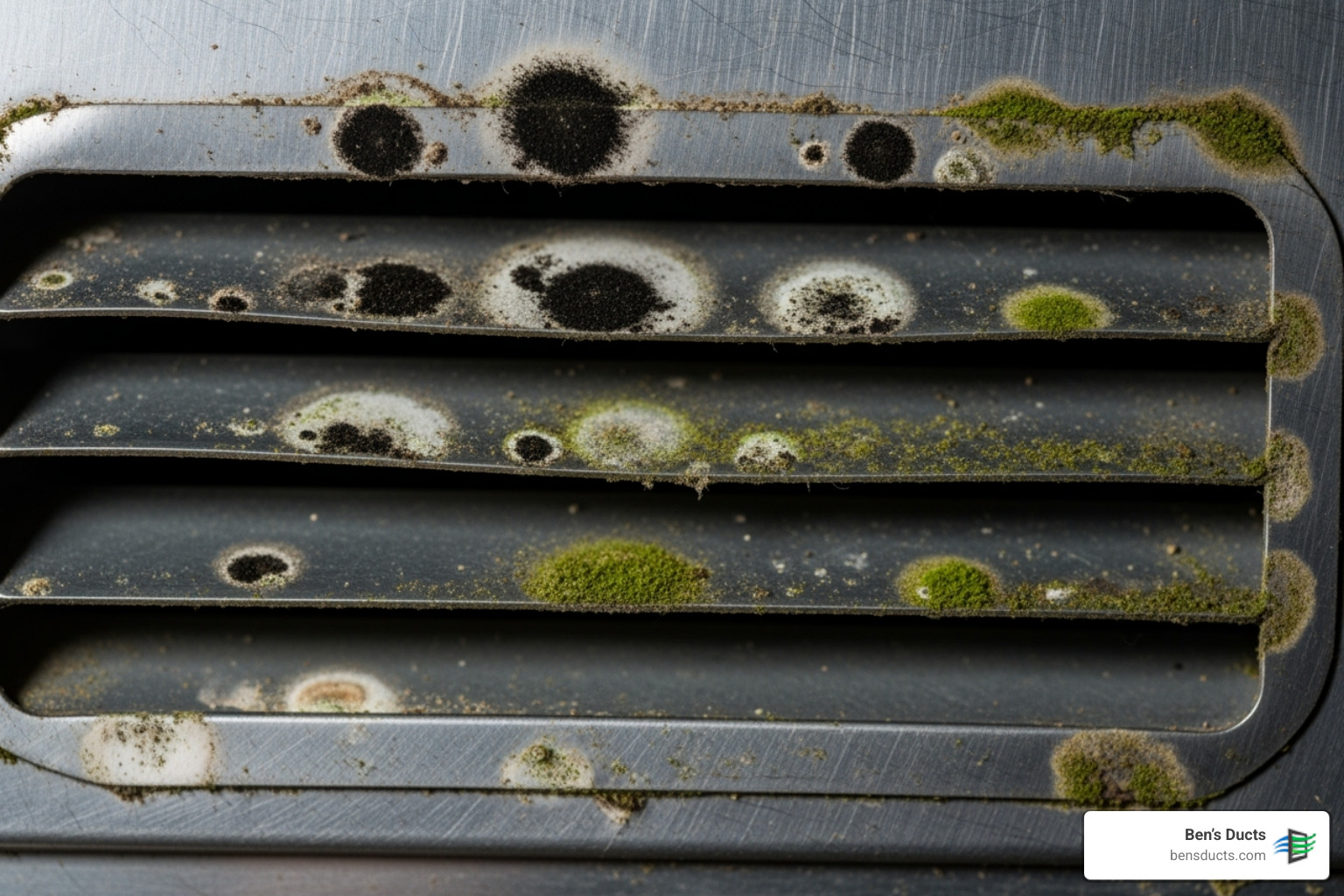
The most common sign of a mold problem is a persistent musty or "earthy" odor that intensifies when the HVAC system is running. Visual cues include "black spotting" or fuzzy growth around supply registers or on the insulation inside the air handler cabinet. It is important to distinguish between "ghosting" (soot or dust streaks caused by thermal bridging) and actual fungal growth. Mold typically exhibits a circular growth pattern and may appear in various colors, including green, black, or white.
Health and Performance Cues
Occupants may experience unexplained respiratory irritation, headaches, or allergic reactions that subside when they leave the property. Furthermore, a mold-clogged system often suffers from reduced airflow. If cooling bills in Berks County have spiked unexpectedly during the 2026 summer season, it may be due to biological growth restricting the heat transfer across the evaporator coils or blocking the internal duct linings.
The Technical Process of Professional Remediation
Remediation is fundamentally different from standard air duct cleaning. While cleaning focuses on dust removal, remediation focuses on the complete removal of biological contaminants and the stabilization of the environment to prevent regrowth.
1. Site Assessment and Containment
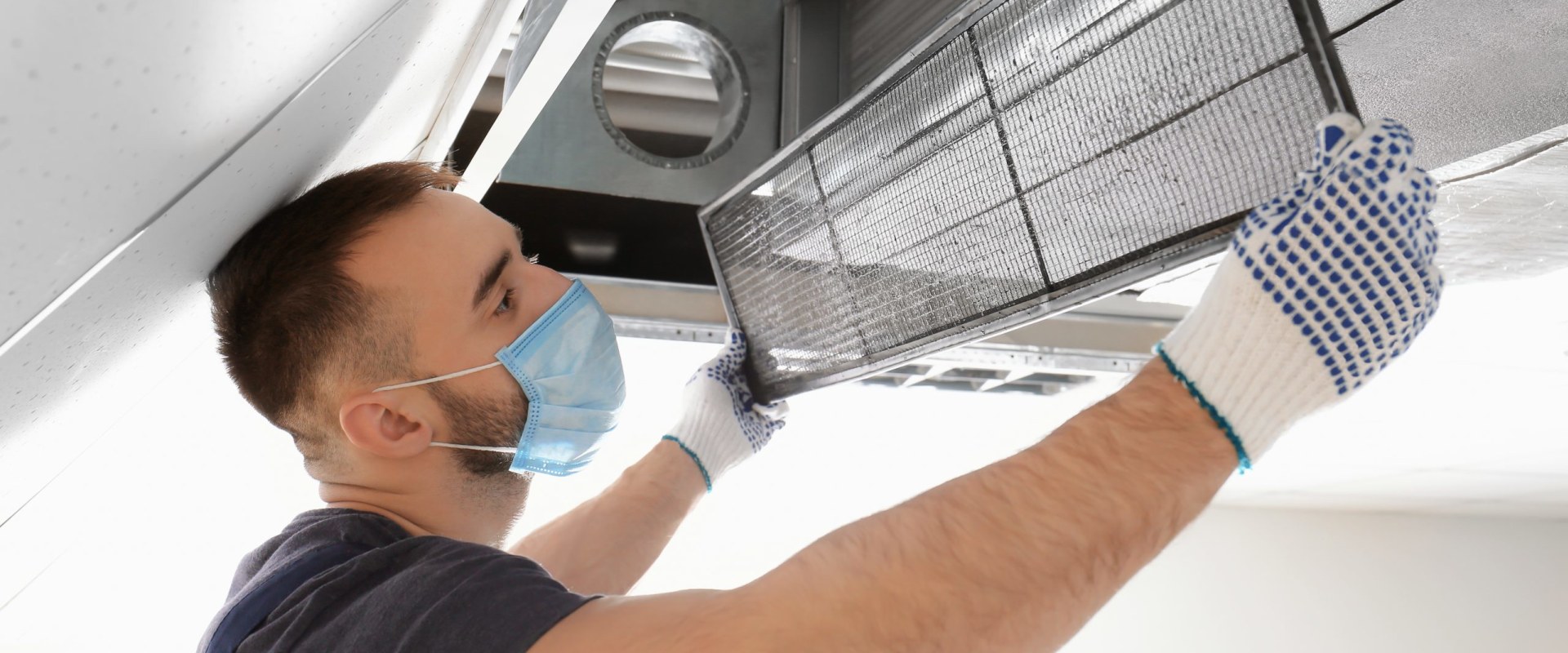
A professional technician begins by using borescope cameras to inspect the interior of the ductwork. Once mold is confirmed, the system must be placed under negative pressure. This is achieved using a high-efficiency particulate air (HEPA) vacuum system. By creating a vacuum, the technician ensures that any spores loosened during the cleaning process are pulled directly into a filtration system rather than being pushed into the living spaces of the home.
2. Mechanical Agitation
Mold adheres to duct surfaces, particularly in "flex ducts" or internally lined fiberglass ducts. Technicians use various tools, including:
- Air Whips and Skippers: High-pressure compressed air tools that dislodge debris from the duct walls.
- Rotary Brushes: Mechanical brushes sized to the specific dimensions of the ductwork to scrub away stubborn fungal colonies.
- Contact Vacuuming: Direct vacuuming of accessible components like the blower motor, heat exchanger, and plenum.
3. Cleaning the Air Handling Unit (AHU)
The "heart" of the system is often the source of the moisture. In the Berks County market, remediation must include a thorough cleaning of the evaporator coils and the drain pan. If the drain pan is rusted or the condensate line is clogged, mold will return within weeks. Technicians in 2026 use alkaline-based, non-corrosive coil cleaners to remove biofilm without damaging the sensitive aluminum fins.
4. Antimicrobial Treatment and Encapsulation
After mechanical removal, an EPA-registered antimicrobial solution may be applied to the duct surfaces. In cases where the internal fiberglass lining (duct liner) is heavily contaminated, remediation may require the removal and replacement of that insulation, or the application of an HVAC-approved sealant (encapsulant) that prevents any remaining microscopic spores from becoming airborne.
Comparison of Remediation Approaches in 2026
The following table outlines the different levels of service typically found in the Berks County remediation market.
| Service Level | Scope of Work | Ideal Use Case | Estimated Duration |
|---|---|---|---|
| Standard Cleaning | Removal of dust/debris from vents and trunks. | General maintenance; no visible mold. | 3–5 Hours |
| Targeted Remediation | HEPA vacuuming + antimicrobial treatment of specific zones. | Localized growth near registers or coils. | 1 Day |
| Full System Remediation | Negative pressure + mechanical scrubbing + AHU overhaul. | Widespread fungal growth; post-flood recovery. | 1.5–2 Days |
| Component Replacement | Removal of contaminated flex-ducts and internal insulation. | Severe saturation; non-salvageable materials. | 2+ Days |
Regulatory and Safety Standards in Pennsylvania
Property owners in Berks County should be aware that Pennsylvania has specific requirements for contractors performing work on residential properties.
HIC Registration
Under the Pennsylvania Home Improvement Consumer Protection Act (HICPA), any contractor performing more than $5,000 worth of home improvement work per year must be registered with the Office of Attorney General. When hiring for air duct mold remediation, verify their HIC number. This ensures the contractor carries the mandatory liability insurance and follows state-mandated contract standards.
Environmental Regulations
While Pennsylvania does not currently have a specific "Mold Remediator" license (as of 2026), reputable firms follow the EPA’s Mold Remediation in Schools and Commercial Buildings guidelines. These standards emphasize that the "killing" of mold with bleach is insufficient; the mold must be physically removed, as even dead mold spores can remain allergenic.
Cost Considerations for the Berks County Market
In 2026, the cost of air duct mold remediation in Berks County is influenced by the size of the home, the accessibility of the ductwork (crawlspaces vs. basements), and the severity of the contamination.
- Residential Minimums: Small ranch-style homes or townhomes in areas like Exeter typically start at $600 to $900 for basic remediation.
- Average Family Home: A standard 2,500-square-foot home with two systems may range from $1,200 to $2,500.
- Commercial Properties: Large-scale commercial remediation in Reading’s business district is priced per linear foot or per drop, often requiring specialized after-hours scheduling to minimize business disruption.
It is critical to note that "discount" air duct cleaners offering services for under $100 are rarely performing actual remediation. These "blow-and-go" operations often lack the HEPA equipment necessary to safely handle mold, frequently resulting in higher costs later when the mold spreads to the rest of the home.
Preventing Mold Recurrence in Berks County Homes
Remediation is only a temporary fix if the underlying cause of moisture is not addressed. In the Pennsylvania climate, several preventative measures are recommended:
- Humidity Control: Maintain indoor relative humidity below 50%. In Berks County, this often requires a whole-home dehumidifier integrated into the HVAC system, especially in homes with damp basements.
- UV-C Light Installation: Installing Ultraviolet Germicidal Irradiation (UVGI) lamps near the evaporator coil can prevent biofilm and mold from forming on the wet surfaces of the AHU.
- Regular Filter Changes: Use filters with a Minimum Efficiency Reporting Value (MERV) of at least 8 to 11. High-MERV filters capture more organic "food" for mold, but they must be changed regularly to prevent airflow restriction.
- Duct Sealing: Ensure that duct joints are sealed with mastic or foil-backed tape. This prevents the "venturi effect" from pulling moldy air from wall cavities or crawlspaces into the air stream.
Professional Advice and Limitations
While this guide provides a technical overview of remediation practices in Berks County, it is not a substitute for a professional on-site evaluation. Mold can vary significantly in its toxicity and structural impact. If you suspect toxic mold or if the affected area exceeds 10 square feet, the EPA recommends hiring a professional rather than attempting a DIY cleanup. Furthermore, individuals with compromised immune systems or chronic respiratory conditions should consult a medical professional regarding their indoor environment.
FAQ
Does homeowners insurance in PA cover air duct mold remediation? Standard homeowners insurance policies in Pennsylvania typically only cover mold remediation if the growth was caused by a "covered peril," such as a sudden pipe burst or a fire-related water event. Mold resulting from long-term humidity, poor maintenance, or "seepage" is generally excluded. Some residents in Berks County may have "Mold Endorsements" on their policies that provide limited coverage (often capped at $5,000 or $10,000).
How long does the remediation process take for a standard Berks County home? For a typical 2,000-square-foot home in Wyomissing or Blandon, a professional crew can usually complete the remediation within 4 to 8 hours. If the mold has penetrated the fiberglass lining or if significant duct repairs are needed, the process may extend into a second day. It is recommended that pets and sensitive individuals remain out of the immediate work area during the process.
Are the chemicals used in remediation safe for children and pets? Reputable remediators in 2026 use EPA-registered, hospital-grade disinfectants that are specifically labeled for use in HVAC systems. Many of these products are botanical-based (using thymol or similar extracts) and are designed to dissipate quickly. Always ask your contractor for the Safety Data Sheet (SDS) of any product they intend to fog or spray into your ductwork.
Can I just use a UV light to kill the mold in my ducts? No. UV-C lights are excellent at preventing new growth on surfaces like the evaporator coil, but they cannot penetrate layers of existing dust and mold colonies within the ductwork. Mechanical removal is always required first. Think of UV lights as a "preventative" tool, not a "remedial" tool.
How do I verify that the mold is actually gone? Post-remediation verification (PRV) can be conducted through visual inspection (using a high-powered flashlight and camera) or via air quality testing. "Clearance testing" involves taking air samples inside the home and comparing the spore counts to an outdoor baseline. If the indoor levels are significantly lower than or equal to the outdoor levels, the remediation is considered successful.
Next Steps for Berks County Property Owners
If you have detected a musty odor or visible growth in your vents, your first action should be to shut off the HVAC system to prevent further spore dispersal. Contact a NADCA-certified professional in the Berks County area to perform a thorough inspection. Ensure that any quote you receive includes a detailed scope of work that specifies the use of negative pressure and mechanical agitation, as these are the hallmarks of true remediation.