Navigating air conditioner service in Los Angeles requires understanding local climate demands, equipment types, contractor licensing regulations, and standard pricing structures. Homeowners and property managers must balance routine maintenance, emergency repairs, and eventual system replacements to ensure efficient cooling throughout the intense Southern California heat seasons.
Understanding the Los Angeles Climate and Cooling Demands
The climate of Los Angeles presents unique challenges for residential and commercial cooling systems. While coastal neighborhoods like Santa Monica or Malibu enjoy marine breezes that moderate summer temperatures, inland areas such as the San Fernando Valley, San Gabriel Valley, and Downtown LA routinely experience prolonged summer heatwaves with temperatures exceeding 90°F to 100°F. These extended periods of high heat place heavy mechanical stress on cooling systems, running compressors and fan motors near their maximum capacity for weeks at a time.
Furthermore, the regional geography creates microclimates that influence indoor air quality and equipment wear. High concentrations of urban smog, seasonal wildfire smoke, and airborne dust accumulate rapidly on outdoor condenser coils and indoor air filters. In coastal zones, marine air introduces high humidity and salt spray, which accelerates the corrosion of metal components, electrical connections, and aluminum fins. Consequently, air conditioner service in Los Angeles must be tailored to these environmental factors, emphasizing aggressive coil cleaning, rigorous electrical testing, and appropriate filtration to maintain optimal performance and indoor air quality.
Types of Air Conditioning Systems Serviced in LA
Los Angeles housing stock ranges from historic Craftsman bungalows and mid-century modern Eichler homes to modern high-rise condominiums and sprawling suburban residences. This architectural diversity means technicians encounter a wide variety of HVAC configurations. Understanding your specific system type helps you communicate effectively with service technicians and ensures you receive the correct maintenance procedures.
Central Split Systems
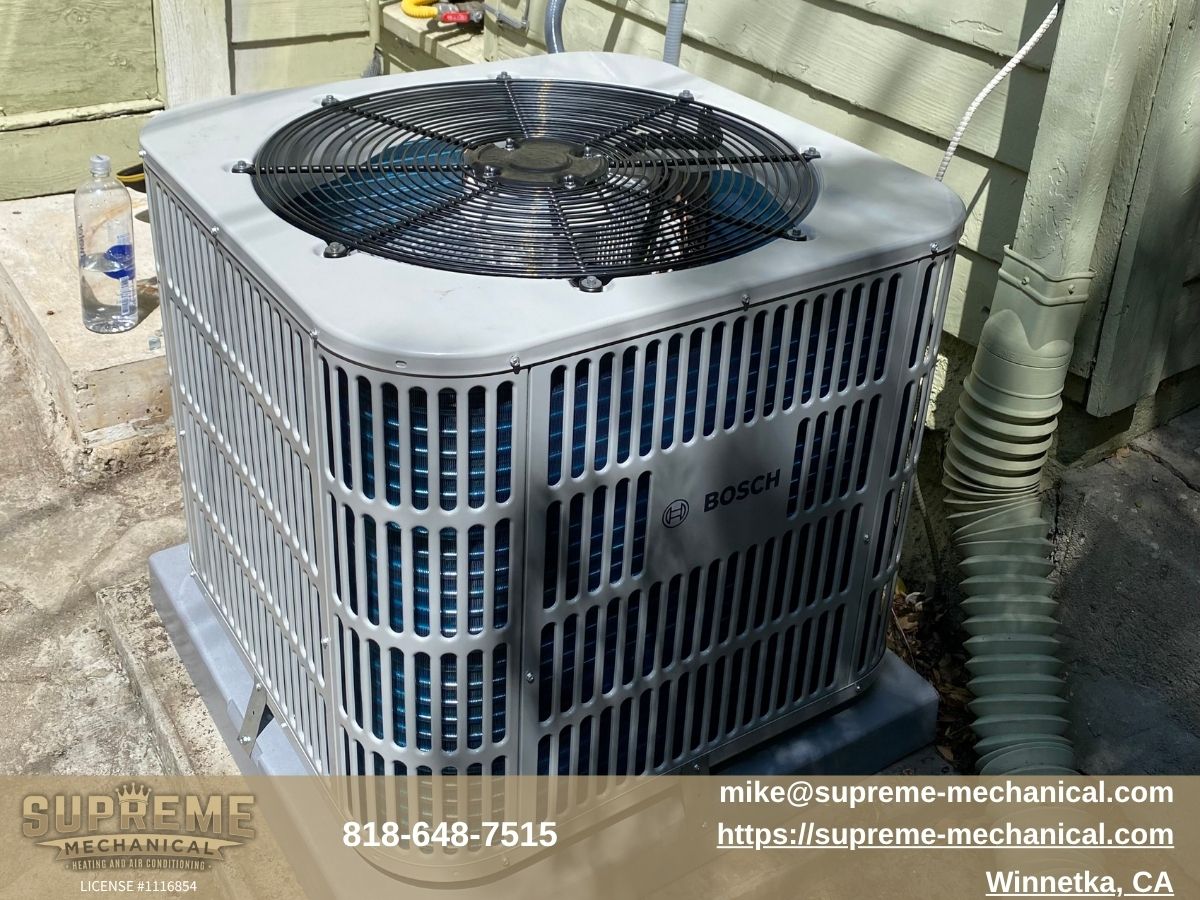
The most common configuration across single-family homes in Los Angeles features a split system. This setup includes an indoor unit—typically an evaporator coil housed inside a furnace or air handler—and an outdoor condensing unit that houses the compressor and condenser coil. These systems rely on a network of ductwork to distribute conditioned air throughout the living space.
Ductless Mini-Split Heat Pumps
Popular in multi-family housing, older homes without existing ductwork, and room additions, ductless mini-splits consist of one or more indoor air-handling units connected to a single outdoor compressor via a small conduit. Because they allow for zoned temperature control and avoid the energy losses associated with ductwork, mini-splits have seen a surge in adoption across Los Angeles retrofits.
Packaged Units
Frequently found on commercial properties and homes with flat roofs, packaged units house all major cooling and heating components—compressor, condenser, evaporator, and heating elements—in a single outdoor cabinet. Service technicians must access these rooftop installations carefully, often requiring specialized ladders or roof-safety equipment.
Routine Maintenance and Tune-Up Essentials
Proactive maintenance is the cornerstone of extending equipment lifespan and preventing catastrophic mid-summer breakdowns. A standard professional tune-up in Los Angeles should include several comprehensive diagnostic and physical cleaning steps.
| Component | Service Performed |
|---|---|
| Condenser & Evaporator Coils | Chemical wash and debris removal to restore heat transfer efficiency. |
| Refrigerant Levels | Pressure and superheat/subcooling measurement to detect leaks. |
| Electrical Circuits | Voltage and amperage draw checks on compressor and fan motors; tightening of loose wiring terminals. |
| Condensate Drain | Clearing biological growth and clogs to prevent water damage and overflow switches tripping. |
| Moving Parts | Lubrication of motor bearings and inspection of fan belts for tension and wear. |
The Importance of Coil Cleaning
Over time, dust, pet dander, and outdoor debris coat the evaporator coil and outdoor condenser coil. This accumulation acts as an insulating blanket, severely inhibiting heat exchange. A dirty coil forces the compressor to work harder, driving up electricity bills and increasing the risk of motor burnout. Professional service providers use specialized, non-acidic chemical cleaners to scour these coils without damaging delicate aluminum fins.
Refrigerant Management
Air conditioners do not consume refrigerant; they circulate a closed loop of chemical compound (such as R-410A or older R-22) to absorb and release heat. If a system is low on refrigerant, it indicates a leak. Federal environmental regulations under the Clean Air Act, enforced by the United States Environmental Protection Agency (EPA), require technicians to locate and repair refrigerant leaks before recharging the system, rather than simply topping off the charge.
Recognizing Common Air Conditioning Failures
When an air conditioner malfunctions during a Los Angeles heatwave, prompt troubleshooting can differentiate between a minor electrical fix and a major mechanical replacement.
Insufficient Cooling or Warm Air Output
If the system runs continuously but fails to cool the home, the issue often stems from a restricted airflow caused by a severely clogged air filter, blocked return vents, or low refrigerant charge due to a leak. Another common culprit is a failing capacitor, which prevents the compressor from engaging even while the outdoor fan spins.
Frequent Cycling (Short Cycling)
Short cycling occurs when an air conditioner turns on and off rapidly without completing a full cooling cycle. This places immense mechanical wear on the compressor and wastes electrical energy. Causes include oversized equipment, a malfunctioning thermostat, frozen evaporator coils, or safety switches tripping due to high pressure or clogged condensate lines.
Strange Noises and Odors
Grinding or screeching noises usually point to failing motor bearings or a loose fan belt that requires immediate attention before the motor seizes. Battering or rattling sounds indicate loose components or panel screws. Musty or sour odors blowing from supply registers typically signal microbial growth—often referred to as "dirty sock syndrome"—accumulated on the damp indoor coil, requiring professional sanitization.
Navigating Costs and Pricing for LA Air Conditioner Services
Air conditioner service costs in Los Angeles vary based on labor rates, the complexity of the job, equipment age, and seasonal demand. Understanding standard pricing tiers helps consumers evaluate quotes and avoid predatory contractor practices.
Diagnostic Fees
Most reputable HVAC companies in Los Angeles charge a flat service call or diagnostic fee, typically ranging from $80 to $150. This fee covers the technician’s travel time and initial diagnostic testing to identify the root cause of an issue. Ensure you verify whether this fee is waived if you approve the recommended repair work.
Standard Repair Pricing
Minor repairs, such as replacing a blown run capacitor or a faulty contactor, generally cost between $200 and $450, including parts and labor. More complex repairs—such as clearing a stubborn refrigerant leak, replacing a blower motor, or repairing an expansion valve—frequently range from $500 to $1,500 depending on part availability and labor hours required.
Preventive Maintenance Agreements
Many local contractors offer seasonal maintenance memberships or service agreements. These typically cost between $150 and $300 annually and include two scheduled visits per year (one for cooling, one for heating), priority scheduling during peak heatwaves, and a 10% to 15% discount on any necessary repairs.
Selecting a Licensed Contractor in California
Hiring the right HVAC professional in Los Angeles is critical for ensuring safety, compliance with building codes, and warranty validity. California enforces strict licensing requirements for contractors through the Contractors State License Board (CSLB).
Licensing and Bonding Verification
In California, any HVAC repair or installation project valued at $500 or more in combined labor and materials legally requires a valid C-20 Warm-Air Heating, Ventilating, and Air-Conditioning Contractor license issued by the CSLB. Consumers should verify license status directly on the California Contractors State License Board website to ensure the business is active, properly bonded, and carries workers' compensation insurance for its employees.
Certifications to Look For
- NATE (North American Technician Excellence): A premier certification indicating that technicians have passed rigorous industry-standard exams regarding HVAC theory and practical diagnostics.
- EPA Section 608 Certification: Federally mandated certification for any technician handling refrigerants, ensuring compliance with environmental safety laws.
Energy Efficiency Programs and Rebates in Los Angeles
Upgrading an inefficient air conditioner or scheduling comprehensive duct sealing can qualify Los Angeles property owners for substantial financial incentives. Because energy demand surges during Southern California summers, local utilities and state programs offer rebates to encourage efficiency.
Utility Providers
- LADWP (Los Angeles Department of Water and Power): Serves the majority of properties within Los Angeles city limits, offering rebates for high-efficiency central air conditioning units, heat pumps, and smart thermostats.
- SoCalGas (Southern California Gas Company): Provides rebates primarily for integrated high-efficiency furnace and heating upgrades.
Regional Programs
- BayREN and Energy Upgrade California initiatives: While administered differently across various municipal jurisdictions, these programs provide guidance on finding certified contractors who perform whole-home performance assessments, ensuring that new HVAC installations deliver maximum energy savings and comply with California Title 24 building energy efficiency standards.
Frequently Asked Questions
How often should I have my air conditioner serviced in Los Angeles?
You should schedule a professional tune-up at least once a year, ideally in the spring before the peak summer cooling season begins. Homes located in dusty inland valleys or near coastal salt air may benefit from bi-annual checkups to prevent premature component corrosion and efficiency loss.
Can I clean my AC condenser coils myself?
Homeowners can safely rinse loose outdoor debris and dust off exterior condenser coils using a garden hose on a gentle setting, ensuring the power is turned off at the disconnect box first. However, deep chemical cleaning of indoor evaporator coils and tightly packed outdoor fins requires specialized tools and professional cleaners to prevent bending delicate aluminum fins or damaging electrical components.
What is the average lifespan of an air conditioner in Southern California?
Due to heavy seasonal utilization, central air conditioning systems in Los Angeles typically last between 12 and 15 years. Regular preventive maintenance, timely filter replacements, and prompt repair of minor issues can help a system reach or exceed the higher end of this lifespan range.
Why is my air conditioner freezing up during hot weather?
An AC unit freezes up when the evaporator coil drops below freezing temperatures, causing condensation on the coil to turn into ice. This is most commonly caused by restricted airflow—such as a dirty air filter or blocked registers—or a low refrigerant charge, which reduces system pressure. If your system freezes, turn it off immediately and let the ice melt before calling a technician.
Are permits required to replace an air conditioner in Los Angeles?
Yes. According to the Los Angeles Department of Building and Safety (LADBS), replacing a central air conditioning unit or a major component like a compressor requires a mechanical permit and subsequent municipal inspection to ensure compliance with local building and energy codes. Reputable contractors typically handle the permit pulling and inspection scheduling process on behalf of the homeowner.
Summary and Next Actions
Maintaining a reliable cooling system in Los Angeles requires a combination of diligent homeowner habits—such as monthly filter changes and keeping outdoor units clear of foliage—and professional annual tune-ups. When seeking air conditioner service in Los Angeles, always verify C-20 contractor licensing through the CSLB, request transparent upfront pricing, and inquire about energy-efficient upgrade rebates through LADWP. Proactive maintenance protects your investment, lowers monthly utility bills, and ensures your home remains comfortable throughout intense Southern California heatwaves.