Private Placement Life Insurance (PPLI) issued by AIG Life of Bermuda represents a sophisticated financial structure utilized by high-net-worth individuals and families to achieve tax-efficient wealth management, asset protection, and streamlined estate planning. By acting as a wrapper for diverse, tax-inefficient investment assets, these policies allow for long-term growth within a regulated, international insurance framework, provided the policyholder adheres to strict legal and tax compliance standards in their home jurisdiction.
The Nature of Private Placement Life Insurance
Private Placement Life Insurance is a form of variable universal life insurance that is typically issued on an unregistered, private basis. Unlike retail life insurance products marketed to the general public, PPLI is designed specifically for sophisticated investors who require access to a broader range of investment options, including hedge funds, private equity, and alternative asset classes that are often not available in standard life insurance wrappers.
AIG Life of Bermuda has historically occupied a significant position in the international PPLI market. As an offshore insurance entity, it provides a jurisdictional environment that offers stability and a robust regulatory framework under the Bermuda Monetary Authority (BMA). The primary utility of the product lies in its ability to facilitate "tax-free" internal growth—meaning taxes are generally deferred or eliminated on capital gains, interest, and dividends generated within the policy until funds are withdrawn or the death benefit is paid, subject to local tax laws.
Strategic Objectives for PPLI Utilization
Investors typically pursue AIG Life of Bermuda PPLI for three primary purposes: tax optimization, wealth preservation, and simplified administration of complex investment portfolios.
Tax Optimization and Deferral
In many jurisdictions, investment income is taxed annually. By placing assets within a PPLI policy, the policyholder transfers the ownership of these assets to the insurance company. The appreciation of these assets then occurs within the tax-advantaged shell of the insurance contract. This allows for the compounding of returns without the "drag" of annual tax payments, which can significantly enhance long-term performance.
Asset Protection
The legal separation between the policyholder’s personal assets and the insurance company’s assets provides a layer of protection. Because the insurance company holds the legal title to the assets underlying the policy, those assets are often shielded from the personal creditors of the policyholder. However, this is highly dependent on the specific legal landscape of the policyholder’s tax residency.
Estate Planning Efficiency
PPLI functions as a powerful tool for transferring wealth to beneficiaries. Upon the death of the insured, the death benefit is generally paid out to the named beneficiaries, often bypassing the probate process and, depending on the structure, potentially minimizing exposure to death duties or inheritance taxes.
Requirements and Prerequisites for Eligibility
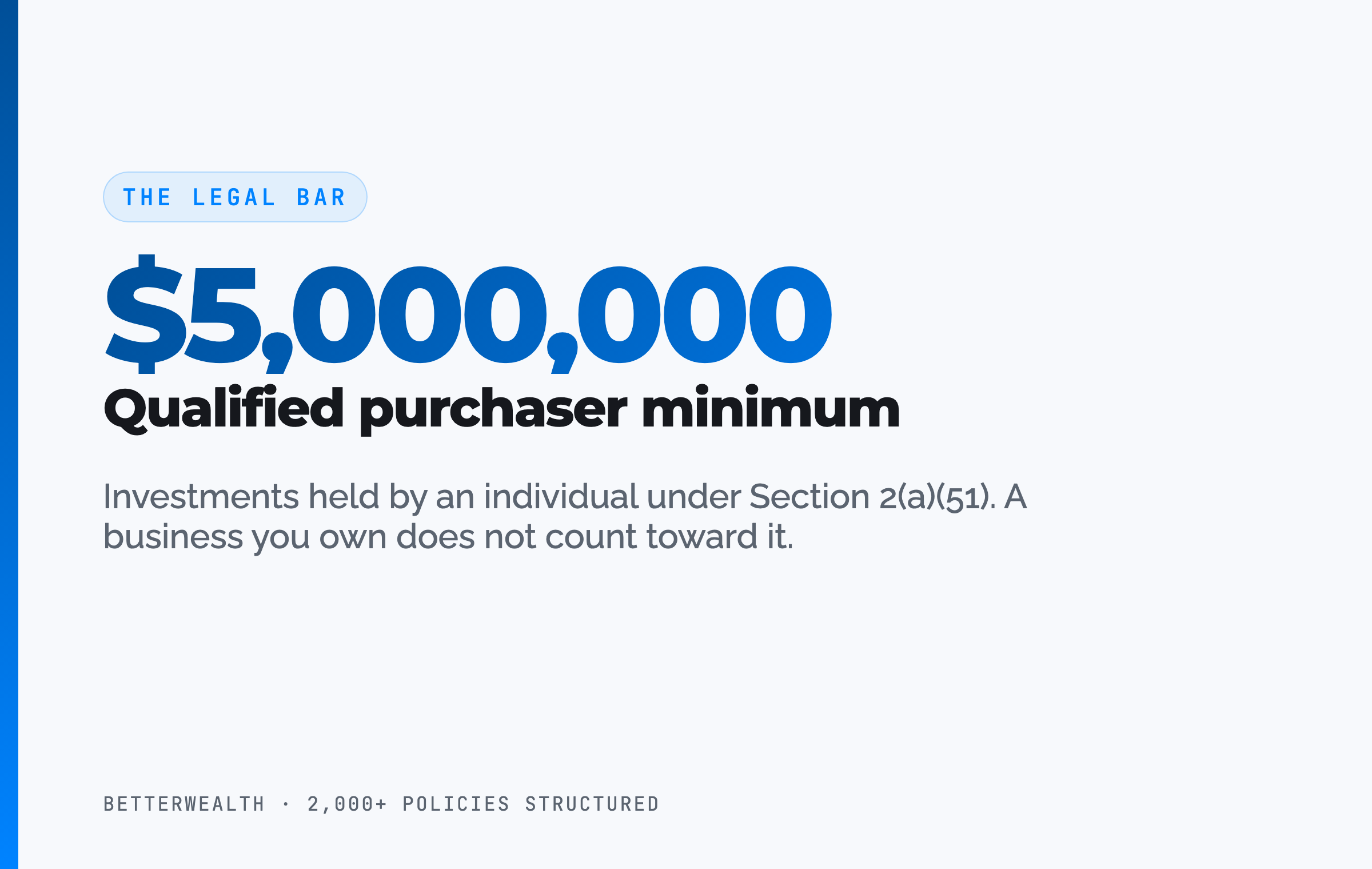
Accessing AIG Life of Bermuda PPLI is not a retail transaction. Because these policies are considered "private placements," they are restricted to "accredited investors" or "qualified purchasers" under the relevant securities laws of the investor's country.
- Financial Sophistication: Prospective policyholders must typically meet high net-worth thresholds. These requirements exist because PPLI is a complex financial product with significant liquidity constraints and regulatory considerations.
- Professional Guidance: It is virtually impossible to establish a PPLI structure without the involvement of a team of professionals. This includes tax attorneys, wealth managers, and specialized insurance brokers who understand the cross-border implications.
- Substantial Minimum Investment: While thresholds fluctuate based on product iteration and market conditions, PPLI policies generally require a significant initial premium, often in the multi-million dollar range, to make the management fees cost-effective.
- Jurisdictional Compliance: The policyholder must ensure that the structure is compliant with the tax laws of their home country. Using an offshore vehicle to evade taxes is illegal; therefore, the structure must be designed to satisfy all local disclosure and tax reporting requirements (such as the Common Reporting Standard or FATCA).
Operational Mechanics: How the Structure Functions
When an individual enters into an agreement with AIG Life of Bermuda, they are not simply buying an insurance policy; they are creating a bespoke investment account.
- Premium Payment: The policyholder pays a single premium or a series of premiums into the policy.
- Asset Selection: The policyholder, or their designated investment advisor, selects the assets to be held within the policy. These assets are then "wrapped" by the insurance policy.
- Ongoing Management: The underlying assets are traded, bought, and sold according to the policyholder's strategy, but the "trade" happens within the AIG Life of Bermuda ledger. No capital gains tax is triggered by these transactions.
- Surrender or Death: The policy terminates either upon the death of the insured (triggering a death benefit to beneficiaries) or upon a full surrender of the policy by the owner (resulting in a cash surrender value payout).
Comparison of PPLI Versus Standard Investment Accounts
| Feature | Private Placement Life Insurance (PPLI) | Standard Brokerage Account |
|---|---|---|
| Tax Treatment | Tax-deferred growth within the wrapper | Annual taxation on dividends/gains |
| Asset Diversity | Broad (Private equity, hedge funds, etc.) | Standard (Public equities, bonds) |
| Access to Capital | Restricted (Surrender charges may apply) | High liquidity (Instant access) |
| Estate Planning | Bypasses probate; tax-efficient transfer | Subject to probate and inheritance tax |
| Administrative Cost | High (Annual maintenance and setup) | Low (Trading commissions) |
Common Risks and Challenges
While the benefits are significant, PPLI is not suitable for everyone. Several risks must be considered before committing capital to an AIG Life of Bermuda policy.
Liquidity Constraints
PPLI is intended for long-term wealth management. Accessing the cash value of the policy before the maturity date or the death of the insured often involves heavy surrender charges or, in some cases, the inability to withdraw large sums without triggering adverse tax consequences.
Regulatory Risk
International tax laws are fluid. A structure that is tax-efficient today may become less so if a jurisdiction changes its tax laws regarding foreign insurance wrappers. The "Controlled Foreign Corporation" (CFC) rules or "Personal Portfolio Bond" legislation in certain countries can negate the tax benefits if the policy is not structured correctly.
Management Costs
Beyond the initial setup fees, PPLI carries ongoing costs, including insurance mortality charges, policy administration fees, and investment management fees. If the underlying assets do not perform well, these fees can quickly erode the principal, making the structure less attractive than a simple brokerage account.
Next Steps for Prospective Policyholders
If you are exploring AIG Life of Bermuda PPLI as a component of your wealth strategy, do not approach the insurance company directly. The process must be orchestrated by your existing advisory team.
- Conduct a Feasibility Study: Have your tax advisor determine whether a Bermuda-based insurance wrapper is compliant with your current tax residency and future tax planning goals.
- Consult with a Specialized Broker: Engage an international life insurance broker who has a proven track record with AIG Life of Bermuda. They will provide the necessary paperwork and guide you through the underwriting process.
- Perform Due Diligence on Assets: Ensure the assets you intend to place inside the policy are acceptable to the insurer and meet your performance objectives.
- Review Legal Documentation: Carefully examine the policy contract, specifically the "Investment Guidelines" and "Surrender Value" sections, to ensure you understand the limitations on liquidity.
Disclaimer: This information is for educational purposes and does not constitute financial, legal, or tax advice. The implementation of Private Placement Life Insurance involves complex international tax laws and regulatory requirements. Always consult with qualified legal and financial professionals in your specific jurisdiction before making significant financial decisions.
Frequently Asked Questions
Is PPLI considered a tax evasion strategy?
No. When structured correctly, PPLI is a legal tax-deferral and estate-planning tool. However, it requires full disclosure to tax authorities in the policyholder's home jurisdiction. Failure to report the policy or its underlying assets is a violation of international tax law.
Can I change the investments inside my AIG Life of Bermuda policy?
Yes. One of the primary advantages of PPLI is the ability to adjust the investment portfolio over time. As long as the assets fall within the pre-approved investment guidelines established at the inception of the policy, the policyholder can rebalance or change the strategy without triggering tax events.
What happens to the policy if I move to a different country?
Moving countries while holding a PPLI policy is a complex event. You must ensure the policy remains compliant with the tax laws of your new country of residence. Some countries do not recognize foreign life insurance wrappers and may tax the assets within the policy, effectively destroying the tax benefit. Always seek cross-border tax advice before relocating.
Why is Bermuda the preferred jurisdiction for PPLI?
Bermuda is a top-tier international insurance hub with a mature regulatory environment. The Bermuda Monetary Authority provides high levels of supervision, and the jurisdiction is known for its stability, financial strength, and lack of direct income or capital gains taxes, which facilitates the efficient operation of insurance wrappers.
What is the primary difference between a variable universal life policy and PPLI?
While both are insurance products, a variable universal life policy is typically a retail product with a limited menu of mutual funds. PPLI is a bespoke, private institutional product that allows for a much wider array of alternative investments and is designed specifically for high-net-worth individual planning, usually requiring a higher premium threshold.