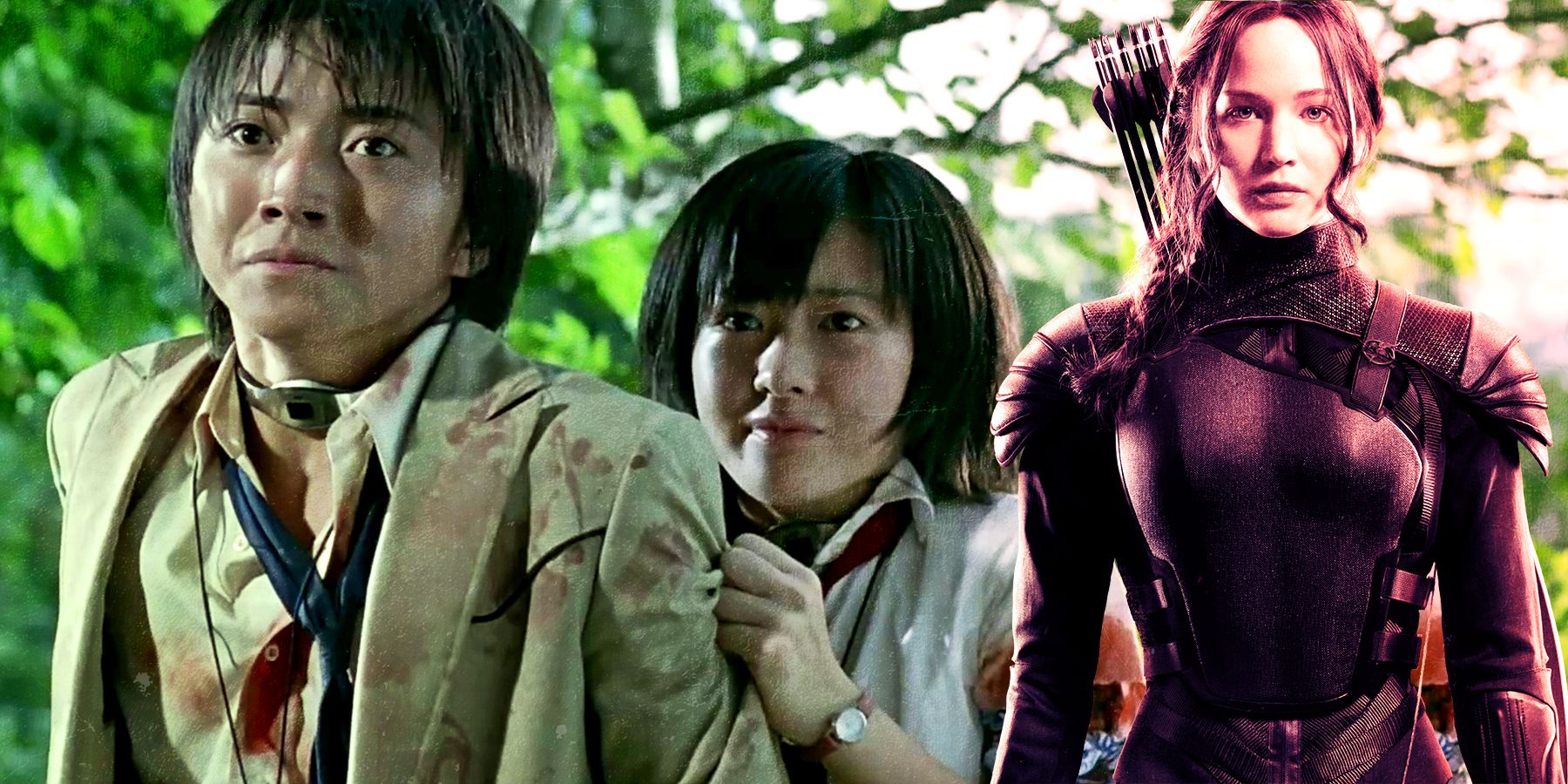
The term "Battle Royale cast" refers most frequently to the ensemble of characters featured in the 2000 cult classic film Battle Royale, directed by Kinji Fukasaku. As of 2026, the actors who portrayed the 42 junior high school students in the fictional Program have reached their early to mid-40s, having been cast as teenagers between the ages of 14 and 16 during the film's production in the year 2000.
The Context of the Battle Royale Ensemble
Battle Royale remains a landmark in Japanese cinema and the survival-thriller genre. Adapted from the novel by Koushun Takami, the film depicts a dystopian Japan where a ninth-grade class is forced to fight to the death on an isolated island. Unlike modern ensemble productions that might rely on extensive CGI, the "cast" of Battle Royale was defined by a massive, simultaneous group of young actors, many of whom were at the very beginning of their professional careers when the project was filmed in late 1999 and early 2000.
Understanding the age of this cast requires looking at the demographics of the production. The characters were intentionally written as 15-year-olds—students in their final year of junior high school. Casting directors sought actors who could believably portray the physical and emotional turbulence of adolescence, leading to a roster of performers who were, in reality, largely between 14 and 18 years old at the time of filming.
Timeline and Developmental Age
Because the film was released in late 2000, the primary cast members were born largely between 1982 and 1986. By 2026, these individuals have transitioned through their formative twenties and thirties and are currently established professionals.
It is a common point of confusion for new viewers to conflate the characters' ages with the actors' current status. While the characters in the film are frozen in time as 15-year-olds within the narrative of the "Program," the actors have moved forward. For instance, Tatsuya Fujiwara (who played Shuya Nanahara) was born in 1982; he was roughly 18 during the film's release. Chiaki Kuriyama (who played Takako Chigusa) was born in 1984; she was approximately 16 at the time.
This age bracket was critical to the film's visceral impact. By using actors who were near the actual age of their characters, the production avoided the common Hollywood trope of casting actors in their mid-twenties to play high school students. This decision heightened the sense of vulnerability and "realness" that shocked audiences during the film's initial theatrical run.
Demographic Breakdown of the Student Cast
The class in Battle Royale consisted of 42 students. This volume of performers creates a complex web of career trajectories. Some members of the cast went on to become staples of Japanese television and film, while others stepped away from the industry entirely.
| Role/Character | Actor | Birth Year (Approx) | Status as of 2026 |
|---|---|---|---|
| Shuya Nanahara | Tatsuya Fujiwara | 1982 | Active Actor |
| Noriko Nakagawa | Aki Maeda | 1985 | Active Actor |
| Shogo Kawada | Taro Yamamoto | 1974 | Political Figure |
| Takako Chigusa | Chiaki Kuriyama | 1984 | Actor/Model |
| Kazuo Kiriyama | Masanobu Ando | 1975 | Active Actor |
Note: Some actors, such as Taro Yamamoto and Masanobu Ando, were intentionally cast as slightly older than their classmates to reflect the "transfer student" status of their characters within the narrative.
The Challenges of Casting and Age Accuracy
The production team faced significant logistics in managing a cast of 42 minors. Japanese labor laws regarding child actors are stringent, necessitating strict adherence to working hours and educational requirements. Because the film involved high-intensity action sequences and simulated violence, the producers had to balance the creative vision of a "class of 15-year-olds" with the physical and psychological safety of the young performers.
This resulted in a production environment that functioned much like a real school. The cast members were often kept together on set for extended periods, building genuine camaraderie that bled into their on-screen performances. The "age" of the cast was not just a number on a call sheet; it dictated the energy of the film. The vulnerability shown on screen was, in part, a reflection of the actors' actual developmental stage, as they were navigating the transition into adulthood while working on one of the most controversial and high-profile films of their era.
Evolution of the Cast’s Professional Paths
As we look at the cast in 2026, it is clear that Battle Royale served as a launchpad. However, the age of the cast at the time of filming served as an equalizer. Because they were all part of the same age-cohort in the story, the film did not feature a traditional hierarchy of "star" power at the start.
Over the past two and a half decades, the paths have diverged significantly:
- The Protagonists: Actors like Tatsuya Fujiwara utilized the success of the film to anchor major theatrical franchises, moving into adult roles that showcased their range.
- The Genre Stars: Some, like Chiaki Kuriyama, transitioned into iconic roles in international cinema (most notably in Kill Bill: Vol. 1), utilizing the tough-as-nails persona she established in the film.
- The Non-Traditional Paths: It is notable that some cast members, such as Taro Yamamoto, moved into completely different fields, specifically politics. This shift illustrates that the "age" of the cast at the time was merely the beginning of their life experiences, not a fixed point of identity.
Comparison to Modern Young Adult Casting
When analyzing the age of the Battle Royale cast compared to contemporary 2026 media, one observes a distinct shift in casting philosophies. Modern survival dramas often utilize actors in their early twenties to portray teenagers to mitigate the legal and logistical difficulties associated with minors.
The Battle Royale approach was a product of a specific era in Japanese filmmaking that prioritized a raw, unpolished aesthetic. The "teenager" in Battle Royale did not have the media training or the professional polish of modern digital-native actors. This contributes to the enduring appeal of the film; it feels "younger" and more authentic than modern polished iterations of the battle royale genre.
Addressing Common Misconceptions
A common error in discussions regarding the cast is the assumption that the actors were recruited from the streets. In reality, most were established child actors or models affiliated with talent agencies. While they looked like typical teenagers, they were trained professionals. Another misconception is that the cast was uniform in age; as noted, the production cast actors slightly older than 15 when the character required a more menacing or experienced physical presence, such as the antagonist Kazuo Kiriyama.
Frequently Asked Questions
1. Was the entire cast of Battle Royale under the age of 18? No. While the majority of the students were between 14 and 16, several actors playing students were slightly older (late teens or early twenties) to meet the physical requirements of the action-heavy roles.
2. Why do the characters look so young in the film? The characters were scripted as 15-year-old ninth-graders. The casting director specifically looked for actors who could realistically pass for that age to heighten the disturbing nature of the film's premise.
3. Are there any surviving cast members from the original film? Yes. All principal cast members are alive. As of 2026, they are in their 40s. Some have remained active in the entertainment industry, while others have pursued private lives or alternative careers.
4. Did the age of the cast affect the film's rating? The film's R-15+ rating in Japan was largely due to the intensity of the violence, but the use of young actors and the context of a school setting were major factors in the controversy that surrounded the film upon its 2000 release.
5. How old is Tatsuya Fujiwara today? Born in 1982, Tatsuya Fujiwara is 44 years old as of 2026. He remains one of Japan's most recognizable actors, having sustained a long career following his breakout role as Shuya Nanahara.
Recommendation for Further Research
If you are investigating the cast for historical or biographical purposes, the most reliable data points can be found in the film’s official production archives and contemporary Japanese trade publications from 2000. Be wary of fan-generated wiki pages, which often conflate the ages of the characters with the actors and frequently contain inaccuracies regarding birth dates. For professional verification of career paths, consult authorized talent agency profiles for those actors still active in the Japanese entertainment industry.