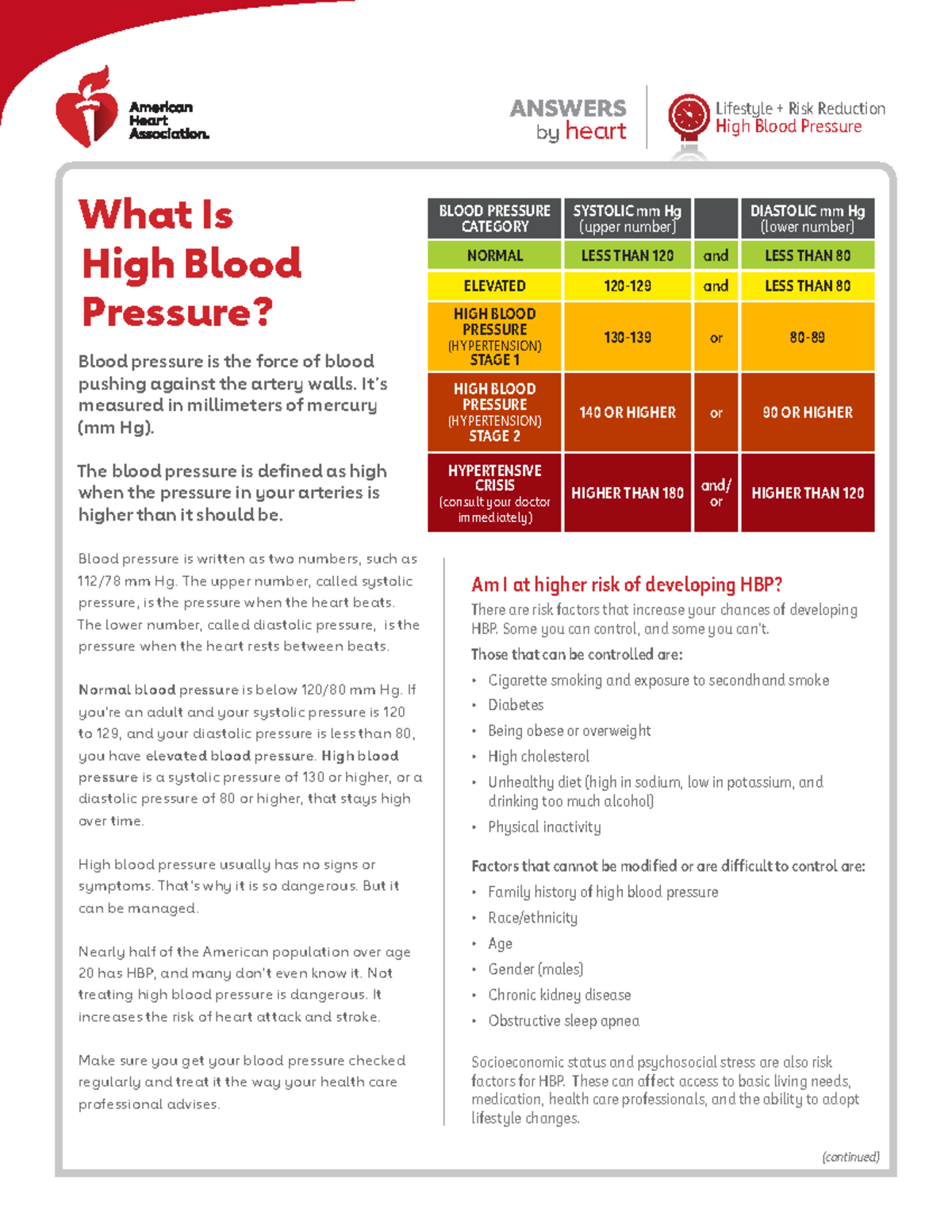
Afrin (oxymetazoline) can increase blood pressure because it is a sympathomimetic drug that causes blood vessels to constrict. While intended for local use in the nasal passages, systemic absorption can occur—especially with overuse—leading to elevated heart rate and hypertension. Individuals with pre-existing high blood pressure should consult a healthcare provider before use.
Understanding Afrin and Its Mechanism of Action
Afrin is the brand name for oxymetazoline, a potent topical nasal decongestant. It belongs to a class of medications known as alpha-adrenergic agonists. To understand the risk it poses to blood pressure, one must first understand how it functions within the upper respiratory system.
When you experience nasal congestion, the blood vessels in your nasal membranes become swollen and dilated. This inflammation narrows the airway, making it difficult to breathe. Oxymetazoline works by stimulating alpha-1 and alpha-2 adrenergic receptors located on the smooth muscle of these nasal blood vessels. This stimulation causes the vessels to contract (vasoconstriction), which reduces swelling, decreases mucus production, and opens the nasal passages almost immediately.
The primary appeal of Afrin is its rapid onset—often working within minutes—and its long duration of action, typically providing relief for up to 12 hours. However, the same mechanism that allows it to shrink blood vessels in the nose can affect the rest of the cardiovascular system if the drug enters the bloodstream in significant quantities.
The Connection Between Oxymetazoline and Systemic Blood Pressure
While Afrin is designed to act locally, it is impossible to completely prevent a small amount of the medication from being absorbed into the systemic circulation. This absorption happens through the highly vascularized nasal mucosa or when the medication drips down the back of the throat and is swallowed.
In a healthy individual using the product as directed, the amount of oxymetazoline reaching the systemic circulation is usually negligible and does not cause a significant rise in blood pressure. However, the risk increases substantially under certain conditions:
- Overuse or Excessive Dosage: Using more than the recommended two to three sprays per nostril, or using it more frequently than every 10 to 12 hours, increases the total dose of the drug available for absorption.
- Damaged Nasal Tissue: If the nasal lining is irritated, bleeding, or ulcerated, the protective barrier is compromised, allowing the medication to enter the bloodstream more efficiently.
- Extended Duration of Use: Using the spray for more than three consecutive days can lead to a phenomenon known as "rebound congestion." This often drives users to apply the medication more frequently, creating a cycle of high-dose exposure.
When oxymetazoline enters the systemic circulation, it can interact with alpha-receptors throughout the body. This leads to systemic vasoconstriction, which increases peripheral vascular resistance—the primary driver of elevated systolic and diastolic blood pressure.
Identifying High-Risk Populations
For the general population, occasional use of Afrin is considered safe. However, for specific groups, the cardiovascular impact can be dangerous. As of 2026, clinical guidelines continue to emphasize caution for the following demographics:
Individuals with Pre-existing Hypertension
If you already have high blood pressure (especially Stage 2 hypertension), your cardiovascular system is already under stress. The addition of a vasoconstrictor can cause a "spike" in pressure that may lead to headaches, dizziness, or in extreme cases, cardiovascular events. Even if your blood pressure is currently controlled by medication, Afrin can counteract the effectiveness of antihypertensive drugs.
Patients with Heart Disease
Those with coronary artery disease or a history of arrhythmias (irregular heartbeats) must be particularly careful. Vasoconstriction can limit oxygen delivery to the heart muscle or trigger palpitations and tachycardia (rapid heart rate).
Individuals Taking MAOIs
Monoamine oxidase inhibitors (MAOIs), used for certain types of depression and Parkinson’s disease, can have a severe interaction with oxymetazoline. MAOIs prevent the breakdown of sympathomimetic amines. If you take an MAOI and use Afrin, you may experience a hypertensive crisis, which is a medical emergency characterized by a sudden, severe rise in blood pressure.
Men with Enlarged Prostates (BPH)
Alpha-adrenergic receptors are also located in the neck of the bladder and the prostate. Stimulation of these receptors can cause the smooth muscle to contract, making it difficult to urinate. Men with Benign Prostatic Hyperplasia (BPH) may find that using Afrin worsens their urinary symptoms.
The Danger of Rebound Congestion (Rhinitis Medicamentosa)
One of the most significant indirect risks to blood pressure is the development of Rhinitis Medicamentosa, commonly known as rebound congestion. This condition occurs when the nasal passages become "addicted" to the decongestant.
After three days of continuous use, the alpha-receptors in the nose begin to downregulate or become less sensitive to the medication. When the drug wears off, the blood vessels dilate more than they did originally, leading to even more severe congestion. This creates a psychological and physical urge to use the spray more often.
As the user increases the frequency and quantity of Afrin to combat rebound congestion, the likelihood of systemic absorption sky-rockets. Chronic over-users may find themselves using the spray every few hours, which keeps their systemic blood pressure permanently elevated and puts a constant strain on the heart.
Comparing Nasal Decongestants and Blood Pressure Risk
Not all decongestants carry the same level of risk for hypertensive patients. The following table provides a comparison of common options available in 2026.
| Medication Type | Common Brand | Mechanism | Blood Pressure Risk Level | Notes |
|---|---|---|---|---|
| Oxymetazoline | Afrin | Topical Alpha-Agonist | Moderate to High | High risk if overused or used >3 days. |
| Phenylephrine | Neo-Synephrine | Topical Alpha-Agonist | Moderate | Shorter acting than Afrin; similar risks. |
| Pseudoephedrine | Sudafed (Oral) | Systemic Sympathomimetic | High | Oral pills affect the whole body directly. |
| Fluticasone | Flonase | Nasal Corticosteroid | Very Low | Reduces inflammation; safe for BP. |
| Saline Spray | Ocean, Ayr | Non-medicated Salt Water | Zero | Clears mucus mechanically; no drugs. |
| Cromolyn Sodium | NasalCrom | Mast Cell Stabilizer | Very Low | Prevents allergic reactions; safe for BP. |
Safe Usage Guidelines and Best Practices
If you must use Afrin and are concerned about blood pressure, following strict administration protocols can minimize systemic exposure.
- Observe the 3-Day Rule: Never use oxymetazoline for more than three days in a row. If congestion persists, switch to a saline spray or consult a doctor for a steroid-based alternative.
- Proper Application Technique: Do not tilt your head far back when spraying. Instead, keep your head upright or tilted slightly forward. Aim the nozzle away from the nasal septum (the middle wall of the nose) and toward the outer ear. This reduces the chance of the medicine being swallowed or causing septal irritation.
- Use the Minimum Effective Dose: Start with one spray per nostril to see if it provides adequate relief before moving to the maximum dose.
- Monitor Your Vitals: If you have a home blood pressure monitor, check your readings about 30 to 60 minutes after using the spray to ensure it is not causing an asymptomatic spike.
- Avoid Oral Combinations: Many "Multi-Symptom" cold medicines contain oral decongestants like phenylephrine or pseudoephedrine. Never combine these with Afrin, as the cumulative effect on your heart and blood pressure can be dangerous.
Alternatives for Hypertensive Patients
For individuals who cannot safely use Afrin, there are several effective alternatives that do not carry the same cardiovascular risks:
- Nasal Corticosteroids: Medications like fluticasone (Flonase) or triamcinolone (Nasacort) work by reducing inflammation over time. They do not cause immediate vasoconstriction and are considered the gold standard for long-term management of allergies and chronic congestion.
- Hypertonic Saline Rinses: Using a Neti pot or a saline squeeze bottle helps flush out allergens and thick mucus. Hypertonic saline (which has a higher salt concentration) can naturally draw fluid out of swollen nasal tissues without the use of drugs.
- Intranasal Antihistamines: Sprays like azelastine (Astepro) can help with congestion caused by allergies and generally have a much lower impact on blood pressure than sympathomimetic decongestants.
- Steam and Hydration: Simple home remedies, such as utilizing a humidifier or inhaling steam from a hot shower, can temporarily relieve congestion by thinning mucus secretions.
When to Contact a Healthcare Professional
It is vital to seek medical advice if you experience any of the following while using Afrin:
- Palpitations: A feeling that your heart is racing, fluttering, or skipping beats.
- Severe Headaches: Sudden, throbbing pain that may indicate a significant rise in blood pressure.
- Shortness of Breath: Difficulty breathing that is not related to your nasal congestion.
- Tremors or Anxiety: Systemic absorption of alpha-agonists can stimulate the central nervous system, leading to "jitters."
- Inability to Stop Use: If you find you cannot breathe without using the spray after three days, you likely have rebound congestion and may need a doctor's help (often involving a tapering dose of oral steroids) to quit.
Disclaimer: This information is for educational purposes and does not constitute medical advice. Always consult with a physician or pharmacist before starting a new medication, especially if you have chronic health conditions like hypertension or heart disease.
Frequently Asked Questions
Can Afrin cause a permanent increase in blood pressure?
No, the direct effects of Afrin on blood pressure are usually temporary and subside as the medication is metabolized by the body. However, if Afrin use leads to a cycle of rebound congestion and chronic overuse, a person may experience frequently elevated blood pressure readings, which can cause long-term cardiovascular strain over time.
How long does Afrin stay in your system?
The effects of Afrin typically last between 10 and 12 hours. While the half-life of the drug in the blood is relatively short, its local effects on the nasal receptors are prolonged. Most systemic traces of a single dose will be cleared within 24 hours, but individual metabolism and the total amount used can influence this timeframe.
Is there a "heart-safe" version of Afrin?
There is no version of oxymetazoline that is completely "heart-safe" because the chemical mechanism itself is what affects blood pressure. However, saline-based sprays (often sold by the same brand) are 100% drug-free and safe for individuals with high blood pressure. Always check the active ingredients list for "Oxymetazoline HCl."
Can I use Afrin if my blood pressure is controlled by medication?
Even if your blood pressure is controlled, Afrin can cause "breakthrough" hypertension. Some blood pressure medications, like beta-blockers, can interact poorly with decongestants, leading to an unopposed alpha-adrenergic response which can cause a sharper rise in pressure than expected. Consult your doctor first.
Why does the package say not to use it for more than 3 days?
The 3-day limit is specifically designed to prevent Rhinitis Medicamentosa (rebound congestion). Beyond three days, the nasal tissues become dependent on the drug to stay open. This leads to chronic use, which significantly increases the risk of systemic side effects like high blood pressure and heart palpitations.
Final Recommendations
If you struggle with nasal congestion and have concerns about blood pressure, the safest course of action is to prioritize non-medicated options like saline rinses and humidifiers. If a medicated decongestant is absolutely necessary, limit use to the smallest possible dose for no more than 48 to 72 hours. For chronic congestion, transition to a nasal corticosteroid, which addresses the underlying inflammation without the systemic vasoconstrictive risks associated with Afrin. Always inform your primary care provider about any over-the-counter medications you are using, as they can provide personalized guidance based on your specific cardiovascular health profile.