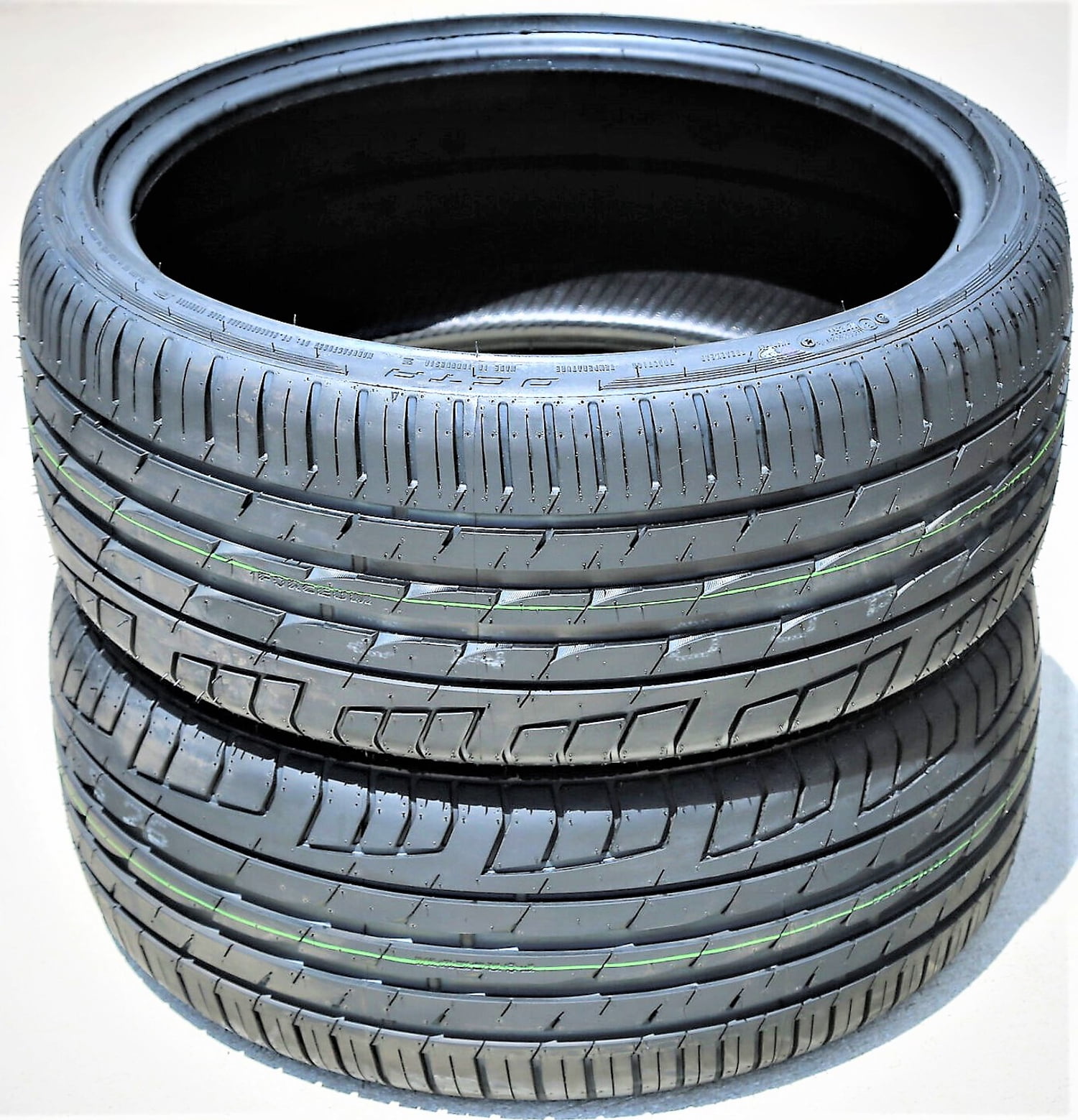
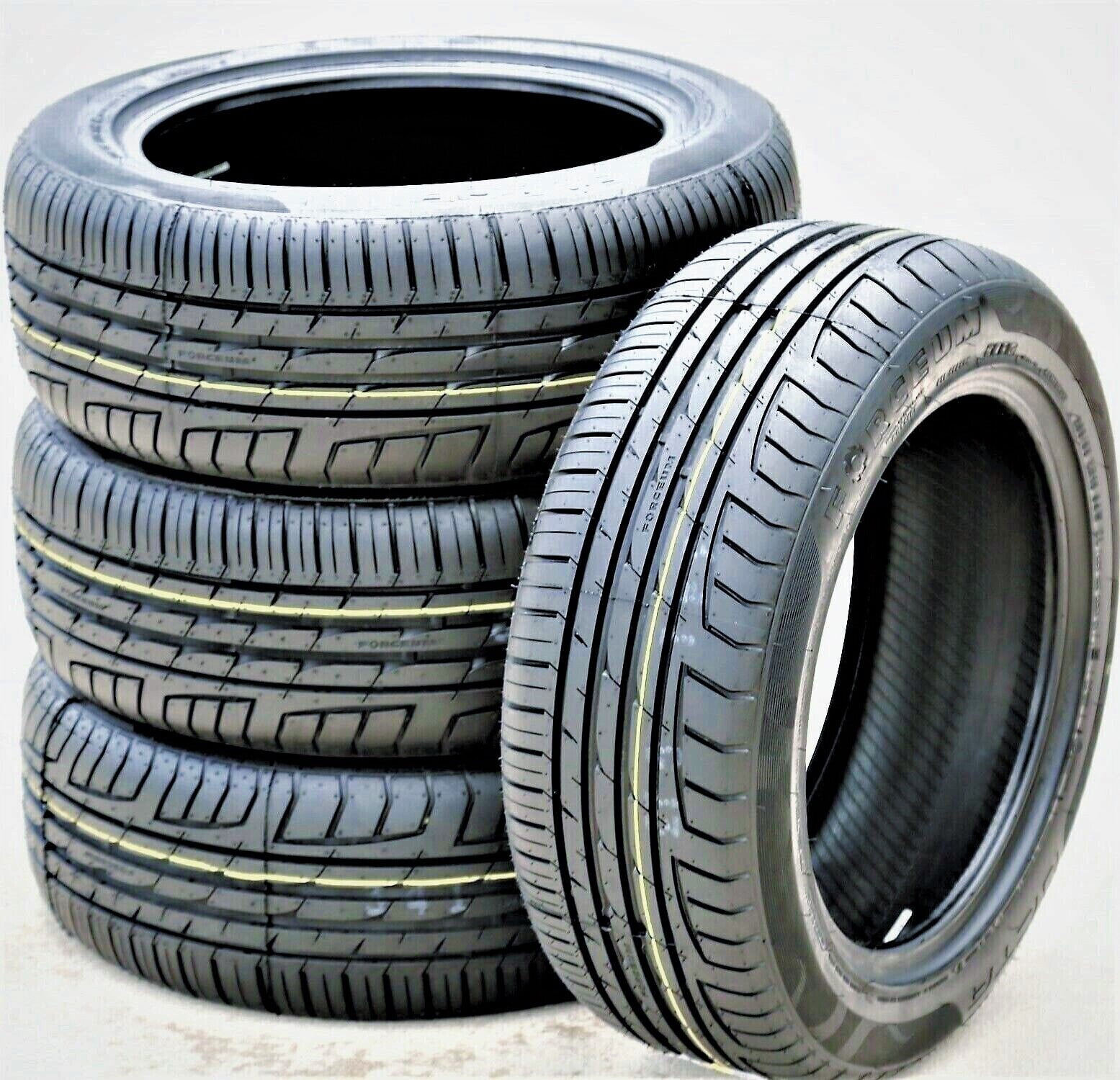
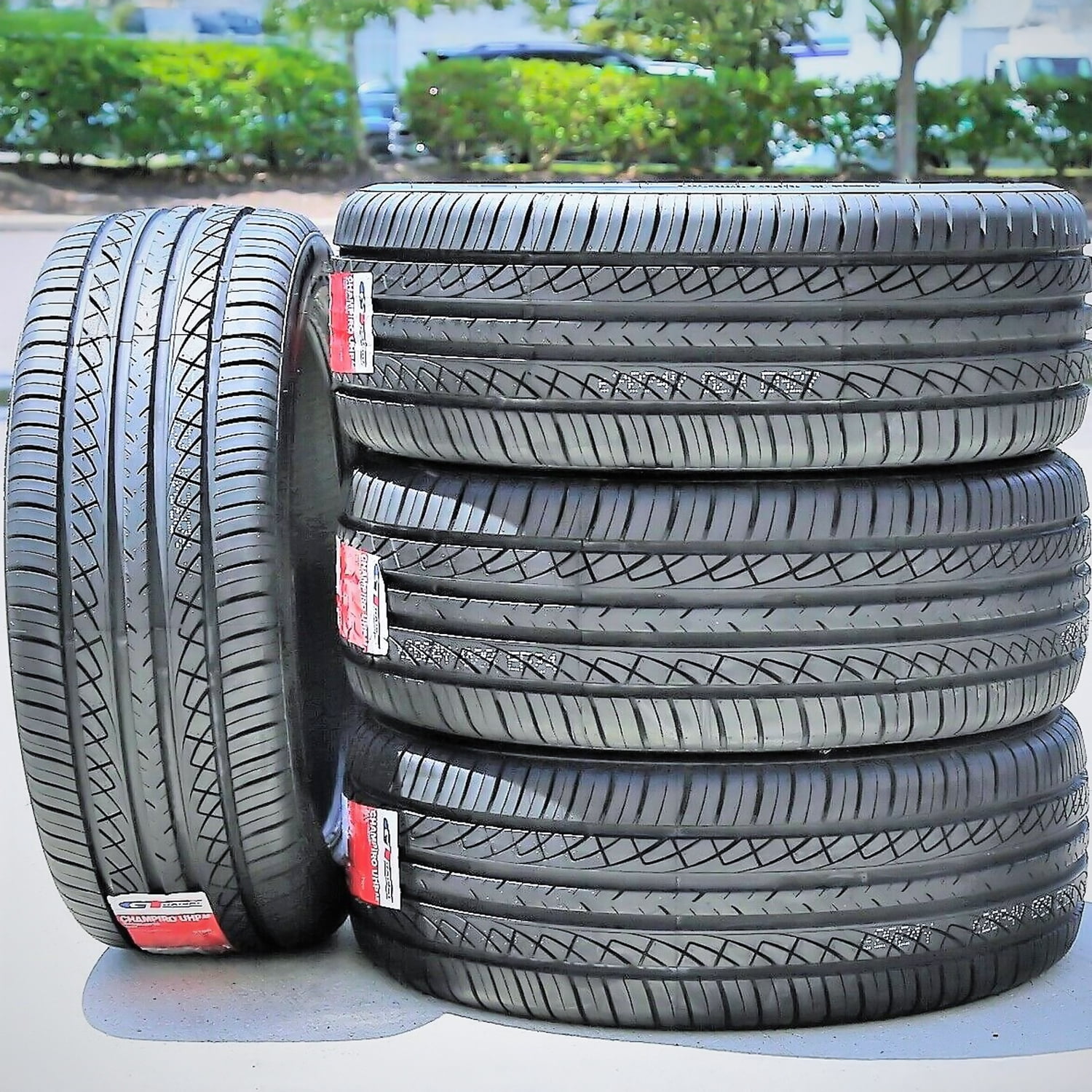
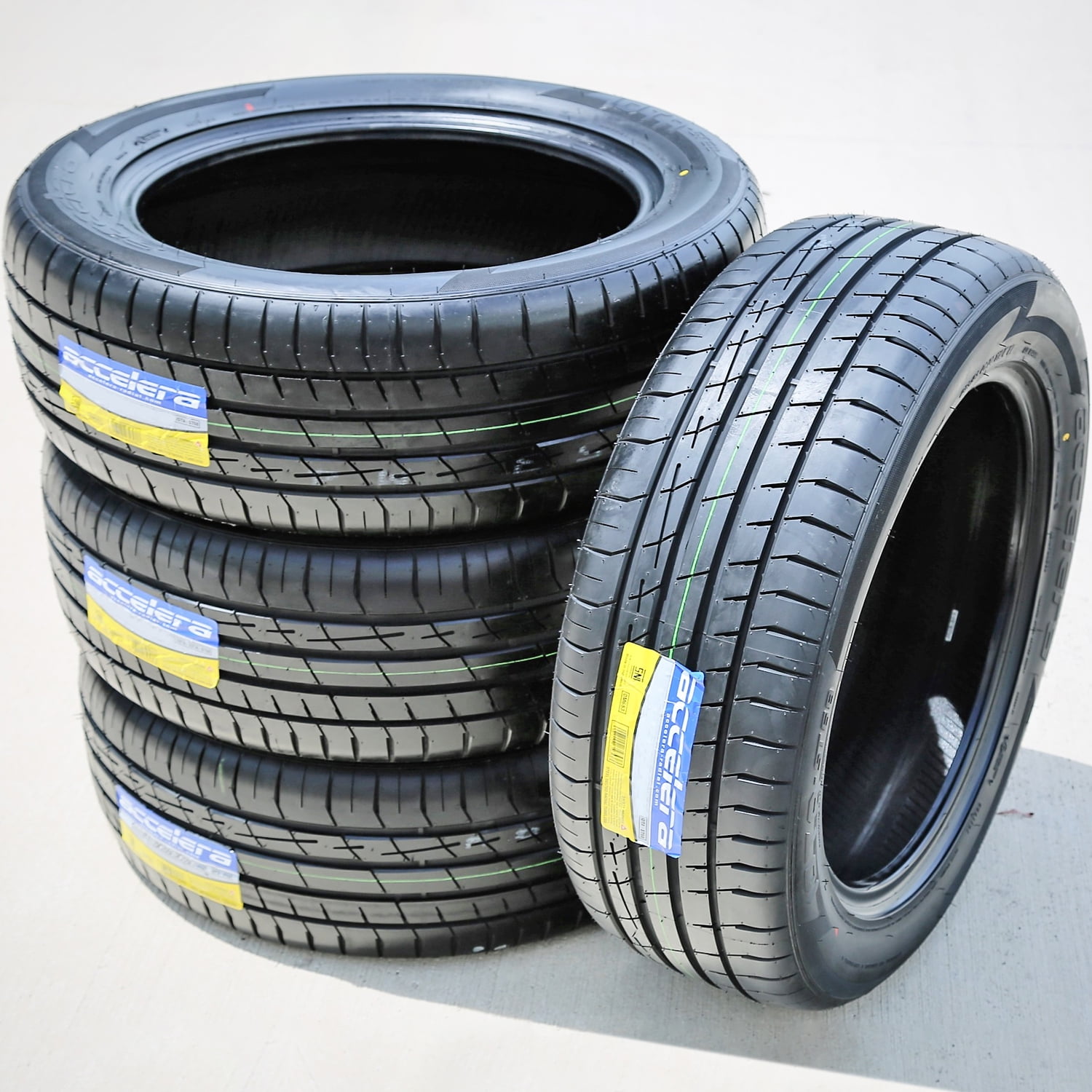
Finding affordable high performance tires requires understanding the trade-offs between dry grip, wet traction, tread life, and cost, allowing drivers to secure sports-car-level responsiveness without paying premium tier-one prices. Selecting the right set involves balancing UTQG ratings, compound technology, and real-world testing data to match your driving style and budget.
Choosing tires for an enthusiast vehicle or a daily driver with a sporty edge often brings a difficult financial choice. Premium ultra-high-performance (UHP) summer and all-season tires from top-tier manufacturers frequently exceed $250 to $400 per corner, making a complete set a major investment. Fortunately, the tire market features several sub-brands, value-focused lines, and tier-two manufacturers that leverage older, proven tread designs and advanced compound technologies to offer exceptional grip at a fraction of the cost.
Navigating this market successfully requires looking past marketing claims and evaluating objective performance metrics, treadwear warranties, and structural construction. Whether you are preparing a hatchback for spirited weekend canyon drives or simply want sharper steering response and shorter braking distances out of your sedan without breaking the bank, understanding how to shop for budget-friendly performance rubber is essential.
Understanding the High-Performance Tire Category
Before evaluating affordable options, it is critical to define what separates a high-performance or ultra-high-performance tire from a standard touring or economy tire. Performance tires are engineered with specialized rubber compounds and aggressive tread patterns designed to maximize contact patch stability, cornering grip, and braking efficiency under heavy loads.
Touring tires prioritize low rolling resistance, high mileage, and quiet, comfortable rides. In contrast, high-performance tires feature stiffer sidewalls to minimize flex during hard cornering, wider circumferential grooves to evacuate water at higher speeds, and shoulder blocks designed to transfer lateral G-forces effectively. Within this category, products generally split into two main sub-segments:
- Ultra-High-Performance Summer Tires (UHPS): Built for maximum dry and wet grip in warm weather. They use soft, sticky compounds that harden in freezing temperatures and should not be driven in snow or ice.
- Ultra-High-Performance All-Season Tires (UHPA): Designed to offer a compromise, providing respectable dry and wet traction across a broader temperature range, including light winter conditions, while sacrificing ultimate track-day limits.
Affordable options in both categories typically come from tier-two or tier-three subsidiaries of major manufacturers (such as General Tire owned by Continental, or Firestone owned by Bridgestone) or independent value brands that invest heavily in modern manufacturing facilities without the massive marketing overhead of legacy flagships.
Key Performance Metrics to Evaluate
When shopping on a budget, you cannot afford to buy blindly. Manufacturers provide standardized data on the tire sidewall and in product specifications that help you objectively compare options.
The Uniform Tire Quality Grading (UTQG) System
Mandated by the U.S. Department of Transportation, the UTQG system rates tires on three metrics: treadwear, traction, and temperature.
- Treadwear: A comparative rating based on the wear rate of the tire in controlled testing. A tire graded 400 should theoretically last twice as long as a tire graded 200. High-performance tires typically feature lower treadwear ratings (200 to 400) because softer rubber yields better grip. When looking for affordable performance, finding a tire with a slightly higher treadwear rating (e.g., 300 to 500) often extends replacement intervals significantly.
- Traction: Graded as AA, A, B, or C, measuring the tire's ability to stop on wet asphalt and concrete test surfaces. For safety and performance, you should look exclusively for AA or A ratings.
- Temperature: Graded as A, B, or C, indicating the tire's resistance to heat generation at high sustained speeds. Performance driving generates immense friction; therefore, A-rated temperature resistance is mandatory.
Construction and Sidewall Stiffness
A tire's internal carcass construction dictates how it communicates with the driver. Look for tires featuring jointless nylon caps, high-turnup casing plies, and reinforced sidewalls. Stiff sidewalls eliminate the squirmy feeling during sudden lane changes and provide sharper turn-in response, which is a hallmark of true performance tires.
Comparing Value-Focused Performance Tires
The market features several standout choices that bridge the gap between aggressive pricing and track-proven or street-verified performance. The following comparison highlights popular models across different budget brackets.
| Tire Model | Category | Typical Price Range (Per Tire) | UTQG Treadwear | Best For | Notable Trade-off |
|---|---|---|---|---|---|
| General G-Max AS-05 | UHP All-Season | $120 - $180 | 500 | Daily driving, wet/dry balance, long tread life | Slightly softer initial turn-in than pure summer tires |
| Firestone Firehawk Indy 500 | Max Performance Summer | $130 - $210 | 340 | Aggressive dry grip, wet handling, spirited street use | Rapid wear in freezing temperatures; no snow capability |
| Kumho Ecsta PS31 | UHP Summer | $100 - $160 | 400 | Budget-conscious enthusiasts, wet evacuation | Lower ultimate lateral grip than dedicated track compounds |
| Riken Raptor ZR A/S | Performance All-Season | $80 - $130 | 400 | Extreme budget builds, older enthusiast cars | Mediocre wet braking compared to tier-one alternatives |
Note: Prices fluctuate based on seasonal promotions, regional taxes, and specific wheel diameters.
Evaluating Trade-Offs: Cost Versus Capability
Choosing an affordable high-performance tire invariably involves compromises. Understanding these compromises helps you avoid disappointment and ensures safety on public roads.
The Longevity vs. Grip Paradox
The laws of physics dictate that softer rubber compounds provide superior mechanical grip because they conform to microscopic imperfections in the pavement. However, soft rubber wears out quickly. Premium tires manage to push the boundaries of this equation using advanced silica nano-blends that maintain grip while resisting abrasion.
Affordable tires often rely on simpler, heavier compound mixes. To achieve a reasonable tread life, budget manufacturers may use a slightly harder compound, which can reduce ultimate cornering grip compared to a flagship tire costing twice as much. For daily commuting and spirited street driving, this trade-off is often negligible; however, dedicated track enthusiasts will notice earlier heat-cycling degradation and lower threshold limits.
Noise, Comfort, and Ride Quality
Performance tires inherently produce more road noise than standard touring tires due to wider tread voids, stiffer blocks, and rigid sidewalls. Budget performance tires can sometimes suffer from uneven wear patterns as they age, leading to increased cabin drone or "cupping" noise. Inspecting your suspension alignment and maintaining correct tire pressures is critical to mitigating this issue.
Common Mistakes When Buying Budget Performance Tires
Navigating the budget tire market requires avoiding several common pitfalls that can cost you more money in the long run.
- Buying Incorrect Speed Ratings: Performance cars require specific speed ratings (e.g., V, W, or Y). Buying a tire with a lower speed rating to save money compromises structural integrity and high-speed stability.
- Ignoring Manufacturing Dates: A cheap tire that has sat in a warehouse for five years will have hardened rubber, losing its grip properties even if the tread depth is full. Always check the Department of Transportation (DOT) date code on the sidewall.
- Neglecting Staggered Fitments: Many modern performance vehicles use wider tires in the rear than the front. Buying a cheap brand that does not offer your specific rear size forces improper mixing, handling imbalances, or premature wear.
- Forgetting Total Installation Costs: When calculating your budget, remember to factor in mounting, balancing, valve stems, disposal fees, and local sales tax, which can add $80 to $150 to a set purchase.
Maximizing the Lifespan of Affordable Performance Tires
Because budget performance tires may have slightly less robust wear characteristics than ultra-premium alternatives, proper maintenance is vital to extracting maximum value from your purchase.
- Maintain Proper Inflation Pressures: Check your tire pressures monthly using a quality gauge. Under-inflation generates excessive heat in the sidewalls, accelerating tread wear and increasing fuel consumption. Over-inflation reduces the contact patch, diminishing braking grip and causing the center tread to wear prematurely.
- Commit to Regular Tire Rotations: Unless your vehicle has a staggered wheel setup that prevents front-to-rear rotation, rotate your tires every 5,000 to 7,500 miles. Front tires experience severe scrubbing forces during steering inputs, causing shoulder wear that regular rotation helps equalize.
- Get Professional Wheel Alignments: Worn suspension bushings, sagging springs, or hitting a severe pothole can knock your vehicle out of alignment. Excessive toe-out or negative camber will chew through the inner edges of performance tires in a matter of thousands of miles, destroying your cost savings.
Frequently Asked Questions
Are cheap high-performance tires safe for daily driving?
Yes, provided they meet local safety standards, carry proper DOT certifications, and are correctly matched to your vehicle's weight and speed ratings. Budget performance tires from reputable secondary brands undergo strict regulatory testing. They may lack the ultimate track limits of expensive tires, but they offer more than enough safety margin for legal street speeds.
Can I use affordable UHP summer tires in the winter?
No. Ultra-high-performance summer tires utilize tread compounds that stiffen significantly when temperatures drop below 45°F (7°C). Driving them in freezing temperatures, snow, or ice results in drastically reduced traction, skidding, and potential cracking of the rubber compound. If you live in a cold climate, you must switch to dedicated winter tires or select a UHP All-Season alternative.
How do I read the size code on a performance tire sidewall?
A typical tire size reads like 225/45R17 94W. The first number (225) is the nominal section width in millimeters. The second number (45) is the aspect ratio, meaning the sidewall height is 45% of the tread width. The letter R stands for radial construction. The next number (17) is the wheel diameter in inches. Finally, 94W denotes the load index and speed rating.
Do budget performance tires come with treadwear warranties?
Many budget UHP all-season tires include limited treadwear warranties, often ranging from 30,000 to 50,000 miles. However, dedicated high-performance summer tires rarely feature mileage warranties due to the aggressive driving styles and soft compounds associated with them. Always check the warranty fine print, as staggered fitments on sports cars frequently have reduced warranty coverage.
Is it safe to mix different brands of performance tires on the same car?
It is strongly discouraged. Mixing tire brands, tread patterns, or compound types front-to-rear creates unpredictable handling imbalances, particularly in wet braking scenarios or emergency swerves. If budget constraints prevent buying a full set of four at once, replace them in axle pairs (both fronts or both rears) and mount the newer tires on the rear axle to maintain vehicle stability.
Next Steps and Recommendations
When you are ready to purchase, audit your current driving habits and environmental conditions. If you live in a region with mild winters, a reputable UHP all-season tire like the General G-Max AS-05 offers an exceptional balance of longevity, wet grip, and affordability. If you drive a dedicated weekend toy or live in a warm climate with frequent rain, summer options like the Firestone Firehawk Indy 500 deliver astonishing dry traction without premium pricing. Consult a certified local tire professional to verify your exact vehicle load requirements, schedule a wheel alignment, and ensure your new performance setup delivers maximum safety and driving enjoyment.