Aetna Medicare Supplement insurance, or Medigap, is a private health policy designed to cover the "gaps" in Original Medicare, such as coinsurance, copayments, and deductibles. In 2026, Aetna remains a premier provider, offering standardized plans that provide financial predictability and the freedom to visit any doctor who accepts Medicare nationwide.
Medicare Supplement plans are essential for beneficiaries who want to eliminate the unpredictable out-of-pocket costs associated with Original Medicare (Part A and Part B). Unlike Medicare Advantage, which often restricts users to specific networks, Aetna’s Medigap plans allow for greater flexibility and comprehensive coverage. This guide explores the specifics of Aetna’s offerings, pricing structures, and enrollment requirements for the 2026 calendar year.
Understanding the Role of Aetna in the Medicare Market
Aetna, a CVS Health company, has established itself as one of the largest and most stable insurers in the United States. In 2026, the company continues to leverage its vast pharmacy and clinical network to provide integrated value to its policyholders. While Medicare Supplement plans are standardized by the federal government—meaning a Plan G from Aetna offers the same core benefits as a Plan G from any other carrier—Aetna distinguishes itself through its financial rating, customer service, and value-added discounts.
Aetna’s Medigap policies are typically underwritten by several of its subsidiaries, including Aetna Health and Life Insurance Company (AHLIC), American Continental Insurance Company (ACI), and Continental Life Insurance Company of Brentwood, Tennessee (CLI). When evaluating Aetna, it is important to check which subsidiary is offering the plan in your specific state, as this can influence historical rate stability and localized customer service ratings.
Standardized Plan Options Offered by Aetna in 2026
Federal law requires Medigap plans to be standardized, identified by letters A through N. While Aetna may not offer every lettered plan in every zip code, they consistently provide the most popular options that balance cost and coverage.
Plan G: The Gold Standard for New Enrollees
In 2026, Plan G remains the most comprehensive option available to those who are newly eligible for Medicare. It covers 100% of the gaps in Original Medicare except for the Medicare Part B annual deductible. Once you meet that deductible out-of-pocket, Plan G pays for all of your Medicare-covered expenses for the remainder of the year. This plan is favored by those who want "first-dollar" coverage for hospital stays and medical procedures without worrying about coinsurance.
Plan N: The Cost-Effective Alternative
Plan N is increasingly popular in 2026 for its lower monthly premiums compared to Plan G. In exchange for lower premiums, you agree to pay small copayments: up to $20 for some office visits and up to $50 for emergency room visits that do not result in inpatient admission. Additionally, Plan N does not cover "Part B Excess Charges." While excess charges are rare—occurring only when a provider does not accept Medicare "assignment"—Plan N users should be aware of this potential out-of-pocket cost.
Plan F: Available to "Grandfathered" Beneficiaries
Medicare Plan F was the most popular plan for decades because it covered every single out-of-pocket cost, including the Part B deductible. However, as of January 1, 2020, federal law prohibits new Medicare beneficiaries from purchasing Plan F. In 2026, you can only buy an Aetna Plan F if you were eligible for Medicare prior to January 1, 2020. If you already have it, you can keep it, but be mindful that premiums for Plan F often rise faster than other plans because the pool of enrollees is aging.
High-Deductible Options
Aetna often offers High-Deductible Plan G (HDG). This plan provides the same coverage as the standard Plan G but only after you have met a high annual deductible (set by the Centers for Medicare & Medicaid Services). For beneficiaries who are healthy and want protection against catastrophic costs at a very low monthly premium, HDG is an excellent strategic choice in 2026.
Comprehensive Comparison of Aetna Plan Features
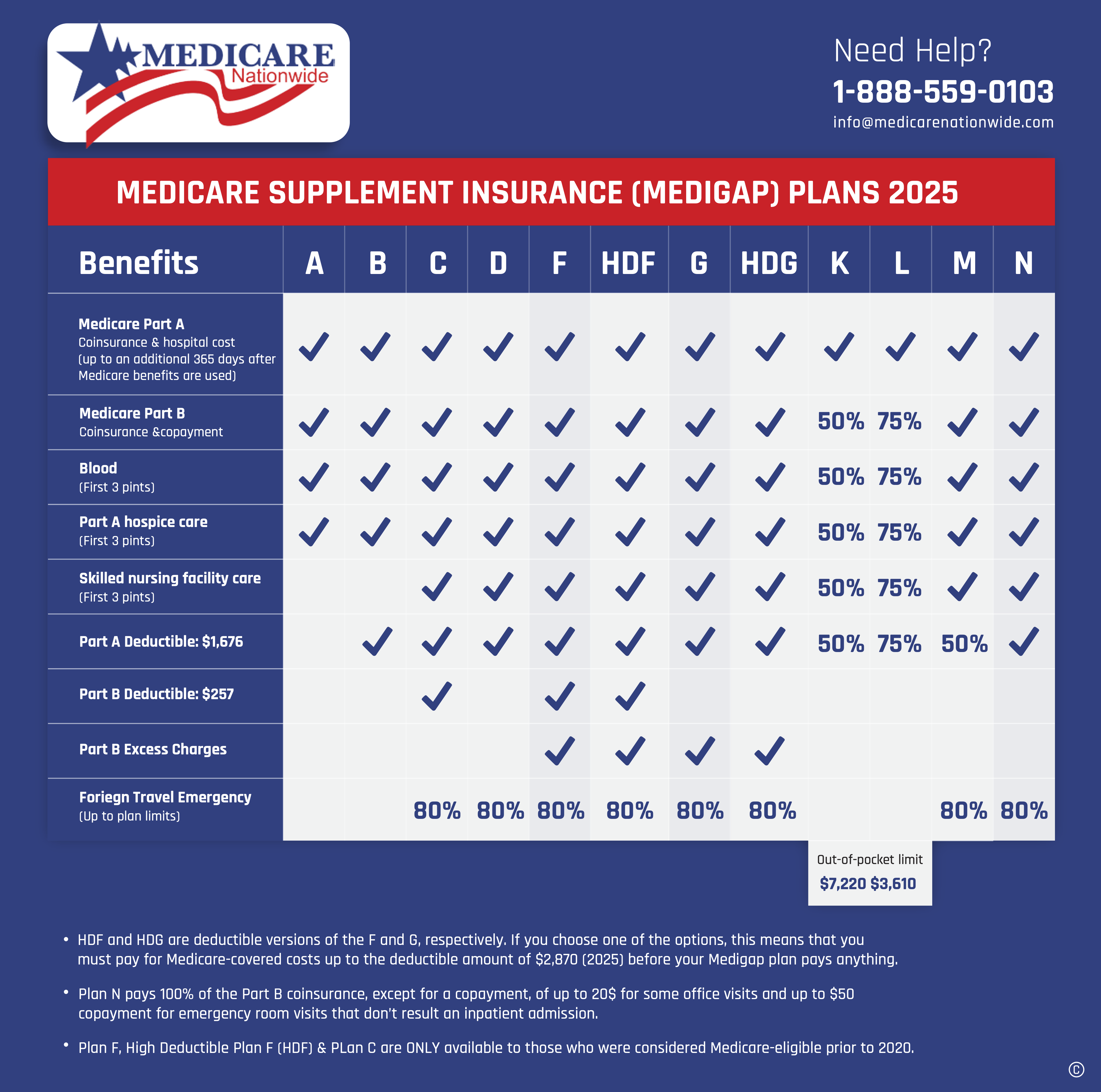
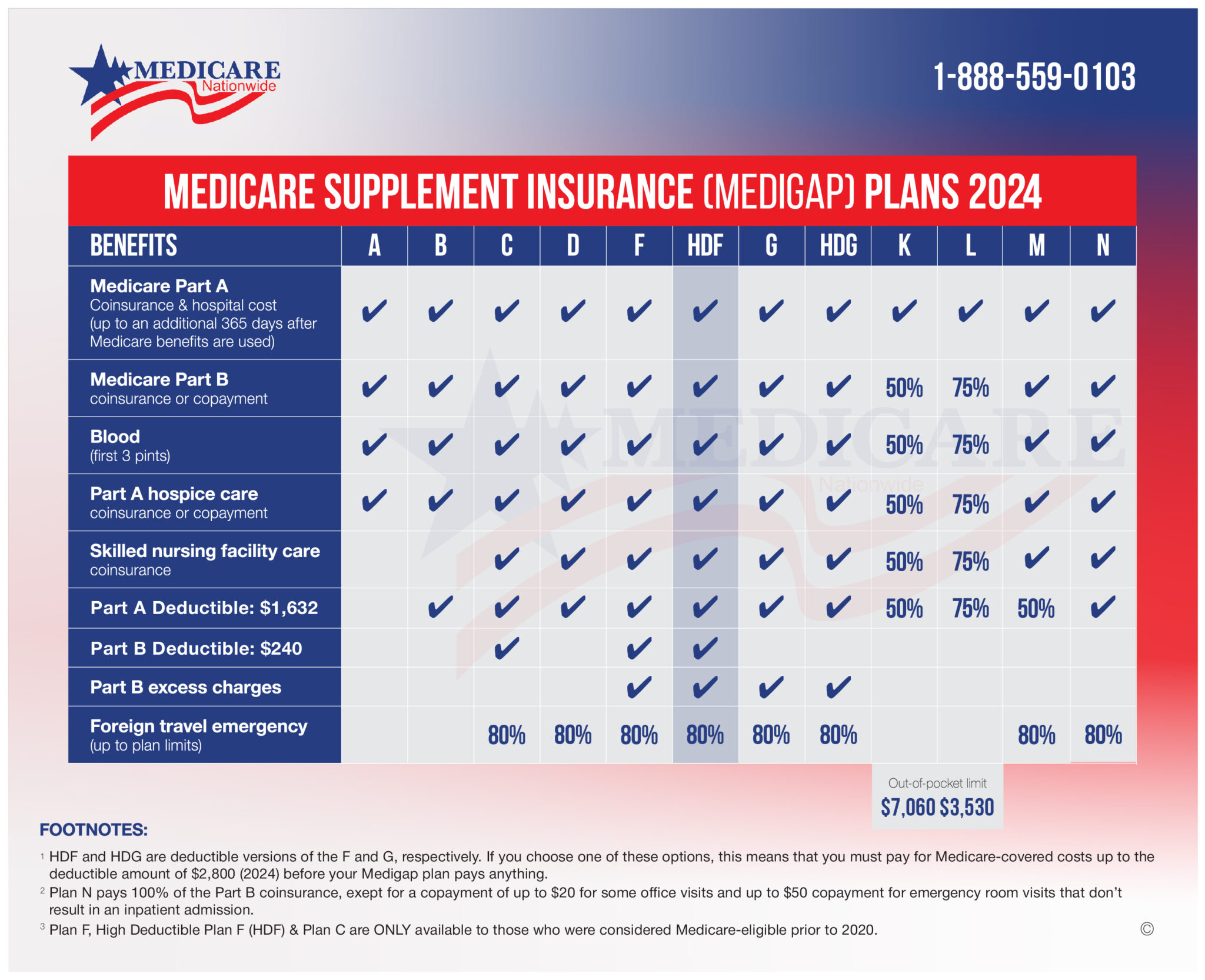
The following table outlines the coverage levels for the most common Aetna Medicare Supplement plans available in 2026.
| Feature | Plan G | Plan N | Plan F* |
|---|---|---|---|
| Part A Coinsurance & Hospital Costs | 100% | 100% | 100% |
| Part B Coinsurance or Copayment | 100% | 100% (minus copays) | 100% |
| Blood (First 3 Pints) | 100% | 100% | 100% |
| Part A Hospice Care Coinsurance | 100% | 100% | 100% |
| Skilled Nursing Facility Coinsurance | 100% | 100% | 100% |
| Part A Deductible | 100% | 100% | 100% |
| Part B Deductible | No | No | 100% |
| Part B Excess Charges | 100% | No | 100% |
| Foreign Travel Emergency (80%) | 100% | 100% | 100% |
*Plan F is only available to those eligible for Medicare before January 1, 2020.
Pricing Factors and Household Discounts
Aetna uses several methods to determine premiums, and these can vary significantly by state. Understanding these pricing models is crucial for long-term financial planning in 2026.
- Attained-Age Rating: This is the most common model. Your premium starts lower and increases as you get older.
- Issue-Age Rating: Your premium is based on your age when you first buy the policy. While premiums don't increase specifically because you get older, they may still rise due to inflation or increased medical costs.
- Community-Rated: Everyone in a specific geographic area pays the same premium regardless of age.
The Aetna Household Discount
One of Aetna’s most competitive features in 2026 is its household discount. Depending on the state, you may receive a 7% to 12% discount on your monthly premium if you live with a spouse or another adult who also has (or is applying for) an Aetna Medigap policy. Some states allow this discount even if the other person is not an Aetna policyholder, provided they live in the same residence. This discount is a significant factor in why many couples choose Aetna for their supplemental coverage.
Eligibility and the Importance of Enrollment Timing
The timing of your application for an Aetna Medicare Supplement plan is the single most important factor in your ability to get covered and the price you will pay.
Medigap Open Enrollment Period
This is a one-time, six-month window that begins the month you are both 65 or older and enrolled in Medicare Part B. During this period, you have "Guaranteed Issue" rights. Aetna cannot deny you coverage or charge you more based on your health history. In 2026, it is highly recommended to secure your plan during this window if you have pre-existing conditions like diabetes, heart disease, or cancer.
Medical Underwriting Outside of Open Enrollment
If you apply for an Aetna Medigap plan outside of your initial six-month window (and you do not have a "Guaranteed Issue" right due to losing other coverage), you must go through medical underwriting. Aetna’s underwriters will review your medical history and may ask questions regarding:
- Recent hospitalizations or surgeries.
- Chronic conditions requiring ongoing medication.
- Height and weight (BMI).
- Tobacco use.
In 2026, Aetna's underwriting process is known for being relatively straightforward, but they can and will deny coverage if you do not meet their health standards once your initial enrollment period has ended.
Aetna’s Unique Benefits and Value-Added Services
Beyond the core medical benefits, Aetna integrates several lifestyle and wellness features into its 2026 Medicare Supplement products. While these are not part of the standardized government plan, they are perks offered to Aetna members.
- SilverSneakers or Fitness Programs: Many Aetna Medigap policies include a membership to SilverSneakers, providing access to thousands of gyms and fitness centers nationwide at no additional cost.
- Foreign Travel Emergency Coverage: Most Aetna plans (G, N, and F) provide 80% coverage for emergency medical care outside the U.S., subject to a $250 deductible and a $50,000 lifetime maximum. This is vital for retirees planning to travel internationally in 2026.
- Aetna Member Website and App: Policyholders have access to a streamlined digital portal where they can track claims, view their digital ID cards, and manage their premium payments.
- Pharmacy Discounts: Through its parent company, CVS Health, Aetna often provides members with discounts on health-related items or access to specific wellness resources at CVS Pharmacy locations.
Comparing Aetna to Other Major Carriers
When shopping for Medicare Supplement insurance in 2026, you should compare Aetna against other major players like UnitedHealthcare (AARP), Mutual of Omaha, and Blue Cross Blue Shield.
- Financial Strength: Aetna consistently maintains high ratings from agencies like A.M. Best. This indicates a strong ability to pay claims, which is essential for a product you may hold for 20 or 30 years.
- Rate Stability: While Aetna’s initial premiums are often very competitive, it is important to look at their history of rate increases in your state. A plan that is $10 cheaper today might become $30 more expensive in five years if the insurer has a history of frequent, large rate hikes.
- Customer Service: Aetna’s integration with CVS Health has improved its administrative efficiency, often resulting in faster claim processing times compared to smaller, regional insurers.
Common Pitfalls to Avoid When Choosing Aetna
Even with a reputable carrier like Aetna, beneficiaries often make mistakes that can be costly in the long run.
- Confusing Medigap with Medicare Advantage: You cannot have both. Aetna sells both Medicare Advantage (Part C) and Medigap. If you want the freedom to see any doctor and no networks, you want the Medicare Supplement.
- Missing the Part D Window: Medigap plans do not include prescription drug coverage. You must purchase a separate Medicare Part D plan. Many people choose an Aetna/SilverScript Part D plan to keep their coverage within the same family of companies.
- Ignoring the Part B Excess Charges: If you choose Plan N to save on premiums, ensure your doctors accept Medicare assignment. In 2026, most do, but if you live in a state like Vermont or Connecticut where excess charges are limited or prohibited by state law, this is less of a concern.
- Waiting Too Long to Switch: If you are currently on a Medicare Advantage plan and want to switch to Aetna Medigap, you can generally only do so during the Annual Election Period (AEP) or the Medicare Advantage Open Enrollment Period. Furthermore, you will likely have to pass medical underwriting to make the switch.
How to Apply for Aetna Medicare Supplement Insurance
The application process for 2026 can be completed through several channels. It is recommended to have your Medicare card and a list of current medications ready before starting.
- Online Application: Aetna offers a user-friendly online portal where you can enter your zip code, view quotes for all available plans, and complete the application in about 20 minutes.
- Licensed Insurance Agents: Working with an independent broker who represents Aetna and other carriers can provide a more balanced view. They can help you compare Aetna's specific pricing in your zip code against competitors.
- Direct via Phone: You can call Aetna’s Medicare enrollment department to speak with a representative who can guide you through the underwriting questions and the household discount verification.
Frequently Asked Questions
Does Aetna Medicare Supplement cover dental and vision?
Standard Medigap plans do not cover routine dental, vision, or hearing exams. However, in 2026, Aetna often offers these as "standalone" policies that you can bundle with your Medigap plan for an additional monthly premium.
Will my Aetna Medigap plan be canceled if my health declines?
No. As long as you pay your premiums on time, your Aetna Medicare Supplement policy is "guaranteed renewable." This means the insurance company cannot cancel your coverage because of your health status, no matter how many claims you file.
Can I use my Aetna Medigap plan in another state?
Yes. Medicare Supplement insurance is portable. Because Aetna’s plans work with Original Medicare, you can use your coverage anywhere in the United States that accepts Medicare. If you move permanently to a new state, you may need to notify Aetna, and your premium may change based on your new location, but you do not lose coverage.
Does Aetna cover the Part B deductible in 2026?
Only if you are on Plan F and were eligible for Medicare prior to 2020. For everyone else, the Part B deductible is an out-of-pocket expense. Once that deductible is met for the year, your Aetna Plan G or N will begin paying its portion.
Is there a waiting period for pre-existing conditions with Aetna?
If you enroll during your Medigap Open Enrollment Period, Aetna generally cannot impose a waiting period for pre-existing conditions if you had "creditable coverage" (like employer insurance) prior to joining Medicare. Without prior coverage, there may be a waiting period of up to six months for those specific conditions.
Final Recommendation for 2026
For beneficiaries seeking stability and a wide network of acceptance, Aetna Medicare Supplement Plan G is the top recommendation for 2026 due to its comprehensive coverage and Aetna's financial reliability. If you are more budget-conscious and don't mind small copays, Plan N offers excellent value. Always ensure you apply during your initial enrollment period to avoid medical underwriting and take advantage of the household discount to maximize your savings.