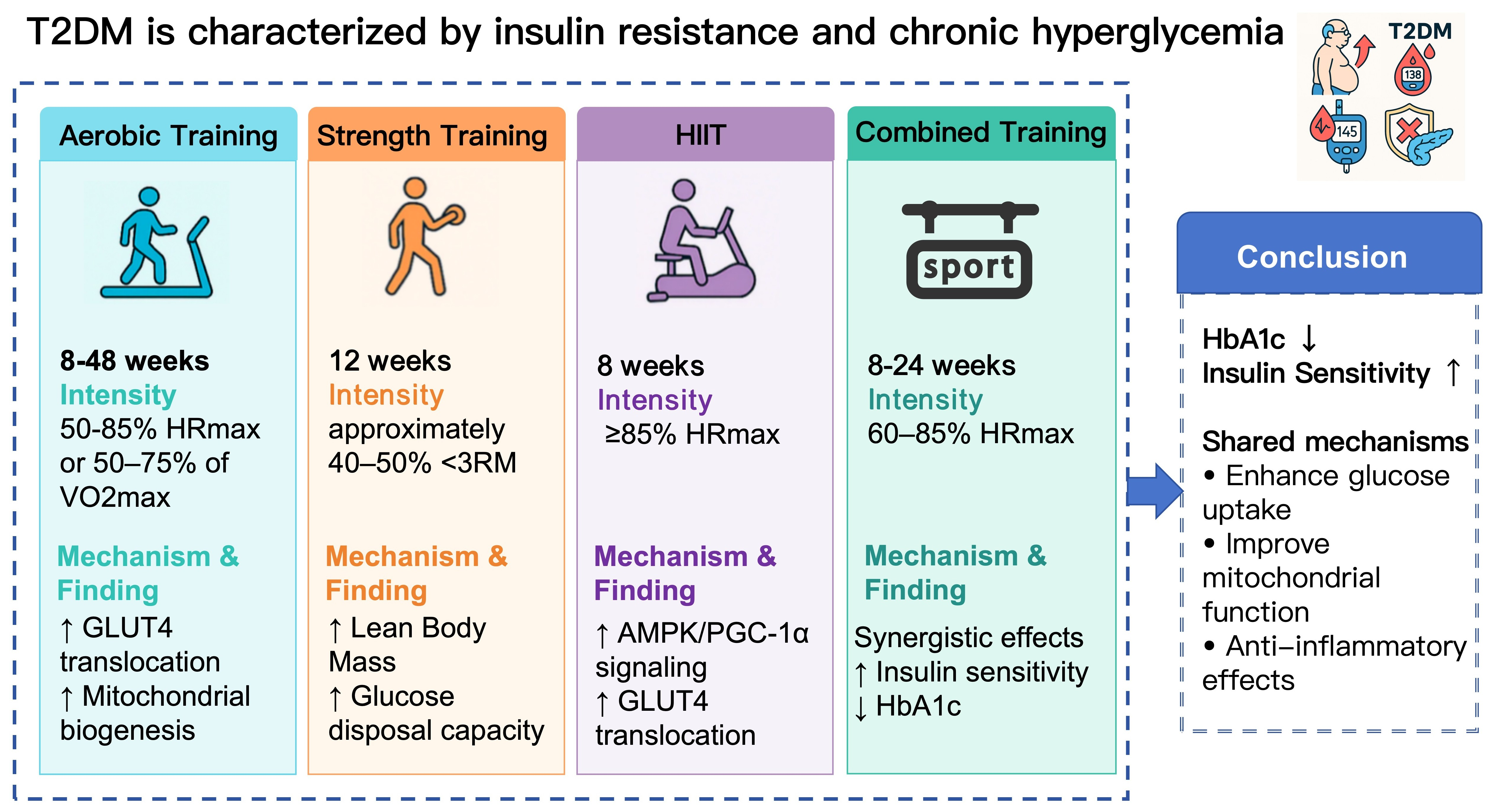
Aerobic exercise manages diabetes by improving insulin sensitivity, facilitating glucose uptake into active skeletal muscles independently of insulin, and supporting long-term glycemic control measured through glycated hemoglobin (HbA1c) levels. Consistent cardiovascular physical activity helps reduce cardiovascular disease risks, assists with weight management, and enhances overall metabolic health for individuals living with type 1 and type 2 diabetes.
Managing diabetes requires a multifaceted approach that balances nutrition, medication, monitoring, and regular physical activity. While dietary adjustments and pharmacological interventions form the foundation of clinical treatment, structured physical activity acts as a potent non-pharmacological therapeutic agent. Among various forms of physical conditioning, aerobic exercise holds a prominent place due to its profound impact on metabolic regulation, cardiovascular endurance, and body composition. Understanding how aerobic exercise interacts with glucose metabolism enables patients and healthcare providers to design safe, effective, and sustainable fitness routines tailored to individual health profiles.
Physiological Mechanisms: How Aerobic Exercise Affects Blood Glucose
To understand why aerobic activity is vital for diabetes management, one must examine the cellular mechanisms governing glucose uptake in the human body. Under normal physiological conditions, insulin binds to receptors on cell membranes, signaling glucose transporter type 4 (GLUT4) vesicles to move to the cell surface and allow glucose to enter the cells for energy. In individuals with insulin resistance—a hallmark of type 2 diabetes—this signaling cascade is impaired, leaving glucose circulating in the bloodstream and causing hyperglycemia.
Aerobic exercise bypasses this defective insulin-signaling pathway through a separate, mechanical mechanism. Muscle contractions during rhythmic, continuous aerobic movements stimulate the translocation of GLUT4 proteins to the cell membrane independently of insulin.
- Immediate Glucose Utilization: Active skeletal muscles consume circulating blood glucose at a rate significantly higher than resting tissue, helping to lower blood sugar levels during the workout.
- Extended Insulin Sensitivity: The enhancement in insulin sensitivity persists long after the workout ends, often remaining elevated for 24 to 48 hours depending on the intensity and duration of the session.
- Glycogen Depletion and Replenishment: Following exercise, muscles replenish their depleted glycogen stores by drawing glucose directly from the bloodstream, further stabilizing systemic glycemic levels.
Research published by organizations such as the American Diabetes Association emphasizes that regular aerobic training improves the overall efficiency of glucose disposal, reducing the total amount of daily insulin or oral medication required by some patients under strict medical supervision.
Health Benefits Beyond Blood Sugar Regulation
While glycemic control is the primary objective for most diabetes patients, the systemic benefits of aerobic exercise extend across multiple organ systems. Diabetes significantly increases the risk of macrovascular and microvascular complications, including coronary artery disease, peripheral neuropathy, and nephropathy. Structured aerobic conditioning directly addresses these secondary risks.
Cardiovascular fitness is a primary defense against heart disease, which remains the leading cause of mortality among individuals with diabetes. Aerobic exercise strengthens the myocardium, lowers resting heart rate, and improves endothelial function—the ability of blood vessels to dilate and constrict properly. Additionally, regular cardiovascular workouts help manage dyslipidemia by lowering low-density lipoprotein (LDL) cholesterol and triglycerides while raising protective high-density lipoprotein (HDL) cholesterol.
Weight management is another critical advantage. Visceral adiposity—fat stored around abdominal organs—secretes inflammatory cytokines that worsen insulin resistance. Aerobic activities like brisk walking, cycling, swimming, and rowing create an energetic deficit that promotes fat loss while preserving lean muscle mass. Furthermore, consistent physical activity is strongly correlated with improved psychological well-being, reduced symptoms of depression and anxiety, and better sleep quality, all of which indirectly support effective metabolic self-management.
Programming Aerobic Exercise: Intensity, Frequency, and Duration
Creating an effective exercise regimen requires balancing physiological stimulus with safety. Clinical guidelines recommend a structured approach that scales gradually based on the individual's current fitness level, age, presence of complications, and baseline glycemic control.
Frequency and Duration
For adults with type 2 diabetes, health authorities generally recommend at least 150 minutes of moderate-intensity aerobic activity per week, spread across at least three days, with no more than two consecutive days passing without a physical activity session. Moderate intensity is typically defined as 50% to 70% of maximum heart rate, or an effort level where the exerciser can talk comfortably but not sing. Alternatively, individuals may engage in 75 minutes of vigorous-intensity aerobic activity per week, or a combination of both.
Tailoring Intensity
Intensity can be monitored using objective tools like heart rate monitors or subjective scales such as the Borg Rating of Perceived Exertion (RPE).
| Intensity Level | RPE Scale (6-20) | Physiological Indicator |
|---|---|---|
| Light | 10 - 11 | Minimal increase in heart and breathing rates. |
| Moderate | 12 - 14 | Noticeable increase in breathing; conversational. |
| Vigorous | 15 - 17 | Substantial breathing rate; difficult to converse. |
Pre-Exercise Screening and Risk Mitigation
Before initiating an aerobic exercise program, individuals with diabetes must undergo comprehensive medical evaluation, particularly if they have had the condition for a long time, lead a sedentary lifestyle, or exhibit risk factors for cardiovascular disease.
Physicians evaluate patients for silent ischemia, autonomic neuropathy, proliferative retinopathy, and peripheral neuropathy. These conditions dictate specific modifications to exercise programming:
- Peripheral Neuropathy: Loss of sensation in the feet increases the risk of blisters, ulcers, and unnoticed trauma. Patients require supportive, moisture-wicking footwear, daily foot inspections, and non-weight-bearing aerobic options such as swimming, stationary cycling, or rowing if foot ulcers are present.
- Proliferative Retinopathy: Strenuous physical exertion, heavy lifting, or activities that significantly raise blood pressure can exacerbate retinal bleeding or detachment. High-intensity aerobic activities should be avoided until retinopathy is treated and stabilized.
- Autonomic Neuropathy: This condition can impair heart rate and blood pressure responses to exercise, making traditional heart rate targets unreliable. RPE scales are preferred for monitoring exertion in these patients.
Managing Hypoglycemia and Hyperglycemia Risks
Blood glucose fluctuations present unique challenges during aerobic exercise. The direction and magnitude of the change depend heavily on baseline glucose levels, the timing of the last meal, circulating insulin levels, and the intensity and duration of the workout.
Preventing Exercise-Induced Hypoglycemia
Hypoglycemia (blood glucose typically below 70 mg/dL) is most common in individuals taking insulin or insulin secretagogues (such as sulfonylureas). During aerobic exercise, increased glucose uptake combined with high circulating insulin can cause blood sugar to plummet rapidly during or several hours after the session.
- Pre-Exercise Testing: Check blood glucose before starting. If levels are below 100 mg/dL, consume 15 to 20 grams of fast-acting carbohydrates before beginning the activity.
- Carbohydrate Availability: For prolonged sessions lasting longer than 45 to 60 minutes, ingest additional carbohydrates periodically to maintain euglycemia.
- Medication Adjustment: Work with a clinical endocrinologist or certified diabetes care and education specialist to adjust pre-exercise insulin doses when planning extended workout sessions.
Understanding Exercise-Induced Hyperglycemia
Conversely, high-intensity aerobic exercise or short bursts of anaerobic activity can sometimes cause blood glucose to rise. Intense exertion triggers the release of counter-regulatory hormones—such as epinephrin, norepinephrine, and cortisol—which signal the liver to dump stored glucose into the bloodstream faster than active muscles can consume it. If pre-exercise blood glucose is elevated above 250 mg/dL with the presence of urine or blood ketones, exercise should be postponed until ketone levels normalize and hyperglycemia is managed, as exercising with ketosis can worsen metabolic ketoacidosis.
Practical Steps to Build a Sustainable Routine
Sustaining long-term lifestyle changes requires structured planning, habit stacking, and consistent self-monitoring. Patients should view physical activity as a daily medical prescription rather than an optional leisure activity.
- Conduct a Baseline Assessment: Consult a primary care physician or endocrinologist to clear physical activity and establish safe target heart rate or RPE zones.
- Select Enjoyable Activities: Choose modalities that fit personal preferences and physical capabilities, whether it is brisk walking in the neighborhood, swimming at a local aquatic center, or using an elliptical machine at home.
- Establish a Schedule: Embed exercise into daily routines by setting specific times, such as a 20-minute walk immediately following lunch or dinner, which helps blunt postprandial glucose spikes.
- Monitor and Adjust: Keep a detailed log of pre- and post-exercise blood glucose readings alongside workout duration and intensity notes to identify personal patterns and responses.
- Prepare for Emergencies: Always carry fast-acting glucose tablets, a mobile phone, and medical identification detailing diabetes status while exercising away from home.
Frequently Asked Questions
Can aerobic exercise reverse type 2 diabetes?
While aerobic exercise cannot completely erase genetic predispositions, consistent physical activity combined with dietary changes and weight loss can achieve clinical remission of type 2 diabetes. Remission is defined as maintaining glycated hemoglobin (HbA1c) levels below 6.5% for at least three months without the use of glucose-lowering pharmacotherapy.
What is the best time of day for a person with diabetes to do aerobic exercise?
The optimal time depends on individual schedules and medication routines, but exercising 30 to 60 minutes after a meal is highly effective. Postprandial exercise helps blunt the natural rise in blood glucose that occurs after eating, utilizing the incoming nutrients directly in working muscle tissue.
Should I check my blood sugar during long workouts?
Yes. For continuous aerobic exercise lasting longer than 45 minutes, testing blood glucose mid-session is essential—especially for individuals using insulin. This allows the timely consumption of carbohydrate snacks before hypoglycemia develops.
How do I protect my feet during aerobic workouts?
Individuals with diabetes should wear seamless, moisture-wicking athletic socks and properly fitted athletic shoes with adequate cushioning. Inspect feet thoroughly before and after every workout for redness, blisters, cuts, or swelling, and report any foot abnormalities to a podiatrist immediately.
Can individuals with type 1 diabetes perform high-intensity aerobic exercise safely?
Yes, individuals with type 1 diabetes can participate in high-intensity and endurance aerobic activities, but it requires meticulous blood glucose management. This often involves real-time continuous glucose monitoring (CGM), precise adjustments to basal and bolus insulin administration, and strategic carbohydrate supplementation.
What should I do if I experience low blood sugar while exercising?
Stop exercising immediately and check your blood glucose if possible. Consume 15 grams of fast-acting carbohydrates—such as glucose tablets, fruit juice, or regular soda. Wait 15 minutes, recheck your blood glucose, and repeat the treatment if levels remain below 70 mg/dL before resuming light activity.