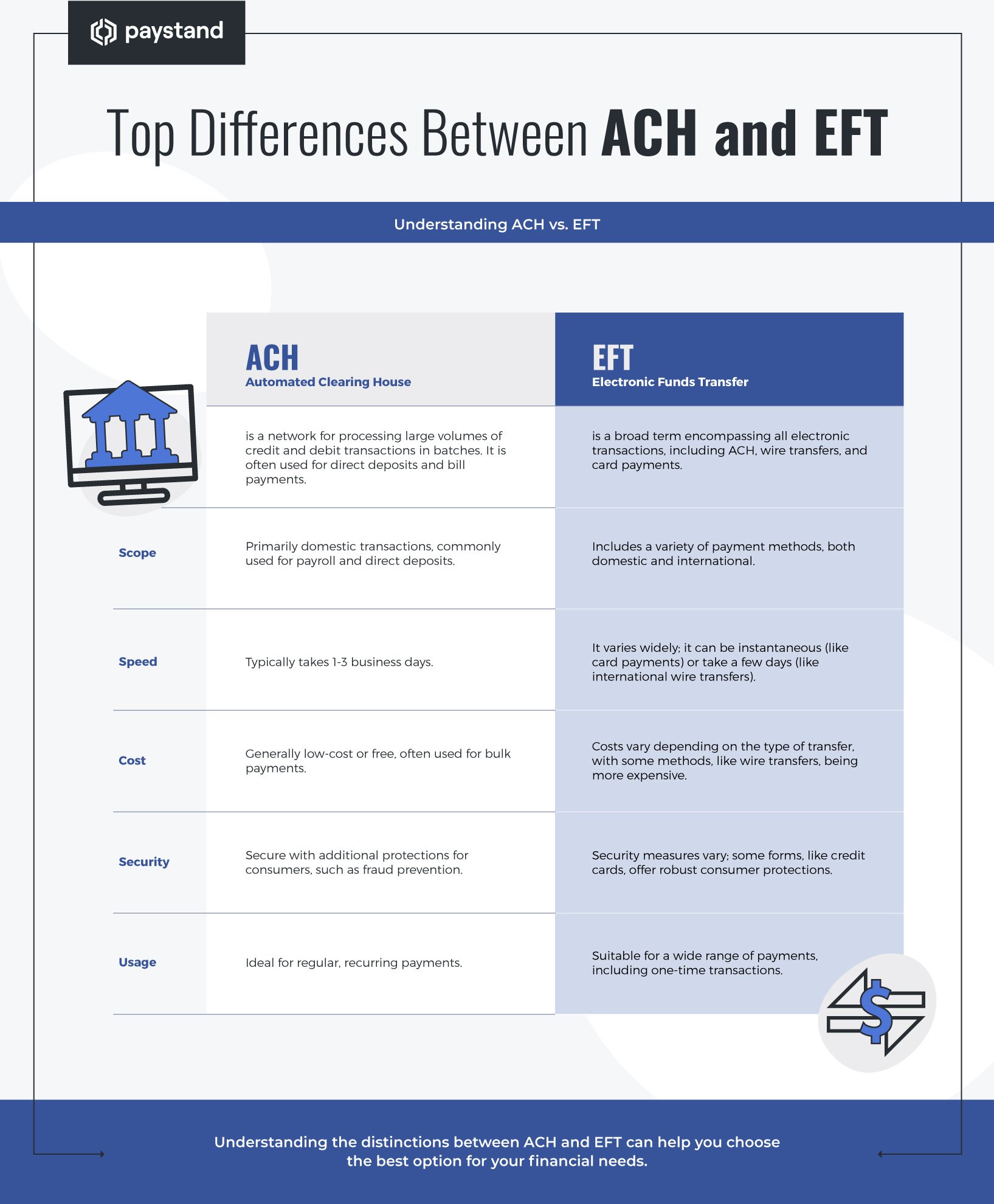
Electronic Funds Transfer (EFT) refers to the digital movement of money from one bank account to another, encompassing technologies like ACH, wire transfers, and real-time payment systems. In 2026, EFT provides the foundation for global commerce by offering superior speed, enhanced security protocols, and significant cost reductions compared to traditional paper-based transactions.
While the acronym EFT is occasionally used in clinical psychology to refer to Emotional Freedom Techniques (a therapeutic "tapping" method), the dominant global search intent—and the focus of this analysis—pertains to the financial technology that facilitates digital payments. By 2026, the transition toward a "checkless" society has accelerated, making the understanding of EFT advantages essential for both individual consumers and corporate financial officers.
The Operational Mechanics of EFT in 2026
To understand the advantages of EFT, one must first recognize the infrastructure that supports it. EFT is not a single product but an umbrella term for various electronic payment types. These include:
- Automated Clearing House (ACH): Typically used for direct deposits, recurring bill payments, and B2B transfers.
- Wire Transfers: Real-time or near-real-time transfers often used for high-value transactions.
- Real-Time Payments (RTP): Systems like the Federal Reserve’s FedNow Service, which allow for instant settlement 24/7/365.
- Direct Deposits: The most common form of EFT for payroll and government benefits.
- Point-of-Sale (POS) Transfers: Using debit cards or digital wallets at retail locations.
The primary advantage across all these types is the elimination of physical intermediaries. In 2026, the adoption of ISO 20022—the global standard for financial messaging—has further enhanced EFT by allowing more data to travel with each payment, reducing errors and improving transparency.
Strategic Advantages for Businesses and Organizations
For enterprises, moving away from physical checks and cash handling is no longer just a convenience; it is a strategic imperative for maintaining liquidity and operational efficiency.
1. Drastic Reduction in Operational Overheads
Processing a physical check involves significant labor costs, including printing, signing, mailing, and manual reconciliation. Industry data suggests that the total cost of processing a single business check can range from $1.00 to $5.00 when accounting for materials and labor. In contrast, an EFT transaction typically costs only a few cents. Over thousands of transactions, this translates into substantial annual savings that can be redirected toward core business growth.
2. Accelerated Cash Flow and Liquidity Management
In the financial environment of 2026, "float time"—the delay between a payment being sent and the funds being cleared—is a liability. EFT systems, particularly those utilizing Real-Time Payments (RTP), provide immediate access to working capital. Businesses can time their outgoing payments to the exact minute of a deadline, keeping funds in interest-bearing accounts for as long as possible while ensuring vendors receive payment instantly.
3. Enhanced Security and Fraud Mitigation
Physical checks are vulnerable to interception, alteration, and "check washing." They contain sensitive information, such as routing and account numbers, in plain text. EFT utilizes sophisticated encryption, multi-factor authentication (MFA), and tokenization. Furthermore, the Federal Deposit Insurance Corporation (FDIC) and various banking regulations provide frameworks for reporting and reversing unauthorized electronic transfers, which is significantly more difficult to manage with lost or stolen cash.
4. Automated Reconciliation and Data Accuracy
Because EFT transactions are digital from inception, they can be integrated directly into enterprise resource planning (ERP) and accounting software. This automation eliminates human entry errors and provides real-time visibility into the company’s financial position. With the standardized data formats now used in 2026, the "remittance advice" (information about what is being paid) is embedded in the transfer, allowing for "straight-through processing" where accounts receivable are updated automatically.
Core Benefits for Consumers and Employees
The advantages of EFT extend to the individual, providing a level of financial control and accessibility that was impossible in the era of paper banking.
1. Immediate Access to Wages
Direct deposit is the most recognizable advantage of EFT for employees. Rather than waiting for a physical check to clear or visiting a bank branch, funds are available on the morning of payday. In 2026, many employers have even moved to "earned wage access" models, where EFT allows employees to withdraw a portion of their earned pay daily, providing a vital safety net for managing unexpected expenses.
2. Simplified Bill Management
EFT enables "set-it-and-forget-it" financial management. By authorizing automatic withdrawals for recurring expenses like mortgages, utilities, and insurance, consumers avoid late fees and the mental load of tracking multiple due dates. This consistency also helps maintain or improve credit scores by ensuring a history of on-time payments.
3. Safety and Physical Security
Carrying large sums of cash poses a physical risk. EFT allows for high-value purchases through debit cards or mobile wallets with the protection of "zero-liability" policies offered by most major card networks. If a card is lost, it can be frozen via a mobile app instantly; if cash is lost, it is generally unrecoverable.
4. Environmental Impact and ESG Goals
As companies and individuals focus more on Environmental, Social, and Governance (ESG) criteria in 2026, the paper-saving aspect of EFT is significant. Eliminating the production, transport, and eventual disposal of billions of paper checks and envelopes reduces a firm’s carbon footprint. For the environmentally conscious consumer, digital-only banking is a simple way to reduce personal waste.
Technical Comparison of Common EFT Methods
Choosing the right EFT method depends on the priority of speed versus cost. The following table outlines the key differences as they stand in 2026.
| Feature | ACH Transfer | Wire Transfer | Real-Time Payments (RTP/FedNow) |
|---|---|---|---|
| Settlement Speed | Same-day or 1-2 days | Near-instant (during bank hours) | Instant (24/7/365) |
| Typical Cost | Very Low ($0.20 - $1.50) | High ($15 - $50) | Low ($0.04 - $1.00) |
| Best Use Case | Payroll, Utility Bills | Real Estate, Large B2B | Urgent Payments, P2P |
| Reversibility | Possible (within limits) | Extremely Difficult | Generally Impossible |
| Data Capacity | Limited | Moderate | High (ISO 20022) |
Security Protocols and Regulatory Oversight
The move toward EFT has been accompanied by rigorous security standards. In 2026, financial institutions rely on several layers of defense to maintain the integrity of the EFT ecosystem:
- Encryption: Data is encrypted at rest and in transit using advanced cryptographic standards, ensuring that even if data is intercepted, it remains unreadable.
- NACHA Compliance: In the United States, the Nacha (National Automated Clearing House Association) manages the development, administration, and governance of the ACH Network, constantly updating rules to combat evolving cyber threats.
- KYC and AML: "Know Your Customer" and "Anti-Money Laundering" protocols are more effectively enforced through EFT, as digital footprints allow for automated flagging of suspicious patterns that would be invisible in a cash-based system.
- Biometric Authentication: By 2026, most EFT interfaces—especially on mobile devices—require fingerprint or facial recognition before a transfer can be initiated, adding a biological layer of security.
Global Trade and Cross-Border EFT
One of the most profound advantages of EFT is its impact on international trade. Historically, cross-border payments were slow, expensive, and opaque. Modern EFT systems, such as the Single Euro Payments Area (SEPA) in Europe and updated SWIFT protocols globally, have streamlined this process.
By 2026, the "Global Payments Plus" initiatives have significantly reduced the time it takes for a business in New York to pay a supplier in Tokyo. These electronic systems handle currency conversion automatically at competitive mid-market rates, removing the need for businesses to hold multiple foreign currency accounts or navigate complex international banking bureaucracies.
Common Challenges and Troubleshooting
Despite the overwhelming advantages, EFT is not without its complexities. Users should be aware of common pitfalls:
- Incorrect Account Details: Unlike a check where a name might provide a secondary clue, EFT systems often rely solely on the account and routing numbers. A single digit error can send funds to the wrong recipient.
- Insufficient Funds (NSF): If an automated EFT withdrawal is attempted and the account has a zero balance, it can trigger significant fees from both the bank and the service provider.
- Processing Cut-off Times: While RTP is 24/7, many ACH and Wire systems still adhere to "business days." A transfer initiated on a Friday evening might not be processed until Monday morning.
To mitigate these issues, users should utilize "account validation" services that verify the existence and ownership of an account before a transfer is initiated.
Frequently Asked Questions
1. Is EFT safer than writing a paper check?
Yes, EFT is generally considered much safer. Paper checks contain your bank account and routing numbers in plain view and can be easily altered, forged, or stolen from the mail. EFT uses encrypted data and multi-factor authentication, and most unauthorized transfers can be disputed and recovered if reported promptly to the bank.
2. How long does an EFT take to clear in 2026?
The timing depends on the specific network. Real-time systems like FedNow or RTP clear in seconds. Same-day ACH transfers clear within the same business day, while standard ACH transfers typically take 1 to 2 business days. Wire transfers are usually completed within a few hours.
3. Can I cancel or reverse an EFT payment?
This is difficult. While ACH payments can be contested in cases of fraud or error, they are not "cancellable" once the processing window has closed. Wire transfers and Real-Time Payments are considered final almost immediately. Always verify the recipient's details and the amount before confirming a transaction.
4. Are there fees for using EFT?
For consumers, receiving funds via EFT (like direct deposit) is almost always free. Sending money via P2P apps or paying bills is also usually free. For businesses, there are small per-transaction fees for ACH and much higher fees for Wire transfers. However, these are still lower than the "hidden" costs of processing paper checks.
5. Does EFT work for international payments?
Yes, though international EFT is often referred to as a "Global Wire" or "International ACH." These transactions go through systems like SWIFT or SEPA. While they may take longer and involve currency conversion fees, they are significantly faster and more secure than sending a physical bank draft or money order abroad.
6. Is "EFT" the same thing as "Tapping"?
In the world of finance, no. However, "EFT" is also an acronym for Emotional Freedom Techniques, a psychological tool that involves "tapping" on meridian points on the body. If you are looking for physical or mental health benefits, you are likely researching the psychological version of EFT.
Strategic Recommendation
For businesses still relying on paper checks, the most immediate next action is to conduct a payment audit. Calculate the total labor and material cost of your current check-run process. By transitioning to a unified EFT platform that supports both ACH for volume and RTP for urgency, most organizations can realize a 60% to 80% reduction in payment processing costs while significantly improving vendor relationships through predictable, transparent settlement.