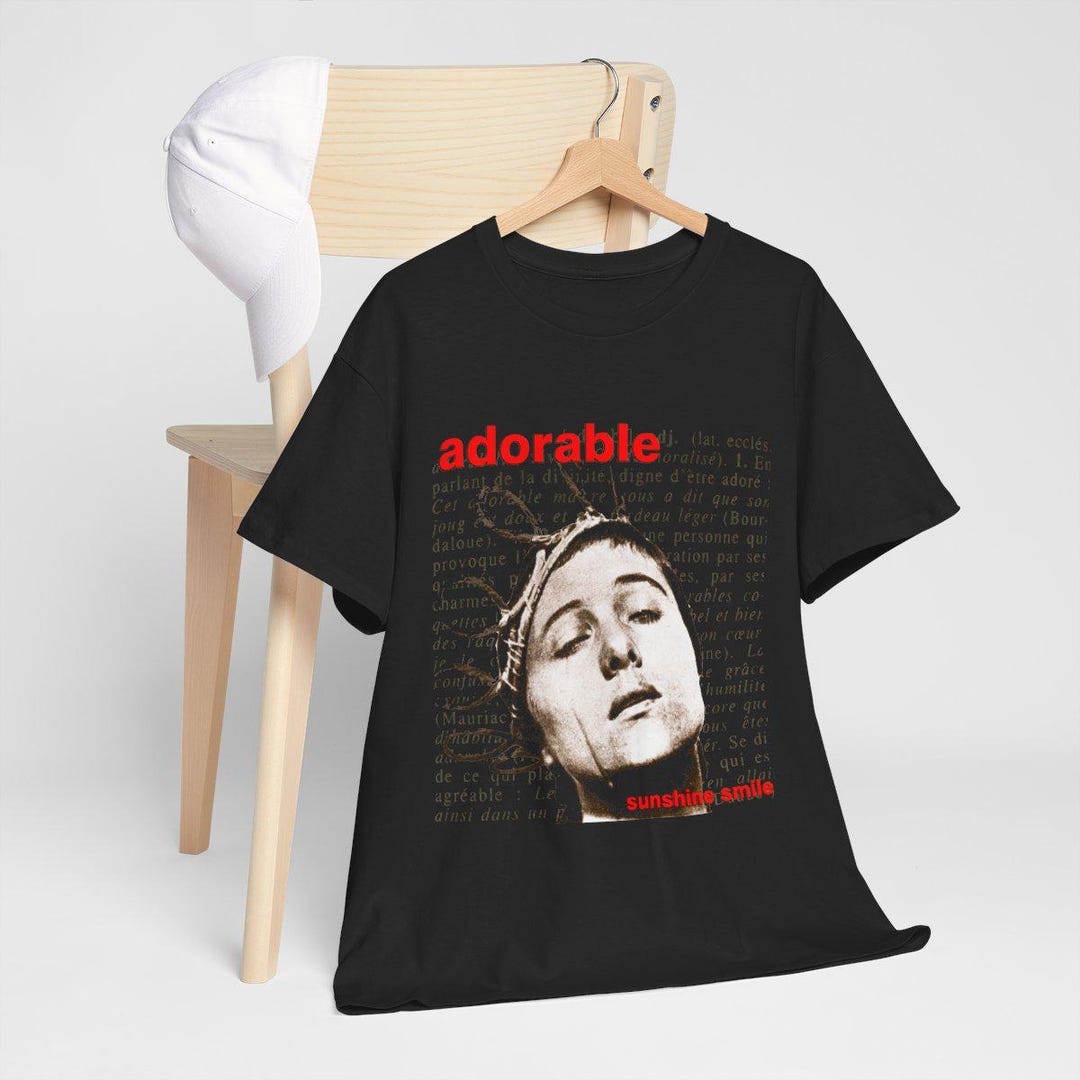
Adorable was a British indie rock band formed in Coventry in 1990 that became a cornerstone of the early 1990s shoegaze and alternative scenes. Signed to the legendary Creation Records, the band released two influential albums, Against Perfection (1993) and Fake (1994), before disbanding. Their legacy is defined by a unique blend of shimmering guitar textures, soaring melodies, and a confident, often polarizing presence that set them apart from their more introverted contemporaries.
The Origins and Formation of Adorable (1990–1991)
The story of Adorable begins in the industrial landscape of Coventry, England, at the dawn of the 1990s. The band’s core lineup consisted of Piotr Fijalkowski (vocals, guitar), Robert Dillam (guitar), Stephen Williams (bass), and Kevin Gritton (drums). Before they were Adorable, the group performed under the name "The Bubblegum," a project that hinted at their pop sensibilities but lacked the atmospheric depth they would later achieve.
The transition from The Bubblegum to Adorable marked a significant shift in artistic intent. Fijalkowski, the band’s primary songwriter and visionary, sought to move away from the jangly indie-pop tropes of the late 1980s toward something more expansive and emotionally resonant. This period coincided with the explosion of the "shoegaze" scene—a term coined by the British music press to describe bands like My Bloody Valentine, Ride, and Slowdive, who were known for their heavy use of effects pedals and stationary stage presence.
By 1991, Adorable had refined their sound, characterized by Dillam’s intricate, effect-laden guitar work and Fijalkowski’s distinctive, emotive vocals, which drew frequent comparisons to Echo & the Bunnymen’s Ian McCulloch. Their early demos caught the attention of the UK music press and, more importantly, Alan McGee, the founder of Creation Records. McGee, who had already signed some of the era's most defining acts, saw in Adorable a band that possessed both the "wall of sound" sonic palette of shoegaze and the swagger of traditional rock stars.
The Creation Records Era and the Shoegaze Paradox
Signing to Creation Records in 1992 was a pivotal moment. At the time, Creation was the most influential independent label in the world, serving as the home for Primal Scream and Jesus and Mary Chain, and was on the cusp of the Britpop revolution with Oasis. Adorable was positioned as the next big thing, a band that could bridge the gap between the atmospheric experimentation of the early 90s and the chart-topping ambitions of the mid-90s.
However, Adorable occupied a difficult space in the British musical landscape. While the press frequently lumped them in with the "Scene That Celebrates Itself" (the shoegaze movement), the band—and particularly Fijalkowski—often rejected the label. Unlike their peers, who were often perceived as shy or academically detached, Adorable arrived with an overt confidence that bordered on arrogance in the eyes of some critics.
Their debut single on Creation, "Sunshine Smile," was released in May 1992. It was an immediate success, topping the UK Indie Chart and garnering "Single of the Week" honors in the NME. The track showcased everything that made the band special: a driving rhythm section, a soaring, melodic hook, and layers of shimmering, chorused guitars. It remains their most recognizable song and a staple of 1990s alternative playlists.
The Challenge of the Music Press
The relationship between Adorable and the influential UK music weeklies (NME and Melody Maker) was complex. While their music was often praised, the band’s perceived self-assurance was sometimes weaponized against them. In an era where "authenticity" was often equated with a lack of showmanship, Adorable’s willingness to declare their own greatness was seen by some as a tactical error. This friction would play a significant role in their trajectory, as the same press that championed their first singles became increasingly critical as the landscape shifted toward the more "lads-and-lager" culture of early Britpop.
Against Perfection: The Masterpiece of 1993
In March 1993, Adorable released their debut studio album, Against Perfection. Produced by Pat Collier (who had worked with The Wonder Stuff and Robyn Hitchcock), the album was a polished, powerful realization of the band's aesthetic. It reached number 70 on the UK Albums Chart, a respectable showing for an indie debut, but its impact was felt more deeply within the alternative community than on the mainstream charts.
Track-by-Track Significance
- "Glorious": The album opener served as a manifesto, featuring a wall of feedback that dissolved into a triumphant melody.
- "Homeboy": One of the band's most aggressive tracks, it highlighted Dillam’s ability to use distortion not just as a texture, but as a rhythmic force.
- "Sistine Chapel Ceiling": A fan favorite that showcased Fijalkowski’s more poetic and vulnerable side, proving the band could handle mid-tempo anthems as well as high-energy rockers.
- "Breathless": A masterclass in shoegaze dynamics, utilizing the "loud-quiet-loud" structure that would become a staple of 1990s alternative rock.
Against Perfection is often cited by music historians as one of the definitive albums of the era. It avoided the "mushiness" that plagued many lesser shoegaze records, maintaining a clarity of production that allowed the songwriting to shine through. In the context of 2026, looking back at the 33 years since its release, the album sounds remarkably modern, influencing a new generation of "nugaze" artists who value both sonic texture and traditional songcraft.
The Sophomore Slump and the Release of Fake (1994)
The follow-up to a successful debut is always a challenge, but for Adorable, the stakes were compounded by a rapidly changing musical climate. By 1994, the "shoegaze" label had become a derogatory term in the eyes of many critics, and the UK was firmly in the grip of Suede and Blur.
The band’s second album, Fake, was released in September 1994. While it contained moments of brilliance, it was a darker, more cynical record than its predecessor. Tracks like "Vendetta" and "Submarine" showed a band grappling with the pressures of the industry and the cooling of their initial hype.
Internal and External Pressures
During the recording and promotion of Fake, internal tensions began to mount. The band felt the weight of expectation from Creation Records, which was increasingly focusing its resources on the meteoric rise of Oasis. Furthermore, the "arrogance" that had characterized their early press coverage began to haunt them; when Fake failed to produce a hit single on the scale of "Sunshine Smile," the music press was quick to dismiss them.
The album peaked at a disappointing number 66 in the UK, and despite a successful tour of the United States—where they found a more receptive audience less concerned with British press cycles—the writing was on the wall.
The Final Bow: Brussels 1994
The end of Adorable came abruptly. Following a show in Brussels in late 1994, the band decided to split. The decision was not due to a single catastrophic event, but rather a realization that they had taken the project as far as it could go within the existing industry framework. Their final performance was a bittersweet end to a four-year journey that had seen them rise from Coventry rehearsals to international tours.
Piotr Fijalkowski famously announced the split to the audience, ending the show and the band’s career in a characteristically dramatic fashion. Unlike many of their contemporaries who fizzled out over years of diminishing returns, Adorable ended while their creative integrity was still intact.
Post-Breakup Projects and the Polak Era
Following the dissolution of Adorable, the members took various paths. Piotr Fijalkowski remained active in the music industry, forming the band Polak in the late 1990s. Polak moved away from the wall-of-sound approach of Adorable, leaning into a more stripped-back, acoustic-driven indie sound. While Polak never achieved the same level of cult fame as Adorable, the project allowed Fijalkowski to refine his songwriting and maintain a presence in the UK indie scene.
Robert Dillam moved to Southeast Asia and continued to involve himself in various musical projects, while Stephen Williams and Kevin Gritton largely retreated from the public eye. For nearly 25 years, Adorable remained a "lost" band—highly regarded by those who were there, but largely ignored by the mainstream narrative of 1990s rock.
The 2019 Reunion: A Long-Awaited Return
The legacy of Adorable was revitalized in 2019 when the band announced a short series of reunion shows. This was a significant moment for fans who had waited two and a half decades for a return. The reunion featured the original lineup and included sold-out dates in London and their hometown of Coventry.
The shows were more than just a nostalgia trip; they served as a validation of the band’s work. The audiences were a mix of original fans and younger listeners who had discovered the band through streaming services and the enduring influence of the shoegaze genre. Critics who revisited the band’s work during this time often noted how well the songs had aged, particularly the tracks from Against Perfection.
The 2019 reunion was intended as a "final" farewell, a way to close the book on the band's terms. It provided a sense of closure that the abrupt 1994 split had lacked.
The Legacy of Adorable in 2026
As of 2026, the legacy of Adorable is more secure than ever. The band is no longer viewed through the narrow lens of 1990s music press drama. Instead, they are recognized as a vital link in the evolution of British guitar music.
Why Adorable Matters Today
- Sonic Architecture: Their use of effects—specifically the blending of reverb, delay, and modulation with pop structures—is a blueprint for modern indie and dream-pop bands.
- Songwriting Depth: Unlike some shoegaze bands that relied solely on "vibe," Adorable wrote songs with clear emotional arcs and memorable hooks.
- Cult Influence: They remain a "musician's band," cited by numerous contemporary artists as an influence for their uncompromising approach to their sound.
| Category | Details |
|---|---|
| Active Years | 1990–1994 (Reunion in 2019) |
| Primary Genre | Indie Rock, Shoegaze |
| Key Studio Albums | Against Perfection (1993), Fake (1994) |
| Most Successful Single | "Sunshine Smile" (No. 1 UK Indie Chart) |
| Record Label | Creation Records |
| Notable Members | Piotr Fijalkowski, Robert Dillam, Stephen Williams, Kevin Gritton |
Discography and Chart Performance
| Release Year | Title | Format | UK Chart Peak | Key Track |
|---|---|---|---|---|
| 1992 | "Sunshine Smile" | Single | 1 (Indie) | "Sunshine Smile" |
| 1992 | "Homeboy" | Single | 2 (Indie) | "Homeboy" |
| 1993 | Against Perfection | Album | 70 (Mainstream) | "Sistine Chapel Ceiling" |
| 1993 | "Favorite Dress" | Single | - | "Favorite Dress" |
| 1994 | "Vendetta" | Single | - | "Vendetta" |
| 1994 | Fake | Album | 66 (Mainstream) | "Submarine" |
| 2008 | Footnotes: Best of Adorable | Compilation | - | "A To Fade In" |
FAQ: Frequently Asked Questions About Adorable
Were Adorable considered a shoegaze band?
While they were active during the height of the shoegaze movement and used many of the genre's sonic hallmarks (like heavy effects and layered guitars), they often distanced themselves from the label. Their music featured more prominent vocals and traditional "rock" aggression than many of their shoegaze peers.
Why did Adorable break up so soon?
The band's breakup in 1994 was the result of several factors, including a perceived lack of support from their label (Creation Records) as the label shifted focus toward Britpop, a lukewarm reception to their second album Fake, and the general exhaustion of dealing with the UK music press.
What is the best starting point for a new listener?
The best starting point is the 1993 debut album Against Perfection. Specifically, the tracks "Sunshine Smile" and "Sistine Chapel Ceiling" represent the band at their melodic and atmospheric peak. For a more comprehensive overview, the compilation Footnotes: Best of Adorable is highly recommended.
Did any members of Adorable stay in the music industry?
Yes. Frontman Piotr Fijalkowski formed the band Polak and later performed as a duo with his brother, Steven Fijalkowski. Robert Dillam has remained involved in various music projects internationally, while other members have largely moved into private life.
How did the 2019 reunion happen?
The reunion was sparked by a desire to celebrate the band's legacy and give fans a proper farewell. It was a limited engagement of five shows, which the band emphasized would be their final performances together to ensure the legacy remained "against perfection."
Recommended Next Steps for Fans
If you have explored the main discography of Adorable, the next logical step is to dive into the Creation Records catalog of the early 1990s. Bands like Ride, The House of Love, and The Catherine Wheel share a similar DNA. Additionally, exploring Piotr Fijalkowski’s later work with Polak provides a fascinating look at how his songwriting evolved after the intensity of the Adorable years. For those interested in the technical side, researching the "shoegaze" guitar rigs of the early 90s will reveal the specific delay and reverb pedals (such as the Boss DD-3 and Yamaha FX500) that helped create the Adorable sound.