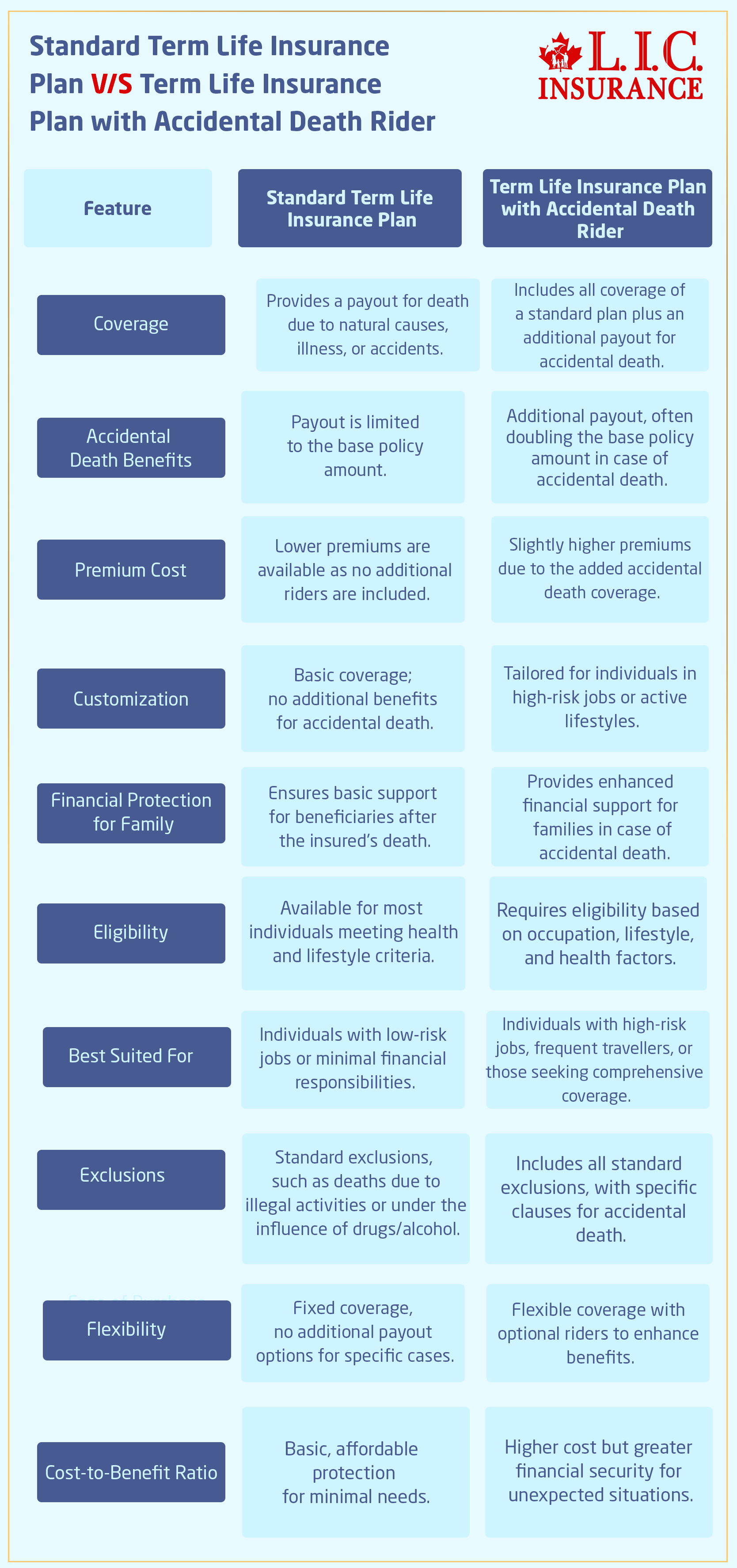
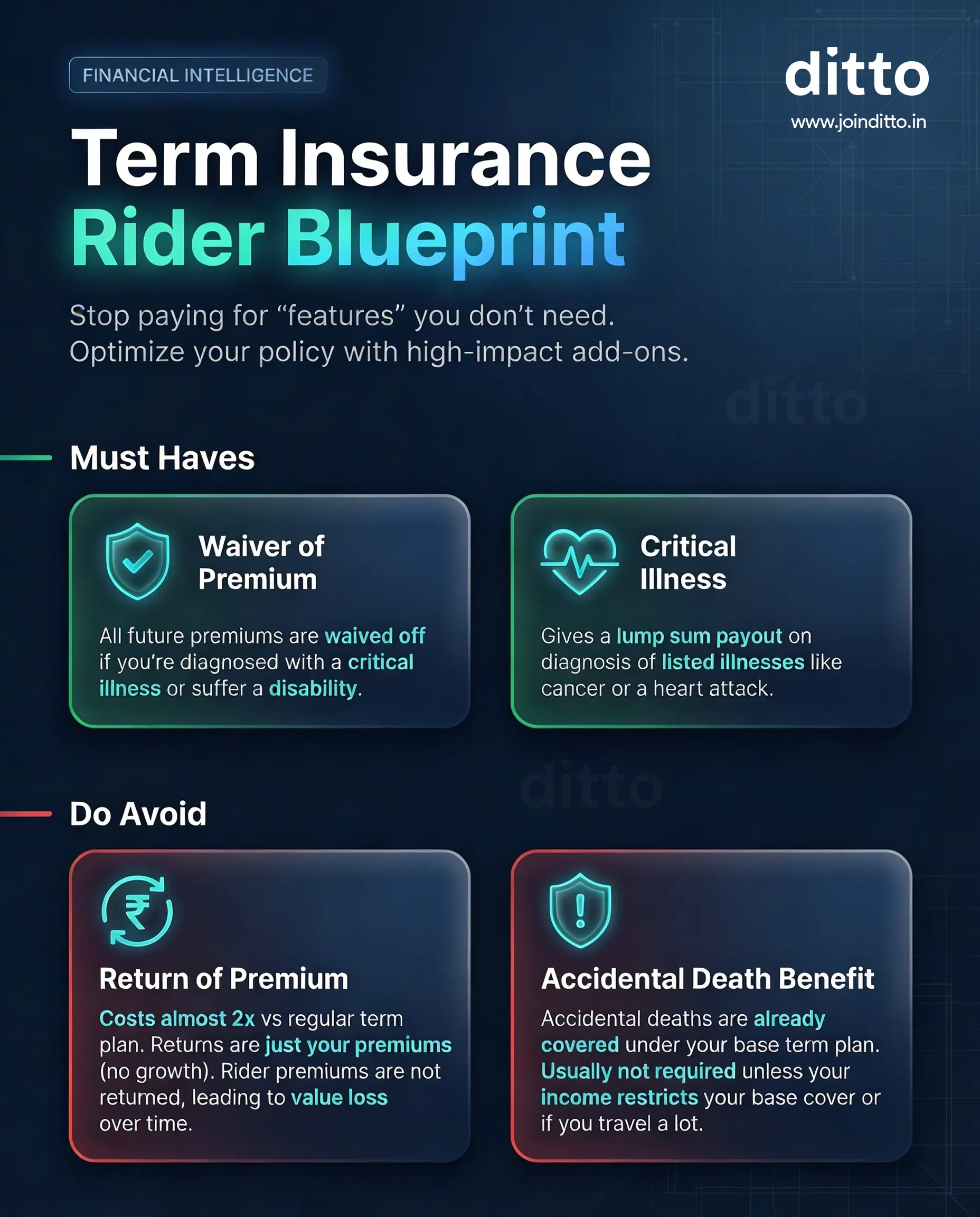
Accidental coverage benefits in term life insurance provide an additional layer of financial protection by paying out an extra sum—often doubling the policy's face value—if the insured's death results directly from a qualifying accident. These benefits, typically added as a rider, ensure families receive enhanced support during sudden, unforeseen tragedies.
While a standard term life insurance policy provides a death benefit regardless of whether the cause is natural (such as illness or old age) or accidental, many policyholders choose to enhance their coverage through specific accidental death provisions. In 2026, as the insurance landscape continues to evolve with more precise risk modeling and digital underwriting, understanding the nuances of accidental coverage is essential for building a robust financial safety net. This guide explores the mechanics, costs, exclusions, and strategic value of accidental benefits within a term life framework.
Understanding the Accidental Death Benefit (ADB) Rider
The most common way to secure accidental coverage within a term life policy is through an Accidental Death Benefit (ADB) rider. This is an optional provision that can be attached to a base policy for an additional premium. Its primary function is to provide "double indemnity," meaning that if the insured dies due to an accident, the insurer pays the standard death benefit plus an additional amount equal to that benefit.
For example, if an individual holds a $500,000 term life policy with a $500,000 ADB rider, a death due to natural causes would result in a $500,000 payout to the beneficiaries. However, if the insured dies in a documented car accident or a fall, the total payout would increase to $1,000,000. This additional capital is often crucial because accidental deaths are usually sudden, leaving families with no time to prepare for the loss of income or to handle immediate estate transitions.
In 2026, insurance companies utilize sophisticated data analytics to define "accidental" more clearly than in previous decades. Generally, an accident is defined as a sudden, external, and fortuitous event that is the direct cause of death, independent of any other causes. The death must typically occur within a specific timeframe following the accident—usually 90 to 180 days—to be eligible for the rider's payout.
Accidental Death and Dismemberment (AD&D) vs. ADB
It is important to distinguish between a simple Accidental Death Benefit (ADB) and the more comprehensive Accidental Death and Dismemberment (AD&D) rider. While both cover accidental death, the AD&D version extends benefits to the policyholder while they are still alive if they suffer specific catastrophic injuries.
The Dismemberment Component
If a policyholder survives an accident but loses a limb, sight, or hearing, the "dismemberment" portion of the rider triggers a partial payout. This is usually based on a "Schedule of Benefits," which dictates what percentage of the rider’s face value is paid out for specific losses. For instance:
- Loss of two limbs or sight in both eyes: 100% of the rider's value.
- Loss of one limb or sight in one eye: 50% of the rider's value.
- Loss of a thumb and index finger on the same hand: 25% of the rider's value.
The logic behind this benefit is to provide immediate liquidity to cover medical bills, home modifications, or vocational retraining necessitated by a permanent disability. In the 2026 insurance market, many term life providers have bundled these features to offer more holistic "living benefits" alongside traditional death coverage.
Key Benefits of Accidental Coverage in 2026
The inclusion of accidental coverage remains a popular strategy for several reasons, ranging from affordability to specific risk mitigation.
1. Cost-Effective Scaling
Accidental coverage is significantly cheaper than increasing the base term life death benefit. Because the probability of dying in a specific type of accident is statistically lower than the cumulative risk of all causes of death (including illness), insurers can offer high ADB limits for relatively low monthly premiums. This allows policyholders to "over-insure" for sudden tragedies without breaking their monthly budget.
2. Protection for High-Risk Lifestyles
For individuals who commute long distances, work in moderately hazardous environments, or spend significant time in public spaces, the risk of an accidental death is a tangible concern. While standard term life covers these risks, the ADB rider ensures that the financial payout matches the high impact of a sudden loss of a primary breadwinner in their prime working years.
3. Supplementing Employer-Provided Coverage
Many employees receive a basic life insurance policy through their workplace, often equal to one or two times their annual salary. These policies are frequently insufficient. Adding a personal term life policy with an ADB rider creates a layered defense, ensuring that even if the employer-provided policy is lost due to a job change, the individual maintains significant accidental protection.
Critical Exclusions and Limitations
One of the most complex aspects of accidental coverage benefits is the list of exclusions. Beneficiaries are often surprised to find that not every "unintentional" death qualifies as an accident under the strict language of an insurance contract. For a claim to be successful, the death must be purely accidental and not contributed to by illness or specific excluded activities.
Common Exclusions in Term Life Riders:
- Medical Conditions: If a policyholder has a heart attack while driving and subsequently crashes the car, the insurer may argue that the "proximate cause" of death was a natural medical event (the heart attack), not the accident. In such cases, the base term life benefit would be paid, but the ADB rider might be denied.
- High-Risk Activities: Deaths resulting from skydiving, professional auto racing, bungee jumping, or private aviation are typically excluded unless a specific "aviation rider" or "hazardous sports rider" is purchased.
- Influence of Substances: If the insured was under the influence of non-prescribed drugs or had a blood alcohol content above the legal limit at the time of the accident, the accidental benefit is almost universally voided.
- Suicide and Self-Inflicted Injury: No accidental rider will pay out for death by suicide. Most term life policies also have a general suicide clause for the first two years of the policy.
- Illegal Acts: If death occurs while the insured is committing a felony or engaging in an illegal occupation, the claim will be denied.
Understanding these exclusions is vital during the application process. In 2026, transparency in policy wording is at an all-time high due to regulatory oversight from bodies like the National Association of Insurance Commissioners (NAIC), but the burden of reading the fine print remains with the consumer.
Cost Analysis and Premiums
In 2026, the cost of an accidental death benefit rider remains one of the most affordable additions to a financial plan. Generally, the cost is calculated per $1,000 of coverage. For a healthy individual, the premium for an ADB rider might range from $0.02 to $0.05 per $1,000 of coverage per month.
Comparison of Estimated Annual Premiums (2026 Projections)
| Coverage Type | Base Benefit Amount | ADB Rider Amount | Estimated Total Annual Premium |
|---|---|---|---|
| Standard Term Life (Base Only) | $500,000 | $0 | $350 - $450 |
| Term Life + ADB (Double Indemnity) | $500,000 | $500,000 | $410 - $530 |
| Term Life + AD&D (Full Coverage) | $500,000 | $500,000 | $440 - $580 |
| High-Value Term + ADB | $1,000,000 | $1,000,000 | $800 - $1,000 |
Note: These figures are estimates for a 35-year-old non-smoker in 2026. Actual rates vary based on age, health status, and specific insurer underwriting guidelines.
As shown in the table, adding $500,000 of accidental protection might only cost an additional $60 to $80 per year. This high leverage is why many financial advisors recommend the rider for younger families who have high debt (like mortgages) but lower accumulated savings.
Filing a Claim for Accidental Benefits
The claims process for an accidental death benefit is more rigorous than a standard life insurance claim. While a standard claim usually only requires a death certificate, an ADB claim requires proof that the death meets the specific "accidental" criteria defined in the policy.
- Submission of Death Certificate: The certificate must clearly state the cause and manner of death. If the manner is listed as "Natural," the ADB rider will not trigger.
- Police and Autopsy Reports: Insurers will request official law enforcement records, accident reports, and toxicology results to rule out exclusions like alcohol impairment or illegal activities.
- Investigative Period: The insurance company's claims department will conduct an internal review. This may involve interviewing witnesses or consulting medical experts to ensure no pre-existing health condition contributed to the accident.
- Payout Distribution: Once verified, the ADB payout is typically issued alongside the base death benefit in a lump sum, which is generally income-tax-free for beneficiaries under current federal laws.
Who Should Consider Accidental Coverage?
While accidental coverage is beneficial, it is not a replacement for a solid base of term life insurance. It should be viewed as a "top-off" strategy. It is particularly relevant for:
- Young Parents: Those with significant long-term financial obligations who want to maximize protection during their most active years.
- Frequent Travelers: Individuals who spend significant time in transit, whether for work or leisure.
- Budget-Conscious Earners: People who need more coverage than they can currently afford at standard term rates but want to ensure their family is protected against the most sudden types of loss.
- Individuals with Limited Occupational Hazards: Ironically, those in very high-risk jobs (like deep-sea divers) may find ADB riders expensive or unavailable, whereas office workers can get them very cheaply to cover everyday accidents.
Common Pitfalls to Avoid
When evaluating accidental coverage benefits in 2026, consumers should be wary of several common mistakes:
- Relying Solely on AD&D: Some people buy stand-alone AD&D insurance instead of term life. This is risky because if they die of cancer, a stroke, or a heart attack, the AD&D policy pays nothing. Always ensure accidental coverage is a supplement to, not a replacement for, standard life insurance.
- Ignoring the Age Limit: Most ADB riders have an expiration age, often between 65 and 75. Unlike the base term policy which may last until the end of the term (e.g., age 80), the accidental rider might drop off sooner.
- Underestimating "Proximate Cause": Be aware that insurers look for any reason to classify a death as non-accidental. Keeping updated medical records can help beneficiaries prove that a sudden event was truly accidental and not the result of a hidden illness.
Frequently Asked Questions
Does accidental coverage pay out if the accident was my fault?
Generally, yes. If you are at fault in a car accident, for example, the ADB rider will still pay out, provided you were not committing a felony (like a DUI) or intentionally causing self-harm. The "accidental" nature refers to the event being unintended, not necessarily that no one was at fault.
Is the accidental death benefit taxable?
In the United States, death benefits from life insurance—including those from accidental riders—are typically not subject to federal income tax when paid to a named beneficiary. However, if the benefit is paid to the estate, it may be subject to estate taxes if the total estate value exceeds federal or state thresholds.
Can I add an accidental coverage rider after the policy is already active?
In many cases, yes. Most insurers allow you to add riders during specific "open enrollment" periods or upon a life event (like marriage or the birth of a child), though you may need to undergo a brief medical screening or answer additional health questions to adjust the policy.
What happens to the rider if I outlive the term of the policy?
If the term life policy expires, the ADB rider expires with it. There is no "cash value" or return of premium for these riders unless you specifically purchased a "return of premium" version, which is rare and significantly more expensive.
Does accidental coverage include deaths from COVID-19 or other pandemics?
No. Deaths from viruses, bacteria, or illnesses are classified as natural deaths. Even though a pandemic is an unforeseen global event, the biological mechanism of death is internal (illness), which does not meet the "external and fortuitous" criteria of an accidental death rider.
Practical Recommendation
If you are currently reviewing your life insurance needs in 2026, the first priority should be securing a base term life policy that covers your family’s essential needs (mortgage, education, income replacement) regardless of the cause of death. Once that foundation is in place, evaluate your lifestyle and budget.
If you are under age 50 and have a commute or an active lifestyle, adding an Accidental Death Benefit rider is a highly cost-effective way to provide your family with a much larger "cushion" during a worst-case scenario. However, always read the specific exclusion list of your provider to ensure that your hobbies and health history do not inadvertently void the coverage you are paying for. For most, the peace of mind provided by "double indemnity" far outweighs the nominal annual cost.