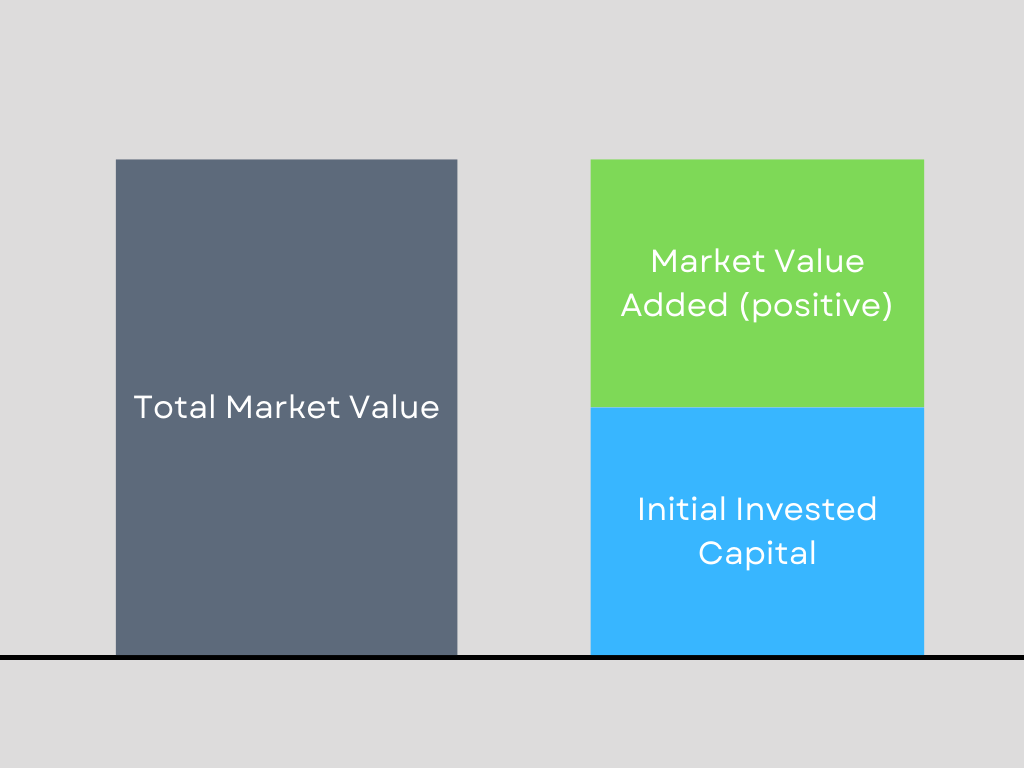
Understanding the market value overview of ABC Co Ltd requires a structured evaluation of its financial performance, equity valuation metrics, operational scale, and broader economic context. Evaluating a corporation's market value involves examining its capitalization, asset base, revenue streams, and market sentiment to determine its overall economic standing.
Market value, often synonymous with market capitalization for publicly traded entities, represents the total dollar market value of a company's outstanding shares of stock. For organizations like ABC Co Ltd, this metric fluctuates constantly based on supply and demand dynamics within public exchanges, macroeconomic indicators, industry trends, and quarterly earnings reports. Analyzing this valuation provides institutional investors, analysts, and stakeholders with vital insights into the firm’s financial health, competitive positioning, and long-term growth trajectory within its primary sector.
Introduction to ABC Co Ltd and Its Market Position
ABC Co Ltd operates within a specialized industrial or commercial sector, maintaining a distinct market share that dictates its baseline valuation. To comprehend its market value overview, one must first analyze the foundational business model, core revenue-generating operations, and geographical footprint. Corporations operating in similar segments typically encounter distinct regulatory frameworks, supply chain variables, and capital expenditure requirements that directly influence investor sentiment.
The market position of ABC Co Ltd is characterized by its ability to generate consistent cash flows, manage debt obligations, and scale operations efficiently. Market value is not merely a reflection of current earnings; it is a forward-looking metric that encapsulates market expectations regarding future profitability, technological innovation, and risk management. External market conditions, including interest rate fluctuations, inflationary pressures, and sector-specific demand shifts, play a decisive role in shaping how investors price the company's equity relative to its industry peers.
Key Metrics Influencing Market Valuation
Analyzing the market value of ABC Co Ltd necessitates a deep dive into quantitative financial metrics derived from balance sheets, income statements, and cash flow reports. Valuation is rarely derived from a single data point; instead, it synthesizes multiple financial dimensions to present a comprehensive picture of economic worth.
Market Capitalization and Share Price Dynamics
For publicly traded entities, market capitalization serves as the primary gauge of market value. It is calculated by multiplying the total number of outstanding shares by the current share price on the stock exchange.
- Basic Capitalization: Reflects the aggregate equity value assigned by public markets at any given trading session.
- Float-Adjusted Capitalization: Accounts only for shares available to the general public, excluding restricted stock held by insiders or controlling entities.
- Intraday Volatility: Captures short-term market sentiment shifts, liquidity changes, and speculative trading activity.
Enterprise Value (EV) vs. Market Capitalization
While market capitalization focuses solely on equity, Enterprise Value provides a more holistic view by incorporating debt, cash equivalents, and preferred equity.
$$\text{Enterprise Value} = \text{Market Capitalization} + \text{Total Debt} - \text{Cash and Cash Equivalents}$$
This metric is particularly useful when comparing ABC Co Ltd to competitors with varying capital structures, as it illustrates the true cost of acquiring the entire enterprise.
Price-to-Earnings (P/E) and Valuation Multiples
Valuation multiples allow analysts to benchmark ABC Co Ltd against historical averages and industry competitors. The Price-to-Earnings (P/E) ratio reveals how much investors are willing to pay for every dollar of earnings. Other critical multiples include:
- Price-to-Sales (P/S): Evaluates valuation relative to top-line revenue generation, useful for growth-stage or cyclical phases.
- Price-to-Book (P/B): Compares market value to the net asset value on the balance sheet.
- EV/EBITDA: Measures enterprise value against earnings before interest, taxes, depreciation, and amortization, neutralizing the impact of financing and accounting decisions.
Comparative Valuation Framework
To properly contextualize the market value of ABC Co Ltd, financial professionals utilize comparative matrices. Comparing valuation ratios against industry benchmarks highlights whether the company trades at a premium or a discount.
| Metric | ABC Co Ltd Value | Industry Average | Valuation Implication |
|---|---|---|---|
| Price-to-Earnings (P/E) | Evaluated via current filings | Sector median baseline | Indicates growth expectations vs. earnings yield |
| Enterprise Value / EBITDA | Operational multiple | Sector standard | Assesses operational profitability independent of leverage |
| Debt-to-Equity (D/E) | Capital structure ratio | Industry threshold | Measures financial risk and solvency stability |
| Return on Equity (ROE) | Profitability metric | Peer group average | Highlights management efficiency in generating returns |
Operational Drivers of Market Value
Market value is fundamentally anchored in operational execution. For ABC Co Ltd, sustained value creation depends on several internal drivers that dictate top-line expansion and operational efficiency.
Revenue Growth and Margin Expansion
Top-line revenue growth is a primary catalyst for expanding market value. However, top-line expansion without margin sustainability can fail to impress institutional investors. Gross profit margins, operating margins, and net profit margins dictate how effectively ABC Co Ltd converts revenue into distributable earnings. Cost management, supply chain optimization, and pricing power are vital operational levers that protect margins against inflationary headwinds.
Capital Allocation and Reinvestment
The deployment of capital—whether through research and development (R&D), capital expenditures (CapEx), strategic mergers and acquisitions (M&A), or shareholder returns via dividends and share buybacks—directly influences investor confidence. Markets typically reward companies that demonstrate disciplined capital allocation by prioritizing projects with a high return on invested capital (ROIC) while maintaining a resilient balance sheet.
Macroeconomic and Regulatory Influences
No corporate valuation exists in a vacuum. Macroeconomic variables exert a profound influence on the market value of ABC Co Ltd. Understanding these external forces helps explain valuation volatility that remains detached from internal operational performance.
Interest Rates and Cost of Capital
Monetary policy decisions by central banks dictate the prevailing interest rate environment. Higher interest rates increase the cost of borrowing, which can constrain capital-intensive expansion plans and increase discount rates used in discounted cash flow (DCF) models. Consequently, rising interest rates often place downward pressure on equity valuations across capital markets.
Regulatory Compliance and Sector Dynamics
Regulatory changes can impose unexpected compliance costs or alter operational frameworks. Changes in environmental standards, labor laws, tax codes, or trade policies can alter cost structures overnight. Markets price these regulatory risks into the equity valuation, rewarding firms that exhibit strong compliance infrastructures and adaptive operational models.
Common Analytical Missteps in Valuation Reviews
When examining a market value overview, analysts and investors frequently encounter pitfalls that distort financial reality. Avoiding these errors ensures a more accurate interpretation of ABC Co Ltd's economic standing.
- Ignoring Capital Structure Differences: Relying exclusively on market capitalization without examining debt levels can create a misleading impression of a company's total financial obligations.
- Overlooking Cyclicality: Failing to account for cyclical industry downturns can lead to overvaluation during peak earnings periods or undervaluation during troughs.
- Chasing Short-Term Volatility: Confusing temporary intraday price movements with fundamental shifts in long-term enterprise value.
- Neglecting Non-Operating Assets: Overlooking surplus cash, real estate holdings, or minority investments that contribute to total net asset value.
Frequently Asked Questions
What is the primary driver of market value for ABC Co Ltd?
The primary driver is its sustained capacity to generate robust, predictable cash flows supported by revenue growth, margin expansion, and disciplined capital allocation. Market capitalization fluctuates daily based on these fundamentals interacting with investor sentiment.
How does Enterprise Value differ from Market Capitalization?
Market capitalization measures only the total equity value of outstanding shares. Enterprise Value provides a comprehensive financial snapshot by adding total debt and subtracting cash equivalents, representing the total theoretical cost to acquire the entire business.
Why do valuation multiples vary between ABC Co Ltd and its competitors?
Valuation multiples vary due to differences in growth rates, risk profiles, profit margins, capital structures, and market positioning. Companies with higher expected growth or superior efficiency typically command premium multiples.
What role do macroeconomic factors play in market valuation?
Macroeconomic factors such as interest rate changes, inflation, currency fluctuations, and regulatory shifts alter the cost of capital, consumer demand, and operating expenses, directly impacting equity valuations across markets.
Where can verified financial data for ABC Co Ltd be accessed?
Official financial data, regulatory filings, balance sheets, and earnings reports should be sourced directly from official corporate investor relations portals or regulatory filing archives such as the U.S. Securities and Exchange Commission (SEC) EDGAR system or equivalent international regulatory bodies.
Conclusion and Strategic Next Actions
A comprehensive market value overview of ABC Co Ltd requires synthesizing quantitative financial metrics, qualitative operational drivers, and broader macroeconomic conditions. Stakeholders must look beyond surface-level share prices to evaluate underlying enterprise value, debt structures, and earnings quality.
For accurate decision-making, analysts should review primary financial statements, track quarterly earnings reports, and consult official regulatory disclosures to monitor ongoing valuation trends and corporate performance indicators.