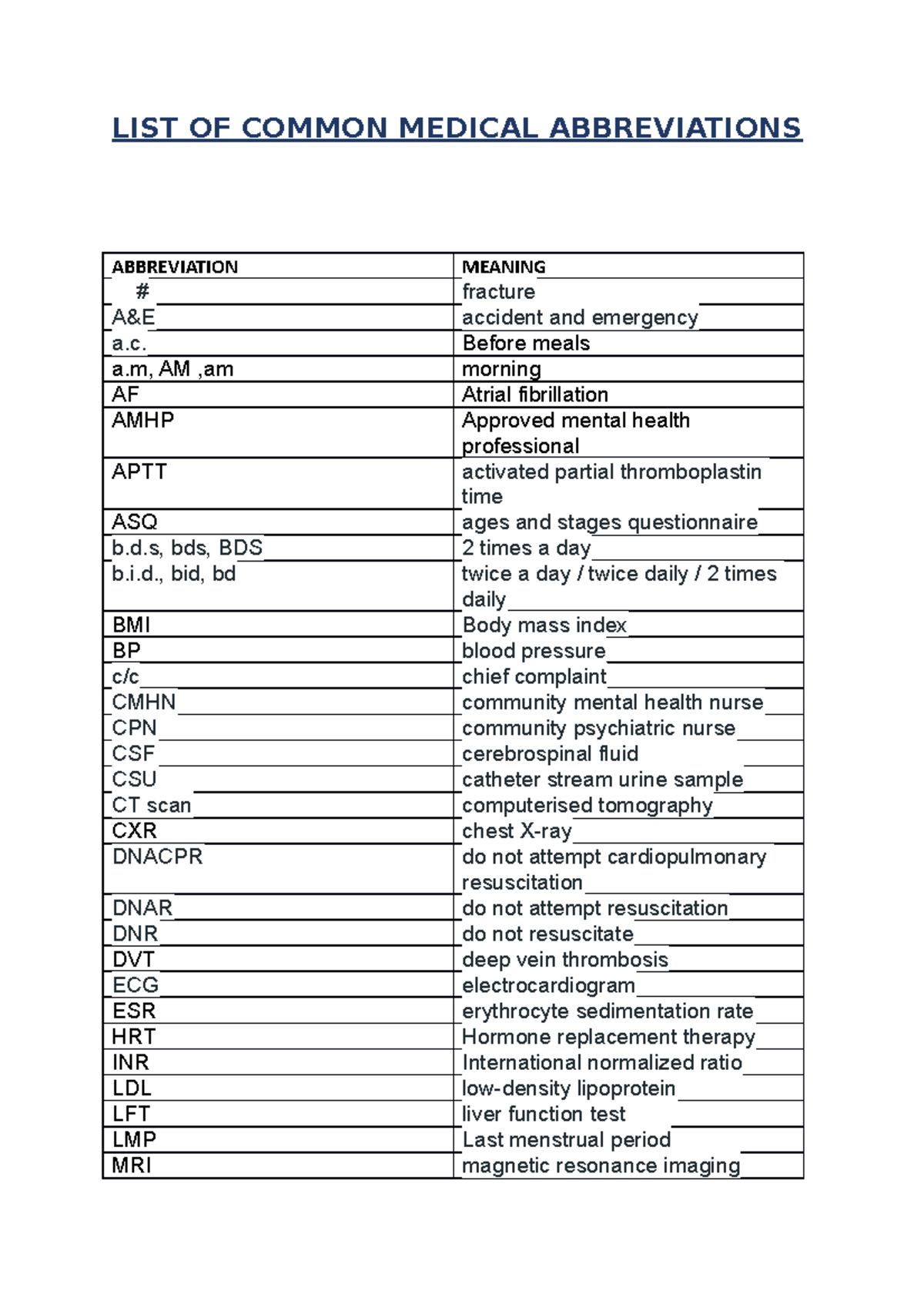
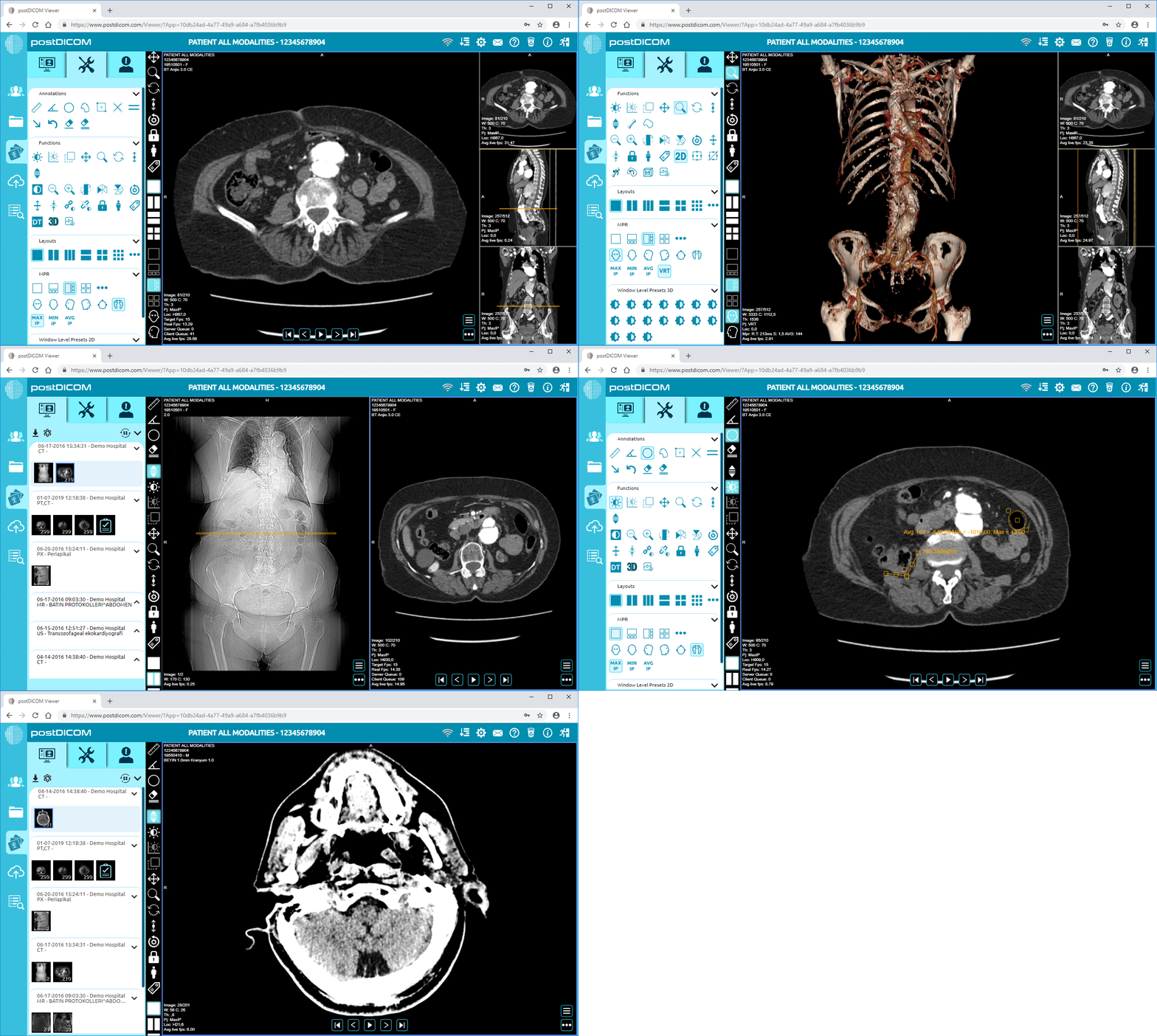
The standard abbreviation for radiology in medical charting, departmental routing, and clinical documentation is RAD (or Rad.). Depending on the context, diagnostic imaging subspecialties use specific acronyms such as DR for Diagnostic Radiology and IR for Interventional Radiology, while individual imaging modalities rely on abbreviations like CT, MRI, US, and XR.
Primary Abbreviations for Radiology in Medical Documentation
In healthcare environments, clear communication is essential for patient safety, accurate electronic health record (EHR) entry, and streamlined interdepartmental workflows. The term "radiology" covers a wide spectrum of imaging techniques, therapeutic interventions, and administrative classifications. As a result, several standardized abbreviations represent radiology depending on whether the term refers to the clinical department, a specific medical specialty, or an order requisition.
- RADIOLOGY ABBREVIATIONS
- Departmental
- RAD / Rad.
- RADIL
- DIAG IMG
- Specialty Types
- DR (Diagnostic)
- IR / VIR (Interventional)
- XRT / RadOnc (Therapy)
- Modalities
- XR / CXR
- CT / CAT
- MRI / MR
- US / USG
- NM / PET
- Departmental
RAD and Rad.
RAD (often written as Rad. in printed reports) is the most widely recognized general abbreviation for radiology across hospital networks, outpatient imaging centers, and medical billing frameworks. It is routinely used on clinical requisitions, laboratory-to-imaging referral forms, and departmental routing sheets.
When a physician orders an imaging study, the department designation in the EHR system typically displays as RAD or RAD-IMG. However, clinicians must exercise caution when using RAD as a handwritten or non-standardized entry. In clinical notes, RAD can also represent:
- Reactive Airway Disease (in pulmonology and pediatrics)
- Right Axis Deviation (in electrocardiography)
- Radiation Absorbed Dose (a legacy unit of absorbed ionizing radiation)
Because of these potential overlaps, modern EHR systems like Epic, Cerner (Oracle Health), and MEDITECH standardize RAD within designated fields to prevent clinical ambiguity.
DR (Diagnostic Radiology)
DR stands for Diagnostic Radiology. This abbreviation differentiates traditional diagnostic imaging—such as interpretative radiography, computed tomography, and ultrasound—from procedural or therapeutic branches of the discipline. Diagnostic radiologists evaluate imaging studies to detect, monitor, and characterize disease processes without performing major invasive surgical interventions.
In formal medical credentialing and residency matching programs (such as the National Resident Matching Program, or NRMP), Diagnostic Radiology is designated as DR to distinguish it from Integrated Interventional Radiology programs.
IR and VIR (Interventional Radiology)
IR is the standard abbreviation for Interventional Radiology, while VIR stands for Vascular and Interventional Radiology. Interventional radiology is a specialized medical subspecialty that uses image guidance—fluoroscopy, CT, or ultrasound—to perform minimally invasive surgical procedures.
Common IR procedures include catheter-directed thrombolysis, angioplasty, tumor ablation, targeted biopsy, and drainage placement. On procedure schedules and operative notes, interventional orders are explicitly tagged as IR or VIR rather than general RAD to ensure proper equipment staging and specialized nursing support.
XRT and RadOnc (Radiation Therapy / Radiation Oncology)
While historically grouped under general radiology, Radiation Oncology is now an independent specialty focused on treating malignant conditions using ionizing radiation. In clinical documentation:
- XRT stands for External Beam Radiation Therapy (or general Radiation Therapy).
- RadOnc or RO represents the Radiation Oncology department or clinical service.
Distinguishing XRT or RadOnc from diagnostic RAD is critical because sending a patient to radiation oncology involves therapeutic delivery of radiation rather than diagnostic image acquisition.
Modality-Specific Imaging Abbreviations
In clinical practice, medical staff rarely order a generic "radiology test." Instead, orders specify the exact imaging modality required. Each modality has its own universally accepted medical abbreviation codified in the DICOM (Digital Imaging and Communications in Medicine) standard and used across global health networks.
| Abbreviation | Full Term | Primary Clinical Application |
|---|---|---|
| XR / CXR / AXR | X-Ray / Chest / Abdo | Bone fractures, chest infection |
| CT / CAT | Computed Tomography | Acute trauma, soft tissue, head |
| MRI / MR | Magnetic Resonance | Neurological, joint, spinal |
| US / USG | Ultrasound | Obstetrics, vascular, abdomen |
| NM / PET / SPECT | Nuclear Medicine | Metabolic activity, oncology |
| FL / Fluoro | Fluoroscopy | Real-time GI, joint injections |
| MG / Mammo | Mammography | Breast tissue screening |
XR, CXR, and AXR (Plain Radiography / X-Ray)
- XR: General shorthand for X-ray (radiography).
- CXR: Chest X-Ray, one of the most common diagnostic tests ordered in emergency and inpatient settings.
- AXR: Abdominal X-Ray, often ordered to assess bowel gas patterns, blockages, or foreign bodies.
- KUB: Kidneys, Ureters, and Bladder—a specific type of plain abdominal radiograph targeting the urinary tract.
Plain radiography relies on differential attenuation of X-ray beams passing through tissues of varying density (bone, soft tissue, fluid, and air) to produce a two-dimensional projection.
CT and CAT (Computed Tomography)
- CT: Computed Tomography.
- CAT: Computerized Axial Tomography (an older term still encountered in patient-facing literature).
CT scanning uses rotating X-ray equipment combined with digital detectors to produce cross-sectional image slices of the body. In clinical orders, CT abbreviations often include anatomical modifiers and contrast indicators:
- CTA: Computed Tomography Angiography (imaging of blood vessels).
- NCCT: Non-Contrast Computed Tomography.
- CECT: Contrast-Enhanced Computed Tomography.
MRI and MR (Magnetic Resonance Imaging)
- MRI: Magnetic Resonance Imaging.
- MR: Magnetic Resonance (commonly used in DICOM image headers and radiologist reporting templates).
MRI uses strong magnetic fields and radiofrequency pulses to generate detailed multiplanar images of soft tissues, organs, and neuromuscular structures without ionizing radiation. Specialized sub-abbreviations include:
- MRA: Magnetic Resonance Angiography (imaging of arterial structures).
- MRV: Magnetic Resonance Venography (imaging of venous structures).
- fMRI: Functional Magnetic Resonance Imaging (mapping brain activity).
US and USG (Ultrasound / Ultrasonography)
- US: Ultrasound.
- USG: Ultrasonography.
- ECHO: Echocardiography (ultrasound evaluation of cardiac structure and function).
Ultrasound employs high-frequency acoustic sound waves reflected off internal body structures to create real-time dynamic images. It carries no ionizing radiation hazard, making it the primary modality for obstetric care, pediatric imaging, and rapid point-of-care emergency evaluations (such as the FAST exam—Focused Assessment with Sonography in Trauma).
NM, PET, and SPECT (Nuclear Medicine)
- NM: Nuclear Medicine.
- PET: Positron Emission Tomography.
- SPECT: Single-Photon Emission Computed Tomography.
Unlike anatomical imaging modalities (such as CT or plain radiography), nuclear medicine measures functional metabolic activity by administering radiopharmaceuticals (tracer isotopes). PET imaging is frequently combined with CT (PET/CT) or MRI (PET/MRI) to merge high-resolution anatomical structure with precise physiological mapping.
FL and MG (Fluoroscopy and Mammography)
- FL or Fluoro: Fluoroscopy, continuous real-time X-ray imaging used during barium contrast swallows, catheter guidance, and joint injections.
- MG or Mammo: Mammography, dedicated low-dose X-ray imaging of breast tissue used for screening and diagnostic evaluations.
Professional Credentials and Designation Abbreviations
Abbreviations in radiology also extend to professional titles, licensing organizations, and board certifications held by physicians, technologist specialists, and medical physicists.
Radiologist Qualifications and Certifications
Radiologists are fully licensed medical doctors (MD or DO) who have completed residency training in diagnostic or interventional radiology. Their professional credentials often feature the following post-nominal abbreviations:
- DABR: Diplomate of the American Board of Radiology. Indicates that the physician has passed comprehensive written and oral board examinations in Diagnostic Radiology, Radiation Oncology, or Medical Physics.
- FRCR: Fellow of the Royal College of Radiologists (United Kingdom and Commonwealth jurisdictions).
- FACR: Fellow of the American College of Radiology. An honorific title awarded to radiologists who have demonstrated outstanding service and contributions to the field.
- CAQ: Certificate of Added Qualifications. Historically used to designate specialized subspecialty expertise (such as Pediatric Radiology or Neuroradiology).
Radiologic Technologist (RT) Credentials
Radiologic Technologists perform imaging examinations. In the United States, primary credentials are conferred by the American Registry of Radiologic Technologists (ARRT). The base title is R.T. (Registered Technologist), followed by specific modality indicators in parentheses:
- R.T.(R): Registered Technologist in Radiography.
- R.T.(CT): Registered Technologist in Computed Tomography.
- R.T.(MR): Registered Technologist in Magnetic Resonance Imaging.
- R.T.(N): Registered Technologist in Nuclear Medicine.
- R.T.(M): Registered Technologist in Mammography.
- R.T.(BD): Registered Technologist in Bone Densitometry.
- RDMS: Registered Diagnostic Medical Sonographer (credentialed through the American Registry for Diagnostic Medical Sonography, or ARDMS).
Clinical Charting, Order Codes, and EHR Contexts
When navigating electronic health record platforms, clinicians and health informatics professionals encounter radiology abbreviations embedded within order entry workflows, PACS (Picture Archiving and Communication System) metadata, and billing frameworks.
- EHR ORDER WORKFLOW CODES
- Urgency Status
- STAT (Immediate)
- PRN (As needed)
- ROUTINE (Standard)
- Contrast
- C+ / w/ (With)
- C- / w/o (Without)
- PO / IV (Oral/IV)
- Modality Modifier
- PORT (Portable)
- 2V / 4V (Views)
- BILAT (Bilateral)
- Urgency Status
Contrast Media Descriptors
Imaging requisitions often specify contrast administration requirements. Standard clinical abbreviations include:
- w/ contrast: With intravenous or oral contrast media.
- w/o contrast: Without contrast media.
- C+: Contrast enhanced.
- C-: Non-contrast.
- IV/PO: Intravenous / Per Os (oral) administration routes.
Clinical Example: An order reading CT Head w/o contrast directs the CT technologist to perform an unenhanced head scan, typical for evaluating acute intracranial hemorrhage.
Positional and Technique Shorthand
Radiographic orders specify positional views to guide technologist positioning:
- PA: Posteroanterior (X-ray beam travels from back to front).
- AP: Anteroposterior (X-ray beam travels from front to back).
- LAT: Lateral (side view).
- OBL: Oblique (angled view).
- DECUB: Decubitus (patient lying down, used to evaluate fluid levels or free air).
- PORT: Portable (bedside examination conducted with a mobile imaging unit).
Order Prioritization
- STAT: Derived from statim (Latin for "immediately"). Requires rapid image acquisition and priority interpretation.
- ASAP: As Soon As Possible.
- Routine: Standard queuing for non-emergent outpatient or elective inpatient imaging.
Comprehensive Radiology Abbreviations Reference Table
The following table synthesizes the primary abbreviations used across diagnostic imaging, procedural specialties, credentials, and documentation standards.
| Abbreviation | Full Term / Meaning | Functional Domain | Primary Clinical Context & Usage | Potential Risk / Ambiguity |
|---|---|---|---|---|
| RAD | Radiology / Radiologist | Departmental / Specialty | Routing forms, EHR department headers, physician notes | Can be confused with Reactive Airway Disease or Right Axis Deviation. |
| DR | Diagnostic Radiology | Specialty | Board certification, residency training designator | Can be confused with general title Doctor (Dr.). |
| IR | Interventional Radiology | Procedural Specialty | Minimally invasive image-guided procedure scheduling | Must be distinguished from Internal Relations or Infrared. |
| VIR | Vascular & Interventional Radiology | Procedural Specialty | Specialized catheter lab and vascular suite workflows | Minimal ambiguity in clinical contexts. |
| XRT | External Beam Radiation Therapy | Radiation Oncology | Cancer treatment planning and dosage tracking | Do not use for diagnostic X-ray orders. |
| RadOnc | Radiation Oncology | Specialty | Oncology department clinical routing | Clear distinction from diagnostic imaging. |
| XR | Radiography (X-Ray) | Imaging Modality | Bone fracture, chest, and joint evaluations | Baseline term; usually modified by anatomy (e.g., CXR). |
| CXR | Chest X-Ray | Diagnostic Order | Inpatient admission, respiratory distress, trauma | Standardized; low risk of misinterpretation. |
| CT | Computed Tomography | Imaging Modality | Cross-sectional anatomical scanning | Can be confused with Connective Tissue in rheumatology notes. |
| CTA | CT Angiography | Diagnostic Order | Vascular evaluation (pulmonary embolism, aneurysm) | Distinct from Clear To Auscultation in physical exam documentation. |
| MRI | Magnetic Resonance Imaging | Imaging Modality | Soft tissue, brain, spinal cord, musculoskeletal | Standardized global acronym. |
| MRA | Magnetic Resonance Angiography | Diagnostic Order | Non-invasive arterial mapping (e.g., Carotid MRA) | Avoid confusion with Medical Record Administrator. |
| US / USG | Ultrasound / Ultrasonography | Imaging Modality | Abdominal, pelvic, vascular, and soft tissue studies | US can be confused with United States in administrative data. |
| NM | Nuclear Medicine | Imaging Modality | Physiological and metabolic tracer studies | Can mean Neuromuscular in neurology progress notes. |
| PET | Positron Emission Tomography | Imaging Modality | Metabolic oncological mapping, dementia staging | Standardized; minimal clinical confusion. |
| R.T.(R) | Registered Technologist (Radiography) | Professional Credential | Technologist licensure signature block | Official ARRT registration title. |
| DABR | Diplomate of the American Board of Radiology | Medical Qualification | Medical doctor credentialing and formal signatures | Official board designation. |
| PACS | Picture Archiving and Communication System | Digital Infrastructure | Imaging storage, network retrieval, server infrastructure | Information technology term; low clinical ambiguity. |
| DICOM | Digital Imaging and Communications in Medicine | Data Standard | Metadata structure, file formats, device interoperability | Standard technical protocol format. |
Critical Safety Concerns: Preventing Ambiguity in Clinical Notes
Abbreviations streamline communication, but improper or ambiguous usage presents documented clinical safety risks. Misinterpreting shorthand in medical records can lead to delayed treatments, inappropriate testing, or medication errors.
| Written Term | Intended Meaning | Risk of Misinterpretation |
|---|---|---|
| RAD | Radiology Department | Reactive Airway Disease |
| RAD | Radiology Department | Right Axis Deviation (ECG) |
| CTA | CT Angiography | Clear To Auscultation (Exam) |
| CT | Computed Tomography | Connective Tissue |
| AP | Anteroposterior View | Action Potential / Angina |
The Ambiguity of "RAD"
As highlighted above, the three-letter string RAD carries multiple meanings across clinical specialties:
- Radiology:
Pt referred to RAD for CXR. - Reactive Airway Disease:
History of severe RAD requiring albuterol. - Right Axis Deviation:
ECG demonstrates sinus rhythm with RAD. - Radiation Absorbed Dose: Historical physical unit ($1\text{ rad} = 0.01\text{ Gy}$).
If a physician writes "History of RAD" in an admission summary, a receiving provider could interpret it as underlying asthma (Reactive Airway Disease) rather than prior exposure to radiation therapy or prior radiological workups. For this reason, clinical documentation standards developed by The Joint Commission recommend using full descriptive terms within unstructured clinical notes while reserving short codes for structured EHR fields.
EHR Auto-Complete and Unapproved Abbreviations
Modern EHR platforms use auto-complete features that expand short codes automatically. However, clinicians must verify that auto-populated terms accurately reflect the intended request.
For instance, typing RAD into an electronic order search box might pop up choices ranging from Radiation Therapy Consultation to Radiography Chest. Selecting the wrong option creates improper scheduling, unwanted patient radiation exposure, and unnecessary administrative costs.
To maintain patient safety:
- Use standard modality acronyms (CT, MRI, US) rather than ambiguous broad terms.
- Always include the target anatomical site in imaging requests (e.g.,
CT Abdomen/Pelvisinstead of simplyCT). - State clinical indications explicitly within order fields to provide context for interpreting radiologists.
Frequently Asked Questions
What is the most common abbreviation for radiology?
The most common general abbreviation for radiology is RAD (or Rad.). It is widely used in hospital order entries, departmental routing tags, and medical billing documentation. However, specific modalities within radiology are typically identified by their individual abbreviations, such as CT, MRI, XR, and US.
What does RAD stand for on a medical chart?
On a medical chart, RAD most often stands for Radiology when appearing in order sections or department references. However, depending on context, it can also stand for Reactive Airway Disease (in pulmonary notes) or Right Axis Deviation (in cardiology/ECG reports). Context and chart placement determine the exact meaning.
What is the abbreviation for Interventional Radiology?
The standard abbreviation for Interventional Radiology is IR. It is also frequently referred to as VIR, which stands for Vascular and Interventional Radiology. These abbreviations distinguish minimally invasive image-guided surgical procedures from routine diagnostic imaging.
What is the difference between RAD, DR, and RadOnc?
RAD is a broad term for general radiology or the radiology department. DR stands specifically for Diagnostic Radiology, which focuses on interpreting imaging studies to diagnose illness. RadOnc (or XRT) stands for Radiation Oncology, a separate specialty that uses targeted radiation to treat cancers.
What abbreviation is used for a Radiologic Technologist?
A Radiologic Technologist is designated by the title R.T., usually followed by their specific certification area in parentheses. For example, a technologist certified in general radiography holds the credential R.T.(R), while one certified in Computed Tomography holds R.T.(CT).
Best Practices for Using Radiology Terminology
Whether you are a medical clinician, health informatics professional, medical coder, or student, applying clear and standardized terminology prevents clinical confusion and improves workflow accuracy:
- Use Modality-Specific Acronyms: When ordering imaging, use precise modality codes (CT, MRI, US, XR) paired with anatomical descriptors rather than broad terms like "rad study."
- Verify Structured EHR Fields: Ensure that abbreviations typed into electronic health record platforms map correctly to the intended ordering catalog item.
- Distinguish Interventional from Diagnostic: Mark procedures explicitly as IR or VIR to ensure patient routing to catheterization suites rather than standard diagnostic holding areas.
- Adhere to Institutional Guidelines: Follow your healthcare network's approved abbreviation list to maintain compliance with Joint Commission and international patient safety goals.