AARP life insurance costs depend primarily on the plan type—Term, Whole, or Guaranteed Acceptance—and your age at the time of enrollment. For 2026, monthly premiums for AARP members typically range from $15 for basic term coverage to over $250 for high-limit permanent policies. These plans, underwritten by New York Life, prioritize accessibility by often omitting medical exams in favor of simplified health questions.
Choosing a life insurance policy as a senior requires a delicate balance between monthly affordability and long-term financial security. For members of AARP, the life insurance program offered through New York Life is one of the most recognized options in the United States. However, the "cost" of these policies is not just the monthly premium; it includes the structure of how those premiums change over time and the specific limitations of the death benefit.
This guide provides a deep-dive analysis into the AARP life insurance cost comparison for 2026, explaining how different products function, what you can expect to pay, and how these rates compare to the broader insurance market.
The AARP and New York Life Partnership
Before analyzing costs, it is essential to understand the entity providing the coverage. AARP is not an insurance company. Instead, it endorses a specific program underwritten by the New York Life Insurance Company. This partnership has existed for decades, offering AARP members exclusive access to life insurance products that are often easier to qualify for than traditional "fully underwritten" policies.
In 2026, New York Life continues to hold high financial strength ratings from agencies like A.M. Best and Standard & Poor’s. This stability is a critical factor in the "value" of the cost; a low premium is only beneficial if the company has the long-term solvency to pay out a claim twenty or thirty years down the line.
AARP Level Benefit Term Life Insurance
Term life insurance is often the most affordable entry point for AARP members. It provides coverage for a specific period, typically until the insured reaches age 80.
How the Cost is Structured
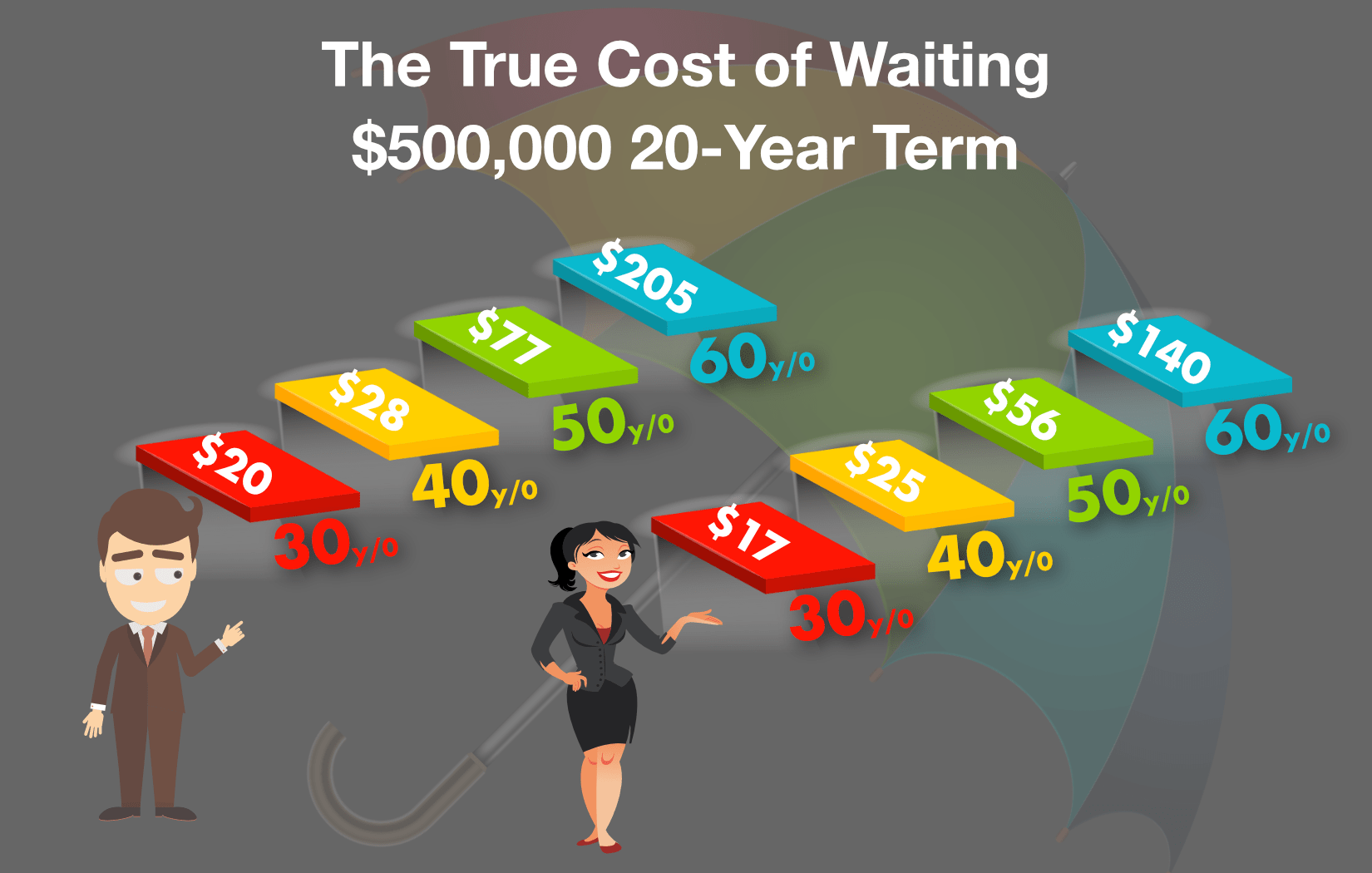
The AARP Term Life product uses "step-rated" premiums. This means your monthly cost is not locked in for the life of the policy. Instead, premiums are based on your current age and increase every time you enter a new five-year age bracket (e.g., ages 50–54, 55–59, 60–64).
Who It Is For
This plan is designed for seniors who still have significant financial obligations that will eventually expire, such as a mortgage, outstanding personal loans, or children/grandchildren finishing their education.
2026 Cost Considerations for Term Life
- Initial Affordability: For a 50-year-old non-smoking male in 2026, a $50,000 term policy might start around $22 per month.
- The "Age Out" Factor: Because the policy typically expires at age 80, it is not a permanent solution for funeral costs if you live past that age.
- The Price Jump: It is vital to review the schedule of premium increases. A policy that is affordable at 60 may become significantly more expensive by age 75.
AARP Permanent (Whole) Life Insurance
Unlike term insurance, AARP’s Permanent Life Insurance is designed to last your entire life, provided premiums are paid.
How the Cost is Structured
The defining characteristic of this plan is the level premium. Once you are accepted, your monthly rate will never increase, regardless of your age or changes in your health. Furthermore, these policies build "cash value" over time, which can be borrowed against if necessary.
Cost vs. Value
Because the insurance company is guaranteed to pay a death benefit eventually (since the policy doesn't expire), the monthly premiums are higher than term insurance. However, the predictability of the cost makes it a favorite for "final expense" planning—ensuring there is enough money for burial, cremation, and remaining medical bills.
2026 Cost Considerations for Whole Life
- Entry Age Impact: The younger you are when you lock in a Whole Life rate, the lower that rate will be for the duration of your life.
- Maximum Coverage Limits: AARP Whole Life typically caps coverage at $50,000. For those seeking $100,000 or more, other providers or multiple policies may be required.
AARP Guaranteed Acceptance Life Insurance
This is a specific type of whole life insurance designed for those who cannot qualify for other coverage due to serious health issues.
No Medical Questions
The primary feature of this plan is that you cannot be turned down for health reasons. There are no medical exams and no health questions. If you are an AARP member within the eligible age range (typically 50–80, or 50–85 for some variations), you are accepted.
The Graded Death Benefit
Because the insurer takes on a high level of risk by not asking health questions, there is a "waiting period" (usually two years). If the insured dies of natural causes within the first two years of the policy, the beneficiaries do not receive the full face value. Instead, they receive the premiums paid plus a small amount of interest (usually 10%). After the two-year mark, the full benefit is payable.
2026 Cost Considerations for Guaranteed Acceptance
- Highest Cost Per Dollar: On a "cost per $1,000 of coverage" basis, this is the most expensive AARP product.
- Fixed Premiums: Like the standard Whole Life plan, these premiums remain level for life once the policy is issued.
2026 AARP Life Insurance Estimated Monthly Premium Comparison
The following table provides estimated monthly premiums for non-smokers in 2026. Note: Actual rates are determined by New York Life based on specific eligibility and state regulations.
| Age at Issue | Plan Type | Coverage Amount | Est. Monthly Premium (Male) | Est. Monthly Premium (Female) |
|---|---|---|---|---|
| 50 | Level Benefit Term | $25,000 | $14.00 | $11.00 |
| 50 | Permanent (Whole) | $15,000 | $48.00 | $36.00 |
| 60 | Level Benefit Term | $25,000 | $26.00 | $20.00 |
| 60 | Permanent (Whole) | $15,000 | $72.00 | $54.00 |
| 70 | Level Benefit Term | $25,000 | $68.00 | $45.00 |
| 70 | Permanent (Whole) | $15,000 | $118.00 | $89.00 |
| 65 | Guaranteed Acceptance | $10,000 | $76.00 | $58.00 |
Factors That Influence Your Premiums
While AARP's program is streamlined, several factors still dictate the final cost you will pay in 2026.
- Tobacco Use: Smokers pay significantly higher premiums across all plan types (except Guaranteed Acceptance in some jurisdictions). Even occasional tobacco use can lead to a "tobacco user" rating, which can double the cost of a term policy.
- Age Brackets: For term insurance, entering a new five-year bracket (e.g., turning 65 or 70) triggers an automatic premium increase. It is essential to calculate the "total cost of ownership" over 15–20 years rather than just the initial monthly rate.
- Gender: In most states, women have a longer life expectancy than men. Consequently, life insurance rates for women are generally lower than for men of the same age.
- Enrollment Health Questions: For the Term and Permanent (Whole) plans, you must answer a few health questions. If your answers indicate high-risk conditions (like recent heart surgery or active cancer treatment), you may be redirected to the Guaranteed Acceptance plan, which has a higher cost.
Comparing AARP to the General Insurance Market
To understand if AARP's costs are "good," one must compare them to traditional underwritten policies.
The Convenience Premium
AARP policies are "simplified issue." You don't have to deal with a paramedical exam (blood draws, urine samples, and EKG). For many seniors, this convenience is worth a slightly higher premium. However, if you are in excellent health for your age, you might find lower rates through a company that performs full underwriting, as they can more accurately price your specific (lower) risk.
The Strength of the Brand
One "hidden" cost of life insurance is the risk of the company going out of business or having a difficult claims process. AARP and New York Life offer a level of administrative reliability that smaller, "discount" insurers may not match. This includes easy-to-use online portals for premium payments and a streamlined claims process for beneficiaries.
Common Mistakes When Comparing Costs
When members evaluate AARP life insurance cost comparisons, they often fall into several traps:
- Ignoring the Term Increase: Many seniors buy the Term Life policy because the initial $15–$25 premium looks great. They fail to realize that by age 75, that premium might quadruple, often at the exact time their income is most restricted.
- Underestimating Final Expenses: In 2026, the average cost of a funeral and related expenses can exceed $12,000. Buying a $5,000 or $10,000 policy might leave a significant "gap" for family members to cover.
- Waiting Too Long to Convert: AARP Term policies often allow you to convert to a Permanent policy. Waiting until you have a health scare to do this can be a mistake, as the rates for Permanent insurance are based on your age at the time of conversion.
How to Apply and Verify Coverage
The application process in 2026 is almost entirely digital, though paper applications are still available.
- AARP Membership: You must be an active AARP member to apply. If you aren't a member, the cost of the annual membership (usually around $16) should be factored into your first-year insurance costs.
- The Quote Tool: Use the official AARP Life Insurance site to run specific numbers for your birthdate and state.
- The 30-Day Free Look: New York Life provides a "Free Look" period. This allows you to receive the policy documents, review the full cost schedule, and cancel for a full refund within the first 30 days if the terms are not what you expected.
Frequently Asked Questions
Does AARP life insurance require a physical exam?
No, most AARP life insurance plans underwritten by New York Life do not require a physical medical exam. Acceptance is based on your answers to a few health questions on the application. The Guaranteed Acceptance plan requires no health questions or exams at all.
Why do my AARP term life insurance premiums keep going up?
The Level Benefit Term Life plan is designed with five-year age brackets. When you move from one bracket to the next (e.g., from age 64 to 65), your premium increases to reflect the higher statistical risk associated with your new age group.
Is the AARP Guaranteed Acceptance plan available to everyone?
It is available to AARP members aged 50 to 80 (in most states, up to 85). While you cannot be turned down for health reasons, there is a two-year waiting period for natural death benefits. If death occurs by accident within the first two years, the full benefit is usually paid.
Can I keep my AARP life insurance if I cancel my AARP membership?
Generally, you must be a member to apply for the insurance. However, once the policy is in force, most states allow you to maintain the coverage even if you do not renew your AARP membership, provided you continue to pay your insurance premiums to New York Life.
What is the maximum amount of coverage I can get?
For the Permanent (Whole) Life and Guaranteed Acceptance plans, the maximum is typically $50,000 and $25,000, respectively. The Term Life plan may offer higher limits, often up to $100,000 or $150,000, depending on current 2026 guidelines and state availability.
Final Recommendation
When explaining AARP life insurance cost comparisons, the most important takeaway is that predictability has a price.
If you are looking for the absolute lowest cost to cover a 10-year period and you are in good health, a traditional term policy from a broker might be cheaper. However, if you want a simplified application process without a medical exam, or if you need a permanent "final expense" policy that will never increase in price, the AARP Permanent Life Insurance plan is a highly competitive and reliable option.
Always request a premium schedule for the term insurance so you can see exactly what you will be paying at age 70 and 75 before you sign the contract. For those with significant health issues, the Guaranteed Acceptance plan is an essential safety net, provided you understand and accept the two-year graded death benefit limitation.