AAA auto insurance in Florida operates through a network of regional motor clubs that provide insurance coverage either through their own internal underwriting companies or via partner carriers. For Florida residents, navigating this system requires understanding the distinct structure of the American Automobile Association, the state’s mandatory personal injury protection (PIP) requirements, and the process for obtaining coverage through the specific regional clubs serving the Sunshine State.
The Structure of AAA Insurance in Florida
It is a common misconception that AAA is a single national insurance company. Instead, AAA is a federation of regional motor clubs. In Florida, the primary entity is AAA—The Auto Club Group (ACG), which serves much of the state. Because of this regional structure, the exact insurance products, underwriting partners, and service procedures can vary based on your specific location within Florida.
When you purchase an "AAA auto insurance policy," you are typically buying coverage underwritten by a specific insurance subsidiary of your regional club. In Florida, these policies are designed to comply with the unique statutory requirements of the state, most notably the mandatory No-Fault law. Understanding this relationship is critical because your primary point of contact for claims, premium adjustments, and customer service remains your regional club office, rather than a centralized national corporate entity.
Florida’s Mandatory Insurance Requirements
Florida law requires all registered vehicle owners to maintain specific insurance coverage. Failing to meet these requirements can lead to the suspension of your driver’s license and vehicle registration. AAA policies in Florida are structured to satisfy these mandatory minimums while offering optional add-ons that provide deeper financial protection.
Personal Injury Protection (PIP)
Florida is a "No-Fault" state. This means that regardless of who caused a motor vehicle accident, your own insurance company pays for your medical expenses and lost wages up to your policy limit. Under Florida statutes, you are required to carry a minimum of $10,000 in PIP coverage. This coverage is essential for the immediate aftermath of an accident, as it allows for medical treatment without the necessity of establishing fault in court.
Property Damage Liability (PDL)
In addition to PIP, Florida law requires a minimum of $10,000 in Property Damage Liability coverage. This pays for the damage you cause to someone else’s property—such as another vehicle, a fence, or a utility pole—in an accident where you are at fault. While $10,000 is the state minimum, many Florida residents opt for higher limits to protect their personal assets against potential lawsuits in the event of a significant accident.
Optional Coverages and AAA Benefits
Beyond the mandatory state requirements, AAA members often choose to augment their policies to handle risks that standard liability and PIP do not cover.
- Bodily Injury Liability: While not strictly mandated for all drivers by the state, this coverage is highly recommended. It pays for the injuries of others if you are responsible for an accident. Given the high cost of medical care and legal defense, many experts advise maintaining significantly higher limits than the bare minimum.
- Collision and Comprehensive: Collision coverage pays for repairs to your vehicle after a crash, regardless of fault. Comprehensive coverage protects against non-collision incidents such as theft, vandalism, fire, or damage caused by weather events like hurricanes or floods, which are particularly relevant in Florida.
- Uninsured/Underinsured Motorist (UM) Coverage: Given the number of drivers in Florida who may carry only the state-mandated minimums, UM coverage is a critical safety net. It covers you if you are hit by a driver who has no insurance or insufficient insurance to pay for your damages.
- Roadside Assistance: While roadside assistance is the hallmark of AAA membership, it is often bundled or integrated into the insurance experience, ensuring that mechanical issues, lockouts, or flat tires do not exacerbate the financial impact of your driving experience.
Comparing Coverage Options
The following table outlines the difference between state-mandated minimums and recommended coverage levels for Florida drivers.
| Coverage Type | Florida State Minimum | Recommended Level | Purpose |
|---|---|---|---|
| PIP | $10,000 | $10,000+ | Medical bills/lost wages regardless of fault |
| PDL | $10,000 | $50,000 - $100,000 | Damage caused to others' property |
| Bodily Injury | Not Mandatory | $100,000 / $300,000 | Medical bills of others if you are at fault |
| UM Coverage | Optional | $100,000 / $300,000 | Protection against underinsured drivers |
| Comprehensive | Optional | Actual Cash Value | Fire, theft, weather, and vandalism |
How to Obtain a Quote and Policy
Securing a policy involves interacting with the regional motor club. Because Florida has high insurance rates due to factors like high traffic density, litigation frequency, and storm risk, obtaining a quote requires accurate information about your vehicle and driving history.
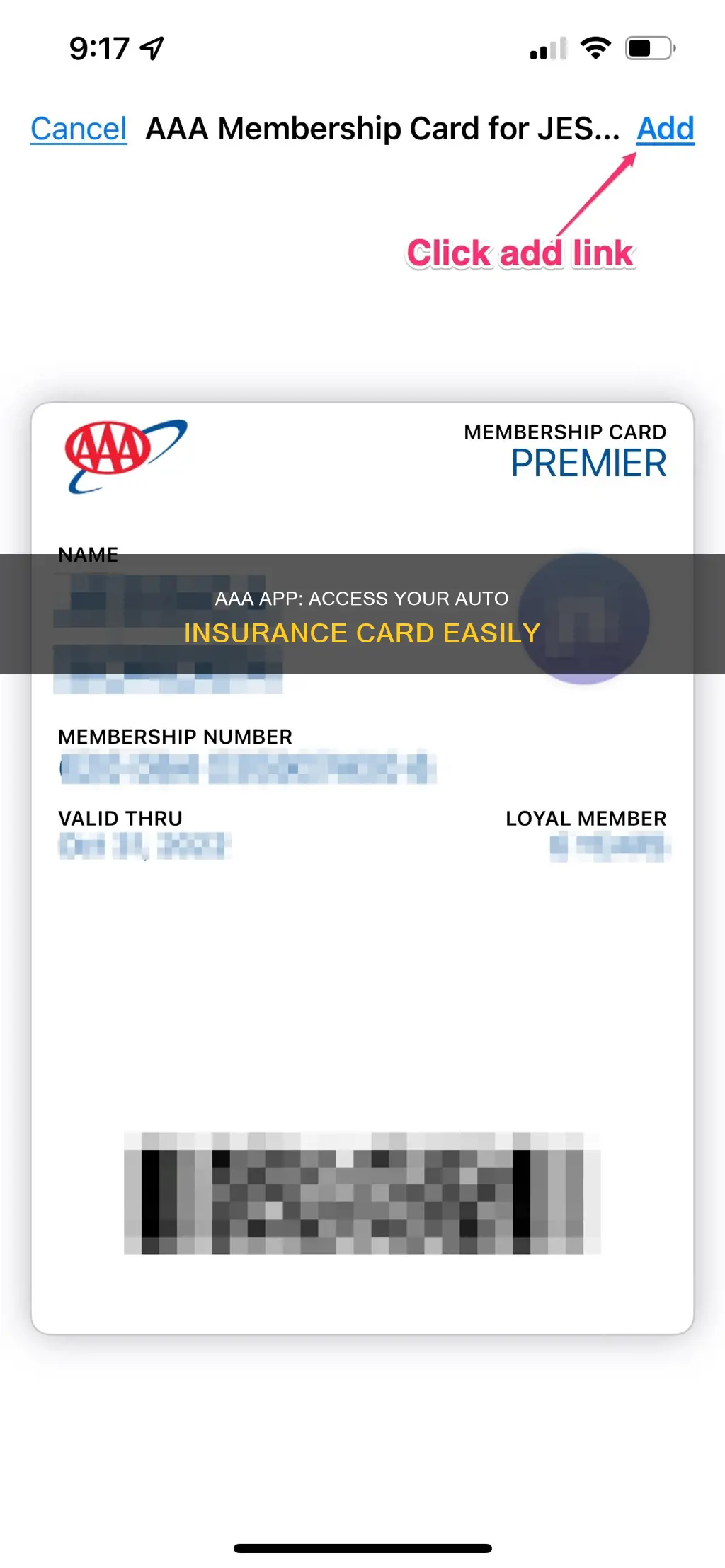
- Verification of Membership: You generally must be a member of the regional AAA club to purchase the auto insurance product. If you are not a member, you will need to join and pay the annual membership dues before initiating an insurance quote.
- Gather Documentation: Have your current driver’s license, vehicle identification number (VIN), current insurance policy declarations page, and information regarding recent accidents or traffic violations ready.
- The Quote Process: You can request a quote online through the regional club portal, over the phone with an agent, or in person at a local AAA branch. An agent will typically review your driving record and vehicle details to calculate your risk profile.
- Policy Underwriting: Once the application is submitted, the insurance carrier evaluates the data to determine eligibility and pricing. If approved, you will receive a declaration page detailing your coverages, deductibles, and premiums.
Factors Influencing Your Premium in Florida
Premiums are determined by a combination of personal history and environmental factors specific to the Florida insurance market.
- Driving Record: A history of speeding tickets, at-fault accidents, or DUI convictions significantly increases the likelihood of a higher premium. Conversely, a clean record often qualifies drivers for lower rates.
- Vehicle Characteristics: The make, model, age, and safety features of your car affect your cost. Expensive parts or high theft-rate models typically result in higher comprehensive and collision premiums.
- Location: Living in high-traffic urban areas, such as Miami or Orlando, often results in higher premiums than living in more rural parts of the state due to the increased frequency of accidents and vehicle theft.
- Credit History: In accordance with Florida regulations, insurers often utilize credit-based insurance scores as one of the many factors to help predict the likelihood of future claims.
- Deductibles: The amount you choose to pay out-of-pocket before insurance kicks in—for collision or comprehensive claims—directly impacts your premium. Opting for a higher deductible generally lowers your annual insurance payment.
Managing Your Policy and Troubleshooting
Once your policy is active, it is essential to manage it effectively to ensure there is no lapse in coverage. In Florida, if your insurance lapses, the Department of Highway Safety and Motor Vehicles (FLHSMV) may be notified, leading to the potential suspension of your license plate and registration.
Making Updates
If you change vehicles or move to a new address, you must contact your agent immediately. A change of address in Florida can significantly alter your risk profile and premium, as insurance rates are highly location-dependent. Failure to update your address can lead to denied claims or policy cancellation.
Claims Processing
If you are involved in an accident, contact your insurance carrier as soon as possible. AAA-affiliated insurance carriers in Florida typically provide 24/7 claims reporting. Be prepared to provide the police report number, photos of the scene, and contact information for the other parties involved. Do not admit fault at the scene of the accident, as that determination should be made through the formal investigation process by the claims adjuster.
Frequently Asked Questions
Is AAA insurance the same as a AAA membership? No. A AAA membership provides roadside assistance, discounts, and travel benefits. AAA auto insurance is a separate financial product that you purchase to satisfy state liability requirements. You usually need the membership to be eligible for the insurance, but they are two distinct products.
Does AAA cover hurricane damage to my car in Florida? Yes, provided you carry comprehensive coverage. Comprehensive insurance is designed to cover non-collision events, including flood, fire, and falling objects, which are common risks associated with Florida hurricanes. If you only carry basic PIP and PDL, you would not be covered for weather-related damage.
Why did my insurance premium increase upon renewal? Insurance premiums in Florida are influenced by industry-wide trends, including rising repair costs, the cost of medical services, and the frequency of local claims. Additionally, changes to your specific driving record or the aging of your vehicle can shift your personal risk profile at each renewal cycle.
Can I bundle my home and auto insurance with AAA in Florida? Yes. Many AAA regional clubs in Florida offer "bundling" discounts. By combining your auto insurance with homeowners or renters insurance through the same carrier, you may qualify for a multi-policy discount that lowers the total cost of your premiums.
What should I do if I am involved in an accident with an uninsured driver? If you have Uninsured Motorist (UM) coverage, your insurance company will handle the costs associated with your injuries or damages, subject to your policy limits and the specifics of the incident. This is why having UM coverage is highly recommended in Florida, given the number of underinsured motorists on the road.
Next Steps for Florida Residents
If you are considering AAA for your auto insurance, start by visiting the website of your regional AAA club to verify your eligibility and request a personalized quote. Ensure that you have your current declarations page on hand to make an accurate "apples-to-apples" comparison between your current provider and an AAA policy. Remember that price should not be the only factor; review the policy's limits, the reputation of the specific underwriting carrier, and the accessibility of local agent support before finalizing your decision. For those requiring legal or specific insurance advice, consulting with a licensed insurance broker in Florida can provide additional clarity regarding how specific policy language aligns with your personal financial goals.