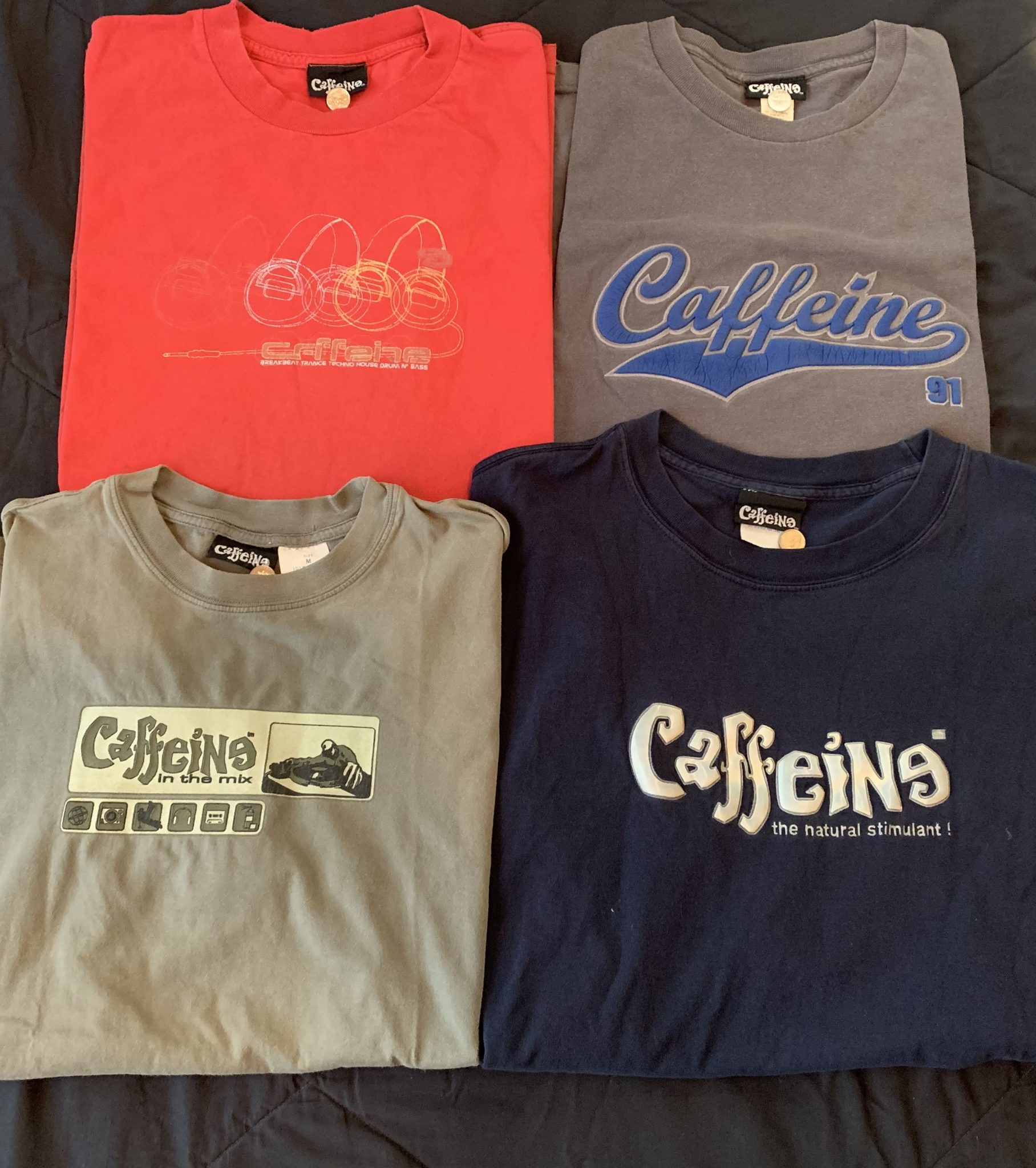
The most influential 90s t-shirt brands include sportswear giants like Nike and Adidas, streetwear pioneers such as Stüssy and FUBU, and skate-culture icons like Hook-Ups and Blind. These brands transformed the humble t-shirt from a basic undergarment into a powerful medium for self-expression, branding, and cultural affiliation.
In the landscape of 2026, the obsession with 1990s aesthetic remains a dominant force in global fashion. Collectors and enthusiasts no longer view these items merely as "used clothes" but as "wearable history." To understand why certain 90s t-shirt brands command thousands of dollars in the vintage market today, one must analyze the unique intersection of hip-hop, grunge, extreme sports, and the "logo-mania" that defined the decade. This guide explores the essential brands, their technical characteristics, and why their influence persists decades later.
The Cultural Shift: Why 90s T-Shirts Defined a Generation
Before the 1990s, t-shirts were often secondary to the "outfit." However, as the decade progressed, the t-shirt became the centerpiece. This shift was fueled by the rise of MTV, the mainstreaming of hip-hop, and the explosion of the "X-Games" era. Brands realized that a 100% cotton canvas was the most efficient way to broadcast a lifestyle.
The 90s aesthetic was characterized by a "boxier" fit—shorter in length but wider in the chest and sleeves compared to the slim silhouettes of the 1970s or the neon-infused 1980s. This "oversized" look was championed by everyone from West Coast rappers to Seattle grunge musicians. Furthermore, the 90s marked the peak of high-quality screen printing, where "all-over prints" (AOP) and heavy plastisol inks created durable, vibrant graphics that have, in many cases, survived 30 years of wear.
The Giants of Sportswear: Nike, Adidas, and Champion
In the 1990s, sportswear brands transitioned from the gym to the street. This era saw the birth of the "lifestyle" category, where athletic apparel was worn for style rather than performance.
Nike and the "Just Do It" Era
Nike dominated the 90s through aggressive marketing and iconic athlete partnerships. The "Bo Knows" campaign (featuring Bo Jackson) and the "Michael Jordan" era produced some of the most sought-after graphic tees in history. 90s Nike tees are easily identifiable by their specific tags, such as the "Grey Tag" (early 90s), the "White Tag" (mid-90s), and the "Red/Orange Tag" (late 90s). These shirts often featured bold, centered swooshes or intricate illustrations of athletes in motion.
Adidas and the Trefoil vs. Equipment Era
While Adidas introduced the "mountain" logo (the Equipment line) in the early 90s, the "Trefoil" logo remained a staple of streetwear. The brand became synonymous with the burgeoning Britpop scene in the UK and the hip-hop scene in the US (notably through Korn and the ongoing influence of Run-D.M.C.). Vintage Adidas tees from this era often utilize heavy-weight cotton and contrast-color "ringer" necklines.
Champion and the Reverse Weave Legacy
Champion was the king of the "blank." While they produced their own graphic tees, their greatest contribution was providing the high-quality blanks used by colleges, sports teams, and other streetwear brands. The small "C" logo on the left sleeve became a universal mark of quality. In 2026, a vintage Champion tee with a specific 90s "Blue Bar" or "C-logo" tag is considered a foundational piece for any vintage wardrobe.
The Birth of Modern Streetwear: Stüssy, FUBU, and Ecko
The 1990s was the crucible in which modern streetwear was forged. It was a time when independent labels began to challenge the dominance of multi-billion dollar corporations by focusing on niche communities.
Stüssy: The Blueprint
Shawn Stüssy’s brand is widely credited with inventing the streetwear model. By the early 90s, Stüssy had moved beyond surfboards into a full apparel line that blended skate culture with high-fashion "flipping" (such as their famous use of the interlocking "S" which mimicked the Chanel logo). Their 90s tees often featured "International Stüssy Tribe" graphics and cryptic, handwritten typography that felt exclusive yet accessible.
FUBU: For Us, By Us
Founded in 1992 by Daymond John and his friends, FUBU represented the ultimate success story of 90s hip-hop fashion. The brand focused on the African American community, which had long been the primary driver of fashion trends without seeing the profits. FUBU t-shirts were known for their massive logos, bold primary colors, and heavy jerseys that mimicked the look of professional sports uniforms.
Ecko Unltd. and the Rhino
Marc Ecko’s brand brought graffiti culture into the mall. The "Rhino" logo became an emblem for suburban youth who identified with urban art. Their 90s tees often featured complex, multi-layered screen prints that incorporated "distressed" textures and street-art motifs, pushing the technical limits of what could be printed on a t-shirt.
Skate and Surf Culture: The "Gonzo" Graphics
The 90s skate scene was irreverent, subversive, and often controversial. This was reflected in the "skate tees" of the era, which frequently used parody and dark humor.
- Hook-Ups: Founded by Jeremy Klein, this brand used Japanese anime-style graphics featuring "schoolgirls" and "monsters," creating a unique crossover between skate culture and otaku interests.
- Blind Skateboards: Known for the "Grim Reaper" character and their "Spitfire" collaborations, Blind produced graphics that were often satirical and anti-authoritarian.
- World Industries: Under Steve Rocco, World Industries became a powerhouse. Their characters "Flameboy" and "Wet Willy" were ubiquitous in the mid-to-late 90s, representing a shift toward more cartoonish, brand-driven skate aesthetics.
- Quiksilver and Billabong: These brands defined the "Coastal" look of the 90s. Their tees often used sun-bleached colors, pocket details, and graphics inspired by ocean photography and tribal art.
Luxury and Designer Cross-over: Tommy Hilfiger and Polo
The 1990s saw a fascinating "bottom-up" fashion movement where street culture adopted and "remixed" traditional luxury brands.
Tommy Hilfiger
Tommy Hilfiger became the unofficial uniform of 90s R&B and Hip-Hop. The brand’s oversized "Big Logo" tees, featuring the red, white, and blue flag, were worn by icons like Aaliyah and Snoop Dogg. These shirts were intentionally designed with a nautical, "preppy" theme but were styled in the streets with baggy jeans and Timberland boots.
Polo Ralph Lauren
The "Lo-Life" culture, which began in the late 80s but exploded in the 90s, turned Ralph Lauren’s "Polo" brand into a streetwear staple. Specifically, the "Polo Bear" tees—which featured a teddy bear dressed in various outfits—became high-value collector's items. The technical quality of 90s Polo tees was exceptionally high, using long-staple cotton that resists pilling even after decades of use.
The Era of the "Graphic Grail": Band and Movie Promos
In the 90s, t-shirts became the primary souvenir for the entertainment industry. This led to the creation of the most expensive vintage tees in today's market.
Band Tees and the "Giant" Tag
The 1990s was the golden age of the concert tee. Companies like Giant, Brockum, and Winterland held the licenses for the biggest acts of the decade. Nirvana "Sliver" tees, Nine Inch Nails "Downward Spiral" shirts, and Metallica's Pushead-illustrated graphics are legendary. These shirts are prized for their "fade"—a natural weathering of the black cotton into a charcoal grey—and the cracking of the thick screen-printed ink.
Movie Promos
T-shirts were frequently given out to cast and crew or sold at cinemas to promote upcoming blockbusters. Iconic 90s movie tees include Jurassic Park, Pulp Fiction, The Lion King, and Space Jam. These often featured the film's logo on the front and a "cast and crew" or "promotional" hit on the back or sleeve.
Technical Identification: How to Spot Authentic 90s Vintage
As of 2026, the market for "90s style" reprints is massive. For a collector or buyer, distinguishing an original 1990s garment from a modern reproduction is essential.
- The Stitching Test: The most famous indicator of age is the "single stitch." Most t-shirts from the early-to-mid 90s were finished with a single line of thread along the sleeve and bottom hem. By the late 90s, industry standards shifted to the "double stitch" (two parallel lines of thread) for increased durability. While some 90s shirts are double-stitched, a single-stitched hem is a strong indicator of a pre-1996 garment.
- Tag Analysis: Labels tell the story. Brands like Fruit of the Loom (the "Loft" or "Best" tags), Screen Stars, and All Sport were the primary manufacturers of blanks. A "Made in USA" or "Made in Mexico" (post-NAFTA 1994) tag is common for the era.
- Fabric Feel: 90s tees are generally made of "heavyweight" cotton (around 6oz to 7oz). They feel substantial and "rougher" than the soft, enzyme-washed tri-blends popular in the 2010s.
- Licensing Dates: Look for a small copyright date printed at the bottom of the graphic. While this doesn't always prove the shirt was printed that year (it could be a later reprint of the same art), it provides a baseline for the design's origin.
Comparison of Iconic 90s T-Shirt Brand Characteristics
| Brand | Primary Niche | Key Design Element | Common 90s Tag |
|---|---|---|---|
| Nike | Sportswear | Center Swoosh / Athlete Graphics | Grey Tag / White Tag |
| Stüssy | Streetwear | S-Link / Hand-drawn Script | Blue/Black Stüssy Label |
| Tommy Hilfiger | Designer/Urban | Flag Logo / Nautical Themes | Tommy Hilfiger Athletics |
| Giant | Band Merch | Grunge & Alt-Rock Art | Giant (by Tultex) |
| Hook-Ups | Skate | Anime Characters | Hook-Ups Red/White |
| Champion | Athletics | Minimalist / Heavy Blanks | Blue Bar / C-Logo |
| FUBU | Hip-Hop | Bold Embroidery / Varsity Style | FB Entertainment |
Frequently Asked Questions
What makes a 90s t-shirt "vintage" rather than just "old"?
A t-shirt is typically classified as "vintage" once it reaches 20 years of age. However, in the fashion industry, "vintage" also implies a certain level of cultural significance or aesthetic value. A 90s t-shirt is considered vintage because it represents the specific manufacturing techniques (single stitch, heavy cotton) and cultural movements (grunge, 90s hip-hop) of that era.
Why are single-stitch t-shirts so much more valuable?
Single-stitching is a hallmark of the 1980s and early 1990s. Because the fashion industry moved to more efficient double-stitching machines in the mid-90s, the single-stitch serves as a "timestamp." Collectors value them because they are rarer and represent the "true" vintage era before the mass-market explosion of the late 90s.
How should I wash a vintage 90s t-shirt to preserve the graphic?
To prevent further cracking of the screen print and to preserve the fabric, you should always wash vintage tees inside out in cold water. Use a gentle cycle and, most importantly, air dry the garment. High heat from a dryer is the primary cause of graphic degradation and fabric shrinkage.
Are "reprints" of 90s brands worth buying?
It depends on your goal. If you want the 90s "look" without the high price tag (often $100–$500+ for rare grails), modern reprints are a practical choice. However, reprints do not hold financial value and often lack the specific "boxy" fit and faded patina that only comes with 30 years of age.
Which 90s brand is currently the most valuable in 2026?
Currently, early Stüssy "International Stüssy Tribe" tees and original Nirvana promo shirts (especially the "Heart Shaped Box" or "In Utero" designs) command the highest prices. In the streetwear sector, 90s Nike ACG (All Conditions Gear) and Polo Sport are also seeing a significant surge in valuation.
Final Recommendation for Collectors
If you are looking to start or expand a collection of 90s t-shirt brands in 2026, focus on authenticity and condition. While "distressed" tees (those with holes and heavy fading) have a specific market, the highest resale value remains in shirts with intact tags and minimal "dry rot." Dry rot is a condition where the cotton fibers break down due to age and improper storage, making the shirt tear like paper; always perform a light "tug test" on the hem before purchasing high-end vintage. For those purely interested in the style, look for mid-90s Adidas or Champion pieces, which remain relatively affordable while offering the quintessential 90s silhouette and durability.