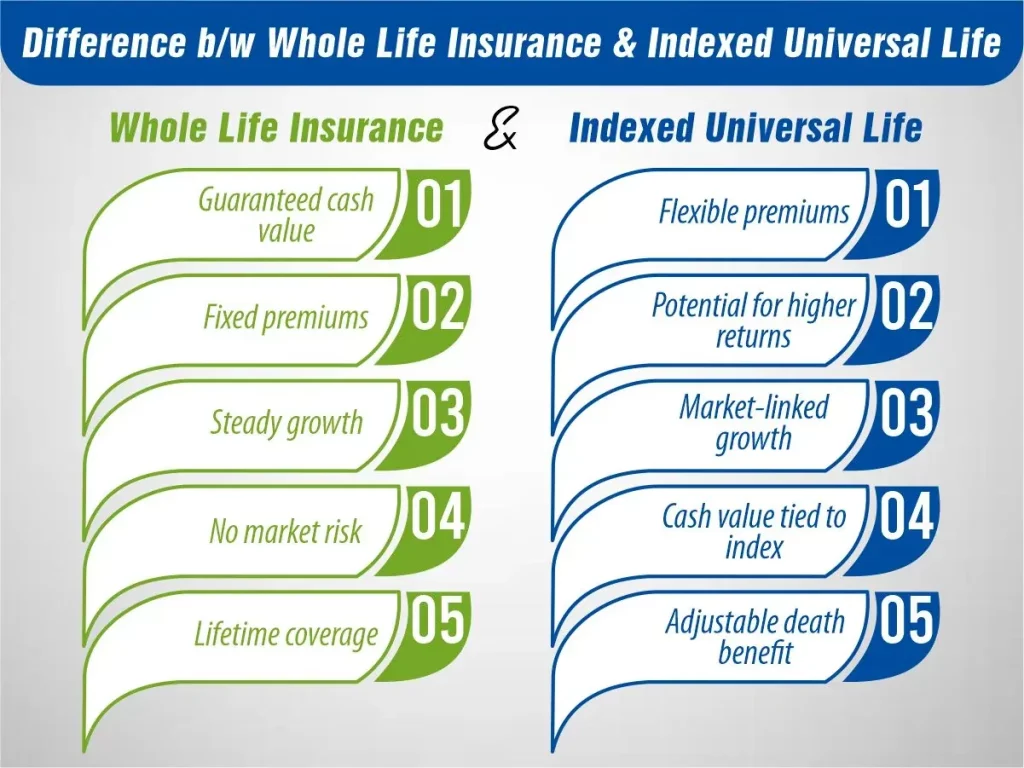
A 90 fixed income life insurance portfolio is a conservative wealth management strategy where 90% of the underlying assets are allocated to high-quality bonds and debt instruments, while the remaining 10% is typically held in equities or cash equivalents. This structure prioritizes capital preservation, steady dividend growth, and tax-advantaged death benefit protection.
In the financial landscape of 2026, investors are increasingly seeking "safe harbors" that offer more than just a place to park cash. The 90 fixed income life insurance portfolio has emerged as a premier vehicle for high-net-worth individuals and conservative savers who require the stability of debt markets paired with the unique tax benefits of a life insurance wrapper. Unlike a traditional brokerage account, where fixed-income gains are often subject to annual taxation, this portfolio structure allows interest and dividends to compound tax-deferred within the policy’s cash value.
The Architecture of a 90% Fixed Income Allocation
The "90" in this strategy refers to the percentage of the portfolio's net asset value (NAV) dedicated to fixed-income securities. In a life insurance context, this can manifest in two ways: through the insurer's general account in a Whole Life policy, or through specific sub-account selections in a Variable Universal Life (VUL) or Private Placement Life Insurance (PPLI) policy.
Core Fixed Income Components
The bulk of the portfolio—the 90%—is typically comprised of investment-grade corporate bonds, U.S. Treasury securities, and municipal bonds. By 2026, the yields on these instruments have stabilized, providing a reliable "internal rate of return" (IRR) for the policy.
- Investment-Grade Corporate Bonds: These provide a yield premium over Treasuries while maintaining a low default risk. In an insurance portfolio, these are often held to maturity, shielding the policyholder from the daily volatility of the secondary bond market.
- Government Securities: U.S. Treasuries and agency bonds act as the "risk-free" anchor. During periods of economic contraction, these assets often appreciate in value, providing a hedge against the 10% equity portion of the portfolio.
- Mortgage-Backed Securities (MBS): Insurance carriers often favor high-quality MBS to enhance yield, utilizing the steady stream of interest payments to fund policy dividends or credit interest to universal life accounts.
The Role of the Life Insurance Wrapper
The life insurance component is not merely a cost; it is a structural advantage. When these fixed-income assets are held inside a life insurance policy, they are governed by Section 7702 of the Internal Revenue Code. This allows the interest earned on the 90% bond allocation to grow without an immediate tax bill. For investors in high tax brackets, the "tax-equivalent yield" of a 90% fixed-income insurance portfolio often exceeds that of a taxable bond fund.
Strategic Advantages of the 90/10 Split
The decision to limit equity or alternative exposure to 10% is a deliberate move toward "sequence of returns" protection. This is particularly vital for those approaching retirement in 2026. If a market downturn occurs, the 90% fixed-income floor ensures that the policy’s cash value—and consequently, the death benefit—remains largely intact.
Volatility Dampening
Fixed-income instruments generally have lower volatility than equities. By weighting the portfolio so heavily toward debt, the overall standard deviation of the portfolio's returns is significantly reduced. This creates a "smoothing" effect. In a Whole Life environment, the insurance company uses its massive reserves to further smooth these returns, paying out a consistent dividend even when the broader markets are turbulent.
Enhanced Liquidity and Policy Loans
One of the primary reasons for choosing a 90% fixed-income allocation within life insurance is to facilitate policy loans. Most carriers allow policyholders to borrow against their cash value. Because a 90% fixed-income portfolio is stable, the carrier is more confident in the collateral. This stability often allows for "non-direct recognition" loans, where the portion of the cash value being used as collateral continues to earn interest and dividends as if it hadn't been touched.
Implementing the Strategy in Variable and Universal Products
While Whole Life is the traditional home for fixed-income enthusiasts, 2026 has seen a surge in "Custom Fixed-Income Sub-accounts" within Variable Universal Life (VUL) policies. This allows for more granular control over the 90% allocation.
Variable Universal Life (VUL) Customization
In a VUL, the policyholder can choose specifically which bond funds or individual debt instruments populate the 90% sleeve. This allows for:
- Duration Management: Adjusting the sensitivity of the portfolio to interest rate changes.
- Credit Quality Selection: Choosing between AAA-rated government bonds and slightly higher-yielding "A" or "BBB" corporate credit.
- Sector Specificity: Overweighting certain sectors, such as green bonds or infrastructure debt, which may offer favorable risk-adjusted returns in the 2026 economy.
Indexed Universal Life (IUL) Fixed Account Options
For those who want the 90% fixed-income stability but want the remaining 10% to have "upside" potential linked to an index (like the S&P 500), IUL provides a unique middle ground. The majority of the premium is placed in the insurer’s fixed account (the 90%), which earns a stated interest rate. The remaining portion is used to purchase options on an equity index, providing a "0% floor" and a capped ceiling.
Comparative Analysis: 90% Fixed Income vs. Traditional Portfolios
To understand the value proposition, it is necessary to compare how a 90% fixed-income strategy performs within an insurance wrapper versus a standard taxable brokerage account.
| Feature | 90% Fixed Income Insurance Portfolio | 90% Fixed Income Brokerage Account |
|---|---|---|
| Tax Treatment of Interest | Tax-Deferred (IRC 7702) | Taxable Annually |
| Death Benefit | Included (Tax-Free to Heirs) | None (Subject to Estate Tax) |
| Asset Protection | Protected from Creditors in many states | Generally Vulnerable |
| Liquidity Access | Policy Loans (Tax-Free) | Sale of Assets (Capital Gains Tax) |
| Cost Structure | Mortality & Expense Charges | Management Fees & Trading Costs |
| Yield Predictability | High (Smooth dividends/fixed rates) | Moderate (Market-dependent) |
Risk Factors and Management in 2026
No investment strategy is without risk. For a 90% fixed-income portfolio, the primary threats are inflation and interest rate fluctuations.
Interest Rate Risk
Bonds have an inverse relationship with interest rates. If rates rise, the market value of existing bonds falls. However, within a life insurance general account, this risk is mitigated because the insurer typically holds bonds to maturity. Furthermore, as older bonds mature, the insurer can reinvest the proceeds into newer, higher-yielding bonds, eventually leading to higher dividend rates for policyholders.
Inflationary Pressures
The biggest drawback of a 90% fixed-income allocation is the risk that inflation will outpace the portfolio’s growth. In 2026, with the global economy emphasizing fiscal spending, "real" returns (nominal return minus inflation) can be slim. To combat this, some 90/10 portfolios incorporate Treasury Inflation-Protected Securities (TIPS) within the 90% fixed-income sleeve to ensure that purchasing power is preserved.
Credit Risk
The 90% allocation is only as strong as the entities issuing the debt. If the portfolio is heavily weighted toward corporate bonds and those corporations face financial distress, the portfolio's value could decline. Insurance companies manage this by diversifying across thousands of different issuers and maintaining high credit standards, often exceeding the requirements set by the National Association of Insurance Commissioners (NAIC).
The 10% "Satellite" Component
While 90% of the portfolio provides the foundation, the remaining 10%—often called the "satellite" or "alpha" component—serves a specific purpose. It is designed to provide a small boost to the overall return without jeopardizing the core principal.
- Growth Equities: A small slice of technology or emerging market stocks can provide the growth that bonds cannot.
- Cash Equivalents: Keeping 10% in money market funds allows for immediate liquidity and the ability to "rebalance" the portfolio if bond prices drop significantly.
- Alternative Assets: In some Private Placement Life Insurance (PPLI) structures, this 10% might be allocated to private equity or real estate, though this is less common in standard retail products.
Tax Considerations and Legal Framework
As of 2026, the tax advantages of life insurance portfolios remain a cornerstone of estate planning. Under the current legal framework, as long as the policy does not become a Modified Endowment Contract (MEC), the policyholder can access the cash value via withdrawals up to the "basis" (the total premiums paid) and via loans thereafter, all without triggering income tax.
Furthermore, the death benefit remains one of the few financial instruments that generally passes to beneficiaries income-tax-free. For a 90% fixed-income portfolio, this means the wealth accumulated through steady, conservative growth is preserved for the next generation without being eroded by the IRS.
Financial Disclaimer: This information is for educational purposes only and does not constitute legal, tax, or investment advice. Life insurance policies involve fees and expenses, including mortality and expense charges. Fixed-income investments are subject to interest rate and credit risks. Consult with a qualified financial advisor before implementing this strategy.
Frequently Asked Questions
Can I change my allocation from 90% fixed income to something more aggressive later?
Yes, most Variable Universal Life (VUL) and some Universal Life policies allow for "fund switching" or "allocation rebalancing." However, if you are in a Whole Life policy, your allocation is essentially fixed by the insurer’s general account management, though you may be able to add "riders" or "Paid-Up Additions" that behave differently.
Is a 90% fixed income portfolio better than a 100% bond fund?
The 90% fixed income life insurance portfolio offers two things a 100% bond fund does not: a tax-free death benefit and tax-deferred growth. While a 100% bond fund might have lower internal fees, the tax drag on the interest income often makes it less efficient for long-term wealth accumulation compared to the insurance-wrapped version.
What happens if the insurance company goes bankrupt?
Insurance companies are highly regulated and required to maintain significant reserves. In the unlikely event of insolvency, state guaranty associations provide a level of protection for policyholders. Furthermore, in "separate account" products like VUL, the assets are held apart from the insurance company's general creditors.
Does the 90% fixed income strategy protect against a stock market crash?
Largely, yes. Since only 10% or less of the portfolio is exposed to equities, a 50% drop in the stock market would only result in a 5% decline in the total portfolio value, before accounting for the steady interest earned on the 90% fixed-income side.
What are the main costs associated with this portfolio?
The primary costs are "Cost of Insurance" (COI) charges, which cover the death benefit risk, and "Mortality and Expense" (M&E) fees. There may also be administrative fees and investment management fees for the sub-accounts. It is critical to ensure that the yield on the 90% fixed-income portion is high enough to offset these costs while still providing a positive net return.
Final Recommendation
The 90 fixed income life insurance portfolio is an ideal solution for investors who prioritize stability and tax efficiency over aggressive growth. In 2026, this strategy serves as a robust "volatility buffer" for a broader estate plan. If you have already maximized your 401(k) or IRA contributions and are looking for a conservative way to grow wealth while securing your family's future, this structure warrants serious consideration. Begin by requesting a "full illustration" from a carrier with an A+ or better credit rating, focusing specifically on the "Internal Rate of Return on Cash Value" to ensure the fixed-income yields meet your long-term objectives.