An 85-inch Samsung TV typically weighs between 90 and 125 pounds (40.8 to 56.7 kg) without its stand, depending on the specific model and display technology. When the stand is attached, the total weight increases to approximately 100 to 145 pounds (45.3 to 65.8 kg), requiring heavy-duty mounting solutions.
Understanding the weight of an 85-inch Samsung television is not merely a matter of curiosity; it is a critical safety requirement for home installation. As screen sizes have expanded, Samsung has transitioned from traditional LCD panels to sophisticated Neo QLED and OLED technologies. Each of these iterations carries different physical properties. Whether you are planning a professional wall installation in your living room or selecting a piece of furniture to support a massive 8K display, knowing the exact weight distribution of these units is the first step toward a secure setup.
Why Weight Distribution Matters for Large Format Displays
The weight of an 85-inch Samsung TV is significantly higher than that of the more common 55-inch or 65-inch models. While a 65-inch TV might feel manageable for one person, an 85-inch panel is a "two-person lift" minimum, often requiring three people for safe wall mounting. This is due to the leverage and physical dimensions of the screen rather than just the raw poundage.
When a TV reaches this size, the center of gravity becomes a major factor. Samsung designs its flagship models to be as thin as possible, but the internal components—including the LED backlighting arrays, heat sinks, and the power supply—add substantial mass. If you are mounting the TV, the weight exerts a "pulling" force on your wall anchors. Without proper calculation, even a high-quality mount can fail if the wall substructure (such as the wooden studs or masonry) is not evaluated correctly.
Average Weight Ranges for Samsung 85-Inch Series in 2026
Samsung categorizes its massive displays into several distinct tiers. In 2026, these tiers are defined by their backlighting technology and resolution, both of which directly impact the final weight of the unit.
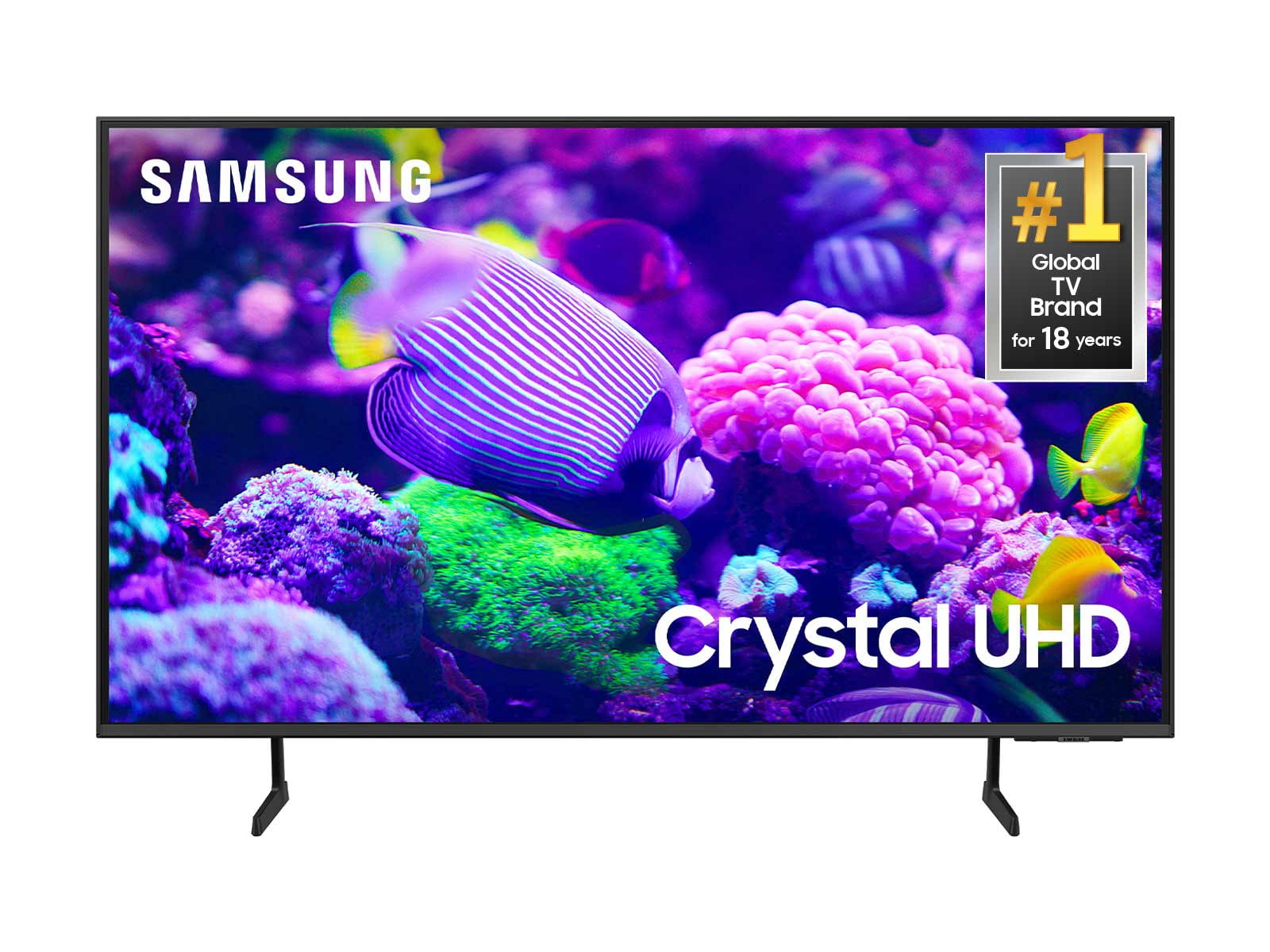
Crystal UHD Series (The Entry-Level Giant)
The Crystal UHD series (often found in the DU or EU model lines) is generally the lightest in the 85-inch category. These models use a more traditional edge-lit or basic direct-lit LED system, which requires fewer internal components.
- Average Weight (No Stand): 90–95 lbs (40.8–43.1 kg)
- Average Weight (With Stand): 93–102 lbs (42.2–46.3 kg)
QLED and The Frame
The standard QLED models and "The Frame" series occupy the middle ground. The Frame, in particular, is designed to be flush-mounted like a piece of art. While it is thin, the structural integrity required to keep the panel rigid at 85 inches adds some weight compared to the base UHD models.
- Average Weight (No Stand): 98–108 lbs (44.5–49.0 kg)
- Average Weight (With Stand): 105–115 lbs (47.6–52.2 kg)
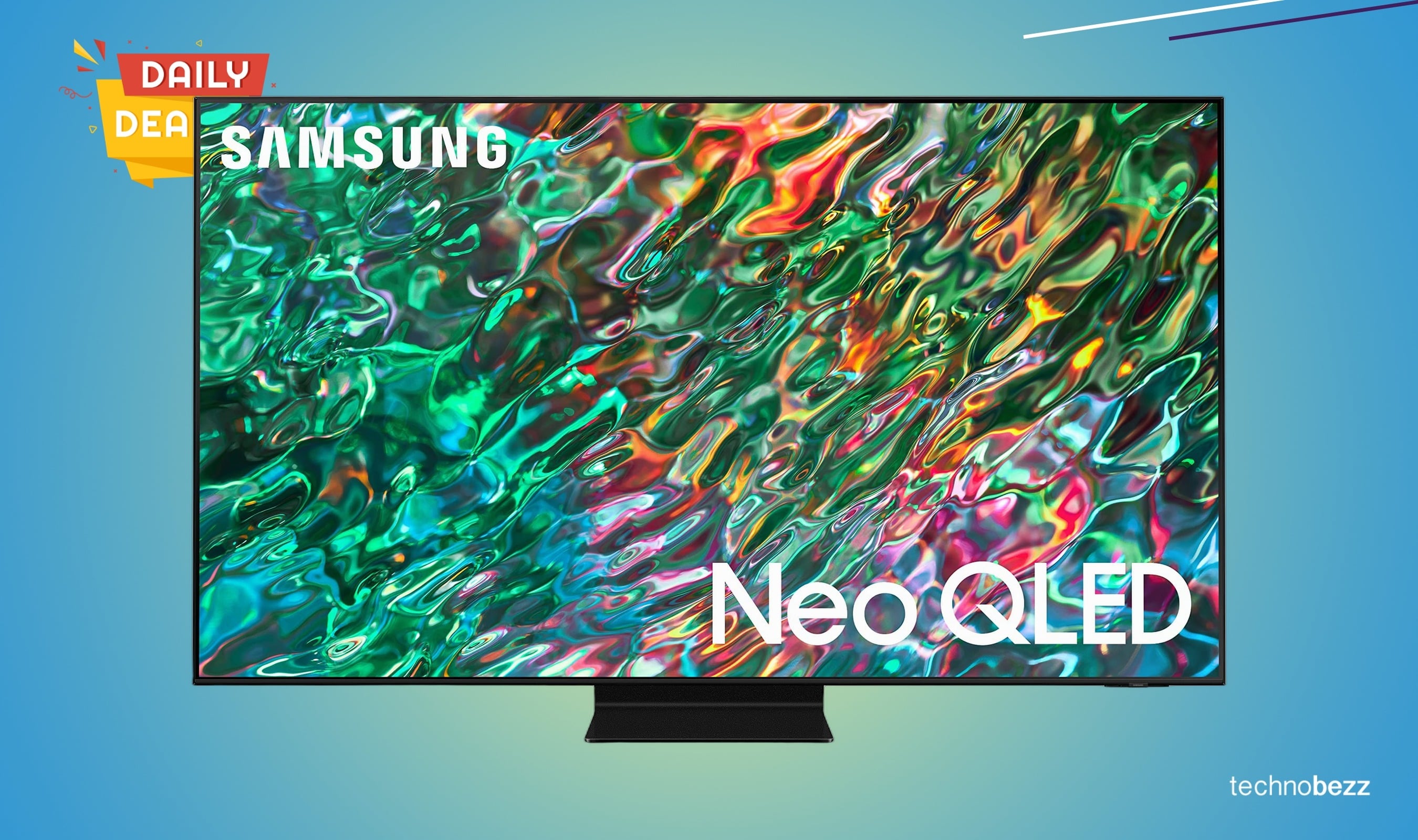
Neo QLED 4K and 8K (The Heavyweights)
Samsung’s Neo QLED line uses Mini-LED technology. These panels contain thousands of tiny LEDs and a sophisticated "Quantum Matrix" layer to control dimming zones. Because of the density of these electronics and the necessary cooling hardware for high-brightness 8K panels, these are the heaviest 85-inch TVs Samsung produces.
- Average Weight (No Stand): 110–125 lbs (49.9–56.7 kg)
- Average Weight (With Stand): 130–145 lbs (59.0–65.8 kg)
Comparing 85-Inch Samsung TV Weights by Model Type
The following table provides a breakdown of typical weight specifications for current Samsung 85-inch models. These figures are based on standard 2026 hardware configurations.
| Model Category | Weight Without Stand (lbs) | Weight With Stand (lbs) | VESA Mounting Pattern (mm) |
|---|---|---|---|
| Crystal UHD (Basic) | 91.1 lbs | 94.4 lbs | 600 x 400 |
| The Frame (LS03 Series) | 98.5 lbs | 101.9 lbs | 600 x 400 |
| QLED (Q70/Q80 Series) | 104.2 lbs | 112.5 lbs | 600 x 400 |
| Neo QLED 4K (QN90 Series) | 110.1 lbs | 128.8 lbs | 600 x 400 |
| Neo QLED 8K (QN900 Series) | 123.4 lbs | 142.6 lbs | 600 x 400 |
The Impact of Stand Design on Total Weight
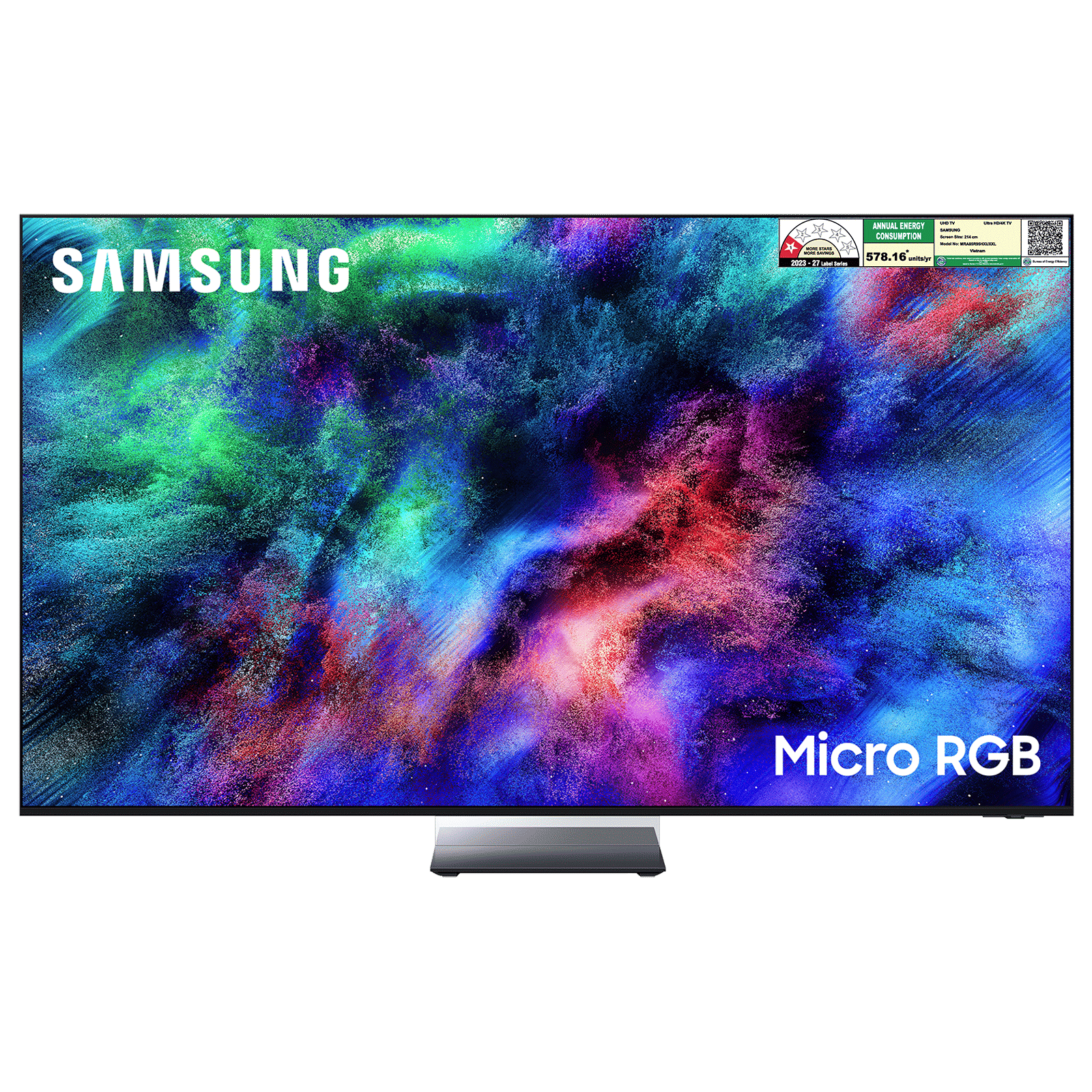
One of the most overlooked aspects of Samsung TV weight is the stand itself. Samsung uses several different stand designs, ranging from "Simple Plus-Style" feet to the "Connected Stand" or the "Infinity One" design found on premium 8K models.
The "Simple Plus" feet are usually made of lightweight reinforced plastic or thin metal, adding only 2–4 pounds to the total weight. However, the premium center-mounted stands used for the Neo QLED series are crafted from heavy-gauge steel or solid aluminum to provide a stable footprint for such a large screen. These stands can weigh between 15 and 20 pounds on their own.
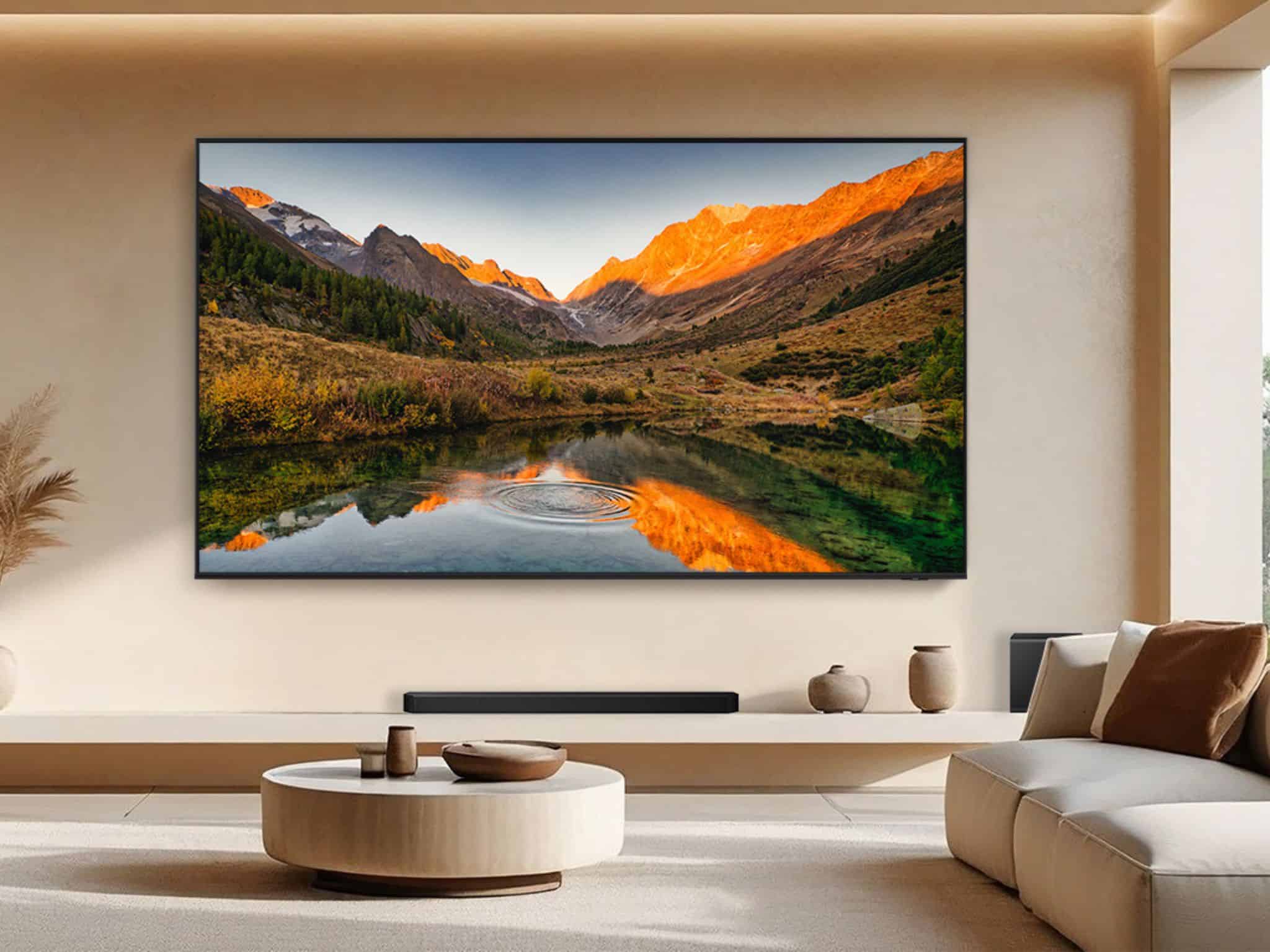
If you are placing the TV on a media console, you must ensure the furniture is rated for the total weight with the stand. If you are wall-mounting, you only need to worry about the weight without the stand, but you must add the weight of the wall mount bracket itself (usually an additional 5–15 pounds).
Technical Requirements for Wall Mounting
Mounting an 85-inch Samsung TV requires more than just a standard bracket. You must adhere to the VESA (Video Electronics Standards Association) guidelines and structural safety protocols.
VESA Standard for 85-Inch Panels
Most 85-inch Samsung televisions utilize a 600 x 400 mm VESA pattern. This refers to the distance between the four screw holes on the back of the TV. When shopping for a mount, ensure it specifically supports this pattern and is rated for a weight capacity of at least 150 lbs to provide a safety buffer.
Stud Finder and Structural Integrity
At 120 pounds, an 85-inch TV cannot be mounted into drywall alone using toggle bolts or anchors. It must be anchored into wooden studs or solid masonry (brick/concrete).
- Wooden Studs: Ensure the mount spans across at least two studs (usually spaced 16 inches apart). Use heavy-duty lag bolts that penetrate at least 2.5 inches into the center of the stud.
- Masonry: Use concrete anchors provided by the mount manufacturer. Ensure the mortar is not crumbling, as the weight of an 85-inch unit can cause stress fractures in older brickwork.
Moving and Handling Logistics
The sheer physical size of an 85-inch Samsung TV (approximately 75 inches wide and 43 inches tall) makes the weight difficult to manage. The box itself adds another 20–30 pounds of weight and significant bulk.
Professional Delivery vs. DIY
If you are purchasing an 85-inch model, professional delivery is highly recommended. Many retailers offer "White Glove" service, which includes unboxing and stand assembly. This is beneficial because the panels at this size are surprisingly flexible; if you lift the TV incorrectly by the corners, the pressure can crack the internal LCD layers without breaking the outer glass.
The Two-Person Rule
Never attempt to lift an 85-inch Samsung TV alone. Even the lightest 90-pound model is too wide for a single person to balance safely. Two people should lift from the bottom corners, while a third person can help guide the TV onto the mount or stand to ensure the VESA hooks align perfectly.
Common Mistakes When Calculating Weight
When planning a home theater around an 85-inch Samsung TV, avoid these frequent errors:
- Confusing Shipping Weight with Product Weight: The "Shipping Weight" listed on websites includes the heavy-duty cardboard, internal foam, and accessories. This is often 30-40 lbs higher than the TV itself. Use the "Weight without Stand" for mounting calculations.
- Underestimating the Mount Weight: A heavy-duty articulating (full-motion) mount for an 85-inch TV can weigh 20 pounds or more. You must add the weight of the TV and the weight of the mount together to determine the total load on your wall.
- Ignoring the "Tip" Factor: If using the included stand, the TV is surprisingly front-heavy. If the furniture is not level, the 100+ pound unit could tip forward. Samsung includes "anti-tip" straps in many boxes for this reason; they should always be used in homes with children or pets.
Frequently Asked Questions
Can I mount an 85-inch Samsung TV on a metal stud wall?
Mounting an 85-inch TV on metal studs is risky and generally discouraged without specialized hardware. Standard metal studs are thin and may buckle under the 100+ pound shear force. If you must mount on metal studs, you should use a "SnapToggle" style anchor rated for high weights or, preferably, reinforce the wall with a plywood backing plate.
How much weight can a standard Samsung 85-inch TV stand hold?
The stands included with Samsung TVs are engineered specifically for the weight of that specific model. However, they are not designed to hold additional equipment like soundbars or decorations. Placing extra weight on the base of the TV stand can compromise the balance and stress the mounting points on the bottom of the TV chassis.
Is there a significant weight difference between 75-inch and 85-inch Samsung TVs?
Yes. Moving from a 75-inch to an 85-inch TV often results in a weight increase of 25% to 40%. While a 75-inch QLED might weigh around 75–85 lbs, the 85-inch version frequently jumps to over 100 lbs. This jump often crosses the threshold for what standard "large" wall mounts can safely handle, requiring an upgrade to "extra-large" mounting hardware.
Does the 8K version of the 85-inch Samsung TV weigh more than the 4K version?
Generally, yes. 8K Samsung TVs require more processing power and more complex backlighting to manage the 33 million pixels. This necessitates larger heat sinks and more robust internal bracing to protect the high-density panel, typically making the 8K models 10–15% heavier than their 4K counterparts.
Final Recommendation for Installation
Before purchasing or installing your 85-inch Samsung TV, verify the exact model number on the Samsung Official Support page to find the precise "Weight without Stand" specification. For any unit over 100 pounds, prioritize a fixed or tilt mount over a full-motion articulating mount, as fixed mounts keep the center of gravity closer to the wall, significantly reducing the stress on your home's structural studs.