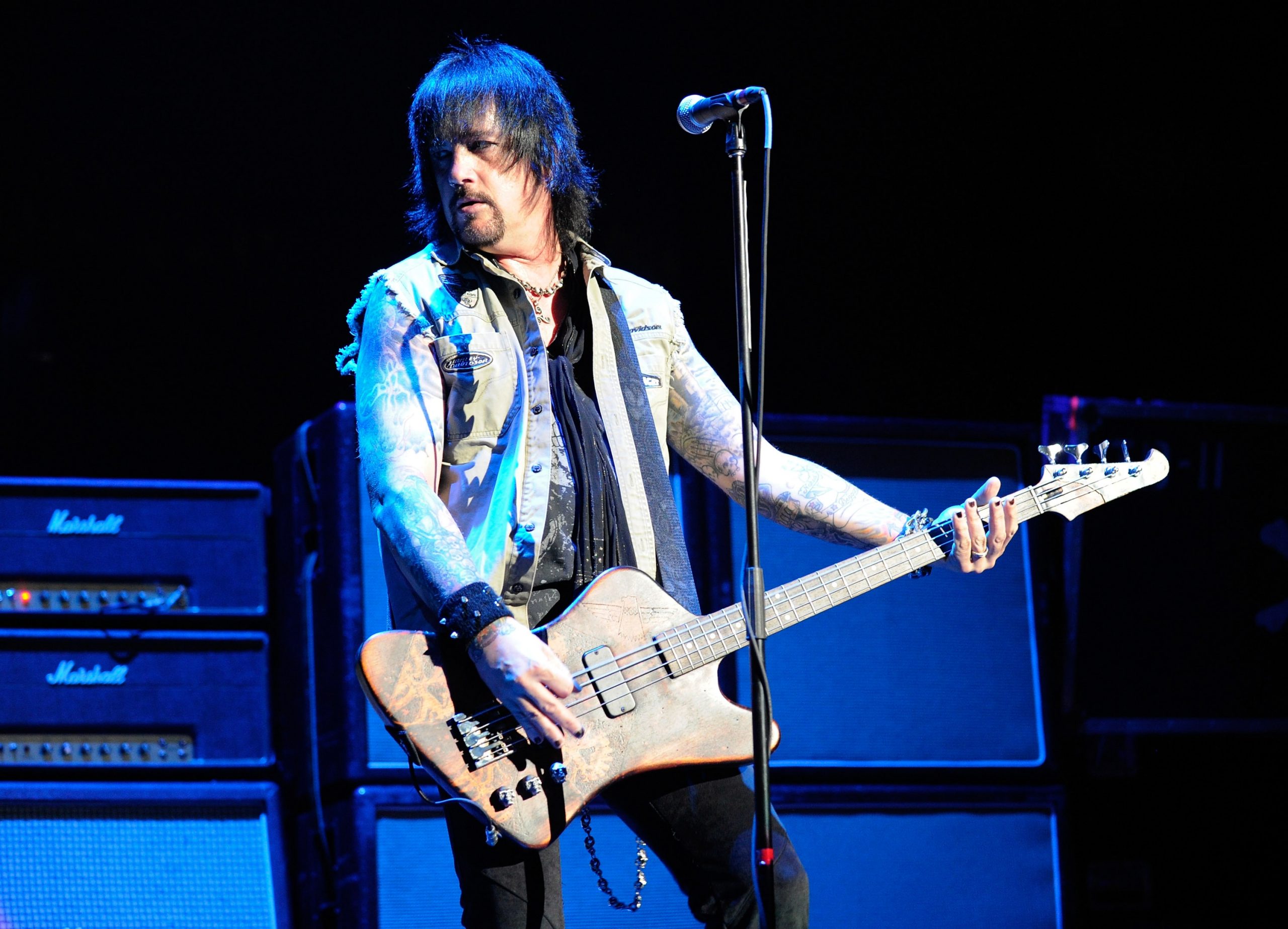
Eric Brittingham was the foundational bassist and co-founder of the glam metal band Cinderella, serving as a cornerstone of their rhythm section during their 1980s ascent. Known for his melodic bass lines and steady stage presence, Brittingham played a vital role in the band's multi-platinum success, specifically on the seminal albums Night Songs (1986) and Long Cold Winter (1988).
The 1980s marked a transformative era for hard rock, shifting from the raw energy of the early decade to the polished, blues-infused "hair metal" that dominated the airwaves by 1988. At the center of this movement was Eric Brittingham, the bassist for the Philadelphia-based powerhouse Cinderella. While frontman Tom Keifer often garnered the lion's share of media attention for his raspy vocals and songwriting prowess, Brittingham was the architectural support of the band’s sound. As of 2026, music historians and bass enthusiasts continue to study Brittingham’s work as a prime example of how to balance the theatrical demands of the 80s arena-rock circuit with genuine musical substance.
The Formation of Cinderella and the Philadelphia Scene
Before the stadium tours and MTV rotation, Eric Brittingham was a fixture in the Pennsylvania tri-state music scene. In 1983, he teamed up with guitarist and vocalist Tom Keifer to form Cinderella. Unlike many of their contemporaries who flocked to the Sunset Strip in Los Angeles, Cinderella cut their teeth in the bars and clubs of Philadelphia and New Jersey.
This geographical distinction is crucial to understanding Brittingham’s development in the 80s. The East Coast scene demanded a higher level of grit and endurance. Brittingham and Keifer spent several years refining their lineup and sound, eventually recruiting guitarist Jeff LaBar and drummer Fred Coury. During this formative period, Brittingham wasn't just a sideman; he was a partner in the band's vision. His ability to lock in with Keifer’s guitar riffs provided the heavy, blues-based foundation that separated Cinderella from the more "pop" oriented glam bands of the era.
The band's big break came in 1985 when Jon Bon Jovi saw them perform at the Empire Rock Club in Philadelphia. Impressed by their talent and visual appeal, he recommended them to his label, Mercury/Polygram. This led to the production of their debut album, setting the stage for Brittingham to become one of the most recognizable bassists of the decade.
Night Songs: Defining the 80s Metal Bass Sound
In 1986, Cinderella released Night Songs, an album that would eventually go triple platinum. For Eric Brittingham, this was the record that defined his technical approach to the 80s hard rock sound. The production, handled by Andy Johns, emphasized a massive drum sound and a sharp, biting bass tone.
On tracks like "Shake Me" and "Nobody's Fool," Brittingham’s bass lines provide the necessary "thump" that allowed the guitars to soar. His style in this period was characterized by:
- Driving Eighth Notes: Maintaining the relentless energy required for anthems.
- Melodic Fills: Occasional bluesy runs that hinted at the band's future direction.
- Symbiotic Rhythm: A tight synchronization with the kick drum, which was essential for the "big room" sound of 1980s production.
The success of Night Songs catapulted the band into a grueling tour schedule, opening for acts like Bon Jovi on the Slippery When Wet tour and Loudness. Brittingham's performance during these tours solidified his reputation as a reliable, high-energy performer who could maintain technical precision while engaging in the synchronized stage choreography typical of the era.
Long Cold Winter and the Blues-Rock Transition
If Night Songs was a heavy metal debut, 1988’s Long Cold Winter was a masterclass in blues-rock evolution. This album is often cited by critics as one of the best releases of the 1980s, and it represented a significant shift for Brittingham as a musician.
The tracks on Long Cold Winter, such as "Gypsy Road" and "The Last Mile," required a more nuanced approach than the straight-ahead metal of the previous album. Brittingham had to incorporate more swing and "pocket" into his playing. He moved away from the rigid structures of glam metal and toward a style that echoed the great bassists of the 1970s, such as John Paul Jones or Glenn Hughes, while still keeping one foot firmly in the 80s aesthetic.
This era also showcased Brittingham's importance as a background vocalist. His harmonies were a staple of the Cinderella sound, providing the high-end support for Keifer’s gritty lead vocals. The "Cinderella sound" was as much about the vocal blend as it was the guitar riffs, and Brittingham’s contributions in the studio and on stage were indispensable.
Technical Specifications: The Gear of the 80s
Eric Brittingham’s sound in the 80s was synonymous with high-end, professional equipment that could withstand the rigors of global touring. He was one of the most prominent endorsers of Spector Basses during this decade.
The Spector Connection
Brittingham primarily played the Spector NS-2. These basses were famous for their curved, ergonomic bodies and their "growling" tone, thanks to the active electronics and the combination of P and J style pickups (often by EMG). The Spector sound was punchy and could cut through the dense mix of two distorted guitars and a loud drummer, which was the standard configuration for Cinderella.
In many iconic music videos and concert photos from the 80s, Brittingham can be seen with his signature white Spector bass. This instrument wasn't just a prop; the active pickups allowed him to achieve a clarity that was often missing in the bass tracks of other 80s metal bands.
Amplification and Rig
To fill arenas, Brittingham relied on massive Ampeg rigs. The Ampeg SVT (Super Valve Technology) head and 8x10 cabinets were the industry standard, and Brittingham used them to achieve a warm, overdriven tube sound that complemented the band’s blues-rock tendencies. By the end of the 80s, his rig was a wall of sound that provided the literal vibration felt by fans in the front rows of stadiums worldwide.
| Feature | Night Songs Era (1986) | Long Cold Winter Era (1988) |
|---|---|---|
| Primary Bass | Spector NS-2 (White/Black) | Spector NS-2, various custom finishes |
| Pickups | EMG Active P/J | EMG Active P/J |
| Amplification | Ampeg SVT Classic | Ampeg SVT-II / 8x10 Cabinets |
| Strings | Roundwound (Bright tone) | Roundwound (Heavy gauge for detuning) |
| Key Technique | Driving eighth-note metal | Blues-swing, melodic pocket |
The Visual Identity and Cultural Impact
In the 1980s, the image of a band was often as influential as the music itself. Eric Brittingham embodied the "rock star" look of the decade, featuring the quintessential voluminous hair, leather attire, and charismatic stage presence. However, unlike some of his peers who prioritized style over substance, Brittingham remained a "musician's musician."
His impact extended beyond the notes he played. As a member of Cinderella, he participated in some of the decade's most significant cultural moments, including the Moscow Music Peace Festival in 1989. This event was a watershed moment for the Cold War, bringing Western rock to the Soviet Union. Brittingham's presence on that stage, playing to over 100,000 fans, cemented his status as a global ambassador for American hard rock.
Legacy and Influence from a 2026 Perspective
Looking back from 2026, the 40th anniversary of Night Songs reminds us of the staying power of the music Brittingham helped create. While many bands from the 1980s fell into obscurity, Cinderella's catalog—and specifically Brittingham's rhythmic contributions—has aged remarkably well. This is largely due to the band's refusal to rely solely on 80s production gimmicks, instead focusing on songwriting and technical proficiency.
Brittingham’s bass lines remain a standard for students of the genre. He demonstrated that a bassist in a glam metal band could be more than a visual placeholder; he could be a melodic force and a foundational songwriter. His work continues to be celebrated by Spector Guitars and fans of the "Philadelphia sound."
Frequently Asked Questions
Was Eric Brittingham a founding member of Cinderella?
Yes, Eric Brittingham co-founded Cinderella in 1983 alongside Tom Keifer. He remained the band's bassist throughout its entire existence, making him one of the only two original members to stay with the group until their final activities.
What bass guitar is Eric Brittingham most famous for playing?
He is most famous for playing the Spector NS-2 bass. In the 1980s, he was one of the primary artists associated with the brand, often seen playing a white model in the "Nobody's Fool" and "Gypsy Road" music videos. His use of Spector helped define the "clanky," punchy bass tone of late-80s hard rock.
Did Eric Brittingham write any of Cinderella's songs?
While Tom Keifer was the primary songwriter for the band, Brittingham contributed to the arrangements and was a vital part of the creative process in the studio. His background vocals and rhythmic structures were essential components of the songwriting credits on many of the band's most popular tracks.
What happened to Eric Brittingham after the 1980s?
Following the 80s, Brittingham continued to record and tour with Cinderella through the 90s and 2000s. He also participated in various side projects, including the band Naked Beggars and later playing with Bret Michaels’ solo band. As of 2026, he remains an active figure in the rock community, often participating in tribute events and music cruises.
How did his playing style change between the first and second albums?
On Night Songs (1986), his playing was more aligned with traditional heavy metal, focusing on speed and aggressive down-picking. By Long Cold Winter (1988), he shifted to a more blues-influenced style, incorporating more fingerstyle playing and "swing" to match the band’s move toward a roots-rock aesthetic.
Expert Recommendation for Fans and Musicians
For those looking to replicate Eric Brittingham’s 80s sound or learn from his technique, the best starting point is a deep dive into the isolated bass tracks of Long Cold Winter. Aspiring bassists should focus on his use of active electronics and his ability to bridge the gap between a blues shuffle and a hard rock anthem.
To achieve his signature tone, a bass with a P/J pickup configuration and a high-quality preamp is necessary. Studying his live performances from the 1987-1989 era provides excellent insight into how a bassist can maintain a massive stage presence without sacrificing the timing and precision required for arena-scale sound systems. For more detailed history on the band's chart performance during this era, the Billboard archives provide a comprehensive look at the impact Brittingham and his bandmates had on the music industry.