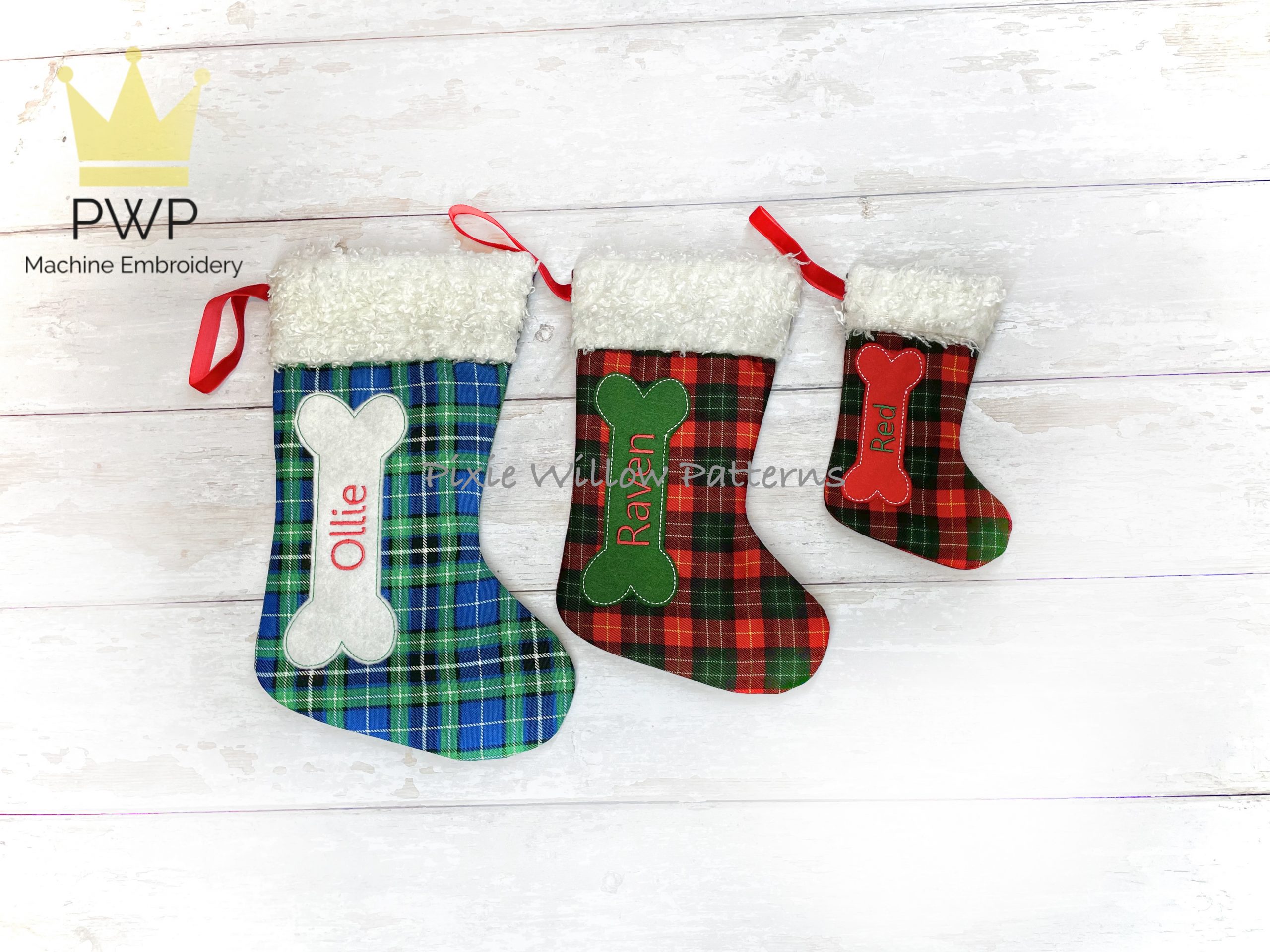
To create a sustainable stocking for your dog in 2026, prioritize items made from renewable fibers like hemp, upcycled post-consumer plastics, and locally sourced, organic ingredients. Focus on high-durability toys that reduce replacement frequency and select compostable packaging to minimize the environmental footprint of your holiday celebrations.
The pet industry has undergone a significant shift toward the circular economy. As consumers increasingly prioritize the environmental impact of their purchases, the demand for "green" pet products has moved from a niche market to a standard expectation. A sustainable stocking is not merely about the items inside; it represents a commitment to reducing plastic waste, lowering carbon emissions from shipping, and supporting ethical manufacturing practices. When selecting gifts for your canine companion this year, consider how each product is sourced, manufactured, and eventually disposed of.
The Evolution of Sustainability in Pet Products
By 2026, the criteria for "sustainable" have become more stringent. It is no longer enough for a toy to be labeled "natural." Savvy pet owners now look for certifications such as the Global Organic Textile Standard (GOTS) for fabrics and Forest Stewardship Council (FSC) certification for wooden enrichment toys. The emphasis has shifted from simply "less bad" to "restorative" or "circular" products.
Sustainable gifting involves three primary pillars:
- Material Integrity: Using renewable, biodegradable, or recycled materials.
- Longevity: Choosing durable items that prevent the "disposable" cycle of cheap pet toys.
- Low-Impact Logistics: Prioritizing local brands and minimal, plastic-free packaging.
Understanding these pillars helps you navigate the "greenwashing" often found in retail. Below are seven curated ideas that meet these high standards for sustainability while ensuring your dog has a joyful and engaging holiday.
1. Upcycled and Recycled Plastic Toys
One of the most effective ways to reduce waste is to utilize what already exists. Upcycled dog toys are often made from materials that would otherwise end up in landfills or oceans. In 2026, many leading pet brands have perfected the process of turning Recycled Polyethylene Terephthalate (RPET)—the plastic found in water bottles—into soft, durable plush toys.
Why Upcycling Matters
Plastics can take hundreds of years to decompose. By repurposing these materials into pet toys, manufacturers close the loop on production. Look for toys filled with recycled poly-fill or those made from "ocean-bound" plastic. These products are often reinforced with double-stitched seams to ensure they last longer than standard plushies, making them a more sustainable choice both in material and durability.
What to Look For
When shopping for upcycled toys, check the label for the percentage of recycled content. The most sustainable options will be 100% recycled. Brands like West Paw and Beco have long been leaders in this space, often offering "take-back" programs where old, chewed-up toys can be sent back to the manufacturer to be ground down and turned into new products.
2. Hemp and Organic Cotton Tug Toys
If your dog prefers interactive play, hemp and organic cotton ropes are superior alternatives to synthetic nylon or chemically treated cotton. Hemp is widely considered one of the most sustainable crops on the planet because it requires very little water, no pesticides, and actually returns nutrients to the soil through a process called phytoremediation.
The Benefits of Hemp Fiber
Hemp is naturally antimicrobial and resistant to mold and mildew, which is a significant advantage for toys that spend a lot of time in a dog's mouth. Furthermore, hemp fibers are incredibly strong and have a high tensile strength, meaning they can withstand vigorous tug-of-war sessions without fraying into microplastic-shedding strands.
Organic vs. Conventional Cotton
If you choose cotton, ensure it is certified organic. Conventional cotton is a water-intensive crop that relies heavily on synthetic fertilizers. GOTS-certified organic cotton ensures that the fabric was produced without toxic chemicals, protecting both the environment and your dog from potential skin irritants.
3. Dehydrated, Single-Ingredient Local Treats
The carbon footprint of pet treats is often tied to the "food miles" traveled and the energy-intensive processing involved. For 2026, the trend in sustainable treats has moved toward single-ingredient, dehydrated snacks sourced from local farms or ethical fisheries.
Lowering the Carbon Pawprint
Choosing treats made from "ugly" produce—fruits and vegetables that are perfectly edible but rejected by grocery stores for aesthetic reasons—is a fantastic way to combat food waste. Dehydrated sweet potato slices, apple rings, or carrots are nutrient-dense and have a low environmental impact.
Ethical Protein Sources
If your dog prefers meat, look for treats made from invasive species (like Asian Carp or Nutria) or insect-based proteins. Cricket protein, for instance, requires a fraction of the land and water compared to beef or chicken and produces significantly fewer greenhouse gases. These treats are often hypoallergenic and highly palatable for dogs. Ensure the treats are packaged in compostable bags rather than multi-layer plastic pouches.
4. Solid Grooming Bars and Plastic-Free Balms
Stocking stuffers aren't limited to toys and food. Personal care products for dogs are often overlooked in sustainability discussions. Traditional liquid shampoos are roughly 80% water and packaged in single-use plastic bottles.
The Rise of the Shampoo Bar
Solid shampoo bars have become the gold standard for eco-conscious pet owners. They eliminate the need for plastic packaging and are much more concentrated, often lasting as long as three bottles of liquid shampoo. These bars are typically made with natural oils (like coconut, olive, or neem) and are free from synthetic fragrances and sulfates that can strip a dog’s coat of natural oils.
Paw and Nose Balms in Tins
Winter weather can be harsh on a dog's paws. Instead of plastic tubes of paw wax, look for balms packaged in recyclable aluminum or glass tins. Ingredients should be simple and food-grade: beeswax, shea butter, and vitamin E. Avoid products containing petroleum jelly or parabens, which are derived from fossil fuels and are not biodegradable.
5. Sustainably Sourced Natural Chews
Dogs have an innate need to chew, and providing sustainable outlets for this behavior is key to their mental health. However, many common chews, like rawhide, involve heavy chemical processing and originate from questionable supply chains.
Naturally Shed Antlers and Wood Chews
Antlers are a popular choice because they are "shed" naturally by deer and elk every year, meaning no animals are harmed in the process. They are incredibly long-lasting and provide essential minerals like calcium and phosphorus.
For softer chewers, olive wood or coffee wood chews are excellent options. These are harvested from the pruning of trees in the agricultural industry, repurposing wood that would otherwise be burned as waste. They don't splinter like regular sticks, making them a safer, eco-friendly alternative.
The Role of Yak Cheese Chews
Yak cheese chews (often called Himalayan chews) are another sustainable option. They are made using traditional methods from yak and cow milk, are completely biodegradable, and support small-scale farmers in high-altitude regions. When the chew gets too small, it can be puffed in the microwave to create a crunchy treat, ensuring zero waste.
6. Compostable Waste Bags and Bamboo Gear
Every dog owner needs waste bags, but the "degradable" labels can be misleading. Many plastic bags labeled as degradable simply break down into microplastics. A truly sustainable stocking should include certified compostable bags.
Understanding Compostability Standards
Look for bags that meet the ASTM D6400 standard, which certifies that the product will break down completely in a composting environment without leaving toxic residues. These are usually made from cornstarch or other plant-based polymers.
Bamboo Collars and Leashes
Bamboo is another "super-material" for 2026. It grows faster than almost any other plant and creates a fabric that is soft, durable, and biodegradable. A bamboo collar or leash is a great stocking stuffer because it is lightweight and naturally hypoallergenic. Unlike nylon, which is a petroleum product, bamboo will eventually return to the earth.
7. Enrichment Puzzles Made from FSC-Certified Wood
Mental stimulation is just as important as physical exercise. While many enrichment puzzles are made of colorful plastic, there is a growing market for wooden puzzles that are both beautiful and sustainable.
Why FSC Certification Matters
The Forest Stewardship Council (FSC) ensures that wood products come from responsibly managed forests that provide environmental, social, and economic benefits. A wooden sliding puzzle or a "snuffle board" made from felted recycled wool provides hours of entertainment.
Durability as Sustainability
The longevity of wood over thin plastic cannot be overstated. A well-made wooden puzzle can last for the life of the dog and beyond, whereas plastic puzzles can crack or be chewed into dangerous sharp pieces, necessitating replacement and contributing to the waste stream.
Material Comparison for Sustainable Pet Products
| Material | Sustainability Score | Pros | Cons |
|---|---|---|---|
| Hemp | High | Low water use, antimicrobial, very durable. | Can be more expensive; rougher texture. |
| Recycled Plastic (RPET) | Medium-High | Diverts waste from landfills, soft, washable. | Still a plastic; can shed microfibers. |
| Bamboo | High | Rapidly renewable, biodegradable, hypoallergenic. | Requires specific processing to stay eco-friendly. |
| FSC Wood | High | Long-lasting, carbon-sequestering, plastic-free. | Not suitable for heavy chewers; heavy. |
| Natural Rubber | Medium | Toxin-free, durable, recyclable in some areas. | Sourcing must be "Fair Rubber" certified for top tier. |
Avoiding Greenwashing: Common Mistakes to Avoid
As you fill your dog's stocking, be wary of marketing terms that lack substance. "Natural" is a common term that has no legal definition in the pet industry. A "natural" treat could still be laden with pesticides or packaged in non-recyclable plastic.
The Trap of "Degradable" vs. "Compostable"
As mentioned earlier, "degradable" or "oxo-degradable" usually means the plastic has an additive that helps it break into smaller pieces faster. This actually accelerates the creation of microplastics. Always look for "100% Home Compostable" to ensure the product truly disappears.
Packaging Waste
Sometimes a sustainable product is wrapped in layers of unnecessary plastic. Look for brands that use "naked" packaging or recycled cardboard. In 2026, many companies have switched to mushroom packaging or seaweed-based films, which are excellent indicators of a truly eco-conscious brand.
Safety Considerations for Eco-Friendly Materials
While sustainable materials are generally safer, you must still match the gift to your dog's behavior. A "sustainable" wood chew is not sustainable if your dog destroys it in five minutes and swallows the pieces, leading to an emergency vet visit.
- Size Appropriateness: Ensure antlers or wood chews are large enough that they cannot be swallowed whole.
- Supervision: Always supervise your dog with new toys, especially those made from natural fibers like hemp or cotton, to ensure they aren't ingesting the strings.
- Ingredient Transparency: For treats, the fewer ingredients, the better. If you can't pronounce it, it’s likely a synthetic preservative.
Frequently Asked Questions
Are sustainable dog toys more expensive?
While the upfront cost of sustainable toys can be 10% to 20% higher than mass-produced plastic toys, they often save money in the long run. Because materials like hemp and FSC-certified wood are more durable, you will replace them less frequently. Additionally, the "cost" of environmental damage from cheap plastics is not reflected in their price tag but is a burden on the planet.
Can I compost dog waste bags in my backyard?
Only if the bags are specifically labeled for "Home Composting." Even then, you should never use the resulting compost on edible gardens (like vegetables) because dog waste can contain pathogens. Use that compost only for ornamental flower beds or shrubs. If you don't have a dedicated pet-waste composting system, certified compostable bags are still better for the landfill than plastic ones.
Is "organic" really necessary for dog treats?
Organic certification ensures that the ingredients were grown without synthetic pesticides, herbicides, or GMOs. For dogs with sensitivities or allergies, organic treats are often much gentler on the digestive system. From an environmental perspective, organic farming promotes biodiversity and healthier soil, making it a key component of sustainability.
How do I know if an antler is "naturally shed"?
Reputable companies will explicitly state that their antlers are naturally shed and sourced from the wild or ethical ranches. Look for brands that provide information about their sourcing locations. Naturally shed antlers have a rounded, burred base where they detached from the animal's skull, whereas harvested antlers may have a straight-cut edge.
Are there vegan sustainable stocking stuffers?
Yes, many sustainable options are vegan. Hemp ropes, bamboo collars, and sweet potato chews are all excellent vegan choices. For "leather" alternatives, look for items made from pineapple leaf fiber (Piñatex) or cork, which are durable, stylish, and entirely plant-based.
Final Recommendation: Creating a Low-Impact Tradition
To truly embrace sustainability this holiday season, look beyond the individual items and consider the "wrap" as well. Instead of a new synthetic stocking, use a reusable fabric bag or an upcycled basket that can be used for toy storage throughout the year.
The most sustainable gift you can give your dog is high-quality time and health. Combine these physical gifts with an "experience" gift—such as a trip to a new trail or a session of scent work training. By choosing durable, ethically sourced, and plastic-free items, you ensure that your holiday celebration supports a healthier planet for you and your pet to enjoy for years to come.