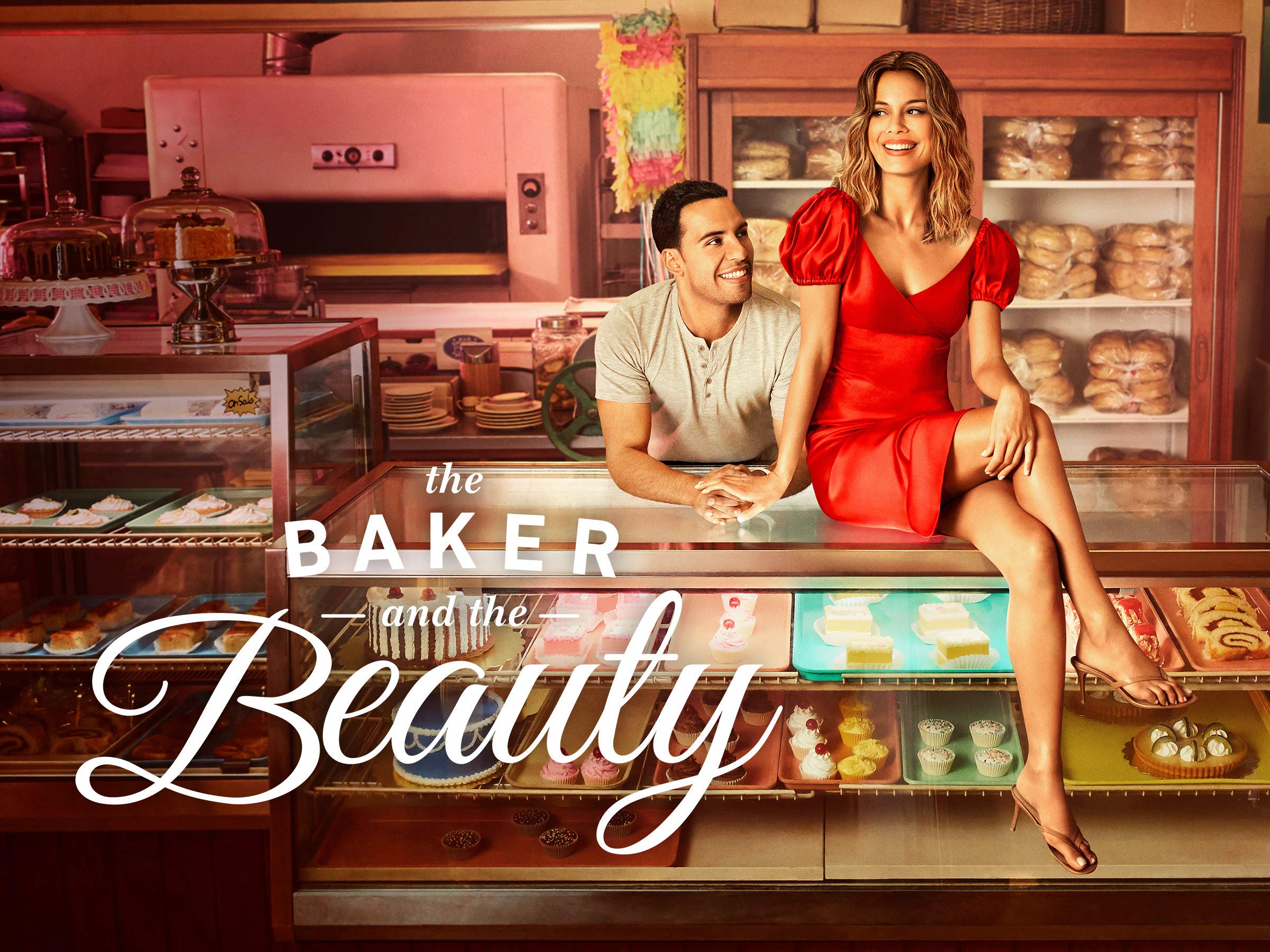
Despite a passionate fan campaign and a successful second life on streaming platforms, the ABC romantic dramedy The Baker and the Beauty remains officially cancelled. As of 2026, there are no plans for a second season due to a combination of low initial broadcast ratings, complex licensing agreements between studios, and the significant passage of time since the original cast and crew moved on to other professional commitments.
The Context of the Cancellation
The Baker and the Beauty, an American adaptation of the highly successful Israeli series Beauty and the Baker, premiered on ABC in April 2020. Set in Miami and filmed largely in Puerto Rico, the show followed the unlikely romance between Daniel Garcia, a relatable baker working in his family’s business, and Noa Hamilton, an international superstar and fashion mogul. While the show won over a dedicated "Bakeries" fanbase and earned praise for its positive representation of a Latinx family, ABC announced its cancellation in June 2020 after just nine episodes.
In the years following, particularly after its arrival on Netflix, the show experienced a massive resurgence in popularity. This led to persistent rumors and "Save the Show" petitions that have continued even into 2026. However, the television industry operates on a complex set of financial and contractual metrics that often outweigh social media sentiment. Understanding why a Season 2 remains off the table requires looking at the specific pressures of network television and the shifting landscape of streaming rights.
1. Underwhelming Linear Ratings and Demographic Shares
The primary reason for any network television cancellation is almost always rooted in the Nielsen ratings. When The Baker and the Beauty aired its first season in the spring of 2020, it struggled to find a foothold in the competitive Monday night lineup.
During its initial run, the series averaged approximately a 0.48 rating in the key 18-49 demographic and roughly 2.5 million total viewers per episode. For a major broadcast network like ABC, these numbers were significantly below the threshold required to justify a renewal for a scripted drama. While the show maintained a relatively steady audience throughout its short run—indicating a loyal core following—it failed to grow that audience or "break out" in a way that would make it a priority for the network’s upcoming schedule.
In the world of broadcast television, advertisers pay based on "Live+Same Day" or "Live+3" viewership. Because The Baker and the Beauty didn't capture a large enough slice of that live audience, the ad revenue generated simply didn't align with the costs of production. Even by 2026 standards, where delayed viewing is more common, the initial baseline was too low for a network to take a second chance.
2. The "Ownership Gap" Between ABC and Universal TV
A critical factor that often goes unnoticed by fans is the corporate structure behind a TV show. The Baker and the Beauty was a "co-production" between ABC Signature and Universal Television. While ABC aired the show, they did not have full ownership of the intellectual property.
In the modern era of television, networks are increasingly inclined to renew shows that they own entirely (vertically integrated). When a network like ABC (owned by Disney) produces a show in-house, they profit from international syndication, streaming rights on Disney+ or Hulu, and merchandise. However, when the rights are shared with an outside studio like Universal Television (owned by NBCUniversal), the profit margins for the airing network are much thinner.
Because ABC didn't see the ratings they wanted, and they didn't own the long-term backend rights to the show, they had very little financial incentive to keep it on the air. This "ownership gap" is one of the most common reasons why "bubble shows" fail to get renewed while other shows with similar ratings survive.
3. High Production Costs and Location Filming
The aesthetic of The Baker and the Beauty was one of its selling points—the vibrant colors of Miami and the luxurious lifestyle of Noa Hamilton gave the show a cinematic quality. To achieve this, the production filmed extensively in Puerto Rico, which stood in for Miami.
While Puerto Rico offers significant tax incentives for film production, shooting on location is inherently more expensive than filming on a studio backlot in Los Angeles or Atlanta. Transporting cast and crew, housing, and the logistical challenges of international filming added a significant premium to the show's per-episode budget.
When a show’s ratings are marginal, the first thing a network looks at is the "cost-to-viewership" ratio. For a romantic dramedy that didn't require heavy special effects, The Baker and the Beauty was surprisingly expensive to produce. Without a massive audience to justify the spend, the high production value became a liability rather than an asset.
4. The Impact of the COVID-19 Pandemic
The timing of the show’s release was both a blessing and a curse. It premiered in April 2020, right as the world was entering the first wave of COVID-19 lockdowns. While this meant more people were at home watching television, it also created a massive financial crisis for television networks.
In mid-2020, networks were forced to halt all productions, leading to massive losses in advertising revenue. This created a "crunch" where networks had to be extremely selective about which shows they brought back. Only the most certain hits were renewed, as the cost of implementing new COVID-19 safety protocols on set added hundreds of thousands of dollars to the budget of every episode.
For a show like The Baker and the Beauty, which was already on the "bubble," the added complexity and cost of filming a second season under pandemic restrictions made it an easy target for cancellation. Had the show premiered a year earlier or a year later, the outcome might have been different, but the 2020 economic climate was unforgiving to experimental mid-tier dramas.
5. The Streaming Paradox: Success on Netflix vs. Rights on ABC
In 2021, The Baker and the Beauty was licensed to Netflix, where it quickly shot into the "Top 10" most-watched shows in the United States. This surge in popularity led many fans to believe that Netflix would "save" the show, much like they did with Lucifer or Manifest.
However, the "streaming paradox" played out here: success on Netflix doesn't always translate to a renewal. By the time the show became a hit on Netflix, the contracts for the actors had already expired. Furthermore, Netflix would have had to negotiate a complex deal with Universal Television and ABC Signature to take over the production.
From a business perspective, Netflix often uses licensed content to fill its library rather than as a pilot for new original content. Because Netflix didn't own the show from the start, and the cost of reviving a dormant production is significantly higher than continuing an active one, the "Netflix bump" stayed as a purely viewership-based success rather than a catalyst for a second season.
6. Failed Negotiations for a New Home
When ABC officially passed on Season 2, the producers at Universal Television did not give up immediately. They actively "shopped" the show to other networks and streaming services, including Apple TV+, Hulu, and NBC (Universal's sister network).
Reports at the time suggested that while there was some interest due to the show's strong Latinx representation and positive critical reception, no platform was willing to meet the price point required to produce a full second season. Each platform has its own specific needs—Hulu focuses on younger, "edgy" demographics, while Apple TV+ seeks high-concept, prestige dramas. The Baker and the Beauty, as a classic "feel-good" romantic dramedy, was seen as a better fit for traditional broadcast TV, but the other broadcast networks were also tightening their budgets at the time. Once the initial window for "shopping" the series closed, the momentum for a revival dissipated.
7. The Passage of Time and Talent Availability
Perhaps the most insurmountable reason in 2026 is the simple reality of the calendar. It has been six years since the cast and crew were last on set together. In the television industry, actors, writers, and directors move on to "first-position" contracts—meaning they are legally committed to new projects that take precedence over any potential revival.
Leading actors Victor Rasuk (Daniel) and Nathalie Kelley (Noa) have both moved on to other major roles in film and television. Reassembling the entire ensemble cast—which was praised for its chemistry—becomes a logistical nightmare after more than a year or two. Not only do salaries increase as actors become more successful, but their schedules rarely align again.
Comparison of Season 1 Performance Metrics (2020)
| Metric | The Baker and the Beauty | Standard ABC Renewal Target (2020) |
|---|---|---|
| Avg. Demo Rating (18-49) | 0.48 | 0.70+ |
| Avg. Total Viewers | 2.5 Million | 4.0 Million+ |
| Streaming Performance | High (Post-Cancellation) | High (Immediate) |
| Ownership Status | Shared (Universal/ABC) | Full Ownership Preferred |
| Production Location | Puerto Rico (High Cost) | Los Angeles/Backlot (Lower Cost) |
Frequently Asked Questions
Why didn't Netflix save the show after it trended in the Top 10?
While The Baker and the Beauty performed exceptionally well on Netflix, the streaming giant typically looks for shows where they can acquire the full global rights and where the cost of production is manageable. Because the show was co-owned by Universal and ABC, the licensing fees and the cost of "buying out" other stakeholders made it financially unattractive for Netflix to produce new episodes.
Was there ever a script written for Season 2?
The showrunners and writers had a general "roadmap" for Season 2, which would have explored Daniel and Noa's relationship after the Season 1 finale cliffhanger. However, full scripts are rarely written until a season is officially greenlit, as writers are paid per episode under union (WGA) rules.
Could the show be rebooted with a new cast?
While the format of the show—based on the Israeli original—could theoretically be adapted again, it is unlikely. The 2020 version is still widely available on streaming platforms, and a "re-adaptation" would compete with the existing version. Most networks would rather invest in new, original IP than reboot a show that was cancelled due to low ratings just a few years prior.
Did the Israeli version of the show fare better?
Yes, the original Israeli series, Lehiyot Ita, was a massive hit in its home country and ran for three successful seasons. The cultural differences in how television is consumed in Israel versus the United States allowed the original to thrive on a smaller, more focused scale than a giant US broadcast network like ABC.
Is there any chance of a wrap-up movie?
As of 2026, there are no discussions regarding a wrap-up movie. While movies are sometimes used to conclude "cult classic" shows (like Serenity for Firefly), they usually require a much larger fanbase or a significant financial backer who sees long-term value in the franchise. Without a major studio pushing for it, a movie remains a fan hope rather than a reality.
Final Perspective for Fans
While the story of Daniel and Noa may have ended prematurely on screen, the legacy of The Baker and the Beauty lives on through its impact on representation and its continued popularity on digital platforms. The "7 reasons" listed above highlight the harsh realities of the television business, where creative success does not always guarantee financial survival. For those still looking for more of the Garcia family's world, the best course of action is to support the cast's current projects and revisit the nine episodes that captured the hearts of so many during a difficult time in global history.