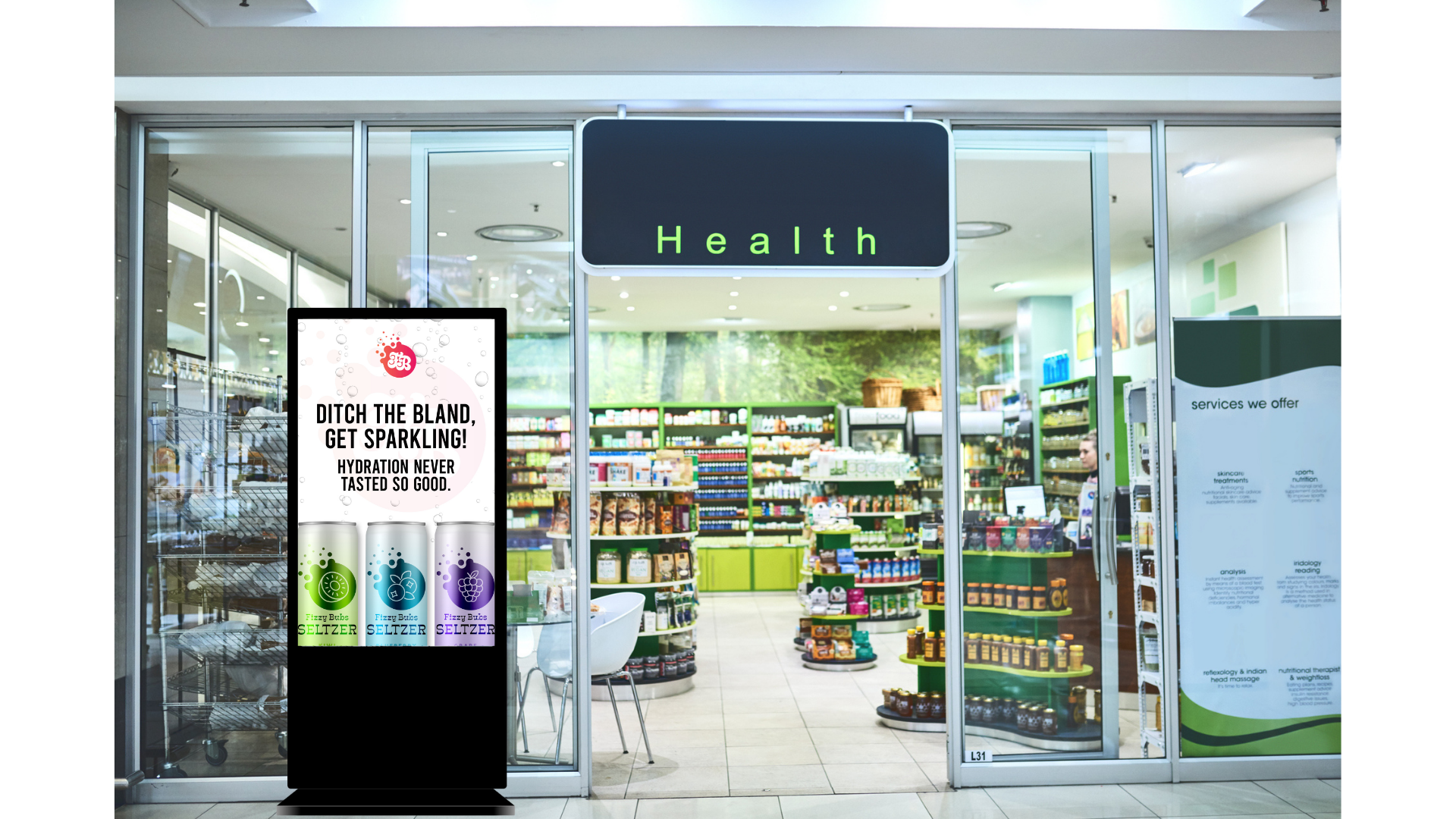
Effective point of purchase (POP) strategies drive sales by capturing consumer attention at the critical moment of decision-making, often triggering impulse buys or guiding shoppers toward high-margin products. By utilizing tactical placements like endcaps, floor decals, and interactive digital displays, retailers can influence behavior and increase average transaction value through visual disruption and psychological triggers.
Understanding the Point of Purchase in 2026
The Point of Purchase (POP) refers to the physical or digital space where a customer interacts with a product and considers a purchase. While often confused with the Point of Sale (POS)—the actual location where the financial transaction occurs, such as a checkout counter—the POP encompasses the entire shopping environment. In 2026, the distinction remains vital for marketers: POS is about the transaction, while POP is about the influence.
The psychology of the POP revolves around the concept of "interruption." Most shoppers enter a retail environment with a specific list or a predetermined path. POP displays serve to break that autopilot mode. Whether through vibrant colors, unique structural designs, or high-tech interactivity, these displays force a momentary pause. This pause creates an opportunity for a brand to communicate its value proposition, a seasonal promotion, or a solution to a problem the customer hadn't prioritized until that second.
To implement these strategies effectively, brands and retailers must align their display choices with the specific shopper mission. A customer in a "discovery" mode requires different stimuli than a customer in a "replenishment" mode. The following seven examples represent the most effective POP strategies currently driving measurable growth in the retail sector.
1. Counter Displays (Point of Sale Integration)
Counter displays are perhaps the most recognizable form of POP marketing. These are small, specialized units placed directly on or adjacent to the checkout counter. Their primary goal is to capitalize on the "wait time" during the transaction process.
The Psychology of the Small Win
Counter displays work because they focus on low-cost, high-utility, or high-indulgence items. In 2026, we see these displays increasingly used for "snackable" electronics—such as sustainable charging cables or compact wearables—alongside traditional confectionery. The psychological barrier to adding a $5 item to a $100 purchase is remarkably low. This is known as "micro-conversion," where the shopper perceives the addition as a negligible expense that provides immediate gratification.
Best Practices for Counter Displays
- Keep it Compact: Space on the counter is premium real estate. Displays should have a small footprint but vertical presence.
- Focus on Immediate Needs: Items that a customer likely forgot (lip balm, batteries, travel-sized sanitizers) perform best.
- Limit Selection: Too many choices at the counter lead to decision fatigue. Offer one or two clear options.
2. Endcaps: The Gold Standard of Visibility
An endcap is a display located at the end of an aisle, facing the main "power aisles" or perimeter walkways of a store. Because they are positioned at the intersection of high-traffic paths, they receive significantly more impressions than products shelved within the aisle.
Driving Trial and Brand Awareness
Endcaps are frequently used to launch new products or highlight seasonal promotions. Because customers often bypass the middle of aisles unless they have a specific need, the endcap serves as a "billboard" for what lies within. In 2026, many endcaps incorporate "Lift and Learn" technology, where picking up a product triggers a nearby screen to show a 15-second demonstration or a comparison chart.
Strategic Rotation
The effectiveness of an endcap diminishes as shoppers become "blind" to it. For maximum sales lift, retailers should rotate endcap themes every two to four weeks. This creates a sense of freshness and urgency, signaling to regular shoppers that there is something new to discover.
3. Floor Decals and Wayfinding Graphics
Floor decals have evolved from simple "social distancing" markers of the early 2020s into sophisticated marketing tools. In the current retail landscape of 2026, 3D floor graphics are used to create optical illusions that make products appear as if they are popping out of the ground.
Disrupting the Line of Sight
Human beings are naturally inclined to look where they are walking. Floor decals capitalize on this downward gaze. By placing a brand message or a directional arrow leading to a specific display, retailers can guide the "shopper journey" without being intrusive.
Implementation Metrics
Floor decals are particularly effective in large-format stores where "aisle paralysis" occurs. Using high-contrast colors and simple calls to action (e.g., "Save 20% this way") can increase foot traffic into specific zones by up to 15%, according to recent retail mobility studies.
4. Digital Signage and Interactive Kiosks
As we move through 2026, digital signage has transitioned from passive screens to active, AI-driven participants in the shopping experience. Modern POP digital displays can now adjust their messaging in real-time based on the time of day, current weather, or even the aggregated demographic data of the people currently standing in front of them.
Dynamic Content Delivery
The advantage of digital POP is the ability to show motion. The human eye is biologically wired to track movement. A static cardboard sign might be ignored, but a high-definition screen showing steam rising from a cup of coffee or a garment moving in the wind is much harder to overlook.
QR Code Integration and Phygital Commerce
"Phygital"—the blending of physical and digital—is a core component of successful 2026 POP displays. Interactive kiosks allow shoppers to scan a product, see how it looks in different colors, check real-time stock levels, or even order a version of the item to be delivered to their home if it is out of stock in the store. This prevents "showrooming" (where a customer looks at a product in-store but buys it online from a competitor).
5. Dump Bins: The Value Perception Strategy
Dump bins are large, standalone containers often filled with a variety of products, typically associated with discounts or clearance items. Despite their name, modern dump bins are strategically designed to imply a "treasure hunt" experience.
The Science of the "Good Deal"
There is a specific psychological trigger associated with dump bins: the perception of a bargain. When items are neatly organized on a shelf, they appear "full price." When they are placed in a bin, the lack of rigid structure suggests a clearance or a special bulk buy. This encourages shoppers to "dig" through the bin, which increases the time spent interacting with the brand.
Placement and Organization
While the bins look "jumbled," they must be placed in wide aisles where they do not create a bottleneck. Successful dump bins in 2026 often use recycled materials or modular designs that can be moved easily to different high-traffic zones depending on the time of day.
6. Shelf Talkers and Glorifiers
Shelf talkers are small signs attached to the edge of a retail shelf, extending out into the aisle. "Glorifiers" are more elaborate versions that might include a lighted base or a specialized frame that elevates a single unit of the product above its competitors.
Providing Social Proof and Education
In an era where consumers are accustomed to reading reviews online, shelf talkers bring that information to the physical aisle. Using "Staff Picks," "Top Rated," or "Customer Favorite" tags provides the social proof necessary to finalize a decision.
Breaking the Monotony
A standard grocery or pharmacy aisle can contain hundreds of competing SKUs (Stock Keeping Units). A shelf talker acts as a visual "speed bump." It breaks the horizontal line of the shelving, forcing the eye to stop and read. Effective shelf talkers in 2026 often feature a "sustainability score" or a "carbon footprint" metric, catering to the values-driven consumer.
7. Freestanding Display Units (FSDUs)
FSDUs are standalone cardboard or permanent structures that can be placed anywhere in the store. They are essentially "islands" of branding that exist independently of the store's fixed shelving.
Total Brand Control
The primary benefit of an FSDU is that the brand has 100% control over the visual presentation. They are not competing with the generic store shelf or the product sitting an inch to the left. This allows for total immersion in the brand's aesthetic.
Flexibility and Secondary Placement
FSDUs allow for "cross-merchandising." For example, a brand selling high-end crackers might place an FSDU in the wine department rather than the cracker aisle. This places the product in a high-context environment where the customer is already thinking about a specific occasion (like hosting a party), leading to a higher likelihood of an unplanned purchase.
Comparative Analysis of POP Examples
The following table compares these seven examples based on their typical cost, consumer impact, and ideal use case.
| POP Example | Relative Cost | Consumer Impact | Primary Goal | Ideal Product Type |
|---|---|---|---|---|
| Counter Display | Low | High (Impulse) | Increase basket size | Low-cost, small items |
| Endcap | Medium-High | Very High | Visibility & Awareness | Seasonal/New Launches |
| Floor Decal | Low | Medium | Wayfinding/Traffic | Sales events/Promotions |
| Digital Signage | High | High (Engagement) | Education & Interactivity | Tech/Premium Goods |
| Dump Bin | Low | Medium (Value) | Clearance/Volume | Discounted/Bulk items |
| Shelf Talker | Very Low | High (Decision) | Social proof/Feature highlight | Competitive categories |
| FSDU | Medium | High | Cross-merchandising | Brand-specific campaigns |
Measuring the Success of POP Displays
To ensure that a Point of Purchase strategy is actually driving sales, retailers and brands in 2026 utilize several key performance indicators (KPIs). It is no longer enough to look at "total sales"; one must look at the "lift" specifically attributed to the display.
1. Sales Lift Analysis
This is the most straightforward metric. By comparing the sales of a product during the period it was featured in a POP display against a "baseline" period where it was only on the standard shelf, managers can calculate the percentage of growth. A successful POP display typically aims for a 15% to 50% lift, depending on the category.
2. Dwell Time and Engagement
Using heat mapping and anonymized video analytics (standard in 2026 smart stores), retailers can see how long a shopper stands in front of a display. If dwell time is high but sales are low, the display is likely confusing or the price point is too high. If dwell time is low but sales are high, the display is likely a highly effective "grab-and-go" trigger.
3. Attach Rate
For displays used in cross-merchandising (like the cracker FSDU in the wine aisle), the "attach rate" is the critical metric. This measures how often the featured product is purchased in the same transaction as the primary product in that department.
Common Mistakes in POP Execution
Even the most creative POP display can fail if certain logistical or psychological principles are ignored.
- Cluttering the Path: A display that blocks the flow of traffic creates "shopper frustration." Once a shopper feels crowded or obstructed, their "flight" instinct kicks in, and they are less likely to browse.
- Out-of-Stock Neglect: There is nothing more damaging to a brand than an attractive POP display that is empty. This signals poor management and frustrates the consumer who was successfully "convinced" to buy.
- Messaging Overload: A display should have one clear message. If a sign tries to highlight the price, the ingredients, the brand history, and a QR code all in the same space, the consumer will likely ignore all of it. The "three-second rule" applies: if a shopper can’t understand the offer in three seconds, the display has failed.
- Poor Maintenance: Cardboard displays that are torn, dusty, or leaning lose their "premium" feel instantly. In 2026, many brands have moved toward "semi-permanent" POP materials like lightweight recycled polymers that resist wear and tear better than traditional corrugated cardboard.
Practical Recommendations for Implementation
If you are looking to revitalize your retail strategy using these examples, follow these steps:
- Identify the "Dead Zones": Look for areas in your store where foot traffic slows down but conversion remains low. These are prime candidates for floor decals or FSDUs.
- Audit the Checkout Flow: Ensure your counter displays are offering "need-it-now" items. In 2026, this increasingly includes digital-physical hybrids like subscription gift cards or small sustainable tech accessories.
- Leverage Data for Endcaps: Don't choose endcap products based on intuition. Use your inventory management software to identify products with high margins but low "findability" on the standard shelf.
- Test and Iterate: Implement A/B testing. Place a digital sign in one location and a static FSDU in another. Measure the lift over a 14-day period and shift your budget toward the higher performer.
Frequently Asked Questions
How does Point of Purchase (POP) differ from Point of Sale (POS)?
The Point of Purchase (POP) is the entire area where a customer considers a purchase, such as an aisle or a display. The Point of Sale (POS) is the specific location where the transaction is finalized, such as the cash register or a mobile checkout app. POP is about marketing; POS is about logistics.
Are digital POP displays worth the investment for small retailers?
Yes, in 2026, the cost of high-quality, small-format digital screens has dropped significantly. Even a single 10-inch screen used as a "shelf glorifier" can provide a significant ROI by allowing the retailer to show video reviews or dynamic pricing that updates automatically with the store’s inventory system.
What is the most effective POP display for impulse buys?
Counter displays remain the most effective for pure impulse buys. Because the customer is already in a "spending" mindset and is physically stopped at the register, the friction for adding a small, low-cost item is at its absolute lowest.
Can POP displays help with sustainable branding?
Absolutely. In 2026, consumers are highly sensitive to "excessive" packaging. Using POP displays made from FSC-certified wood, recycled ocean plastics, or biodegradable "mushroom" packaging can actually serve as a marketing point itself, driving sales among environmentally conscious demographics.
How often should I change my POP displays?
For high-traffic environments, a refresh every 2 to 4 weeks is recommended. This prevents "display blindness," where regular customers stop noticing the signage. Even moving the same display to a different part of the store can sometimes re-trigger its effectiveness.