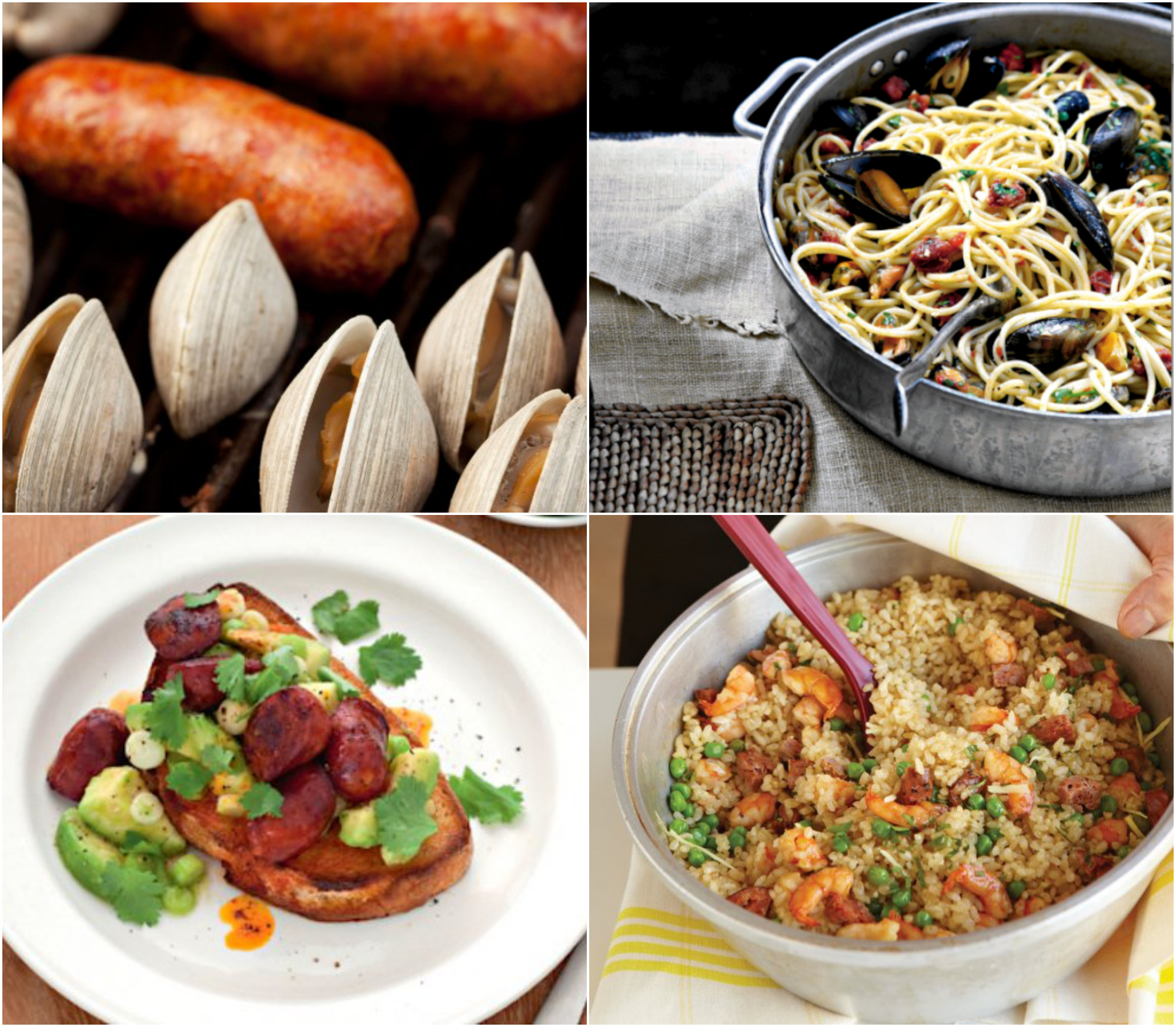
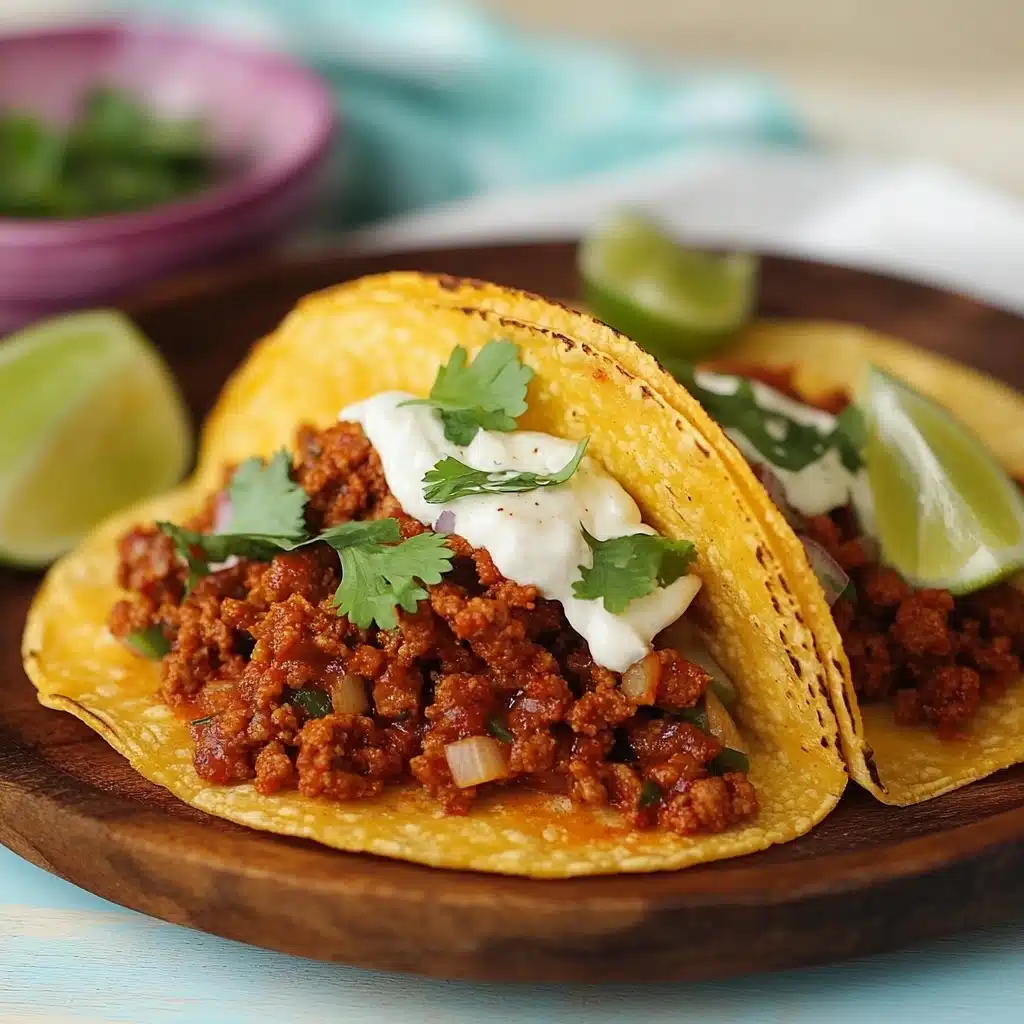
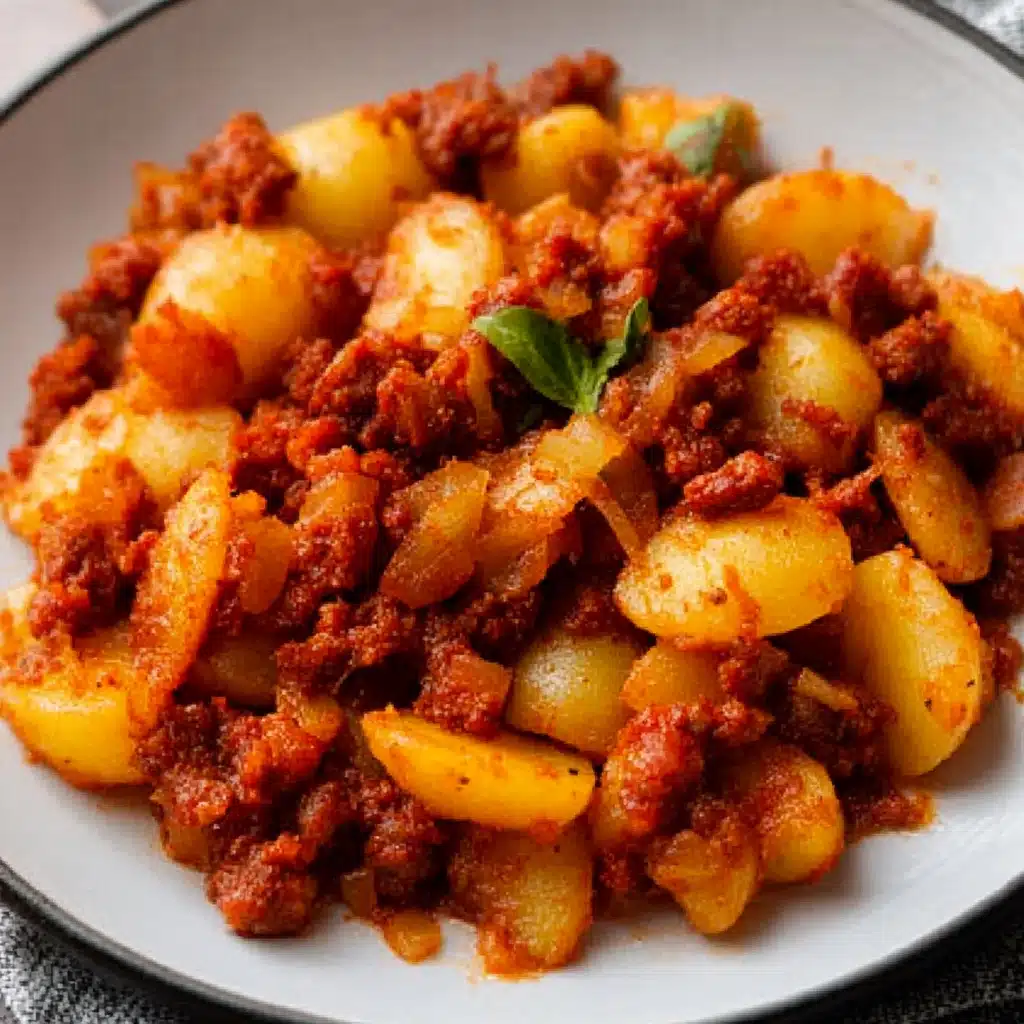
Chorizo delivers an intense, smoky, and spiced punch that transforms ordinary weeknight ingredients into fast, high-impact dishes. Whether you use Spanish cured chorizo or fresh Mexican raw sausage, this powerhouse ingredient renders a rich, crimson oil that doubles as a built-in cooking fat, making it ideal for fast, flavorful cooking.
Weeknight cooking often suffers from a lack of time and a shortage of flavor. When you are rushing to put dinner on the table after a long day, turning to bland ingredients requires heavy reliance on complex sauces and long simmering times to build depth. Chorizo bypasses this culinary bottleneck entirely. Because it is packed with paprika, garlic, chili peppers, and various regional spices, a small amount of chorizo carries enough flavor to season an entire skillet of grains, proteins, or vegetables.
Understanding how to handle, prep, and pair this versatile sausage is the first step toward mastering quick, bold meals. This guide explores the fundamental differences between major chorizo varieties, outlines essential safety and handling protocols, provides seven distinct cooking ideas, and details practical troubleshooting methods to help you get the most out of your ingredients.
Understanding Chorizo Varieties: Spanish vs. Mexican
Before diving into quick meal ideas, you must identify which type of chorizo you are working with. Using the wrong variety for a specific recipe can ruin both the texture and the cooking timeline.
Spanish Chorizo (Cured and Smoked)
- Processing: Spanish chorizo is a hard, dried, cured sausage seasoned heavily with smoked paprika (pimentón) and garlic.
- Texture: Firm, similar to a hard salami or pepperoni.
- Preparation: It is fully cured and safe to eat without cooking, though gentle heat helps release its flavored oils. It is typically sliced into coins or diced before hitting the pan.
- Best Uses: Tossing into grain bowls, searing for tapas, simmering in quick stews, or crisping up as a crunchy topping.
Mexican Chorizo (Fresh and Raw)
- Processing: Mexican chorizo is a raw, ground or finely minced pork (sometimes beef, chicken, or soy) sausage packed into a casing that must be removed before cooking. It relies heavily on vinegar, chiles, and warm spices like cinnamon and cloves.
- Texture: Soft, crumbly, and loose when removed from its casing.
- Preparation: It must be cooked thoroughly to an internal temperature of 160°F (71°C) before consumption. As it cooks, the meat breaks down into a crumbly texture and renders a brilliant, deep-red fat.
- Best Uses: Tacos, scrambles, quesadillas, pasta sauces, and savory breakfast bowls.
7 Bold Chorizo Cooking Ideas for Quick Meals
1. The 10-Minute Chorizo and Egg Breakfast Tacos
Breakfast tacos are the ultimate fast meal, and adding fresh Mexican chorizo elevates them from a simple pantry-raid to a vibrant, restaurant-quality plate.
- The Method: Heat a non-stick skillet over medium heat. Squeeze the meat out of 8 ounces of fresh Mexican chorizo directly into the pan. Break it apart with a wooden spoon and let it sear undisturbed for 3 to 4 minutes to develop a deep, caramelized crust. Toss the crumbles and let them release their crimson fat.
- The Protein: Pour 6 beaten eggs directly over the rendered chorizo. Stir gently, scrambling the eggs right in the seasoned pork fat until soft curds form.
- Assembly: Spoon the mixture into warmed corn tortillas. Top with chopped cilantro, diced white onion, and a squeeze of fresh lime juice to cut through the richness of the pork.
2. Smoky Chorizo and White Bean Skillet
When you need a comforting, hearty dinner in under twenty minutes, canned beans and cured Spanish chorizo form an unbeatable alliance.
- The Method: Slice one link of Spanish chorizo into quarter-inch rounds. Toss them into a cold skillet and turn the heat to medium. As the pan warms, the chorizo will render its smoky oils, crisping up nicely on the edges.
- The Build: Add one finely diced yellow onion and two minced cloves of garlic directly to the chorizo oil. Sauté until translucent (about 3 minutes). Stir in two cans of drained, rinsed cannellini beans or Great Northern beans.
- The Finish: Pour in a half-cup of chicken broth or water, scraping up the browned bits from the bottom of the pan. Simmer for 5 minutes until the beans absorb the flavors and thicken into a rustic, creamy sauce. Serve with crusty rustic bread to mop up the remaining sauce.
3. Fiery Chorizo Pasta with Tomatoes and Greens
Chorizo replaces traditional ground beef or Italian sausage effortlessly, introducing a smoky Spanish twist to a standard weeknight pasta night.
- The Method: While your pasta of choice (rigatoni or penne work exceptionally well) boils in salted water, brown 10 ounces of fresh Mexican chorizo in a large skillet. Once fully cooked and crumbled, remove the meat with a slotted spoon, leaving the rendered fat in the pan.
- The Sauce: Toss a pint of halved cherry tomatoes and three sliced cloves of garlic into the chorizo fat. Cook over medium-high heat until the tomatoes burst and collapse into a jammy sauce.
- The Integration: Toss the cooked pasta directly into the tomato pan along with a splash of starchy pasta water and a few handfuls of baby spinach or arugula. Stir until the greens wilt. Fold the chorizo back in, top with grated Parmesan or Cotija cheese, and serve immediately.
4. Crispy Chorizo-Topped Sweet Potato Hash
The natural sweetness of roasted or pan-fried sweet potatoes provides a perfect counterbalance to the spicy, savory heat of chorizo.
- The Method: Dice two medium sweet potatoes into small, uniform cubes to ensure fast cooking. Heat a cast-iron skillet with a tablespoon of olive oil over medium-high heat, add the sweet potatoes, and cover for 4 minutes to steam them through.
- The Crisp: Remove the lid, stir in half a pound of fresh Mexican chorizo, breaking it up among the sweet potatoes. Let everything cook uncovered, stirring occasionally, until the sweet potato edges are deeply browned and caramelized and the chorizo is crispy.
- The Finishing Touch: Make two small wells in the hash and crack an egg into each. Cover the skillet for 2 minutes to set the egg whites while keeping the yolks runny.
5. Quick Chorizo and Shrimp Grain Bowls
Combining land and sea is a classic culinary technique. The smoky, spiced fat from seared chorizo acts as an instant flavor booster for mild seafood like shrimp.
- The Method: Dice a link of Spanish chorizo and crisp it in a wide skillet for 3 to 4 minutes. Remove the chorizo chips with a spoon, leaving the spiced oil behind in the pan.
- The Cook: Season half a pound of peeled and deveined shrimp with salt and black pepper. Drop them into the hot chorizo oil and sear for 1 to 2 minutes per side until pink and opaque.
- The Bowl: Assemble pre-cooked microwaveable quinoa or brown rice as the base. Top with the seared shrimp, crispy chorizo bits, diced avocado, and a dollop of store-bought or homemade chimichurri sauce for brightness.
6. Cheesy Chorizo and Black Bean Quesadillas
Transform standard weeknight quesadillas into something memorable by layering them with spiced pork and melting cheese.
- The Method: Brown half a pound of fresh Mexican chorizo in a skillet until fully cooked, then drain any excess liquid. In a bowl, mix the cooked chorizo with one can of well-drained black beans and a pinch of ground cumin.
- The Assembly: Place a flour tortilla in a clean, dry skillet over medium heat. Sprinkle a generous layer of shredded Monterey Jack or Oaxaca cheese over one half. Spoon the chorizo-bean mixture over the cheese and top with a bit more cheese (this acts as the culinary glue).
- The Toast: Fold the tortilla over and press down gently. Cook for 2 to 3 minutes per side until the tortilla is golden brown and crispy, and the cheese is completely melted. Slice into triangles and serve with salsa.
7. Sheet Pan Chorizo, Pepper, and Potato Roast
Sheet pan dinners minimize cleanup, making them a staple for busy weeknights. The high heat of the oven crisps the chorizo while charring the vegetables.
- The Method: Preheat your oven to 425°F (220°C). Cut baby Yukon gold potatoes into halves, slice bell peppers and red onions into strips, and cut Spanish chorizo links into thick diagonal chunks.
- The Toss: Spread all the ingredients across a large rimmed baking sheet. Drizzle lightly with olive oil (remember that the chorizo will render its own fat as it bakes), season with salt, pepper, and dried oregano, and toss to combine.
- The Bake: Roast for 25 to 30 minutes, tossing halfway through, until the potatoes are fork-tender and the chorizo edges are deeply browned and crisp. Serve straight from the sheet pan with a squeeze of fresh lemon juice over the top.
Comparison of Chorizo Types and Applications
To help you choose the right style for your pantry and meal plan, refer to the following comparison guide:
| Feature | Spanish Chorizo | Mexican Chorizo |
|---|---|---|
| State | Cured, dried, and smoked | Raw, fresh sausage |
| Casing | Often inedible (peel if thick plastic/tough collagen) | Needs removal before cooking (unless skinless pack) |
| Cooking Requirement | Fully cured; can be eaten cold or heated | Must reach an internal temperature of 160°F (71°C) |
| Texture in Meals | Firm, chewy coins or diced bits | Crumbly, loose meat resembling ground beef |
| Primary Flavor Profile | Smoked paprika, garlic, fermented tang | Vinegar, chili peppers, warm spices |
| Best Used In | Stews, grain bowls, tapas, pasta toppings | Tacos, egg scrambles, quesadillas, dips |
Practical Kitchen Tips and Troubleshooting
Cooking with chorizo is straightforward, but its high fat content and intense seasoning require a few adjustments to ensure success in quick-meal scenarios.
Managing Excess Fat
Both Spanish and Mexican varieties release a significant volume of bright red oil when heated.
- Adjustment: Do not add extra cooking oil to your pan when starting with raw Mexican chorizo. If you find the rendered fat pool is too deep once the meat is cooked, tilt the pan and carefully spoon out excess oil with a paper towel or ladle before adding vegetables or eggs. Save this flavorful oil in a small container to roast vegetables or fry eggs later in the week.
Controlling Spice Levels
Chorizo spice profiles vary wildly depending on the brand, region, and butcher. Some commercial varieties rely heavily on fiery habanero or arbol chiles, while others lean mild and smoky.
- Adjustment: If you are unsure about a new brand's heat level, test a small teaspoon of the meat in a hot pan before committing to the whole recipe. Balance unexpected heat by incorporating dairy (like cotija, queso fresco, or crema), acid (fresh lime or lemon juice), or starchy bases (rice, potatoes, or beans).
Preventing Dryness in Lean Meats
While traditional pork chorizo is naturally fatty, modern poultry (chicken or turkey) and plant-based soy chorizo variants lack sufficient natural fat.
- Adjustment: When cooking chicken or turkey chorizo, add a teaspoon of neutral cooking oil or butter to the pan to prevent the lean meat from sticking and burning. For plant-based chorizo, cook over medium-low heat and monitor closely, as it tends to dry out faster than traditional pork.
Frequently Asked Questions
Can I freeze raw Mexican chorizo?
Yes, raw Mexican chorizo freezes exceptionally well. If you purchased it in plastic links or tubes, you can place the package directly into the freezer for up to two months. For easier weeknight meal prep, remove the meat from its casing, portion it into half-pound increments in freezer-safe bags, flatten them into thin disks for fast thawing, and freeze. Thaw overnight in the refrigerator before cooking.
Do I need to remove the casing from Spanish chorizo?
It depends on the specific brand. Hard, cured Spanish chorizo often features a natural collagen casing that is entirely edible and softens when heated. However, if the casing feels excessively tough, papery, or plastic-like upon slicing, peel it away with a paring knife before adding the sausage to your skillet.
Why is my chorizo releasing so much water?
Some mass-market fresh Mexican chorizos contain high water content or excess fillers. When you add this type of sausage to a crowded, cold pan, the moisture releases before the meat can sear, resulting in boiling rather than browning. To fix this, use a wide skillet, turn the heat up to medium-high, and let the water evaporate completely before attempting to crisp the meat in its rendered fats.
How long does cooked chorizo last in the refrigerator?
Once cooked, leftover chorizo should be stored in an airtight container in the refrigerator. It will maintain optimal quality and safety for three to four days. Reheat it gently in a skillet over medium-low heat with a splash of water or broth to restore its moisture, or toss it cold into salads and grain bowls.
Final Recommendation
To make the most of these bold cooking ideas, keep one link of cured Spanish chorizo and one package of fresh Mexican chorizo in your refrigerator or freezer at all times. Their intense seasoning profile eliminates the need for complicated spice racks, allowing you to whip up flavorful, satisfying meals in fifteen minutes or less on your busiest nights.