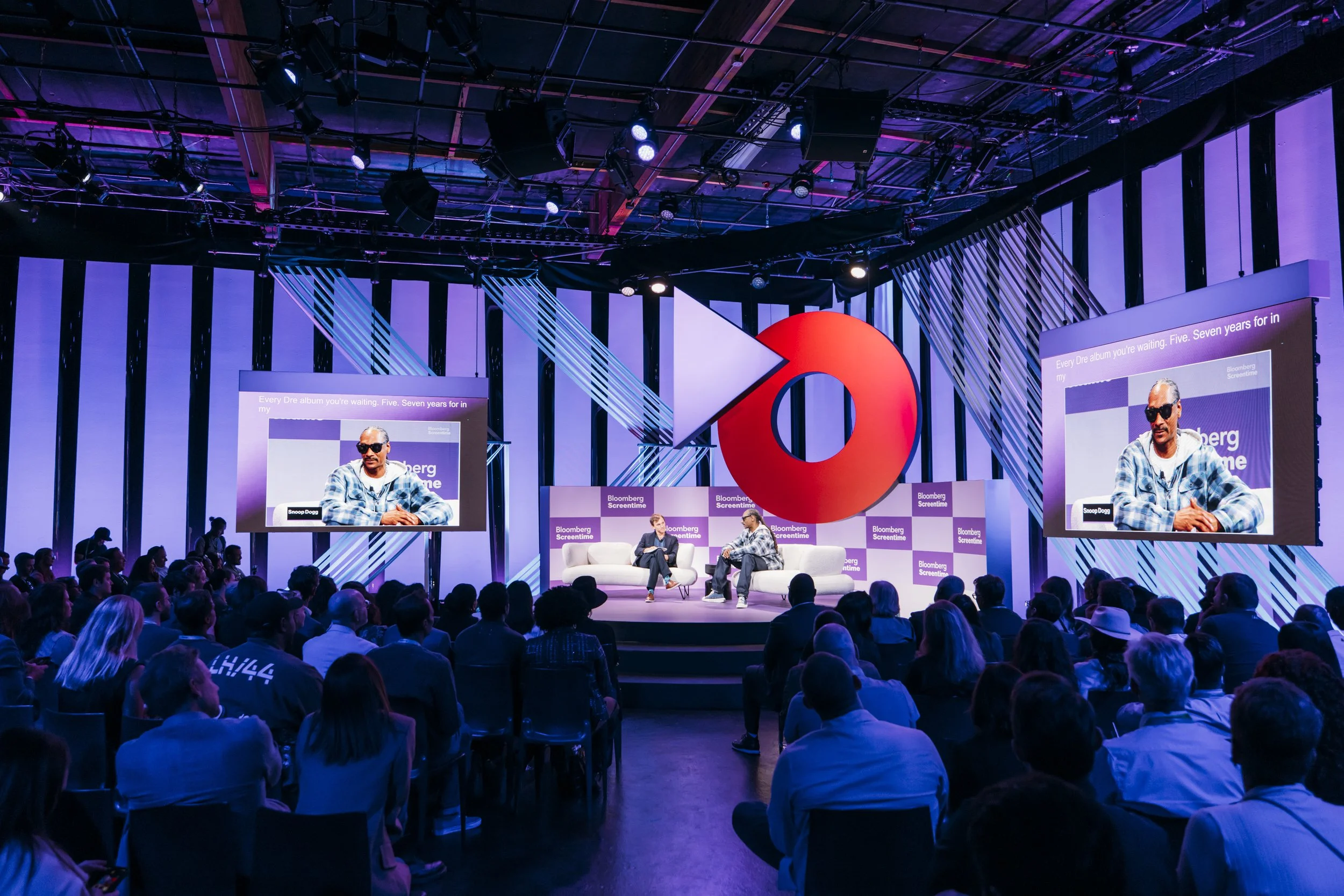
The best experiential marketing agencies specialize in transforming brand concepts into immersive, physical and hybrid experiences that drive measurable audience engagement. Top agencies in this space include George P. Johnson (GPJ), Momentum Worldwide, Jack Morton Worldwide, GMR Marketing, Sparks, Agency EA, and MKG. These agency leaders excel across event production, spatial design, sponsorship activation, and experiential technology integration.
The Strategic Role of Experiential Marketing Agencies
Experiential marketing—often referred to as engagement marketing or brand experience—has shifted from a tactical event execution tool to a core component of enterprise marketing strategy. Unlike traditional push advertising, experiential marketing creates direct, two-way interactions between brands and consumers. These touchpoints leverage physical environments, interactive technology, live events, and sensory design to cultivate deeper brand affinity and accelerate buyer journeys.
Leading brands partner with specialized experiential agencies to navigate the complex logistics of spatial design, local permitting, event technology, talent management, and real-time audience analytics. A qualified agency bridges creative storytelling with operational precision, ensuring that a brand activation generates immediate real-world engagement while yielding high-value digital content for omnichannel distribution.
- EXPERIENTIAL CAMPAIGN ECOSYSTEM
- Physical Activation & Digital Integration & Amplification
- Physical Activation (Spatial Design, Live Engagement)
- Digital Integration & Amplification (AR/VR, Livestreaming, Social Media Content)
- MEASUREMENT & ANALYTICS
- (Foot Traffic, Dwell Time, Lead Capture, Brand Lift, ROI)
- Physical Activation & Digital Integration & Amplification
Whether launching a consumer pop-up in a major metropolitan area or executing a global B2B flagship conference, selecting the right experiential partner requires evaluating spatial capabilities, technological expertise, and proven ROI frameworks.
Core Criteria for Evaluating Experiential Agencies
When evaluating agency partners, enterprise brand leaders and procurement teams assess operational scale, creative capabilities, and strategic alignment against four critical dimensions:
- Production and Spatial Engineering: The in-house capability to design, fabricate, and assemble physical environments, ranging from custom trade show booths to temporary architectural structures.
- Technology Integration: Expertise in embedding emerging technology—such as augmented reality (AR), virtual reality (VR), RFID/NFC tracking, motion sensors, and generative AI—into physical environments without friction.
- Scalability and Global Reach: The ability to execute multi-city tours, global product rollouts, or localized pop-ups simultaneously while maintaining brand consistency.
- Data Capture and Measurement Frameworks: Robust methodologies for measuring foot traffic, dwell time, sentiment analysis, lead conversion, and earned media value (EMV).
Detailed Reviews of the 7 Best Experiential Marketing Agencies
1. George P. Johnson (GPJ) – Best for Large-Scale Enterprise Events & Global Strategy
Founded in 1914 and operating as part of the Project Worldwide network, George P. Johnson (GPJ) is one of the largest and most established brand experience agencies globally. GPJ specializes in large-scale B2B user conferences, enterprise trade show exhibits, and multi-country experiential campaigns.
- Core Strengths: World-class spatial production, massive operational infrastructure, global logistics management, and deep integration with enterprise technology clients.
- Key Services: Event architecture, digital-physical event strategy, live production, audience acquisition, and event analytics.
- Notable Clients: Salesforce (Dreamforce), IBM, Cisco, Google, Honda.
- Ideal For: Fortune 500 corporations requiring end-to-end management of flagship global summits, multi-tier trade show programs, and complex spatial builds.
GPJ excels at turning high-stakes corporate messaging into structured, interactive environments. Their proprietary event technology tools allow brands to track attendee journeys across large venue footprints, converting physical interactions into actionable CRM data.
2. Momentum Worldwide – Best for Integrated Sponsorships & Tech-Driven Activations
Operating within the Interpublic Group (IPG) network, Momentum Worldwide is an industry pioneer in "phygital" marketing—blending physical consumer experiences with immersive digital technology. The agency focuses heavily on brand activations, shopper marketing, and major sports/entertainment sponsorship leverage.
- Core Strengths: Award-winning creative technology, immersive consumer experiences, sports sponsorship activations, and global reach.
- Key Services: Brand activations, sponsorship strategy, AR/VR experience design, retail experiential marketing, and content strategy.
- Notable Clients: American Express, Coca-Cola, Verizon, Nike, SAP.
- Ideal For: Consumer brands looking to maximize high-profile sponsorship properties (e.g., music festivals, professional sports leagues) through tech-enabled physical experiences.
Momentum’s signature strength lies in creating shareable, culturally relevant moments that extend beyond the physical footprint into social and digital channels, ensuring high social amplification and earned media value.
3. Jack Morton Worldwide – Best for Global Live Experiences & Brand Launch Strategy
Another premier agency within the IPG network, Jack Morton Worldwide brings over eight decades of experience in brand strategy, live event production, and consumer engagements. Jack Morton focuses on creating meaningful human connections between brands and their audiences, covering both B2C activations and internal employee engagement events.
- Core Strengths: Narrative-driven event production, global operational scale, public brand launches, and broadcast-quality media production.
- Key Services: Live events, pop-up activations, employee engagement experience, trade show design, and broadcast production.
- Notable Clients: General Motors, Subway, Procter & Gamble, Meta.
- Ideal For: Global brands initiating large-scale product rollouts or organizational transformations that require unified internal and external messaging.
Jack Morton is particularly recognized for high-concept creative direction paired with rigorous risk-management frameworks, making them a preferred agency for complex broadcast events and global product reveals.
4. GMR Marketing – Best for Sports, Entertainment, & Field Marketing Execution
As part of the Omnicom Group, GMR Marketing pioneered sports marketing experiential strategies in 1979. Today, GMR remains a market leader in executing massive field operations, sports activations, and pop-up festival experiences that require extensive staffing and local coordination.
- Core Strengths: Unmatched sports and entertainment network, high-volume field staffing logistics, consumer sampling programs, and fan engagement design.
- Key Services: Sponsorship activation, field marketing, sports property leverage, consumer sampling, and experiential strategy.
- Notable Clients: Visa, Nissan, Procter & Gamble, Comcast, Humana.
- Ideal For: Brands seeking deep integration with major international sporting events (e.g., Olympic Games, FIFA World Cup) or multi-market field marketing tours.
GMR’s operational engine excels at managing large teams of brand ambassadors and field personnel across hundreds of locations simultaneously, ensuring consistent execution and data gathering at every touchpoint.
5. Sparks (A Freeman Company) – Best for Spatial Design, Trade Shows, & Retail Environments
Following its acquisition by event industry leader Freeman, Sparks operates as a dominant force in trade show exhibit design, retail environments, and corporate event production. Sparks specializes in spatial engineering, combining architecture, technology, and interior design into high-impact physical builds.
- Core Strengths: State-of-the-art fabrication facilities, architectural spatial design, trade show exhibit production, and complex hardware-software integration.
- Key Services: Spatial design, custom fabrication, trade show management, corporate event execution, and retail experience design.
- Notable Clients: Google, Salesforce, Anheuser-Busch, Pfizer.
- Ideal For: Enterprise tech and consumer goods brands that demand bespoke physical builds, high-end fabrication, and custom trade show environments.
Sparks brings deep expertise in converting complex corporate identity systems into physical space, delivering functional, durable, and visual environments that support both individual interactions and high-throughput foot traffic.
6. Agency EA – Best for High-Touch Corporate Summits & Hybrid Experiences
Based in Chicago, Agency EA is a highly regarded independent brand experience agency. Known for agility and high-touch executive service, Agency EA focuses on corporate summits, B2B user conferences, and custom consumer activations.
- Core Strengths: Nimble creative iteration, high-touch client service, executive experience management, and seamless hybrid event design.
- Key Services: Event strategy, creative direction, corporate conference management, hybrid event production, and experiential design.
- Notable Clients: Intuit, Hilton, Google, Samsung, LinkedIn.
- Ideal For: Mid-market to enterprise companies seeking a flexible, highly collaborative partner for flagship internal or customer-facing conferences.
Agency EA places a strong emphasis on audience curation and personalization, ensuring that every attendee interaction aligns directly with business development and client retention goals.
7. MKG – Best for Creative Consumer Pop-Ups & Social-First Brand Activations
With offices in New York and Los Angeles, MKG is an independent creative agency specializing in design-forward experiential marketing. MKG focuses on high-impact, visual, and culturally attuned pop-ups, press launches, and consumer activations designed primarily for high social shareability.
- Core Strengths: Trend-setting visual design, culturally resonant storytelling, highly aesthetic pop-up architecture, and PR-driven experiential concepts.
- Key Services: Pop-up experiences, consumer product launches, press events, photo-worthy spatial design, and experiential strategy.
- Notable Clients: Target, Netflix, Delta Air Lines, Google, Spotify.
- Ideal For: Lifestyle, retail, media, and consumer goods brands seeking viral, aesthetically striking pop-up environments that generate earned media coverage.
MKG approaches experiential design through a consumer-first lens, prioritizing interactive design elements that invite social sharing, digital user-generated content (UGC), and earned press coverage.
Experiential Marketing Agencies Comparison Matrix
| Agency Name | Network / Independent | Key Specialization | Primary Target Audience | Core Strength |
|---|---|---|---|---|
| George P. Johnson | Project Worldwide | Enterprise Conferences & Global Events | B2B & Enterprise Brands | Massive Scale & Global Logistics |
| Momentum Worldwide | Interpublic Group (IPG) | Sponsorship Activation & Phygital Tech | Consumer & Retail Brands | Tech Integration & Sports Marketing |
| Jack Morton Worldwide | Interpublic Group (IPG) | Live Events & Brand Product Reveals | B2B & B2C Enterprise | Narrative-Driven Production & Scale |
| GMR Marketing | Omnicom Group | Sports Marketing & Field Operations | B2C Consumer Brands | Multi-City Tours & Staffing Logistics |
| Sparks | Freeman | Spatial Design & Trade Show Builds | Tech, B2B, & Consumer | Custom Architectural Fabrication |
| Agency EA | Independent | Corporate Summits & User Conferences | Enterprise & Tech | High-Touch Strategy & Flexibility |
| MKG | Independent | Consumer Pop-Ups & Press Activations | Lifestyle, Retail, & Media | Trend-Setting Design & Social Amplification |
Core Capabilities to Look For in an Experiential Partner
Selecting an experiential marketing agency requires evaluating technical execution alongside creative vision. Top-tier agencies typically manage several interwoven operational disciplines:
- FULL-SERVICE AGENCY CAPABILITY STACK
- Strategic Planning & Concept Development
- Spatial Architecture & Engineering Fabrication
- Technology Infrastructure (RFID, AR/VR, Interactive Displays)
- On-Site Operations, Permitting, & Safety Management
- Post-Event Data Analytics & Attribution Modeling
1. Spatial Design and Custom Fabrication
An effective agency must translate two-dimensional brand guidelines into physical spaces. This involves structural engineering, lighting design, environmental graphics, and compliance with local building codes, accessibility standards, and safety regulations. Agencies with in-house fabrication facilities—such as Sparks or GPJ—offer tighter quality control and reduced sub-contracting markup costs.
2. Interactive and Immersive Technology
Modern experiential campaigns frequently incorporate touch-free interactive displays, real-time projection mapping, RFID/NFC attendee tracking, and spatial audio systems. Agencies must have dedicated creative technologists who build software solutions that integrate directly with enterprise marketing automation platforms (e.g., Salesforce, HubSpot).
3. Permitting, Logistics, and Field Operations
Physical activations in high-foot-traffic areas (such as public plazas, sports venues, or retail centers) involve complex permitting processes, insurance requirements, and site logistics. The right agency manages site acquisition, municipal permits, structural safety certifications, union labor protocols, and crowd control measures seamlessly.
How to Structure an Experiential Marketing RFP and Agency Selection
A well-executed Request for Proposal (RFP) ensures that candidate agencies receive clear parameters while providing room for strategic creativity.
- RFP EVALUATION PROCESS STAGES
- Stage 1: Scope Definition & Budget Parameter Setting
- Stage 2: Initial Agency RFP Issuance & Q&A Period
- Stage 3: Creative Pitch & Logistics Strategy Review
- Stage 4: Financial Audit, Rate Card, & Safety Verification
- Stage 5: Final Contracting & Onboarding
Essential RFP Components
- Clear Business Objectives: Define whether the primary goal is lead generation, brand awareness, direct product trials, press coverage, or customer retention.
- Budget Parameters: State budget constraints upfront. Experiential budgets must cover design, fabrication, venue rental, permits, technology, staffing, insurance, and contingency funds.
- Target Audience Profile: Provide demographic, psychographic, and behavioral data regarding the target attendee.
- Measurement Expectations: Outline the Key Performance Indicators (KPIs) expected, such as unique interactions, dwell time, social impressions, or direct conversion rates.
Red Flags to Avoid During Selection
- Opaque Costing Structures: Be cautious of agencies that bundle production costs into vague line items without transparent rate cards or clear third-party vendor markups.
- Lack of Contingency Planning: Experiential activations are vulnerable to weather, hardware failures, site access issues, and crowd overruns. Agencies must demonstrate clear risk mitigation protocols.
- Siloed Digital Strategy: If an agency treats the physical activation separately from digital and social channels, the campaign risks losing its broader amplification potential.
Frequently Asked Questions
What is experiential marketing?
Experiential marketing is a strategic approach where brands create immersive, interactive experiences—such as pop-up shops, live events, augmented reality installations, or multi-city tours—that allow consumers to directly interact with a brand, product, or service in a physical or hybrid environment.
How do experiential marketing agencies measure ROI?
Agencies measure ROI using a combination of quantitative and qualitative metrics. Common quantitative indicators include foot traffic counts, RFID/NFC badge scans, dwell time, leads captured, on-site product sales, and direct conversions. Qualitative and digital indicators include social media sentiment, user-generated content volume, press impressions, and post-event survey scores.
What is the typical budget range for an experiential marketing activation?
Experiential campaign costs vary widely based on scale, location, duration, and structural complexity. A localized pop-up or single-city activation typically ranges from $50,000 to $250,000. Comprehensive multi-city tours, major festival activations, or global user conferences executed by top-tier agencies often require budgets ranging from $500,000 to several million dollars.
What is the difference between event management and experiential marketing?
Event management focuses primarily on the operational and logistical aspects of running an event—such as venue booking, catering, registration, and scheduling. Experiential marketing encompasses full strategic positioning, spatial design, audience engagement mechanics, brand integration, and post-event marketing integration designed to drive specific brand or revenue outcomes.
How far in advance should a brand hire an experiential marketing agency?
For major enterprise conferences or complex multi-city tours, brands should engage an agency 6 to 12 months prior to the target execution date. For smaller pop-ups or seasonal consumer activations, a lead time of 3 to 6 months is typically sufficient to secure permits, complete spatial design, and handle custom fabrication.
Strategic Recommendations for Launching an Experiential Campaign
To maximize return on investment when executing an experiential marketing initiative, take the following direct actions:
- Audit Internal Marketing Integration: Ensure that your internal digital, social media, and PR teams are aligned with the experiential agency prior to launch. Design physical touchpoints specifically to generate shareable digital content.
- Define Primary KPIs Early: Establish whether foot traffic volume, lead quality, press pickup, or direct product trials are the primary benchmark of success. Require bidding agencies to present dedicated attribution models for those specific metrics.
- Request Full Line-Item Transparency: During the RFP process, mandate that candidate agencies provide transparent pricing, including fabrication materials, labor costs, permit fees, talent management, and agency markups.
- Prioritize Modular Spatial Design: If planning a multi-event program, request modular trade show or pop-up structures that can be easily reconfigured for varying venue footprints, reducing future fabrication and transport expenses.