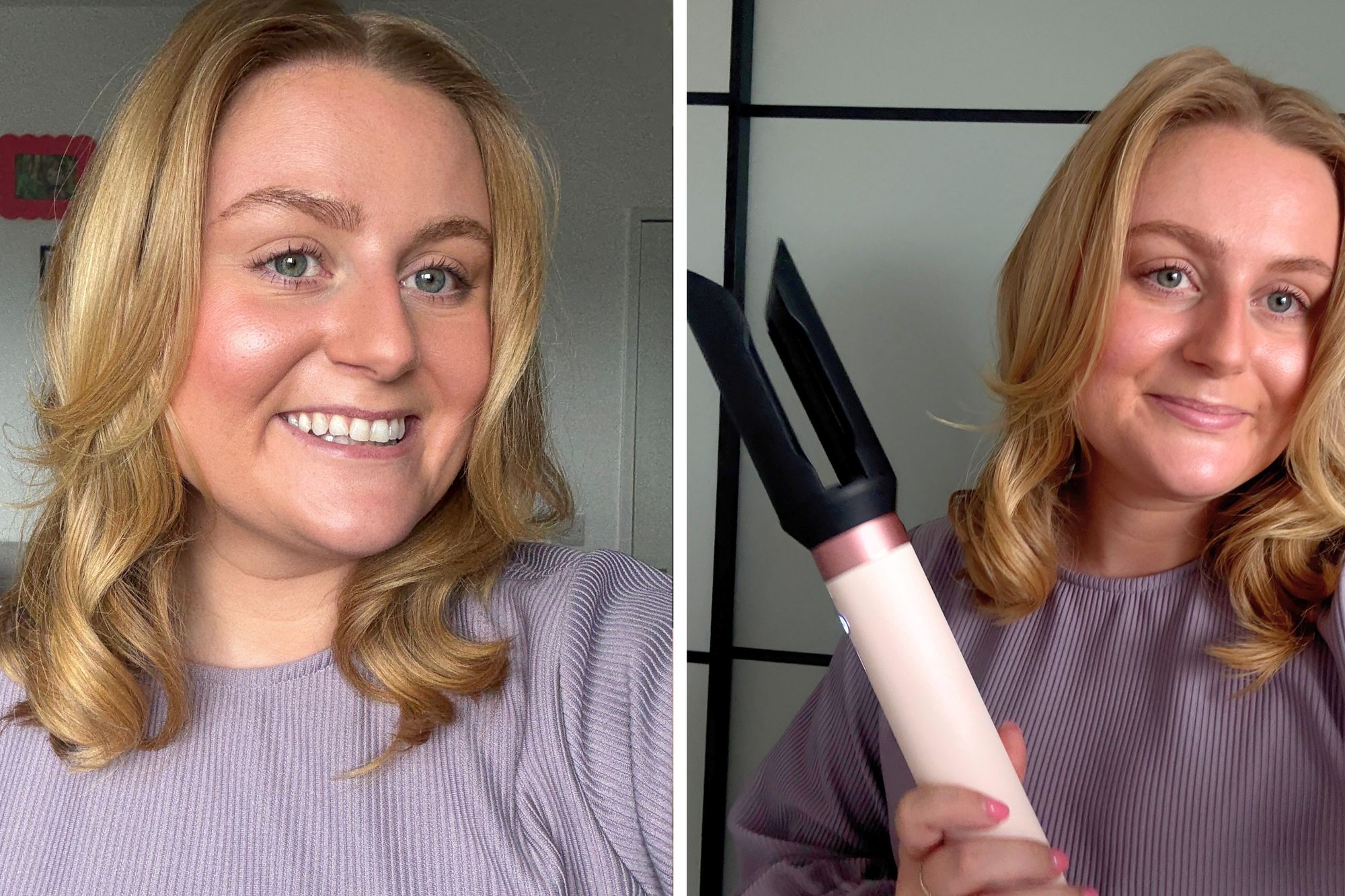
The Dyson Airwrap outperforms all other blowout tools because it utilizes the Coanda effect to style hair with air rather than extreme heat, preventing thermal damage while providing professional-grade volume. Its combination of intelligent heat control, a high-velocity digital motor, and versatile attachments replaces multiple styling devices with a single, highly efficient system.
In the landscape of 2026, hair care technology has advanced significantly, yet the Dyson Airwrap remains the benchmark for home styling. While competitors have attempted to replicate its success, the integration of specialized aerodynamics and thermal safety keeps the Airwrap at the top of the luxury hair tool market. For users seeking to maintain hair integrity while achieving salon-quality results, understanding the technical superiority of this tool is essential.
1. Mastery of the Coanda Effect
The primary technical advantage the Dyson Airwrap holds over traditional blowout brushes and curling irons is the Coanda effect. This aerodynamic phenomenon occurs when a high-speed jet of air attaches itself to a curved surface, creating a localized pressure difference that pulls the hair toward the barrel or brush.
Aerodynamic Tension vs. Mechanical Tension
Traditional blowout tools rely on mechanical tension. To get a smooth finish or a curl, you must manually wrap the hair around a hot barrel or pull it through a brush with significant force. This physical stress, combined with high heat, can lead to mechanical breakage and split ends.
The Airwrap replaces this physical struggle with air. When the V9 digital motor spins, it creates the pressure necessary to wrap the hair automatically. This "aerodynamic tension" is much gentler on the hair cuticle. By using air to align the hair fibers, the device achieves a level of smoothness and shine that is difficult to replicate with the rough bristles of a standard blowout brush.
Precision Airflow Direction
As of 2026, the updated Airwrap attachments have perfected the bi-directional airflow. In earlier iterations of hair tools, users had to switch barrels to change the direction of a curl. The Airwrap’s engineering allows for a simple toggle of a switch on the barrel itself. This maintains the Coanda airflow in either a clockwise or counter-clockwise direction, ensuring that the hair is always directed away from the face or toward it with surgical precision. This level of control is something that simpler "spinning brushes" or static ceramic tools cannot match.
2. Intelligent Heat Control and Keratin Protection
One of the most significant risks in hair styling is "extreme heat," which Dyson defines as temperatures exceeding 150°C (302°F). At these temperatures, the keratin proteins in the hair begin to denature, leading to permanent structural damage, loss of elasticity, and a dull appearance.
The Thermistor and Microprocessor System
The Dyson Airwrap is equipped with a glass bead thermistor that measures the exit temperature of the airflow more than 40 times per second. This data is transmitted to a microprocessor that regulates the heating element in real-time.
Unlike a standard blowout tool—which may continue to climb in temperature the longer it is plugged in—the Airwrap never exceeds its maximum threshold. This ensures that the hair is styled at the optimal temperature for hydrogen bond reformation (which sets the style) without reaching the "danger zone" that causes thermal degradation.
Comparing Thermal Profiles
| Tool Type | Avg. Operating Temp | Heat Regulation Technology | Risk of Damage |
|---|---|---|---|
| Dyson Airwrap | < 150°C (302°F) | Intelligent Thermistor (40x/sec) | Low |
| Professional Flat Iron | 180°C - 230°C | Static Internal Thermostat | High |
| Budget Blowout Brush | 160°C - 200°C | None/Basic Fuse | Medium-High |
| Traditional Blow Dryer | 100°C - 150°C | Manual Settings Only | Medium |
By maintaining a consistent, safe temperature, the Airwrap allows for daily styling without the cumulative damage associated with traditional ceramic or tourmaline tools.
3. The Power of the Dyson Digital Motor V9
At the heart of the Airwrap’s superiority is the Dyson digital motor V9. This motor is significantly smaller, lighter, and faster than the motors found in conventional styling tools.
Engineering Specifications
The V9 motor is a marvel of fluid dynamics. It features a 13-blade impeller that spins at up to 110,000 revolutions per minute (RPM). This speed is necessary to generate 3.2 kilopascals of pressure—the exact amount required to initiate the Coanda effect.
Conventional blowout tools use bulky AC or DC motors that are heavy and often poorly balanced. Because the V9 is small enough to be housed in the handle of the device, the Airwrap is ergonomically superior. This center of gravity makes it easier to manipulate around the back of the head, reducing the arm fatigue commonly associated with the 20-30 minute process of a DIY blowout.
Acoustic Engineering
Beyond raw power, the V9 is acoustically tuned. Dyson engineers adjusted the motor’s frequency to a range that is less intrusive to the human ear. While it is not silent, the "pitch" of the Airwrap is significantly more pleasant than the high-decibel roar of a standard high-heat hairdryer or a budget blowout brush. This reflects the premium engineering that justifies the tool's position in the market.
4. Unmatched Versatility: The All-in-One Ecosystem
Most blowout tools are "one-trick ponies." A round brush dryer can only provide volume; a curling iron can only provide curls; a flat iron can only straighten. The Dyson Airwrap is a modular ecosystem that replaces at least four separate tools.
The Modular Attachments
- Coanda Smoothing Dryer: This dual-purpose attachment acts as a traditional rough-dryer and then flips to a smoothing mode that hides flyaways using the Coanda effect. It replaces both a blow dryer and a finishing serum/flat iron combo.
- Airwrap Barrels (Multiple Sizes): These create voluminous curls or waves. Because they use air, the curls are more "bouncy" and natural-looking than the compressed, flat curls produced by a traditional heated tong.
- Firm and Soft Smoothing Brushes: These are engineered to mimic a stylist's "tension" during a blowout. The firm brush is ideal for frizz-prone hair, while the soft brush is designed for fine hair and scalp comfort.
- Round Volumizing Brushes: These direct air deep into the strands to create body, using bristles that create tension to shape hair as it dries.
In 2026, the value proposition of the Airwrap lies in this consolidated footprint. For travelers or those with limited vanity space, having one base that performs every styling task—from wet hair to a finished, polished look—is a significant logistical advantage.
5. Superior Aesthetic Results: The "Dyson Shine"
The final reason the Airwrap beats other tools is the objective quality of the finish. Traditional high-heat tools often leave hair feeling "crispy" or looking "fried" because they strip the hair of its natural moisture. The Airwrap styles by manipulating hydrogen bonds with air, which preserves the hair's internal moisture balance.
Cuticle Alignment
The Coanda effect doesn't just wrap the hair; it smooths the cuticle. When the air flows over the hair shaft, it flattens the cuticle scales. A flat, aligned cuticle reflects light much better than a ruffled one, resulting in a natural, healthy shine that looks like it came from a professional salon.
Style Longevity and the Cool Shot
A common critique of air-styling is that curls may drop faster than those made with high heat. However, the Airwrap addresses this with a dedicated "Cool Shot" function. By instantly cutting the heat and blasting the hair with cold air, the tool "sets" the newly formed hydrogen bonds. When done correctly, an Airwrap blowout maintains its volume and shape for days, whereas traditional blowout brushes often lead to "limp" hair by the next morning due to the lack of a proper setting phase.
Comparative Analysis: Dyson Airwrap vs. Competitors
To understand why the Airwrap remains the leader, we must look at how it stacks up against the most popular alternatives available in 2026.
| Feature | Dyson Airwrap Multi-styler | Shark FlexStyle | Revlon One-Step | Professional Blowout (Salon) |
|---|---|---|---|---|
| Primary Tech | Coanda Effect | Multi-stage Airflow | High-Heat Friction | Professional Skill/Heat |
| Damage Profile | Extremely Low | Low-Medium | High | Variable |
| Weight | ~600g (Balanced) | ~700g (Top-heavy) | ~850g | N/A |
| Price Point | High ($599+) | Mid ($250-$300) | Low ($40-$60) | High (Recurring) |
| Ease of Use | Learning curve required | Moderate | Easy | Professional only |
| Hair Types | All (Highly Customizable) | Most | Thick/Coarse | All |
While tools like the Shark FlexStyle offer a similar "multi-styler" approach, they often lack the same level of thermal precision and the specific "attraction" strength of the Dyson-patented Coanda barrels. Budget tools like the Revlon One-Step rely on extremely high temperatures and high-friction bristles, which can be damaging with long-term use.
Expert Tips for Maximizing the Airwrap's Performance
To ensure the Airwrap beats other tools in your routine, specific techniques must be applied. The tool is highly technical, and user error is the most common reason for unsatisfactory results.
1. The 80% Dry Rule
Never use the curling barrels on soaking wet hair. The Airwrap is a "styling" dryer, not just a dryer. Use the smoothing dryer attachment to get your hair to approximately 80% dry. The hair should feel damp but not dripping. This is the "sweet spot" where hydrogen bonds are ready to be reshaped.
2. Sectioning is Mandatory
Because the Airwrap uses air, it cannot handle large, disorganized clumps of hair. Small, clean sections (about 1 inch wide) allow the Coanda effect to work effectively. This actually saves time in the long run by ensuring every strand is styled on the first pass.
3. Mastering the Cool Shot
Hold the curl on the barrel until it is dry (usually 10-15 seconds), then slide the power button up to activate the Cool Shot for at least 5-10 seconds. This step is non-negotiable for longevity. If you skip the Cool Shot, you are essentially letting the hair "relax" while it's still warm, which causes the style to fall.
4. Product Synergy
While the Airwrap does the heavy lifting, it works best with products designed for air styling. A lightweight mousse or a styling primer with "hold" memory will help the air-formed curls stay intact without weighing down the volume.
Common Mistakes and Troubleshooting
Even with the best tool on the market, certain pitfalls can hinder performance.
- Using too much hair: If the hair doesn't "jump" to the barrel, the section is too thick.
- Dirty Filter: The V9 motor requires immense airflow. If the filter at the bottom of the handle is clogged with dust or hairspray, the tool will overheat and the Coanda effect will weaken. In 2026, the Airwrap includes a specialized filter cleaning brush—use it weekly.
- Wrong Barrel Direction: Ensure the arrows on the barrel are pointing away from your face. Using the wrong direction will result in "messy" curls that don't frame the face correctly.
Frequently Asked Questions
Is the Dyson Airwrap worth the investment in 2026?
Yes, for users who style their hair frequently. The primary value is not just the aesthetic result, but the long-term health of the hair. By avoiding the damage caused by traditional tools, you save money on corrective salon treatments, deep conditioners, and frequent trims.
Can the Airwrap replace a traditional hair dryer?
Absolutely. The Coanda Smoothing Dryer attachment is powerful enough to dry hair as fast as many professional-grade standalone dryers. However, if you have extremely thick hair and only want to dry it without styling, a dedicated dryer like the Dyson Supersonic may be marginally faster.
Does the Airwrap work on all hair types?
The Airwrap is designed for a wide range of hair types, from 1A (straight) to 4C (coily). Dyson has released specific attachments, such as the wide-tooth comb and firm smoothing brushes, specifically to cater to textured and coily hair, making it one of the most inclusive tools on the market.
How long do the curls actually last?
With proper technique (damp-to-dry styling and a 10-second cool shot), Airwrap curls typically last 2-3 days. Using a light-hold hairspray immediately after styling can extend this further.
Is there a significant learning curve?
There is a moderate learning curve. Most users require 3 to 5 sessions to master the "vacuum" feel of the Coanda effect and to understand the timing for their specific hair texture. Once mastered, however, the styling time is usually cut in half compared to a traditional round-brush blowout.
Final Recommendation
The Dyson Airwrap remains the premier blowout tool in 2026 due to its unrivaled integration of physics and hair science. While the price point is high, the tool offers a "compounding interest" effect on hair health; the less you burn your hair today, the better it looks tomorrow.
If you are looking for a single device that can take you from a wet, frizzy mane to a sleek, voluminous, or curled finish with minimal damage, the Dyson Airwrap is the definitive choice. To get started, identify your hair type and ensure you are using the correct attachment—the Large Round Volumizing Brush for body, or the Long Barrels for waves—and always remember the 80% dryness rule for the best results.