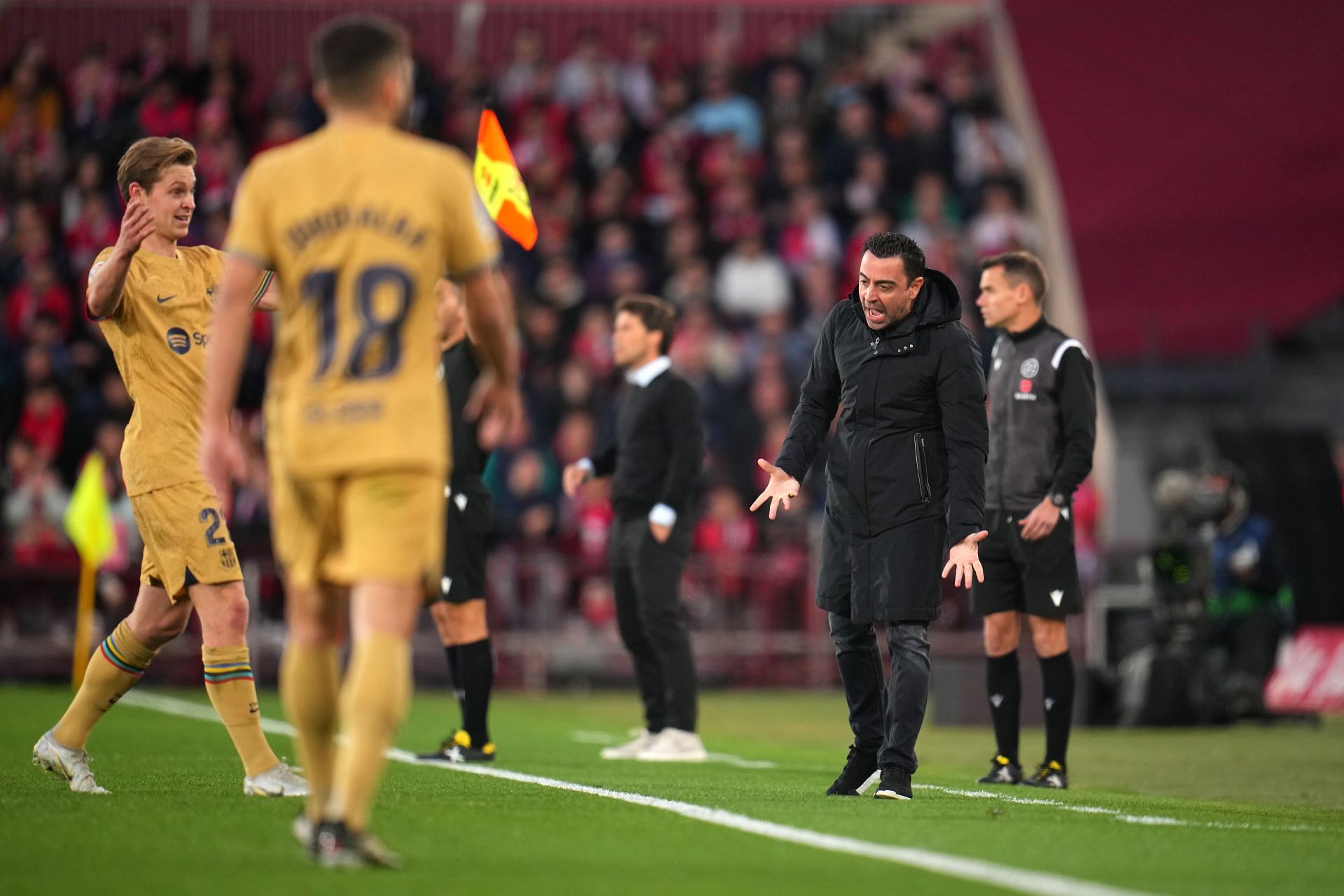
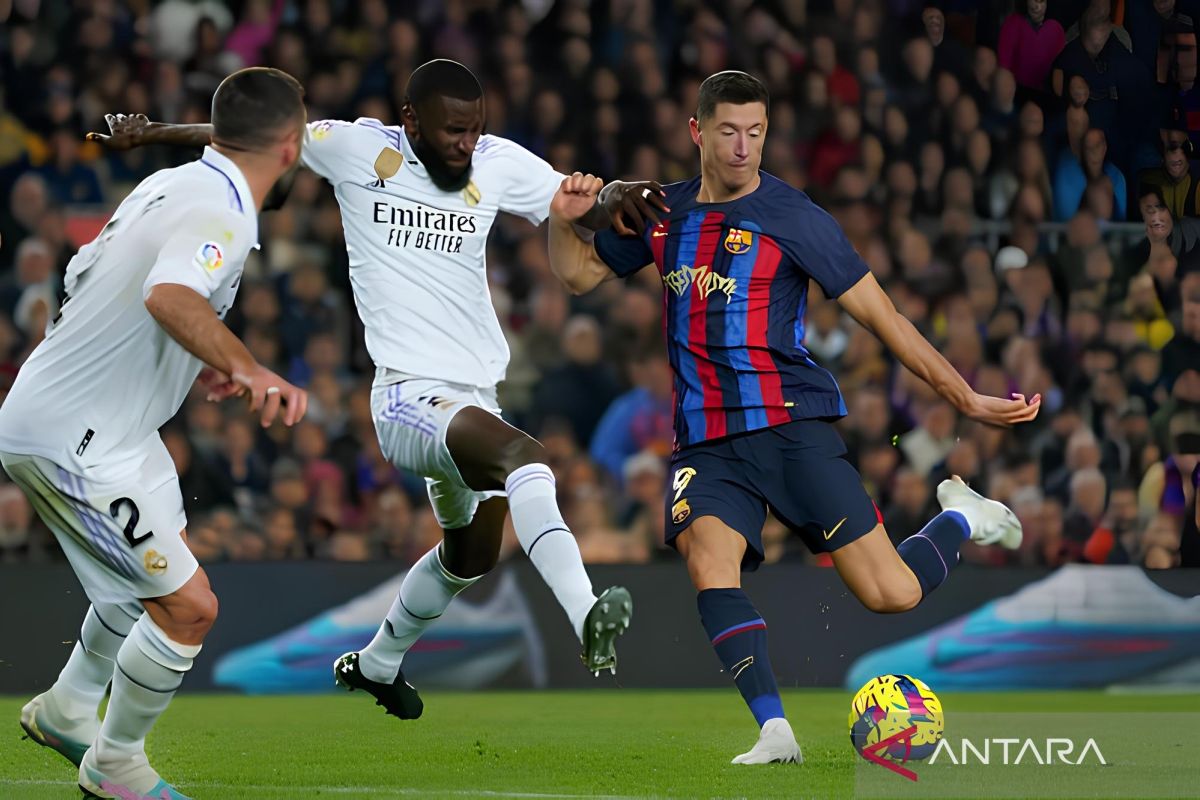
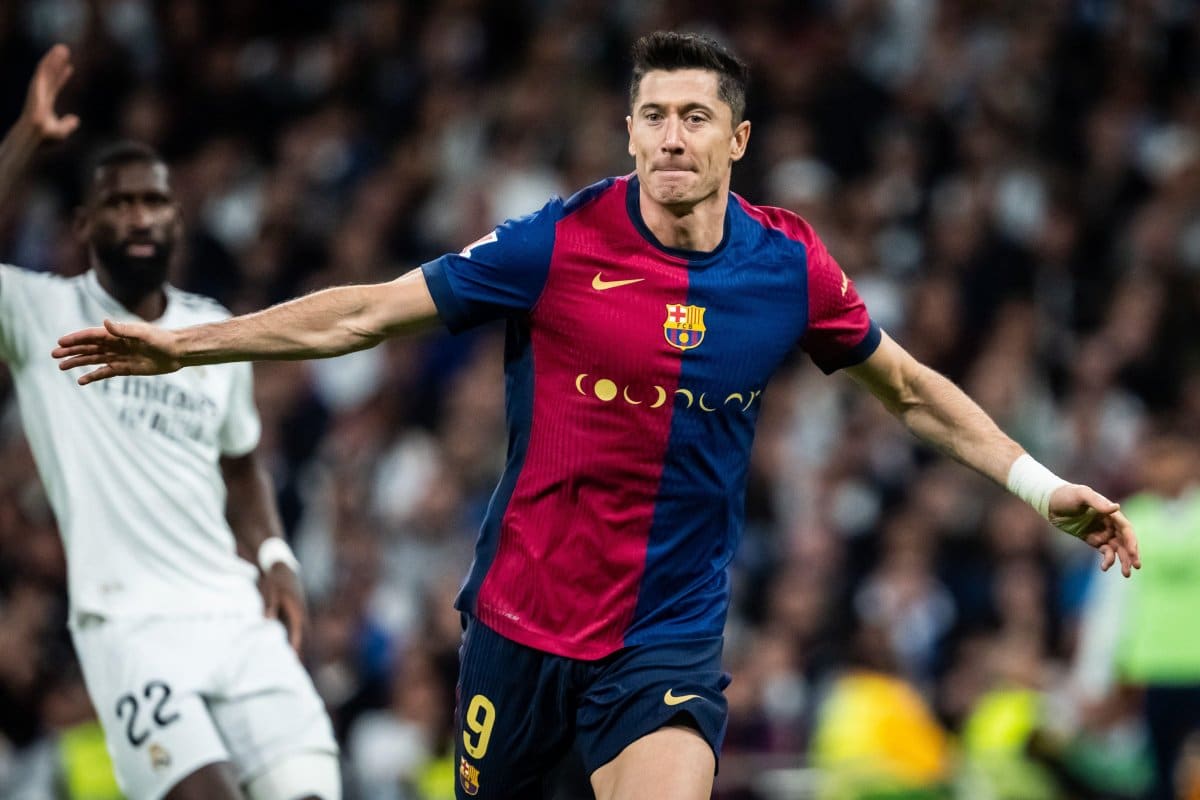
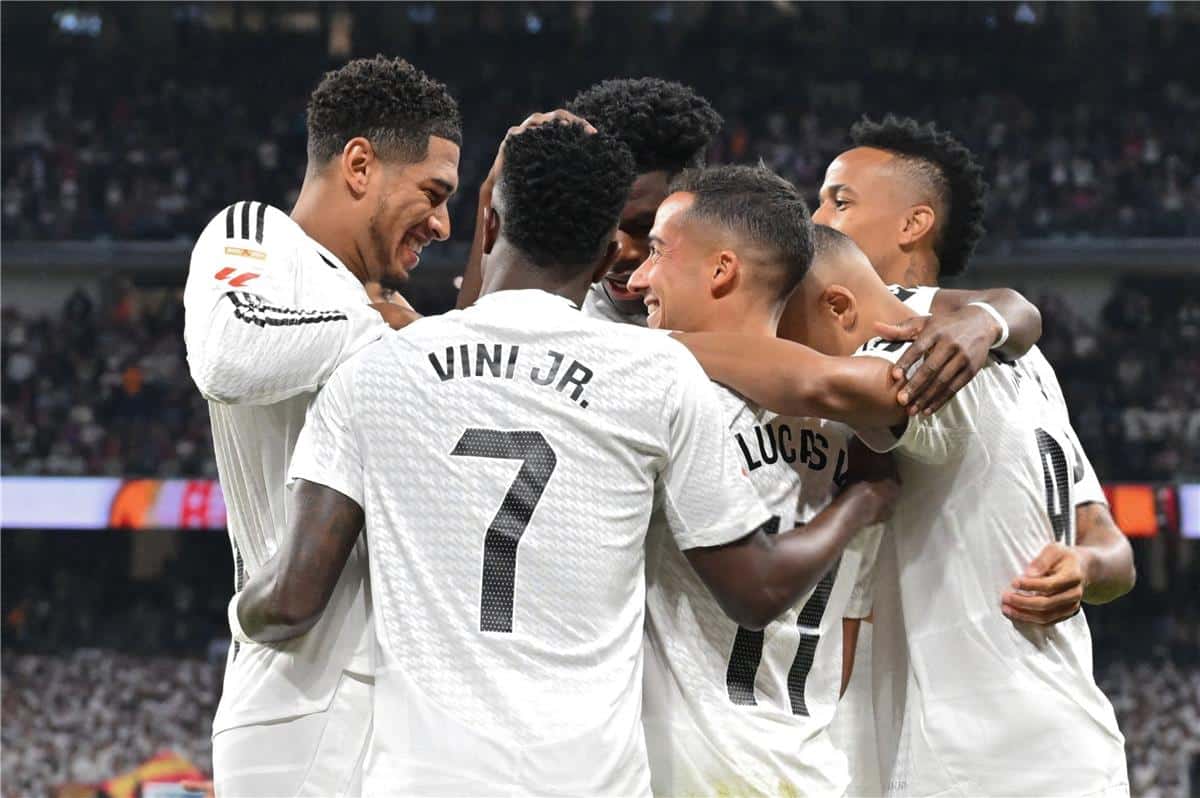
The most iconic 5-0 blowout in El Clásico history occurred on November 29, 2010, when Pep Guardiola’s FC Barcelona defeated José Mourinho’s Real Madrid at the Camp Nou. This match is widely regarded as the pinnacle of the "Tiki-taka" era, showcasing a tactical masterclass that redefined modern football.
El Clásico, the storied rivalry between FC Barcelona and Real Madrid, has produced many high-scoring affairs, but the "5-0" scoreline holds a quasi-mystical status in Spanish football. Often referred to as "La Manita" (the little hand), representing the five fingers, this specific margin of victory symbolizes total and utter dominance. While there have been several 5-0 results throughout the decades—most notably in 1994 and 1995—the 2010 encounter remains the most culturally and tactically significant version of this blowout.
The Context of the 2010 Masterpiece
To understand why the 2010 blowout was so significant, one must look at the state of world football at the time. As we look back from 2026, the 2010-2011 season is often cited as the moment when the tactical evolution of the game reached a fever pitch.
Real Madrid had recently hired José Mourinho, the "Special One," specifically to break the dominance of Pep Guardiola’s Barcelona. Mourinho had just won the Treble with Inter Milan, famously knocking Barcelona out of the Champions League earlier that year. Real Madrid arrived at the Camp Nou as league leaders, unbeaten in all competitions and boasting a star-studded lineup that included Cristiano Ronaldo, Mesut Özil, and Angel Di Maria.
Barcelona, on the other hand, was the standard-bearer for possession-based football. With a midfield core of Xavi Hernández, Andrés Iniesta, and Sergio Busquets—all of whom had recently won the 2010 World Cup with Spain—complemented by the genius of Lionel Messi, the stage was set for a clash of diametrically opposed philosophies.
A Minute-by-Minute Deconstruction of the 5-0
The match was not just a win; it was a systematic dismantling of a world-class opponent. From the opening whistle, Barcelona’s pressing and passing rhythm left Real Madrid chasing shadows.
The Early Breakthrough
The scoring opened in the 10th minute. A deflected pass from Andrés Iniesta found Xavi Hernández, who controlled the ball with a deft touch that looped over Iker Casillas and into the net. This goal set the tone: Barcelona was playing with a level of precision that Real Madrid simply could not match.
Just eight minutes later, Pedro Rodríguez doubled the lead. A sprawling cross-field move involved nearly every Barcelona player before David Villa beat Sergio Ramos on the wing and fired a low cross. Casillas could only parry it into the path of Pedro, who tapped it in. By the 20-minute mark, the tactical superiority was already evident.
The David Villa Show
The second half saw David Villa cement his place in Clásico lore. In a span of just three minutes (55th and 58th), Villa scored twice. Both goals were clinical finishes facilitated by defense-splitting passes from Lionel Messi, who operated in a "False 9" role that completely confused Real Madrid’s center-backs, Ricardo Carvalho and Pepe.
The Final Blow and "La Manita"
The fifth goal came in the 91st minute from substitute Jeffrén Suárez. As the ball hit the back of the net, Gerard Piqué famously held up five fingers to the crowd—the "Manita"—a gesture that became an instant symbol of the rivalry. The match ended in chaos, with Sergio Ramos receiving a red card for a violent kick on Messi and a subsequent shove on Carles Puyol, illustrating the sheer frustration of the Madrid side.
Tactical Analysis: Why the Blowout Occurred
The 5-0 was not an accident of luck or individual brilliance alone; it was a victory of a superior system. Analysis of the match highlights three primary tactical reasons for the blowout:
- The False 9 Positioning: Lionel Messi did not play as a traditional striker. By dropping into the midfield, he created a 4-vs-3 or 5-vs-3 advantage in the center of the pitch. Real Madrid’s central defenders were forced to choose between following Messi into the midfield (leaving space behind them) or letting him roam free. They chose the latter, and Messi punished them with assists.
- The High Press: Whenever Barcelona lost the ball, they recovered it within seconds. Real Madrid’s creative outlets, particularly Mesut Özil, were never given time to turn and find Cristiano Ronaldo. This neutralized Madrid’s counter-attacking threat.
- Triangular Passing: Barcelona utilized "Rondos" on a massive scale. By creating constant triangles around the ball carrier, they ensured that no matter how hard Madrid pressed, there was always an open passing lane.
Comparison of Historic 5-0 Clásico Results
While 2010 is the modern benchmark, the 5-0 scoreline has appeared in other eras, each carrying its own historical weight.
| Date | Venue | Winner | Notable Scorers | Significance |
|---|---|---|---|---|
| Jan 8, 1994 | Camp Nou | Barcelona | Romário (3), Koeman, Iván Iglesias | The peak of Johan Cruyff’s "Dream Team." |
| Jan 7, 1995 | Bernabéu | Real Madrid | Zamorano (3), Amavisca, Luis Enrique | Real Madrid’s "revenge" match exactly one year later. |
| Nov 29, 2010 | Camp Nou | Barcelona | Villa (2), Xavi, Pedro, Jeffrén | The ultimate expression of Guardiola’s Tiki-taka. |
The 1994 "Dream Team" 5-0
Seventeen years before Guardiola’s masterpiece, his mentor, Johan Cruyff, led Barcelona to a 5-0 win. This match is remembered for Romário’s legendary "cola de vaca" (cow's tail) move, where he dragged the ball 180 degrees to leave defender Rafael Alkorta stranded. This victory signaled the arrival of Barcelona as a global superpower in the modern era.
The 1995 Real Madrid Revenge
In a rare feat of historical symmetry, Real Madrid returned the favor just one year later. Managed by Jorge Valdano, Madrid dismantled Barcelona 5-0 at the Santiago Bernabéu. Iván Zamorano scored a hat-trick in the first half. Interestingly, Luis Enrique—who would later become a legendary Barcelona manager—scored for Real Madrid in this match.
The Cultural Impact of the "Blowout"
In the context of the Barcelona-Madrid rivalry, a 5-0 win is considered more humiliating than a 6-1 or a 4-0. The number five represents a "full hand" and has become a marketing and taunting tool. Following the 2010 win, Barcelona fans across the globe adopted the "Manita" gesture.
From a technical perspective, the 2010 match changed how coaches approached the game. It forced a shift toward more compact defensive units and eventually led to the "Gegenpressing" movement as a counter to possession-heavy systems. It also solidified the Messi-Ronaldo rivalry, even though Ronaldo was largely anonymous during the match due to the lack of service.
Common Misconceptions About the 5-0 Blowout
Despite the fame of the 2010 match, several misconceptions persist among fans:
- "Messi scored a hat-trick": Surprisingly, Lionel Messi did not score a single goal in the 2010 5-0 win. He was, however, the architect of the victory, providing two sublime assists for David Villa and controlling the tempo of the entire game.
- "It was a lucky result": Statistics from the match show Barcelona had 67% possession and completed over 600 passes compared to Madrid’s 200. The scoreline was a fair reflection of the play.
- "Mourinho used a defensive lineup": Actually, Mourinho was criticized for being too adventurous. He played a high defensive line with a 4-2-3-1 formation, which allowed Barcelona’s speedy wingers and Messi to exploit the space behind the defenders.
Frequently Asked Questions
Who has the most 5-0 wins in El Clásico?
Historically, FC Barcelona has recorded more 5-0 victories in competitive matches than Real Madrid. The most famous instances for Barcelona were in 1935, 1945, 1974 (away at the Bernabéu with Johan Cruyff as a player), 1994, and 2010. Real Madrid’s most famous 5-0 win came in 1995.
Was the 5-0 in 2010 the biggest win in Clásico history?
No. The largest margin of victory in a competitive El Clásico was Real Madrid's 11-1 win over Barcelona in a Copa del Generalísimo (now Copa del Rey) match in 1943. However, that match is mired in political controversy and is rarely used as a benchmark for modern sporting performance. In the modern era, the 5-0 and Barcelona's 6-2 win in 2009 are considered the most significant blowouts.
Did Cristiano Ronaldo play in the 2010 5-0 match?
Yes, Cristiano Ronaldo played the full 90 minutes. It was one of the most frustrating nights of his career. He was involved in a physical altercation with Pep Guardiola on the touchline after the manager refused to hand him the ball for a throw-in, which resulted in a yellow card for the Portuguese star.
What happened to the players who scored in the 2010 5-0?
The scorers moved on to various paths. David Villa became Spain's all-time leading scorer. Xavi Hernández and Andrés Iniesta both eventually moved to leagues in Qatar and Japan before Xavi returned to manage Barcelona. Jeffrén Suárez, the scorer of the fifth goal, had a nomadic career across Europe and Asia, never quite reaching the heights of that November night.
Why is it called "La Manita"?
"La Manita" literally translates to "the little hand." In Spanish culture, holding up five fingers represents the five goals. It became a viral sensation after Gerard Piqué did it in 2010, though the term had been used in Spanish football for decades prior to describe any five-goal victory.
The Legacy of the Blowout in 2026
As of 2026, the 5-0 blowout of 2010 is still studied in coaching clinics as the "Perfect Game." It serves as a reminder of a time when a specific philosophy—Cruyffism evolved by Guardiola—reached its absolute zenith. For fans, it remains a touchstone of the rivalry, a moment where the gap between the two biggest clubs in the world felt like an unbridgeable chasm.
For those looking to understand the intensity of El Clásico, the 5-0 matches provide the best starting point. They are not just football matches; they are historical statements that define the eras in which they occurred. Whether it was the artistry of Romário in '94 or the collective genius of Xavi and Messi in '10, the 5-0 blowout remains the gold standard for dominance in the world’s most famous club fixture.