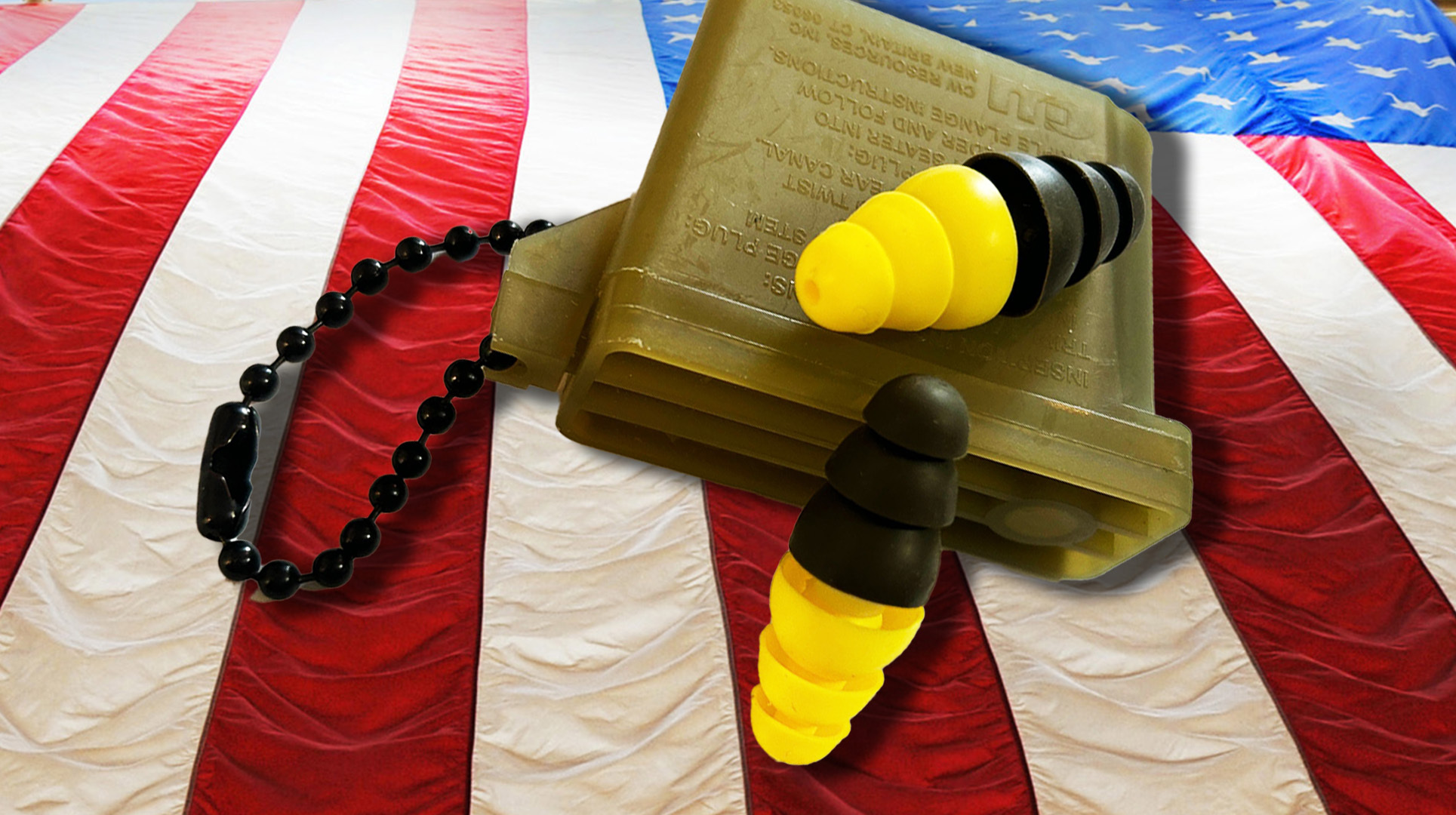
The 3M settlement earplug lawsuit concluded with a massive $6.01 billion agreement to resolve hundreds of thousands of claims alleging that defective Combat Arms earplugs caused hearing loss and tinnitus in military service members. This landmark resolution addresses one of the largest mass torts in U.S. history, establishing structured payouts, strict compliance guidelines, and a definitive path forward for affected veterans.
The Origins of the Litigation: The Combat Arms Earplugs
The vast legal battle centered on a specific piece of military equipment: the Dual-Ended Combat Arms Earplugs, Version 2 (CAEv2). Originally developed by Aearo Technologies—a company that 3M subsequently acquired in 2008—these earplugs were standard issue for members of the United States military during various deployment periods, including operations in Iraq and Afghanistan.
The earplugs were designed with a unique dual-ended functionality. One side was intended to provide total blockage of ambient sound, functioning like a traditional earplug, while the other side was designed to filter out loud impulse noises (such as gunfire and explosions) while allowing lower-level sounds, like spoken commands, to be heard. However, allegations quickly surfaced that the design featured a critical structural flaw: the stem of the earplug was allegedly too short, causing the device to fold over or imperceptibly loosen inside the ear canal. This prevented a proper seal, allowing hazardous noise levels to reach the inner ear without the user’s knowledge.
Whistleblower allegations under the False Claims Act initially brought these issues to light, asserting that 3M and Aearo Technologies knew about the design defects and the resulting lack of hearing protection during testing phases yet allegedly falsified test results to secure lucrative military supply contracts. When these allegations became public, they triggered a cascade of individual product liability lawsuits filed by veterans and active-duty service members who suffered permanent hearing damage, partial deafness, and chronic tinnitus while wearing the equipment.
Consolidation and the Multidistrict Litigation (MDL)
As the volume of individual lawsuits surged into the hundreds of thousands, the federal judiciary recognized that managing these cases separately would overwhelm the court system. To streamline pretrial proceedings, the Judicial Panel on Multidistrict Litigation centralized the litigation in April 2019 under the management of U.S. District Judge M. Casey Rodgers in the U.S. District Court for the Northern District of Florida.
This proceeding, designated as In re: 3M Combat Arms Earplug Products Liability Litigation (MDL No. 2885), grew to become the largest multidistrict litigation in modern U.S. history. At its peak, the docket swelled to over 300,000 active claims, representing roughly 30% of all pending federal civil litigation at the time.
To test the strength of the legal arguments and prepare for potential mass resolution, the court implemented a "bellwether" trial process. In these representative trials, selected plaintiffs presented their cases to juries. Over the course of the bellwether trials, juries returned several substantial verdicts in favor of individual plaintiffs, alongside a few defense verdicts. These trials provided both sides with crucial data regarding potential liability, jury sentiment, and financial exposure, ultimately creating the pressure necessary to negotiate a global settlement framework.
The Structure of the $6.01 Billion Settlement Agreement
Announced in August 2023, the comprehensive settlement agreement required 3M to pay a total of $6.01 billion to resolve the expansive litigation. Unlike a single lump-sum payout distributed equally, the financial structure was meticulously designed to span several years, balancing corporate solvency with the immediate needs of injured claimants.
The agreement required 3M to disburse the funds between 2023 and 2026. Specifically, the agreement structured the payments into cash and stock components:
- Total Financial Commitment: $6.01 billion.
- Cash Component: Approximately $5.0 billion delivered through staged cash payments.
- Stock Component: Approximately $1.01 billion in common stock transferred to a designated settlement fund.
- Payment Timeline: Distributed across scheduled installments concluding through 2026.
This structured approach ensured that 3M could manage its balance sheet while guaranteeing that a dedicated trust was fully funded to evaluate and process claims. The settlement agreement also included provisions regarding indemnification and the restructuring of Aearo Technologies, which had previously sought Chapter 11 bankruptcy protection in an effort to contain its liability—a move that federal bankruptcy courts subsequently dismissed.
Key Milestones and Agreement Terms
| Settlement Parameter | Details and Specifications |
|---|---|
| Total Settlement Value | $6.01 billion ($5.0B in cash, $1.01B in stock) |
| Payment Period | Structured installments disbursed through 2026 |
| Primary Court | U.S. District Court for the Northern District of Florida (MDL 2885) |
| Affected Parties | U.S. military service members and veterans |
| Core Injuries Addressed | Noise-induced hearing loss, auditory nerve damage, and chronic tinnitus |
The resolution required widespread participation among registered claimants. 3M instituted performance thresholds within the agreement, stipulating that if a predetermined percentage of plaintiffs failed to opt into or accept the settlement terms, the company retained the right to walk away from the deal. Ultimately, participation rates exceeded expectations, with an overwhelming majority of claimants accepting the terms, thereby allowing the settlement to become fully effective.
Eligibility, Registration, and Claims Administration
Navigating the distribution of a multi-billion-dollar fund requires a rigorous administrative process. The settlement established a specialized Claims Administrator to review individual files, verify military service records, and evaluate the severity of documented hearing injuries.
Key Eligibility Criteria
To qualify for financial compensation from the settlement fund, claimants generally needed to satisfy specific baseline requirements:
- Military Service: Verified service in the United States military (Army, Navy, Air Force, Marine Corps, or Coast Guard) during the relevant exposure periods.
- Product Exposure: Documented or presumptive issuance and use of the Dual-Ended Combat Arms Earplugs, Version 2 during training or deployment.
- Medical Diagnosis: Objective documentation of hearing loss, acoustic trauma, or persistent tinnitus diagnosed by a qualified medical professional.
The administration process categorizes claimants into various tiers based on the objective severity of their auditory damage. Audiometric test results—such as pure-tone audiograms demonstrating specific decibel loss thresholds—play a critical role in determining individual payout amounts. Claimants with more severe hearing loss, documented requirements for specialized communication devices, or debilitating, service-connected tinnitus typically qualify for higher compensation tiers within the distribution matrix.
Financial and Corporate Impact on 3M
For 3M, the $6.01 billion settlement represented a significant milestone in mitigating its legal liabilities, though the financial ramifications extended far beyond the immediate payout. The company recorded substantial pre-tax charges against its earnings to account for the settlement blocks, leading to adjustments in quarterly earnings reports and capital allocation strategies.
Beyond the earplug litigation, 3M has faced broader legal scrutiny regarding other environmental and industrial products, notably per- and polyfluoroalkyl substances (PFAS) contamination. Successfully resolving the earplug MDL removed a massive cloud of uncertainty that had hung over the corporation's market valuation for years. While the settlement did not constitute an admission of liability—with 3M consistently maintaining that the Combat Arms earplugs were safe and effective when used correctly—it effectively brought an end to active federal court battles regarding the product.
Frequently Asked Questions
What was the final settlement amount in the 3M earplug lawsuit?
The final settlement agreement reached in August 2023 totaled $6.01 billion. This amount includes approximately $5.0 billion in cash payments and $1.01 billion in common stock, structured for distribution through 2026 to resolve hundreds of thousands of individual claims.
Who is eligible to receive compensation from the settlement?
Veterans and active-duty military service members who used the Dual-Ended Combat Arms Earplugs, Version 2 during their service and subsequently suffered documented hearing loss, auditory damage, or chronic tinnitus are eligible, provided they met registration and documentation deadlines established by the claims administrator.
Do I still need a lawyer to receive my payment?
Most claimants worked with specialized mass tort law firms that filed their initial lawsuits. While the claims process is administered through a centralized settlement trust, legal counsel often assists with verifying medical records, ensuring compliance with administrative guidelines, and addressing individual distribution inquiries.
How are individual payout amounts calculated?
Payout amounts are determined using a tiered matrix based on the severity of the claimant's injury. Factors include objective audiometric test results demonstrating decibel loss, medical documentation of tinnitus, and the specific duration and context of product exposure during military service.
Did 3M admit fault as part of the $6.01 billion settlement?
No. As part of the formal settlement agreement, 3M explicitly denied liability and maintained that the Combat Arms earplugs were safe and effective. The agreement was established to resolve the litigation and avoid the ongoing costs and uncertainties of continued trials.
Practical Next Steps for Claimants
For veterans and service members who have already registered and participated in the settlement process, staying informed involves monitoring communications from your legal representation or the official claims administrator portal. Payouts are distributed according to verified injury tiers and scheduled payment phases concluding through 2026. Individuals who missed initial filing deadlines or registration windows generally cannot participate in this specific settlement fund, as the court-ordered enrollment periods have closed. Those experiencing service-related hearing issues should continue to utilize Department of Veterans Affairs (VA) health benefits, which provide comprehensive audiology services, hearing aids, and disability compensation independent of civil litigation outcomes.