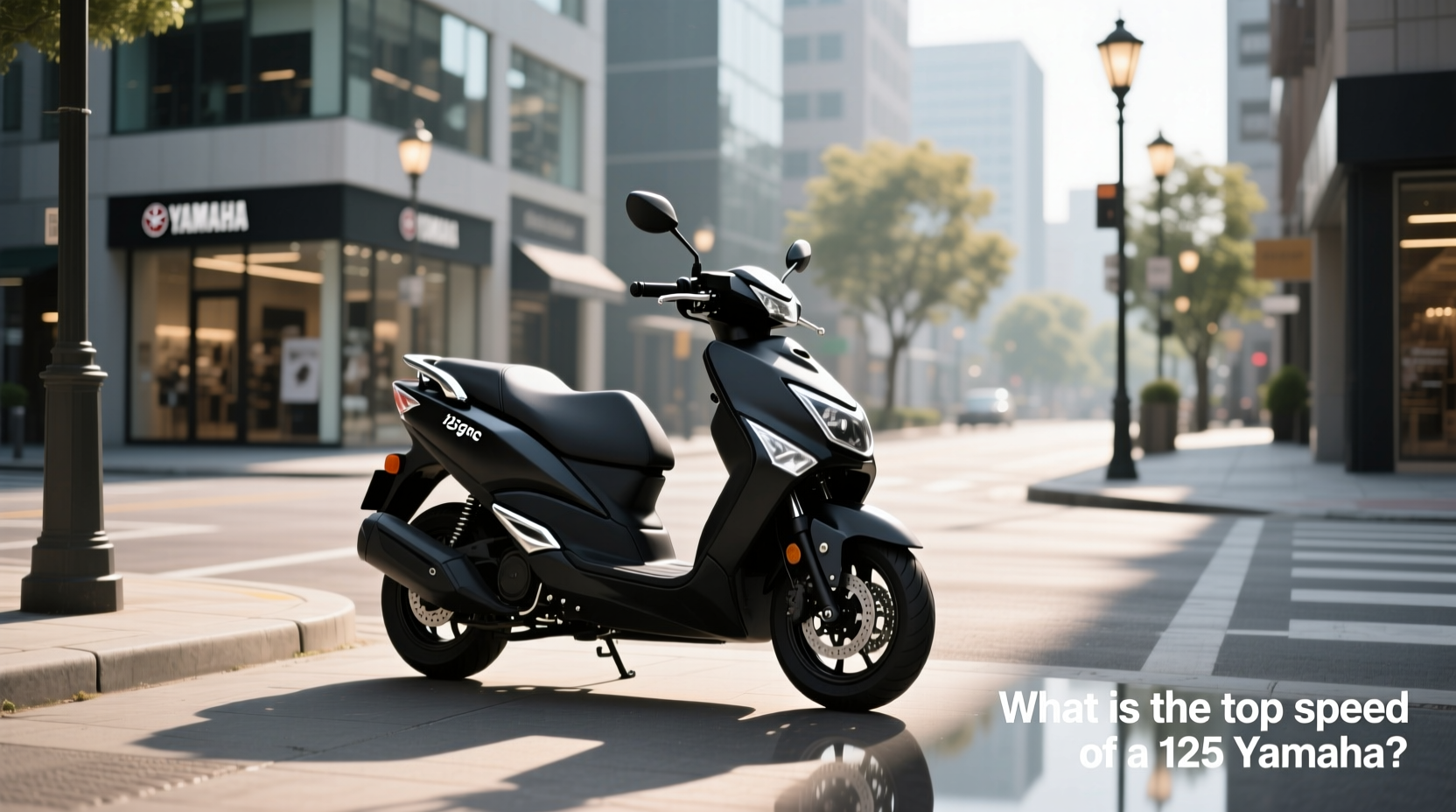
A standard moped typically has a top speed ranging from 25 to 30 miles per hour (40 to 48 kilometers per hour), primarily restricted by legal definitions, engine displacement limits, and mechanical design. While some unlocked or modified models can reach higher speeds, legal classifications in most jurisdictions cap traditional mopeds at these lower thresholds to ensure rider safety and differentiate them from motorcycles and scooters.
Exploring the top speed of a moped requires looking beyond a single speedometer reading. Mopeds occupy a unique space in personal transportation, blending bicycle heritage with motorized efficiency. To fully understand how fast these machines can travel, you must examine the engineering limitations, legal frameworks, performance-modifying factors, and safety considerations that govern them.
Defining the Moped: What Sets It Apart?
To understand moped speeds, it is necessary to clarify what a moped actually is. The term is frequently misused by the general public to describe any small, step-through two-wheeled vehicle, including modern gas-powered scooters and electric bikes. However, under strict legal and technical definitions, a true moped has distinct characteristics.
Historically, the word "moped" is a portmanteau of "motor" and "pedal." A traditional moped is equipped with a small engine—typically under 50cc (cubic centimeters)—and operational pedals that allow the rider to propel the vehicle manually. Over time, regulations evolved, and many jurisdictions dropped the requirement for functional pedals, replacing it with strict limits on engine displacement, horsepower, and maximum design speed.
Engine Displacement and Power Output
The vast majority of mopeds rely on either a 49cc (often marketed as 50cc) internal combustion engine or an electric hub motor producing limited wattage (typically under 750 to 1500 watts, depending on local laws). Because engine displacement directly correlates with power generation, a 50cc engine naturally restricts acceleration and top speed.
When engineers design these powerplants, they prioritize fuel efficiency, reliability, and low-end torque for urban stop-and-go traffic rather than high-end velocity. As a result, even if an engine is capable of revving higher, factory configurations are deliberately throttled to comply with regulatory speed caps.
Legal Speed Caps and Regulatory Frameworks
The top speed of a moped is rarely a mystery of engineering; rather, it is a deliberate design choice dictated by government transportation agencies. Lawmakers classify vehicles to determine licensing, registration, insurance, and helmet requirements.
The Standard 30 MPH Threshold
In many states across the United States, as well as in various European and Commonwealth nations, the legal definition of a moped explicitly includes a maximum design speed. For example, jurisdictions frequently define a moped as a motor-driven cycle that cannot exceed 30 miles per hour (48 km/h) on level ground.
If a vehicle can exceed that speed under its own power from the factory, it is legally reclassified as a scooter, motorcycle, or motor-driven cycle. This reclassification triggers an entirely different set of rules, requiring the operator to hold a motorcycle endorsement, register the vehicle with the department of motor vehicles, and carry mandatory liability insurance.
| Vehicle Type | Typical Engine Size | Maximum Legal Top Speed | Licensing Required |
|---|---|---|---|
| Traditional Moped | 49cc / Under 50cc | 25 – 30 mph (40 – 48 km/h) | Standard driver's license or specialized permit |
| Gas Scooter | 50cc – 150cc+ | 35 – 60+ mph (56 – 96+ km/h) | Motorcycle endorsement / Class M |
| Electric Bicycle (Class 3) | Under 750W | 28 mph (45 km/h) with pedal-assist | None (subject to local bike laws) |
| Motorcycle | 150cc to 1000cc+ | 75 – 150+ mph (120 – 240+ km/h) | Full motorcycle license |
Mechanical Factors Affecting Moped Speed
While legal limits establish a ceiling, physical and mechanical realities determine whether a specific moped can actually reach and maintain that speed. Several variables influence real-world performance.
Two-Stroke vs. Four-Stroke Engines
Traditional gas-powered mopeds utilize either a two-stroke or a four-stroke engine.
- Two-stroke engines fire on every revolution of the crankshaft, delivering a higher power-to-weight ratio and punchier acceleration. Historically, two-stroke mopeds are quicker off the line and can sometimes achieve slightly higher top speeds once modified.
- Four-stroke engines fire every alternate revolution. They are heavier, quieter, and more fuel-efficient, but they generally offer slower acceleration and a more modest top speed out of the box.
Transmission Types: Variators and Single-Speed
Older mopeds often featured single-speed or two-speed automatic clutch systems driven by chains or belts. Modern 50cc scooters and mopeds typically utilize a Continuously Variable Transmission (CVT). A CVT uses a system of pulleys and rollers that automatically adjust the gear ratio as engine RPMs rise. This ensures the engine stays in its optimal power band, but it also places a hard mechanical limit on how fast the transmission can spin the rear wheel.
Environmental and Rider Variables
Because 50cc engines produce minimal horsepower (often between 2 and 5 horsepower), external conditions heavily impact top speed:
- Rider Weight: A heavier payload requires more power to move, significantly reducing both acceleration and top speed on inclines.
- Inclines and Headwinds: A moped that comfortably cruises at 30 mph on a flat road may struggle to maintain 15 mph up a steep hill or against a strong headwind.
- Elevation: Higher altitudes reduce oxygen density, causing internal combustion engines to lose power and suffer reduced top speeds.
Electric Moped Speeds
Electric mopeds and high-powered e-bikes have transformed urban commuting. Because electric motors deliver instant torque, electric mopeds often feel quicker off the line than their gas-powered counterparts, even if their ultimate top speed remains legally restricted.
Most commercial electric mopeds are governed by controllers that limit top speed to 28 mph (48 km/h) to align with Class 3 e-bike regulations or traditional moped laws. Unlocking these controllers via software modifications or aftermarket parts can often increase top speeds to 35 or 40 mph, though doing so frequently violates local vehicle codes and voids manufacturer warranties.
Can You Make a Moped Go Faster?
Many owners look into modifying their vehicles to squeeze extra performance out of a small engine. While performance parts are widely available, modifications come with legal, mechanical, and safety trade-offs.
Common Performance Modifications
- Removing Restrictions (Restrictor Rings): Many factory mopeds feature physical washers in the exhaust pipe or electronic limiters in the CDI (Capacitor Discharge Ignition) unit designed to cap speeds at 25 mph for compliance. Removing these can restore the engine's true baseline speed of 30 to 35 mph.
- Upgrading the Exhaust: Installing an expansion chamber or a free-flowing exhaust system improves scavenging and increases high-end power.
- Big Bore Kits: Replacing the stock 49cc cylinder and piston with a larger displacement kit (e.g., 70cc) dramatically increases power output and raises top speeds, often pushing the vehicle past 40 mph.
Risks and Drawbacks of Upgrading
Modifying a moped to exceed its legal speed limit introduces serious liabilities. If a modified moped exceeds statutory speed limits, it legally becomes an unregistered, uninsured motorcycle. This can result in heavy fines, impoundment, or legal liability in the event of an accident. Furthermore, pushing a small engine beyond its designed thermal and mechanical limits drastically increases wear and tear, leading to premature engine failure, overheating, and compromised braking performance.
Safety Considerations at Moped Speeds
Traveling at 30 mph may seem slow compared to highway traffic, but it carries significant risk in urban environments. Because mopeds lack the structural protection of an enclosed automobile, riders are entirely vulnerable to road hazards, potholes, and collisions with larger vehicles.
- Braking Systems: Many traditional mopeds utilize drum brakes or small front disc brakes. At 30 mph, stopping distances can be longer than expected, particularly in wet weather. Upgraded speeds demand upgraded braking components.
- Visibility: Mopeds are narrow and easily overlooked by distracted drivers in SUVs and trucks. Wearing high-visibility gear, using headlights at all times, and maintaining lane positioning are critical defensive riding habits.
- Protective Gear: Even at lower speeds, asphalt rash and head trauma are severe risks. A Department of Transportation (DOT)-approved helmet, jacket, gloves, and sturdy footwear are essential regardless of whether local laws strictly mandate them.
Frequently Asked Questions
Do I need a driver's license to ride a moped?
In most jurisdictions, operating a moped requires at least a standard driver's license or a specialized motorized bicycle permit. A few regions permit riders aged 14 or 15 to operate low-speed mopeds with restricted licenses, while others require a full motorcycle endorsement if the vehicle exceeds certain displacement or speed thresholds. Always verify local Department of Motor Vehicles regulations before riding on public roads.
Can a 50cc moped go on the highway?
No. Highways and interstate freeways typically enforce minimum speed limits of 40 to 45 miles per hour, alongside strict prohibitions against non-motorcycle vehicles. Because a standard moped tops out at 25 to 30 mph, riding one on a highway is illegal, highly dangerous, and capable of creating severe traffic hazards.
Why does my moped slow down drastically when going uphill?
Mopeds feature very small engines with limited horsepower and torque. When faced with an incline, the gravitational load demands more power than the small displacement engine can generate at low revolutions, causing a noticeable drop in speed. Maintaining momentum before hitting a hill or shifting weight can help slightly, but physics ultimately limits uphill performance.
Are electric mopeds faster than gas mopeds?
Out of the box, electric and gas mopeds of similar legal classes have comparable top speeds, typically capped around 30 mph due to regulations. However, electric motors deliver maximum torque instantly, meaning electric mopeds usually accelerate faster from a dead stop than gas-powered models of equivalent power ratings.
How can I verify my moped's exact top speed?
Factory speedometers on small-displacement mopeds are notoriously inaccurate, often exaggerating speeds by 10% to 15%. To measure your true top speed safely, use a reliable GPS-enabled smartphone application mounted securely to the handlebars or a dedicated cycling GPS computer while riding on a flat, straight, open road.
Conclusion and Next Actions
Understanding that a standard moped tops out between 25 and 30 miles per hour helps set realistic expectations for urban commuting and vehicle selection. If you are planning to purchase or ride a moped, your immediate next step should be consulting your local Department of Transportation or state motor vehicle authority. Review local statutory definitions regarding engine size and speed caps to ensure you hold the correct license, register the vehicle properly, and equip yourself with certified safety gear before hitting the road.