Choosing the right life insurance policy requires evaluating financial protection, future flexibility, and estate planning value, making top-tier term life insurance a practical, budget-friendly strategy for safeguarding family financial security against unexpected loss.
Understanding Term Life Insurance Fundamentals
Navigating the landscape of personal finance and family protection often brings policyholders to a foundational crossroads: choosing between permanent coverage and term life insurance. At its core, term life insurance is designed to provide pure financial protection for a specified period—or "term"—such as 10, 20, or 30 years. Unlike whole life or universal life policies, which incorporate a cash value component and function as permanent financial vehicles, term life products focus exclusively on a death benefit. This straightforward structure ensures that if the insured passes away during the active term, the designated beneficiaries receive a tax-free payout intended to replace lost income, cover outstanding debts, and fund future expenses.
The appeal of the best term life insurance products lies in their efficiency and cost-effectiveness. Because these policies do not accumulate cash value or require complex investment management inside the contract, insurers can pass significant savings on to the consumer. Consequently, individuals can secure substantially higher coverage amounts—often measured in millions of dollars—for a fraction of the monthly or annual premium associated with permanent alternatives. This makes term coverage particularly attractive during peak financial responsibility years, such as when raising young children, paying off a mortgage, or establishing a growing business.
Evaluating what constitutes the "best" policy involves examining more than just a low initial monthly quote. Underwriters evaluate applicants based on age, health history, lifestyle factors, and occupation, which directly influence premium rates. Furthermore, top-tier policies distinguish themselves through contractual flexibility, such as guaranteed renewability and conversion privileges. These features allow policyholders to adapt as their life circumstances change, bridging the gap between temporary high-need years and long-term financial stability. Understanding these foundational elements establishes why strategic consumers view term life insurance not merely as an expense, but as a calculated financial safety net.
Reason 1: Exceptional Affordability and High Coverage-to-Cost Efficiency
The primary driver behind the popularity of term life insurance is its unmatched financial efficiency. For individuals and families operating on disciplined household budgets, balancing retirement savings, daily living expenses, and emergency funds leaves little room for inflated insurance premiums. Traditional permanent life insurance policies demand higher payments because a portion of every dollar goes toward building cash value and covering the long-term administrative costs of maintaining a policy for a lifetime. Term life eliminates this overhead, allowing policyholders to purchase maximum financial protection precisely when their dependents need it most.
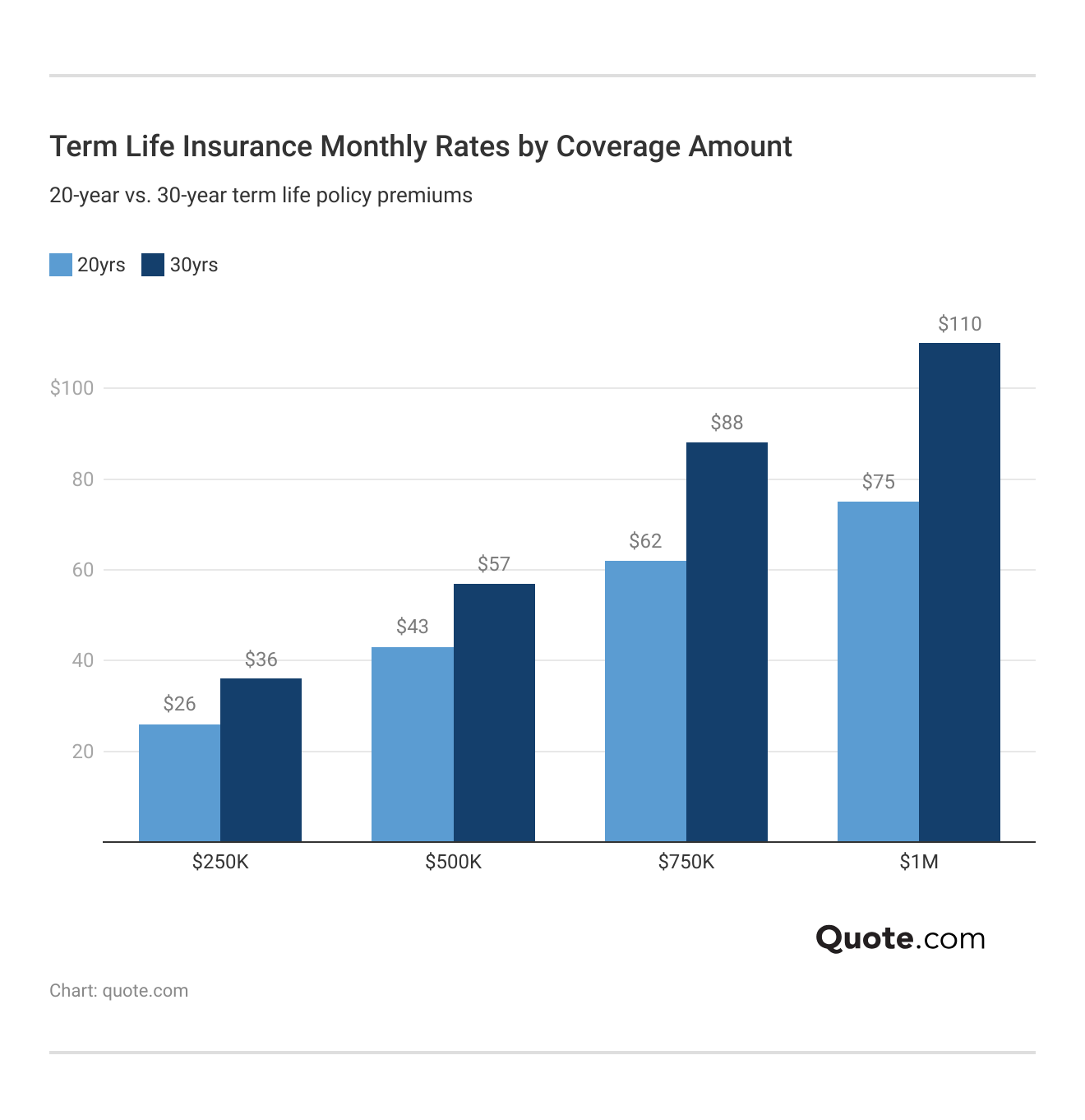
To put this into perspective, a healthy 30-year-old applicant can often secure a 20-year term policy with a $500,000 death benefit for a modest monthly payment—frequently less than the cost of a standard utility bill. Trying to secure an equivalent $500,000 death benefit through a whole life policy would multiply that monthly obligation significantly. This stark contrast in cost empowers young families, single-income households, and emerging professionals to secure adequate financial protection without compromising their short-term liquidity or retirement contributions.
| Policy Type | Typical Cost Efficiency | Cash Value Component | Primary Financial Objective | Best Suited For |
|---|---|---|---|---|
| Term Life Insurance | High (Maximum coverage per dollar) | None | Pure income replacement and debt protection | Young families, mortgage coverage, temporary liabilities |
| Whole Life Insurance | Lower (Higher premiums for equal death benefit) | Yes (Guaranteed growth) | Lifetime protection and forced savings | Estate planning, permanent dependents, cash accumulation |
| Universal Life Insurance | Moderate (Flexible premiums and adjustable cash value) | Yes (Variable growth) | Flexible permanent coverage | High-net-worth individuals, dynamic wealth management |
Beyond initial affordability, premium structures for top-tier term policies are typically level, meaning the rate remains constant throughout the entire guaranteed period. Whether the policyholder is in year two or year eighteen of a 20-year term, the monthly cost stays fixed, providing predictable budgeting. This financial predictability ensures that policyholders are not caught off guard by rising insurance costs as they age, at least until the initial term expires. By locking in a low rate early in life, individuals leverage their youth and good health to secure long-term peace of mind at an economical price point.
Reason 2: Comprehensive Protection for Major Life Milestones
Life is rarely static, and financial obligations fluctuate dramatically across different decades. The second major reason term life insurance is a smart choice is its capacity to align directly with major life milestones and temporary liabilities. Financial experts frequently advise aligning the length of a term policy with the exact duration of a specific financial commitment. This targeted approach ensures that coverage is active precisely when the risk of financial hardship is highest, and phases out naturally when those obligations cease to exist.
Consider the acquisition of a residential real estate property backed by a 30-year mortgage. If the primary wage earner passes away unexpectedly, the surviving family members may struggle to service the monthly mortgage payments, risking foreclosure and displacement. A 30-year term life insurance policy matching the timeline and balance of the mortgage acts as a direct hedge against this risk. The death benefit can be utilized immediately to pay off the remaining mortgage principal, securing stable housing for the surviving dependents.
Similarly, funding higher education for children represents a massive, time-sensitive financial goal. The college years typically span a predictable window between a child's birth and early adulthood. A term policy chosen to cover this developmental window ensures that tuition, room, and board can still be paid even if tragedy strikes. Other temporary liabilities effectively mitigated by term policies include:
- Small business loans carrying personal guarantees.
- Income replacement during peak earning years until retirement accounts are fully funded.
- Outstanding private student loans that do not automatically discharge upon the borrower's death.
- Interim financial support for dependent parents or family members with special needs.
By tailoring the policy term to match these finite obligations, policyholders avoid paying for unnecessary lifetime coverage once their children are financially independent, their mortgage is fully satisfied, and their retirement portfolios are robust enough to self-insure.
Reason 3: Built-in Flexibility Through Conversion and Renewability Options
A common misconception about term life insurance is that it is a rigid contract that simply disappears at the end of the term, leaving the insured with no options if their health has declined. However, the best term life insurance policies feature robust contractual provisions—specifically conversion privileges and guaranteed renewability—that protect the policyholder's long-term insurability. These built-in features elevate term insurance from a temporary fix to a dynamic financial planning tool.
A conversion rider allows the policyholder to convert their term policy into a permanent life insurance policy (such as whole or universal life) without undergoing a new medical exam or answering health questionnaires. This is invaluable if the insured develops a chronic illness or experiences a decline in health during the term. Without a conversion option, developing a serious health condition could make purchasing a new policy prohibitively expensive or altogether impossible. By exercising the conversion privilege, the insured locks in permanent coverage based on their original health classification from when the term policy was first issued.
Furthermore, guaranteed renewability ensures that even if the initial term expires and the policyholder does not want or cannot afford permanent insurance, they retain the legal right to renew the term policy on an annual basis. While the premiums will increase significantly upon renewal due to advanced age, this option provides a safety net for individuals who require coverage slightly longer than anticipated—such as waiting for a final business venture to close or a delayed retirement date.
Evaluating the conversion window is critical when shopping for policies. Top-tier insurers allow conversion up to a certain age or through a specified number of years into the contract. Reviewing these contractual nuances ensures that the policy chosen adapts to unforeseen health developments and evolving long-term financial strategies.
Strategic Guidelines for Selecting and Maximizing Your Term Policy
Securing the maximum benefit from term life insurance requires a methodical approach to calculation, shopping, and underwriting preparation. Rather than guessing an arbitrary coverage amount, consumers should conduct a thorough financial inventory. A standard industry benchmark is the "DIEP" method or multiples of income (often 10 to 15 times annual salary), but a more precise calculation incorporates total debts, future income replacement needs, and existing liquid assets.
When calculating coverage requirements, factor in the following core variables:
- Income Replacement: Multiply your current annual salary by the number of years your dependents will rely on your income before reaching financial independence or retirement age.
- Debt Obligations: Total all outstanding consumer debt, car loans, personal loans, and the remaining mortgage balance.
- Future Educational Expenses: Estimate projected tuition costs for children based on current institutional averages and inflation trends.
- Final Expenses: Account for funeral costs, probate fees, and immediate medical bills associated with end-of-life care.
- Existing Assets: Subtract current liquid savings, retirement accounts, and existing group life insurance policies provided by employers.
Once the coverage amount and term length are established, the underwriting process dictates the final premium rate. To secure the most favorable pricing tier—such as "Preferred Plus" or "Preferred"—applicants should prepare for medical exams by maintaining stable blood pressure, avoiding nicotine products, and gathering accurate medical histories. Independent insurance brokers who can compare quotes across multiple top-rated carriers often provide a clearer path to optimal pricing than captive agents tied to a single company. For further guidance on financial preparedness and insurance regulation, resources provided by the National Association of Insurance Commissioners offer consumer-focused educational materials on life insurance purchasing.
Frequently Asked Questions
What happens when a term life insurance policy expires?
When a term life insurance policy reaches the end of its specified duration, the coverage terminates unless you take explicit action. You will no longer pay premiums, and the death benefit ceases. If you still require coverage, you can typically renew the policy annually at significantly higher rates based on your attained age, convert the policy to a permanent life insurance plan if your contract includes a conversion rider, or let the policy lapse entirely if your financial dependents are now secure.
Is term life insurance better than whole life insurance?
Neither product is universally "better"; rather, they serve entirely different financial purposes. Term life insurance is superior for maximizing immediate, budget-friendly coverage during high-liability years like raising children or paying a mortgage. Whole life insurance is better suited for lifelong estate planning, guaranteed cash value accumulation, and covering permanent dependents. Most financial planners recommend term insurance for pure income replacement due to its exceptional cost efficiency.
Can my term life insurance rates increase during the term?
No, if you purchase a level-term life insurance policy, your premium rates are legally guaranteed to remain constant for the entire duration of the term (e.g., 10, 20, or 30 years). The insurance company cannot raise your rates or cancel your coverage as long as you pay your premiums on time. Be cautious of annual renewable term policies, which do adjust rates upward every year as you age.
Do I need to undergo a medical exam to get term life insurance?
Many modern insurance carriers offer "accelerated underwriting" or non-med term life insurance for qualified healthy applicants, bypassing the traditional physical exam. However, depending on your age, requested coverage amount, and medical history, the insurer may still require a brief paramedical exam involving a blood and urine sample. Underwriting requirements vary significantly by carrier and policy size.
What is a term conversion rider and why is it important?
A term conversion rider is a contractual provision that allows you to convert your temporary term life insurance policy into a permanent life insurance policy without taking a new medical exam or proving insurability. This is vital because if you develop a serious medical condition during your term, you can still secure permanent coverage at standard rates without facing denial or sky-high premiums due to your health status.
Next Steps for Securing Your Financial Future
Evaluating your family's current financial exposure is the definitive first step toward securing peace of mind. Calculate your total financial liabilities, determine the precise duration your dependents will need income replacement, and consult with an independent insurance professional to compare quotes from top-rated carriers. Locking in a robust term life insurance policy today protects your loved ones from unforeseen tragedy while preserving your capital for long-term wealth building.