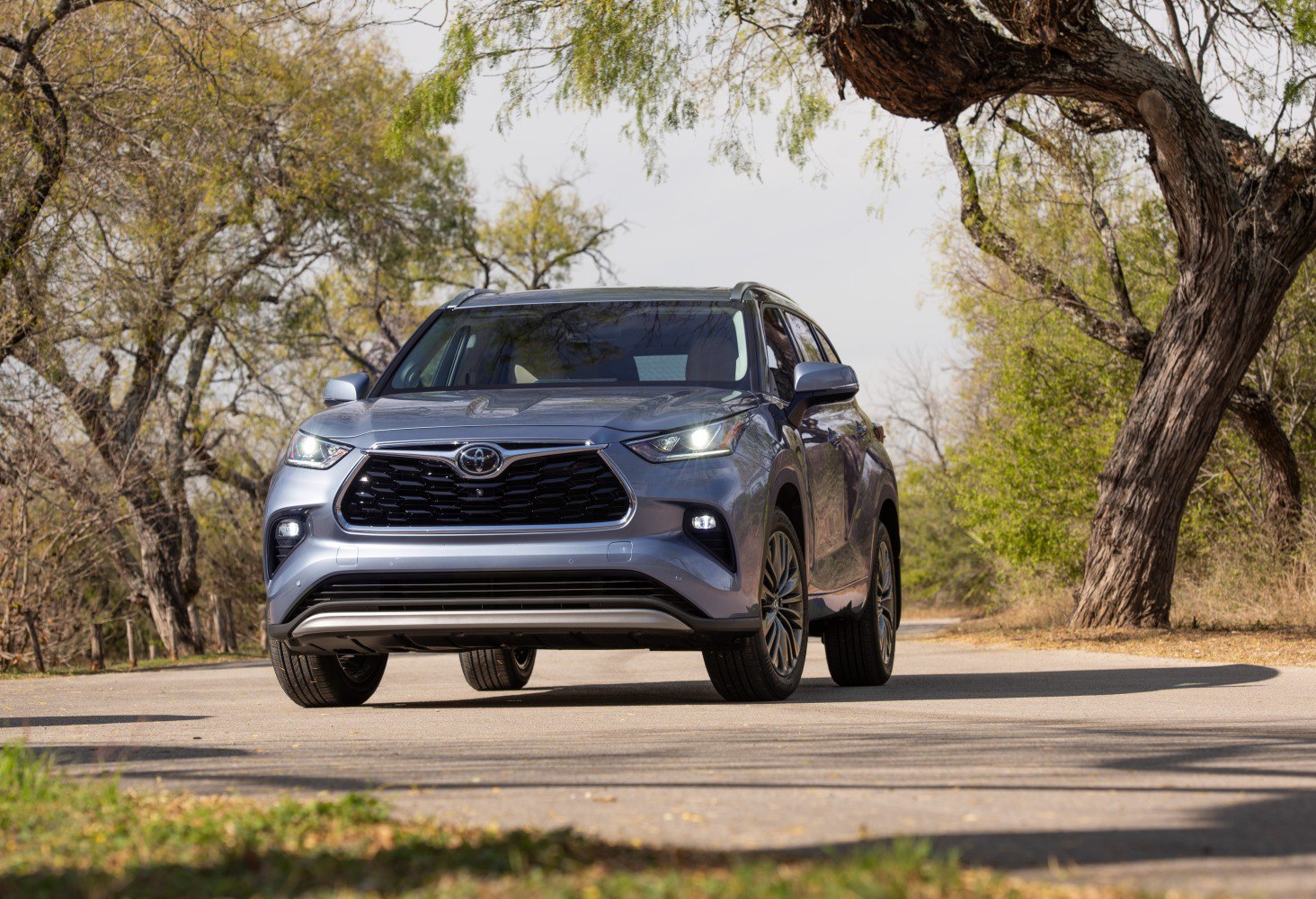
The combination of 295 horsepower (hp) and 263 lb-ft of torque is the hallmark specification of the Toyota 3.5-liter 2GR-FKS V6 engine. This naturally aspirated power plant has served as the flagship internal combustion engine for several industry-leading vehicles, most notably the fourth-generation Toyota Highlander and the fourth-generation Lexus RX 350, providing a balance of linear acceleration, 5,000-pound towing capacity, and long-term mechanical reliability.
In the automotive landscape of 2026, where smaller turbocharged four-cylinder engines and hybrid powertrains have become the industry standard, the 295 hp and 263 lb-ft V6 remains a significant benchmark for enthusiasts and used-market buyers. This specific power output represents the final evolution of the naturally aspirated V6 era for Toyota and Lexus, offering a distinct driving feel that contrasts sharply with the high-torque, low-RPM delivery of modern forced-induction replacements. Understanding these figures requires looking beyond the numbers and into the engineering, vehicle applications, and real-world utility they provide.
The Engineering Behind 295 HP and 263 LB-FT
To achieve exactly 295 hp and 263 lb-ft of torque, engineers utilized a suite of sophisticated technologies within the 3.5L V6 framework. The engine, known internally as the 2GR-FKS, is an all-aluminum 60-degree V6 that features dual overhead cams (DOHC) and four valves per cylinder.
D-4S Dual Injection System
One of the primary reasons this engine manages to produce nearly 300 horsepower while maintaining reasonable fuel efficiency is the D-4S injection system. Unlike engines that use only port injection or only direct injection, the 2GR-FKS uses both. At low to medium loads, it utilizes both injectors to optimize the air-fuel mixture and stabilize combustion. At high loads, it shifts primarily to direct injection to take advantage of the cooling effect of fuel vaporizing in the cylinder, which allows for a higher compression ratio (11.8:1) without the risk of engine knock.
VVT-iW and the Atkinson Cycle
The 295 hp output is achieved through the use of Variable Valve Timing-intelligent Wide (VVT-iW) on the intake side. This system allows the engine to switch between the traditional Otto cycle, used for maximum power delivery, and the Atkinson cycle, used for cruising efficiency. By delaying the closing of the intake valve, the engine reduces pumping losses, making the 263 lb-ft of torque feel more accessible during highway cruising while maintaining the 295 hp "top end" for merging and passing.
Primary Vehicles Featuring This Power Profile
While several engines produce similar numbers, the specific 295/263 split is most synonymous with Toyota’s mid-to-large platform vehicles. As of 2026, these vehicles are highly prized in the secondary market for their "bulletproof" reputation compared to newer, more complex turbocharged alternatives.
Toyota Highlander (2020–2022)
The fourth-generation Highlander (XU70) utilized this V6 as its standard engine until the transition to the 2.4L turbocharged unit. In the Highlander, 295 hp provided a 0–60 mph time of approximately 6.7 to 7.0 seconds. For a three-row family SUV, this level of performance was considered "class-leading" for non-premium brands, offering smooth power delivery that lacked the "rubber band" feel sometimes associated with smaller engines or CVTs.
Lexus RX 350 (2016–2022)
The Lexus RX 350, particularly the fourth generation (AL20), is perhaps the most iconic recipient of this power profile. In the Lexus application, the 295 hp and 263 lb-ft were tuned for smoothness and cabin serenity. The 263 lb-ft of torque peaks at 4,700 RPM, which means the vehicle feels substantial and calm during city driving but requires a downshift from the 8-speed automatic transmission to access the full 295 hp for aggressive maneuvers.
Toyota Sienna (2017–2020)
Before the Sienna transitioned exclusively to a hybrid powertrain, it utilized the 3.5L V6. In this application, the engine produced 296 hp and 263 lb-ft. This made the Sienna one of the most powerful minivans on the market, capable of hauling eight passengers and their luggage without feeling strained on steep mountain grades.
| Vehicle Model | Engine Type | HP @ RPM | Torque @ RPM | Towing Capacity |
|---|---|---|---|---|
| Toyota Highlander (V6) | 3.5L 2GR-FKS | 295 @ 6,600 | 263 @ 4,700 | 5,000 lbs |
| Lexus RX 350 (V6) | 3.5L 2GR-FKS | 295 @ 6,300 | 263 @ 4,700 | 3,500 lbs |
| Toyota Sienna (V6) | 3.5L 2GR-FKS | 296 @ 6,600 | 263 @ 4,700 | 3,500 lbs |
| Lexus ES 350 | 3.5L 2GR-FKS | 302 @ 6,600 | 267 @ 4,700 | N/A |
Note: While the Lexus ES 350 uses a similar engine, its tuning for a sedan profile results in slightly higher figures (302 hp / 267 lb-ft), highlighting how the 295/263 spec was specifically optimized for SUVs and heavier haulers.
Performance Analysis: HP vs. Torque in Real-World Use
When evaluating an engine with 295 hp and 263 lb-ft, it is essential to understand the relationship between these two numbers. In the context of a 3.5L V6, these figures suggest a "high-strung" naturally aspirated character.
Linear Power Delivery
Unlike turbocharged engines that provide a "surge" of torque at low RPMs (often as low as 1,500 RPM), the 263 lb-ft in this V6 doesn’t fully arrive until 4,700 RPM. This results in linear power delivery. As the driver presses the accelerator, the power builds predictably. This is often preferred by drivers who dislike the "on-off" feel of turbochargers or the lag associated with waiting for a turbo to spool.
Highway Passing and Merging
The 295 hp figure is more than enough for modern highway speeds. Since the peak horsepower is achieved at 6,600 RPM, the engine is designed to be revved. When merging into fast-moving traffic, the 8-speed automatic transmission will typically drop two or three gears to bring the engine into its "power band" (4,500–6,600 RPM), where the 295 hp can be fully utilized.
Towing Capabilities
For many owners, the 263 lb-ft of torque is the more critical number. In the Toyota Highlander, this torque figure enables a 5,000-pound towing capacity when equipped with the proper towing package (which includes heavy-duty radiators and oil coolers). While 263 lb-ft is modest compared to diesel or heavy-duty truck engines, it is perfectly adequate for towing small boats, campers, or utility trailers. The key advantage here is the heat management of a naturally aspirated engine; without a turbocharger generating immense heat under load, the 3.5L V6 is often seen as more durable for consistent towing.
The Shift to 2.4L Turbocharged Engines in 2026
As of 2026, the 295 hp V6 has largely been replaced in new vehicle lineups by the 2.4-liter turbocharged T24A-FTS engine. It is helpful to compare these two to understand why the 295/263 figures are still relevant today.
The newer 2.4L turbo typically produces around 265 hp and 310 lb-ft of torque.
- The V6 (295 hp / 263 lb-ft): Has more "top-end" power but less "grunt" at low speeds. It sounds smoother and generally has a longer predicted lifespan due to lower internal pressures.
- The Turbo-4 (265 hp / 310 lb-ft): Has more pulling power at stoplights and requires less "work" (downshifting) to move the vehicle. However, it often lacks the refined acoustic profile of the V6.
Many buyers in 2026 specifically seek out the 295 hp V6 because it avoids the potential long-term maintenance issues associated with turbochargers, such as wastegate failures or oil dilution, which can be more prevalent in small-displacement, high-boost engines.
Maintenance and Longevity of the 295 HP V6
The 2GR-FKS engine is widely regarded by mechanics as one of the most reliable modern engines. However, maintaining 295 hp and 263 lb-ft of torque over the course of 200,000 miles requires adherence to specific maintenance protocols.
- Oil Selection: These engines typically require 0W-20 synthetic oil. Because of the D-4S system and the complexity of the VVT-iW, clean oil is essential for the hydraulic actuators that control valve timing.
- Carbon Buildup Mitigation: While the dual-injection system (port and direct) significantly reduces carbon buildup on the intake valves—a common problem in direct-injection-only engines—it is still wise to use high-quality Top Tier gasoline to keep the port injectors clean.
- Spark Plug Intervals: To maintain the full 295 hp, spark plugs are usually rated for 60,000 to 100,000 miles. Given the high-revving nature of this V6, keeping the ignition system in peak condition is vital for preventing misfires under load.
- Cooling System: Since the 263 lb-ft of torque is often used for towing, the cooling system (water pump and radiator) should be inspected every 50,000 miles. The 3.5L V6 is known for occasional water pump weepage in high-mileage examples.
Frequently Asked Questions
Is 295 hp enough for a large SUV?
Yes, 295 hp is sufficient for a mid-size to large SUV like the Highlander. It provides a power-to-weight ratio that allows for confident merging and passing. While it won't feel like a high-performance sports car, it is more powerful than many entry-level luxury SUVs and provides a comfortable, effortless driving experience at highway speeds.
Does this engine require premium fuel to reach 295 hp?
In most Toyota applications, such as the Highlander, the 295 hp and 263 lb-ft are achieved using 87-octane regular unleaded fuel. However, in Lexus applications like the RX 350, the manufacturer often recommends 91-octane premium fuel. Using premium fuel in a Toyota tuned for 87-octane generally does not provide a noticeable increase in horsepower, though it may offer slightly better detergency for the fuel system.
How does the 263 lb-ft of torque affect towing?
Torque is the "twisting force" that gets a heavy load moving. With 263 lb-ft, the vehicle can comfortably pull up to 5,000 lbs. However, because the peak torque is at 4,700 RPM, the transmission will likely hold lower gears while climbing hills with a trailer. This is normal behavior for a naturally aspirated V6 and is not a sign of engine strain.
What is the 0–60 mph time for a vehicle with 295 hp and 263 lb-ft?
Depending on the vehicle's weight and whether it is Front-Wheel Drive (FWD) or All-Wheel Drive (AWD), the 0–60 mph time typically ranges between 6.7 and 7.3 seconds. This is quite brisk for the family-car segment, ensuring the vehicle doesn't feel sluggish in daily traffic.
Why did manufacturers move away from this engine if it is so reliable?
The shift away from the 3.5L V6 was primarily driven by increasingly stringent corporate average fuel economy (CAFE) standards and emissions regulations. Smaller turbocharged engines or hybrid systems can achieve better laboratory fuel economy scores and lower CO2 emissions, even if the real-world reliability and "feel" of the V6 are preferred by many consumers.
Final Recommendation
For buyers and researchers in 2026, the 295 hp and 263 lb-ft performance profile remains the "gold standard" for those prioritizing mechanical simplicity and longevity. If you are looking for a vehicle that offers a smooth, predictable driving experience and is capable of reaching high mileage with minimal drama, a 3.5L V6-powered vehicle from the 2017–2022 era is an excellent choice.
While newer turbocharged engines offer more low-end torque (300+ lb-ft), the 295 hp V6 delivers its power with a level of refinement and an exhaust note that four-cylinder engines cannot replicate. For those who tow occasionally or keep their vehicles for a decade or more, this specific power profile represents the pinnacle of Toyota's internal combustion engineering. When purchasing used, always verify the maintenance history, specifically looking for 5,000 to 7,500-mile oil change intervals to ensure the VVT-iW and D-4S systems remain in optimal condition.