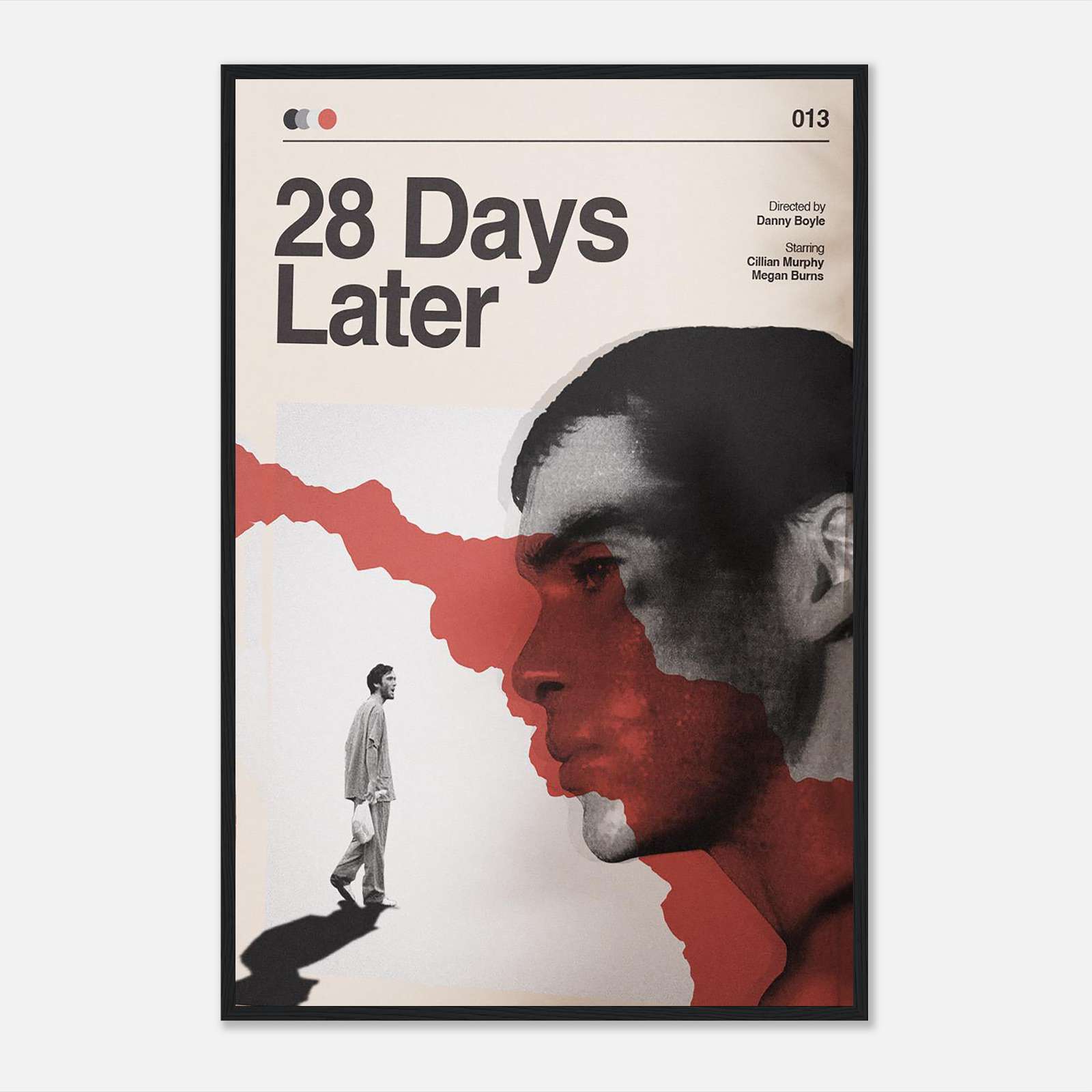
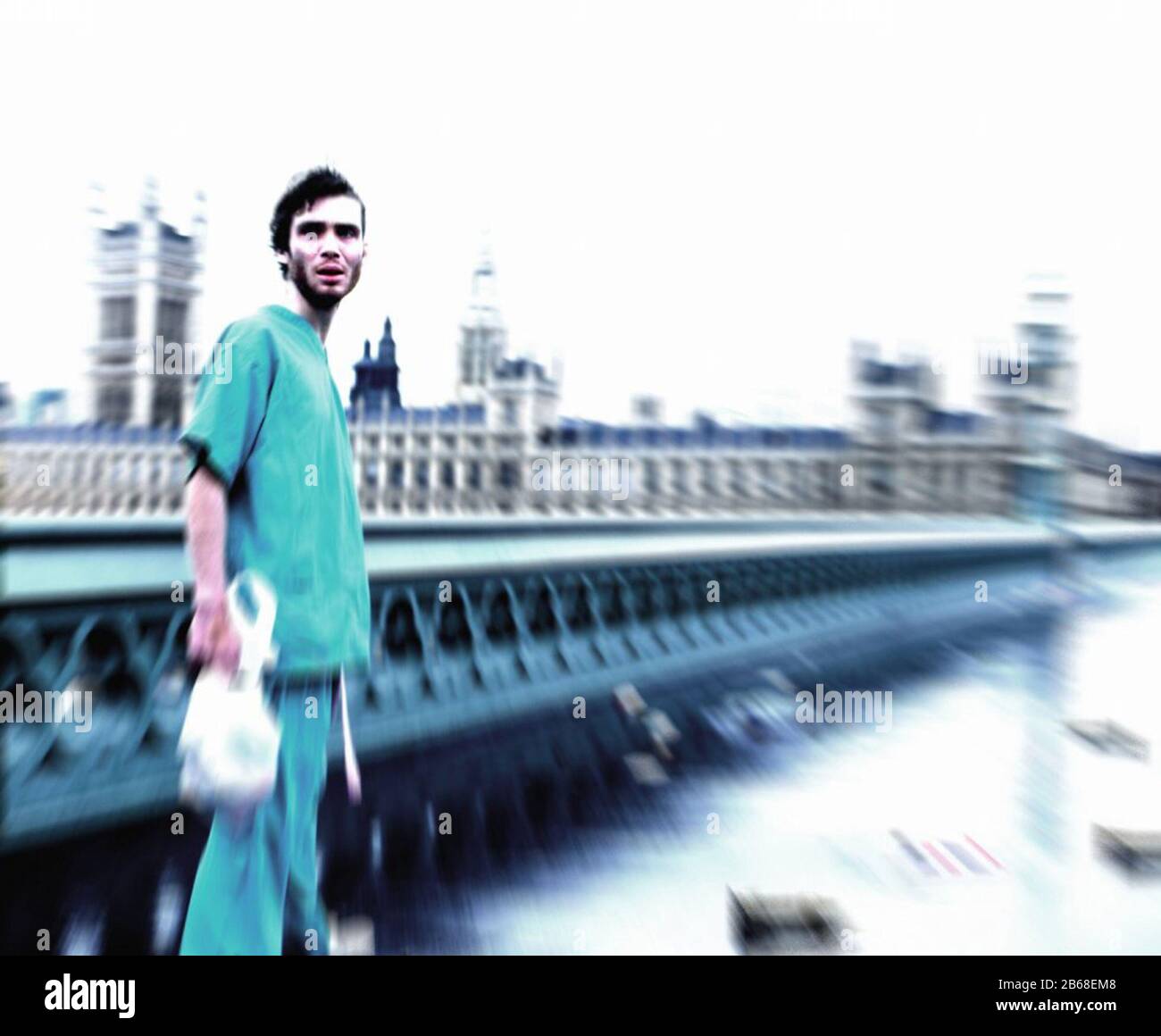
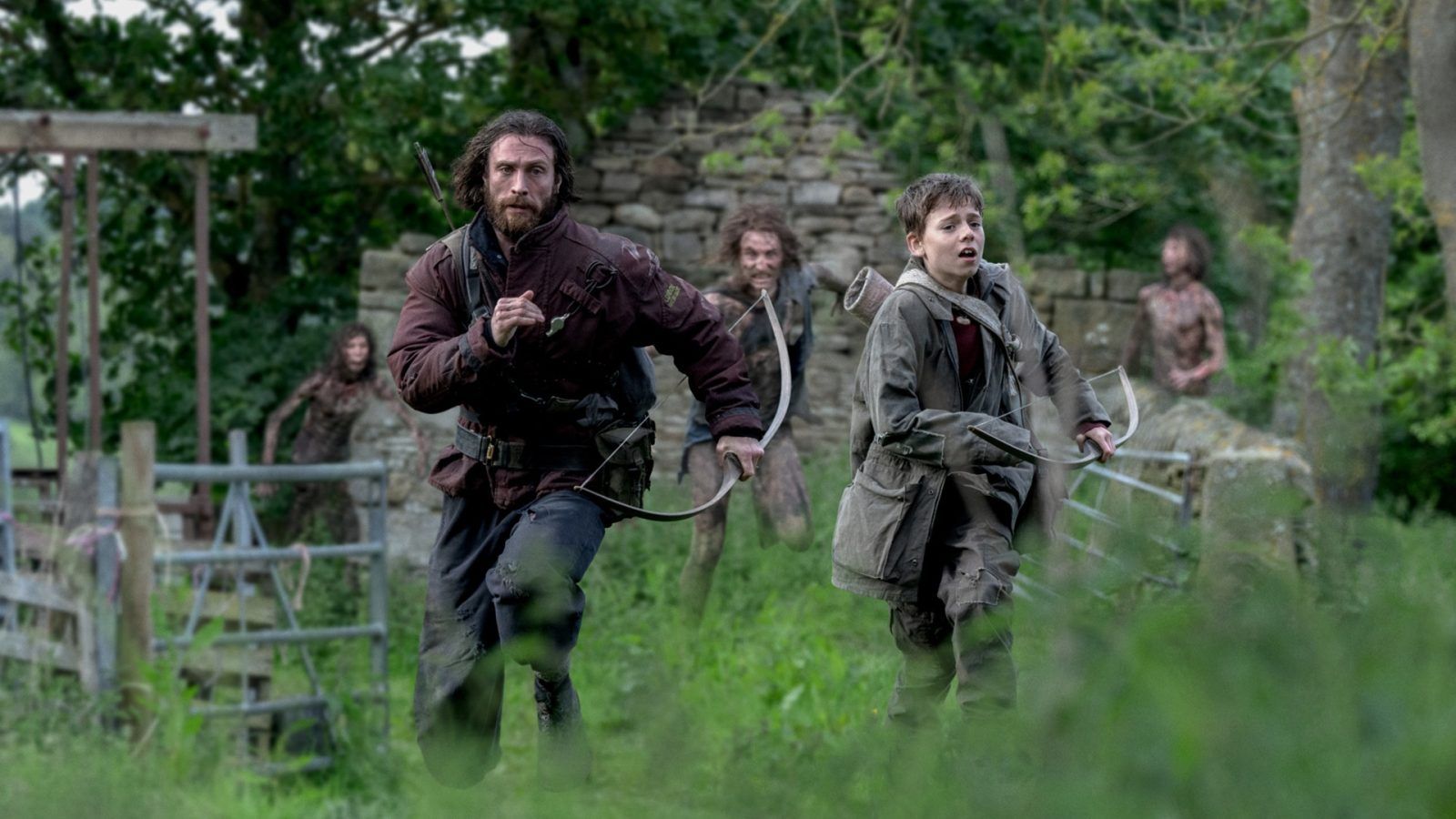
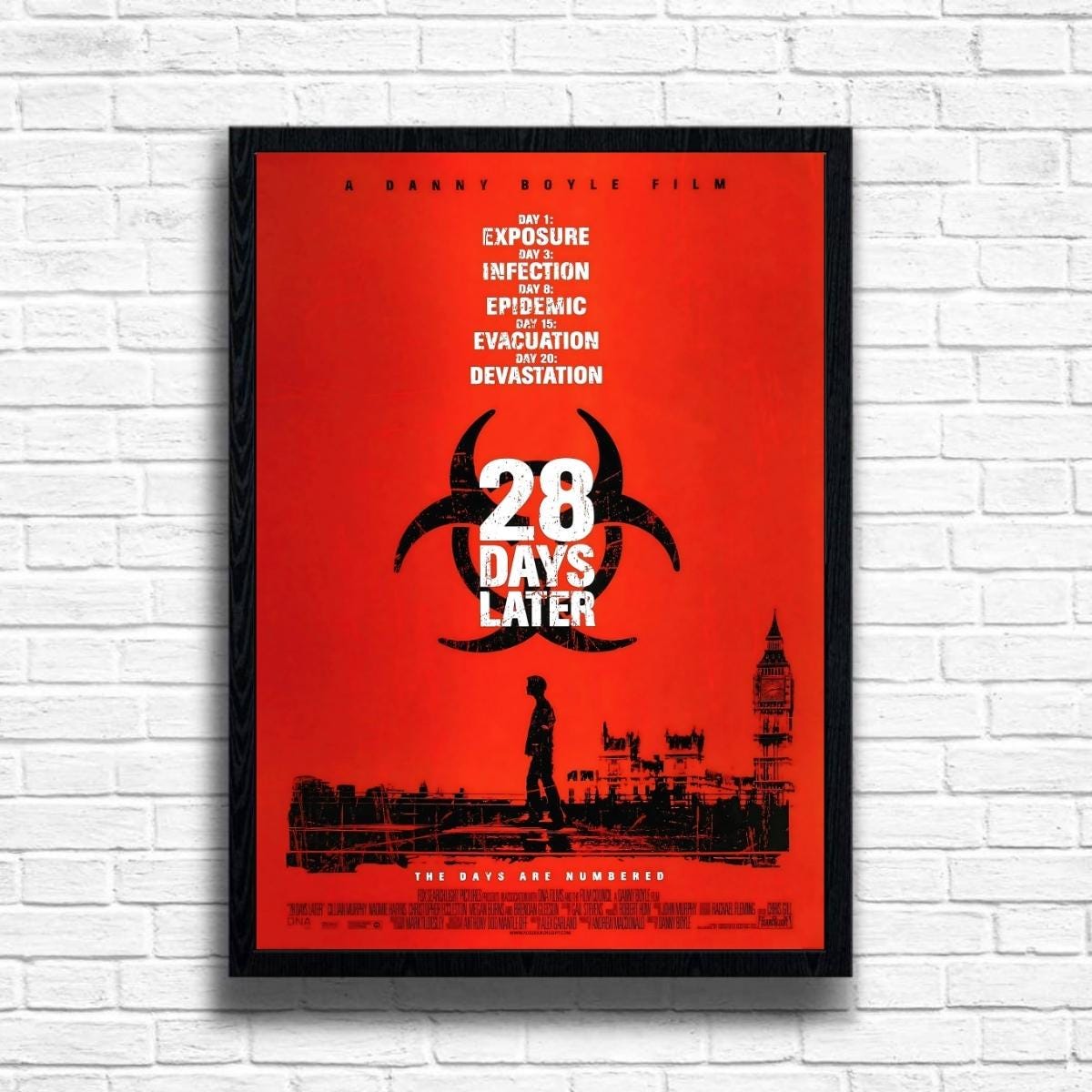
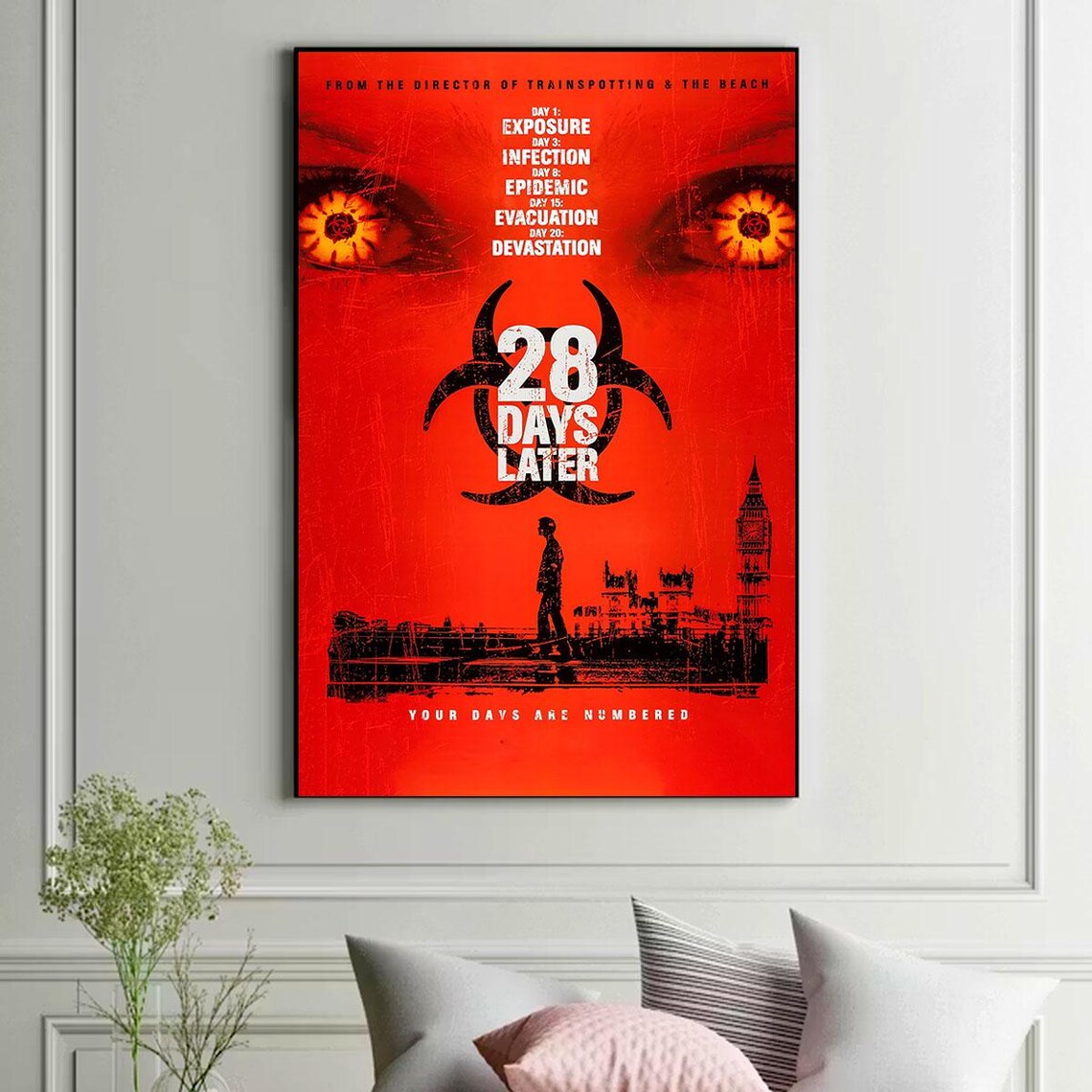
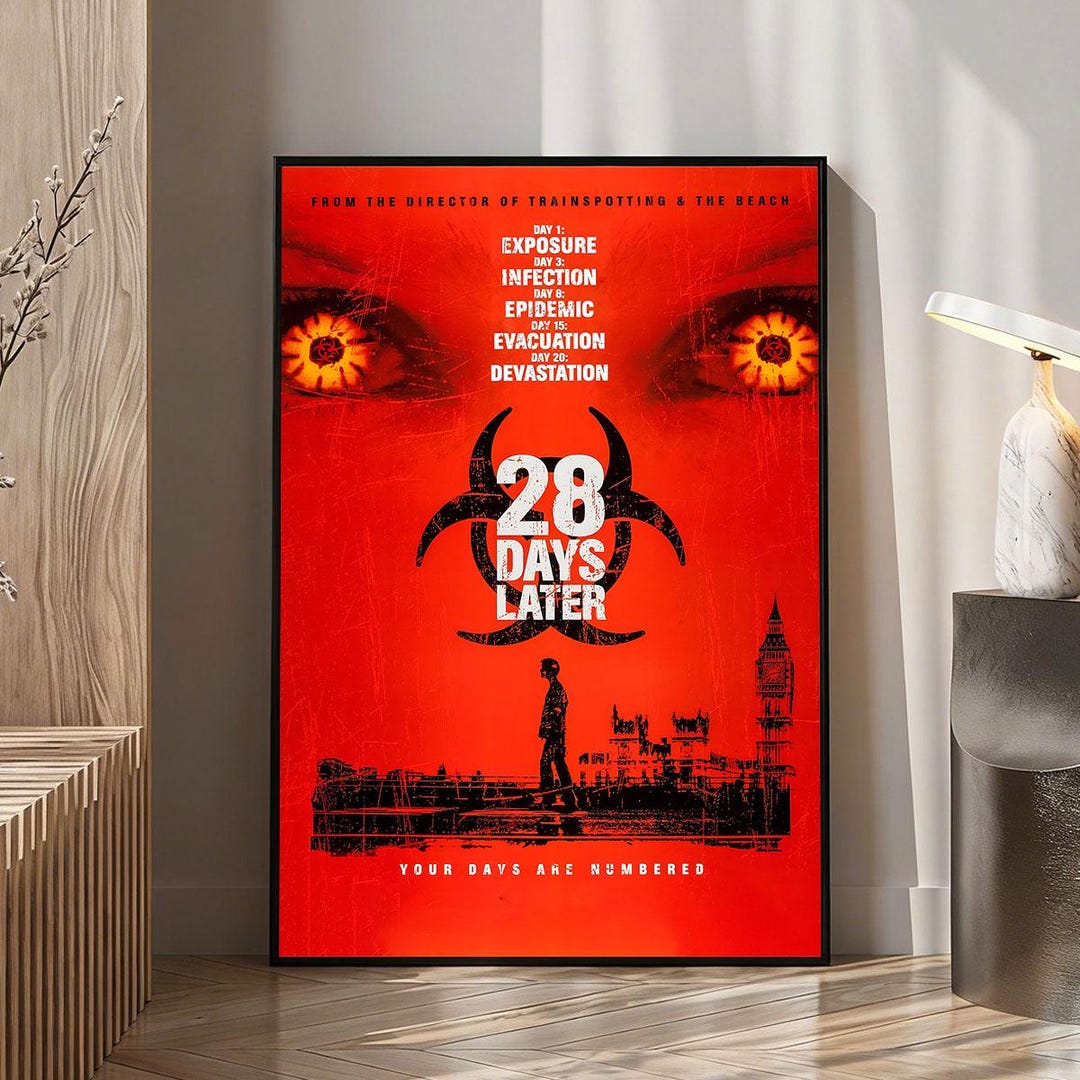
To watch the 28 Days Later series in chronological order, start with the original film 28 Days Later (2002), followed by the sequel 28 Weeks Later (2007), and finally the revival film 28 Years Later (2025). For a complete narrative experience, integrate the graphic novel 28 Days Later: The Aftermath and the comic book series between the first two films.
The franchise, birthed by the collaboration between director Danny Boyle and writer Alex Garland, redefined the horror genre in the early 2000s. Unlike traditional "undead" zombie cinema, this series focuses on "The Infected"—human beings overcome by a chemically induced, uncontrollable rage. As of 2026, the series has expanded from a cult-classic duology into a sprawling multi-generational epic with the release of the "Years" trilogy. Navigating this timeline requires understanding the specific intervals of the viral outbreak and the shifting geopolitical landscape of a world devastated by the Rage Virus.
The Core Cinematic Release Order
For most viewers, the release order provides the most natural introduction to the world-building and stylistic evolution of the franchise. Each film represents a different era of filmmaking technology and narrative scope.
- 28 Days Later (2002)
- 28 Weeks Later (2007)
- 28 Years Later (2025)
- 28 Years Later Part II: The Bone Temple (Scheduled/2026 Release)
The jump from 2007 to 2025 represents a significant gap in both the real-world production timeline and the in-universe chronology. While a "28 Months Later" project was discussed for nearly two decades, the creators eventually opted to skip ahead to the "Years" designation to reflect the aging of the original characters and the long-term societal collapse.
Detailed Chronological Timeline (Including Expanded Media)
If you are looking for the absolute narrative sequence, including the canonical comic books and graphic novels, the timeline becomes more complex. The expanded media fills vital gaps regarding the origin of the virus and the fate of key survivors.
1. 28 Days Later: The Aftermath (Graphic Novel)
Despite the title, this graphic novel serves as both a prequel and a bridge. It is divided into four chapters:
- Development: Details the scientific origins of the Rage Virus and the activists who released it.
- Outbreak: Shows the first few hours of the collapse in London.
- Survival: Follows individuals trying to escape the city during the initial 28-day window.
- Quarantine: Sets the stage for the societal attempts to contain the spread.
2. 28 Days Later (2002)
The story begins with Jim (Cillian Murphy) waking up from a coma in a deserted London hospital. He discovers that a highly contagious virus has turned the population into mindless, violent killers. He joins survivors Selena (Naomie Harris) and Mark, and later Frank and Hannah, as they seek a rumored military blockade. This film establishes the "fast zombie" trope and the bleak tone of the series.
3. 28 Days Later (Comic Series, Issues 1–24)
Published by BOOM! Studios, this series follows Selena after the events of the first film. It bridges the gap between the first and second movies, explaining what happened to the survivors and how the virus continued to affect the British Isles even as the Infected began to starve.
4. 28 Weeks Later (2007)
Set roughly six months after the initial outbreak, the U.S. Army has declared the UK "clean" and begins a repatriation effort in a Green Zone within London. The story focuses on two siblings who inadvertently trigger a resurgence of the virus. This film scales up the action, focusing on the military's inability to contain a biological threat and the "Code Red" protocols that lead to the firebombing of London.
5. 28 Years Later (2025)
Directed by Danny Boyle and written by Alex Garland, this film picks up the story decades after the world has adjusted to the presence of the Rage Virus. It explores a post-apocalyptic society that has moved past the immediate shock of the collapse into a new, more permanent way of life. It also marks the return of Cillian Murphy’s character, Jim, providing a direct link back to the 2002 original.
6. 28 Years Later Part II: The Bone Temple (2026)
As the second entry in the new trilogy, this film (directed by Nia DaCosta) continues the narrative established in the 2025 revival. It focuses on the further expansion of the virus's impact on global civilization and the specialized "Bone Temple" location, which serves as a pivotal site for the remaining remnants of humanity.
Comparative Breakdown of the Franchise
| Title | Release Year | Primary Setting | Director | Key Theme |
|---|---|---|---|---|
| 28 Days Later | 2002 | London / Manchester | Danny Boyle | Survival and Isolation |
| 28 Weeks Later | 2007 | London (Green Zone) | Juan Carlos Fresnadillo | Institutional Failure |
| 28 Years Later | 2025 | Rural UK / Europe | Danny Boyle | Legacy and Adaptation |
| The Bone Temple | 2026 | Various | Nia DaCosta | Reconstruction/Mythology |
Technical Evolution: From DV to Digital Cinema
One of the most fascinating aspects of the 28 Days Later series is its commitment to experimental cinematography. Understanding the technical depth of these films explains why they look and feel so different from other horror movies.
The Low-Res Revolution of 2002
When Danny Boyle filmed the original, he chose to use the Canon XL-1, a standard-definition digital video camera. At the time, this was a radical choice. The low resolution and "shutter-flicker" effect allowed the crew to set up shots quickly in London’s busiest streets before traffic began. It gave the film a grainy, documentary-like immediacy that made the Infected feel more grounded and terrifying.
The Shift to 35mm and High-Definition
By 2007, 28 Weeks Later moved toward a more traditional cinematic aesthetic. Using 35mm film for many sequences allowed for wider, more detailed shots of the military intervention. However, the film retained the "shaky-cam" aesthetic during attack sequences to maintain the frantic energy established by the first movie.
The Modern Revival
In 2025, 28 Years Later returned to the franchise's experimental roots. Reports from the production confirmed that the film was shot largely on modified iPhone 15 Pro Max systems, equipped with high-end Beastgrip cages and Cooke lenses. This decision by Boyle and cinematographer Anthony Dod Mantle (who won an Oscar for Slumdog Millionaire) was intended to replicate the "guerrilla" feel of the original while utilizing 2020s-era 4K digital technology. This creates a visual bridge between the 2002 digital aesthetic and modern high-fidelity standards.
The Rage Virus: A Biological Profile
To appreciate the order and logic of the series, one must understand the "rules" of the Rage Virus. Unlike the Romero-style zombies that are reanimated corpses, the Infected are living humans.
- Transmission: The virus is transmitted through blood, saliva, or other bodily fluids. Unlike many horror viruses, the incubation period is nearly instantaneous—usually between 10 and 20 seconds.
- The "Infected" State: The virus targets the brain's limbic system, putting the host in a state of permanent, murderous fury. They do not eat their victims; they simply attack until the target is dead or infected.
- Physiological Limits: Because they are living humans, the Infected are susceptible to starvation, dehydration, and physical injury. In 28 Days Later, the initial wave of Infected died off after several weeks due to lack of food.
- Asymptomatic Carriers: 28 Weeks Later introduced the concept of genetic immunity or "carriers," where an individual can harbor the virus without exhibiting the rage symptoms, yet still remain highly contagious.
Viewing Recommendations and Strategy
If you are a newcomer to the series in 2026, the best approach depends on your tolerance for non-linear storytelling.
The Purist Route (Films Only)
Watch the films in release order. This allows you to experience the evolution of the genre. You see the transition from a small-scale survival story to a military thriller, and finally to the epic, "Years"-later reconstruction. This route avoids the "information overload" that can come from the comics.
The Lore-Master Route (Full Chronology)
- Read 28 Days Later: The Aftermath (Ch. 1-2).
- Watch 28 Days Later (2002).
- Read the BOOM! Studios comic series (Issues 1-24).
- Watch 28 Weeks Later (2007).
- Watch 28 Years Later (2025).
- Watch 28 Years Later Part II: The Bone Temple (2026).
This sequence provides the most granular look at the collapse of the United Kingdom and the eventual global repercussions. It clarifies how the virus survived between the starvation period at the end of the first film and the American arrival in the second.
Production Context: The Long Road to "28 Years Later"
The gap between the second and third films (2007 to 2025) is one of the most discussed "development hell" stories in horror history. For years, Alex Garland expressed hesitation about returning to the series, citing a lack of a "good enough" idea. However, the shifting global landscape of the early 2020s provided the thematic inspiration needed to revive the franchise.
The decision to film a trilogy of "Years" movies back-to-back—directed by Danny Boyle and Nia DaCosta respectively—was a strategic move to ensure narrative consistency. This approach mimics the production styles of major franchises like The Lord of the Rings, allowing for a cohesive vision of how the world looks nearly three decades after the fall.
Common Mistakes When Watching the Series
- Confusing "Infected" with "Zombies": Remember that the Infected can be killed by standard means (gunshots to the body, starvation). They do not require a "headshot" to be neutralized, though it is the most effective method.
- Ignoring the Comics: While not mandatory, the comics explain Selena's transition from the hardened survivor in the first film to her absence in the second.
- Expecting Traditional Sequel Logic: 28 Weeks Later features an almost entirely new cast. The series is an anthology of the virus's impact rather than a continuous journey of one family until the 2025 revival.
Frequently Asked Questions
Does Cillian Murphy return in the later movies?
Yes, Cillian Murphy reprises his role as Jim in 28 Years Later (2025). While he was absent from the 2007 sequel, his return is a central element of the new trilogy, exploring how his character has survived and aged in the decades following the initial London outbreak.
Are the 28 Days Later movies connected to the Resident Evil series?
No, they are entirely separate franchises. 28 Days Later is a grounded, socio-political horror series produced by DNA Films and Fox Searchlight (now Disney/20th Century Studios). Resident Evil is based on the Capcom video game series and features a different type of viral mutation and "undead" zombies.
Why is it called "28 Days Later"?
The title refers to the amount of time the protagonist, Jim, was in a coma following a bicycle accident. He wakes up exactly 28 days after the "Rage" virus was first released by animal rights activists, finding that society has already collapsed in that short window.
Where can I watch the 28 Days Later series in 2026?
As of 2026, the films are primarily distributed through 20th Century Studios. They are available on major streaming platforms such as Disney+ and Hulu in most regions. The original 2002 film often fluctuates in availability due to licensing, but the 2025 and 2026 releases are widely available on premium VOD and physical 4K Ultra HD formats.
Do I need to read the comics to understand 28 Years Later?
No. While the comics provide excellent world-building and character development for Selena, the 2025 film is designed to be accessible to those who have only seen the original movie. The "Years" trilogy acts as a legacy sequel that honors the past without requiring homework.
Next Steps for Fans
If you have completed the film series and the comics, the next logical step is to explore the soundtracks composed by John Murphy. The theme "In the House - In a Heartbeat" is iconic to the franchise and has been used in various other media. Additionally, for those interested in the "making-of" aspect, the DVD/Blu-ray commentaries for the 2002 original offer deep insights into how Danny Boyle utilized the early digital revolution to change horror cinema forever.